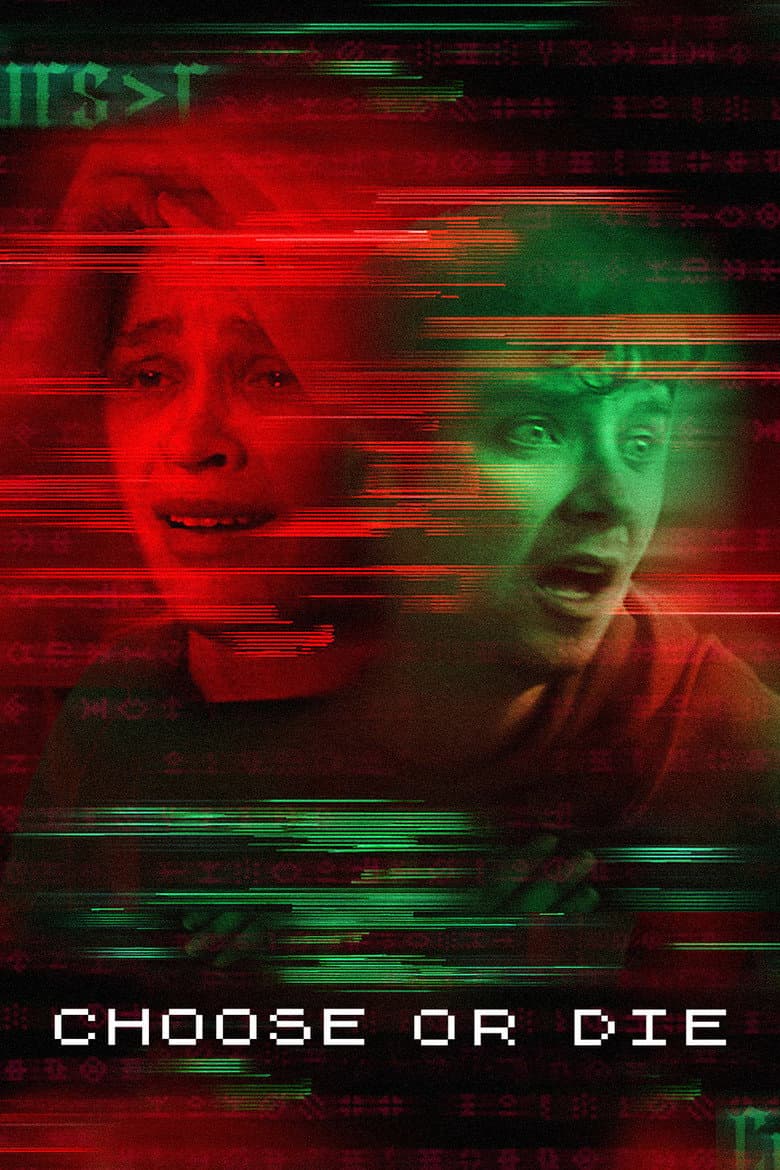
Choose or Die follows Kayla, a broke college dropout who works as a cleaner and wants to learn computer coding. She lives with her troubled mother in modern New York after the family suffers a painful loss. Kayla plays a lost 1980s text game because it promises $125,000, but the game turns every choice into real harm. The film has a dark, tense, and sometimes gruesome tone as Kayla and her friend Isaac search for the game's source.
The main woke element is the film's choice of a black woman as the coder who leads the story and defeats the curse. Kayla faces poverty, abuse by men, and a final enemy who complains that white men are no longer the default video-game heroes. A late argument and the line “Fuck the Eighties” connect her fight to modern claims about gamer misogyny and who gets to be a hero. These ideas affect the main conflict and final battle, but the movie remains a horror story rather than a full political drama.
Community feedback
Was our 51% Woke rating accurate?
Breakdown
These are the editorial factors and ratings behind our score for Choose or Die.
Woke representation / casting
Kayla is a black woman who leads the story as a young coder and survivor. The film makes her the person who defeats the curse and takes control of the final fight. Writer Simon Allen said the team made her female to challenge GamerGate misogyny and show what progress could look like. The modern New York setting makes her ethnicity plausible, and the film does not show a repeated diversity pattern across the cast.
32%
Woke political dialogue
Hal, a white and wealthy man, complains that men like him are no longer allowed to be video-game heroes. Kayla answers with “Fuck the Eighties” during the boss fight and rejects his claim. The film has little other direct political talk, so this clear message is brief but noticeable.
34%
Identity-driven story themes
The main story ties Kayla's female lead to poverty, abuse by men, and a fight against a man who says his group should be the default hero. The film shows Lance using drugs, eviction threats, and sexual pressure against Kayla's family. Simon Allen said the story was meant to show oppression, limited opportunity, and progress against gamer misogyny. These themes affect the main plot and ending, though the cursed game remains the main focus.
45%
Western institutional / cultural critique
The film presents poverty as a trap instead of a problem Kayla can solve by working harder. The story shows Lance using drugs, eviction threats, and sexual pressure against Kayla's family. The final fight also makes male entitlement part of the conflict because Hal says men like him should still be video-game heroes. This is a recurring critique of economic hardship and abusive male power, but it does not attack churches, government, or all Western culture.
42%
Woke character or canon changes
Not relevant. The film is an original horror story and does not alter established characters, canon, or real history.
0%
Anti-woke backlash and complaints
A small Reddit discussion called the late boss-fight speech a “woke conversation” and complained that the white man could not be the hero anymore. Another commenter called the film’s identity message “woke bullshit” and blamed Netflix. Most reviews and fan posts focused on confusing game rules, weak scares, and the ending, so the anti-woke reaction appears limited.
18%
Creator track record context
The supplied creator context gives Simon Allen a 55/100 score and notes his deliberate inclusive storytelling. Toby Meakins and Matthew James Wilkinson have supplied scores of 0 and 4, while the other listed creators have low scores. Allen's comments about Kayla add a clear identity-focused signal because he links her to GamerGate, toxic fanboys, progress, and oppression.
32%
Production
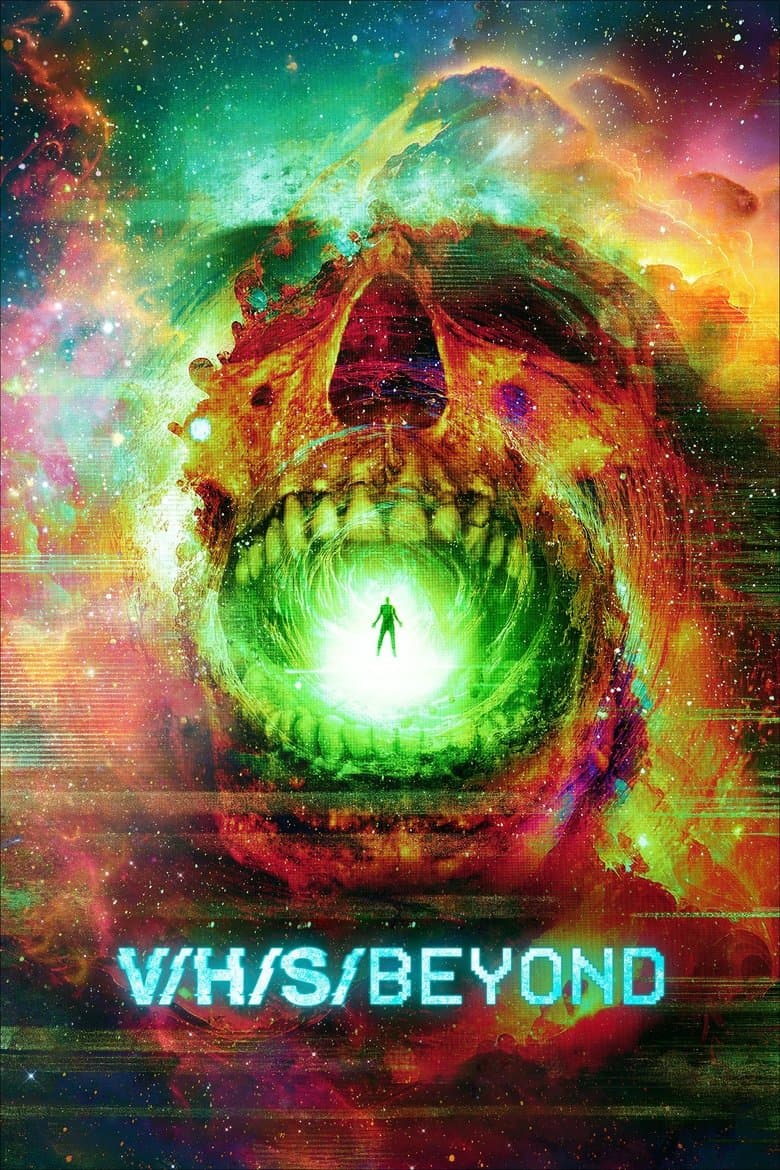
Movie · 2024
The infinite playground of forbidden worlds and dangerous lifeforms offered by the sci-fi horror genre will lead to the biggest, maddest, bloodiest V/H/S ever.
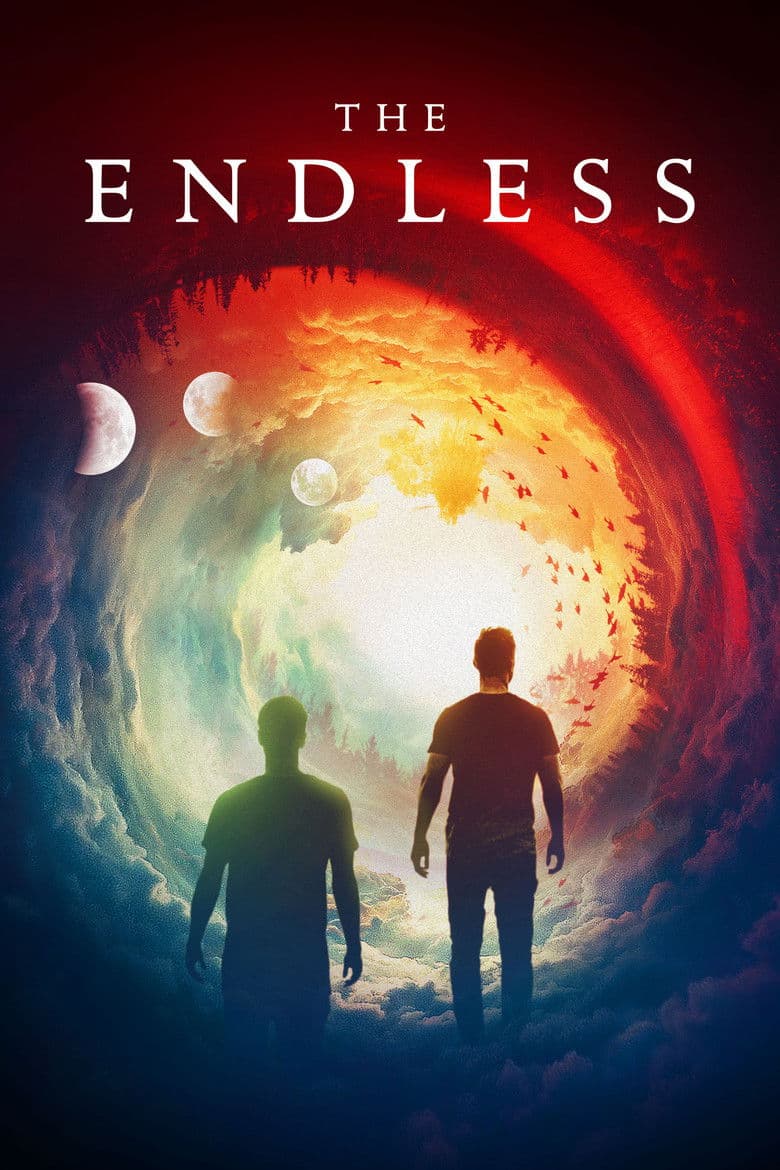
Movie · 2017
Two brothers return to the cult they fled from years ago to discover that the group's beliefs may be more sane than they once thought.
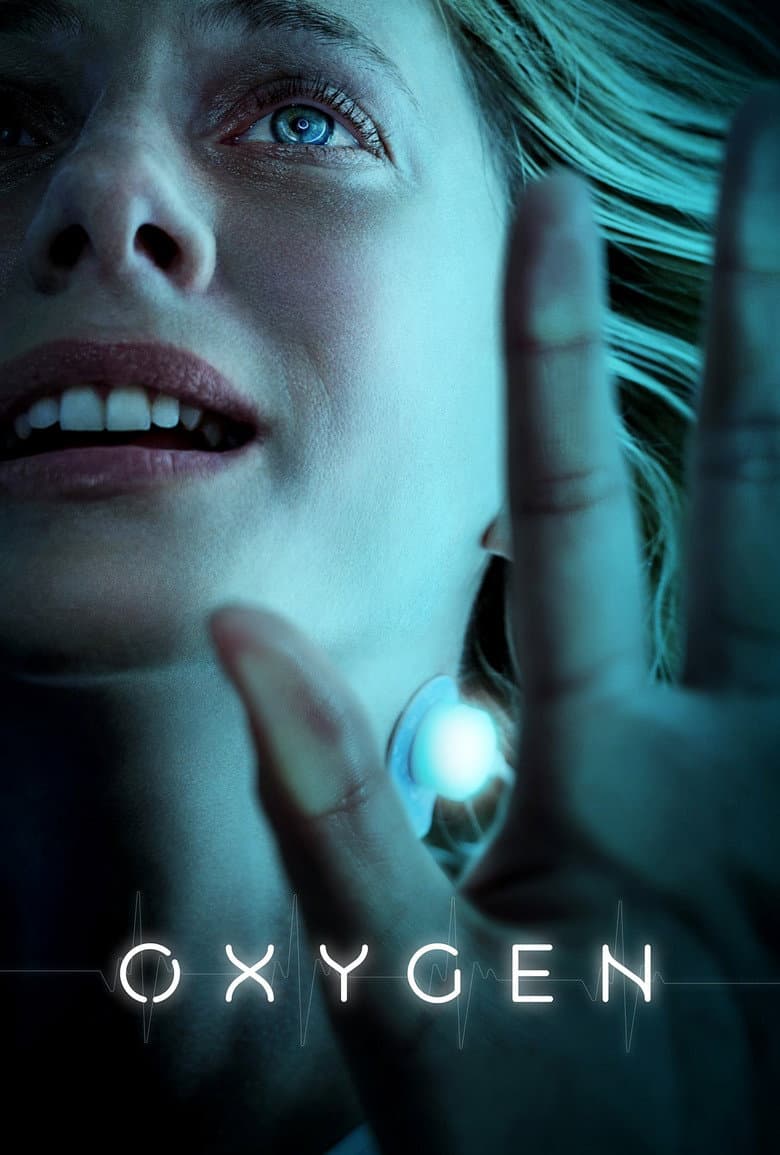
Movie · 2021
A woman wakes in a cryogenic chamber with no recollection of how she got there, and must find a way out before running out of air.
Movie · 2024
Lost in a world reclaimed by nature and overrun by mysterious creatures, Ethan, a young man with amnesia navigates the dangerous landscape in search of his lost love Emma.
Movie · 2025
On the mysterious planet of Ash, Riya awakens to find her crew slaughtered. When a man named Brion arrives to rescue her, an ordeal of psychological and physical terror ensues…
Movie · 2020
Two New Orleans paramedics' lives are ripped apart after encountering a series of horrific deaths linked to a designer drug with bizarre, otherworldly effects.
Movie · 2022
For more than a decade, parents Andy and Vicky have been on the run, desperate to hide their daughter Charlie from a shadowy federal agency that wants to harness her unprecedented…
Movie · 2016
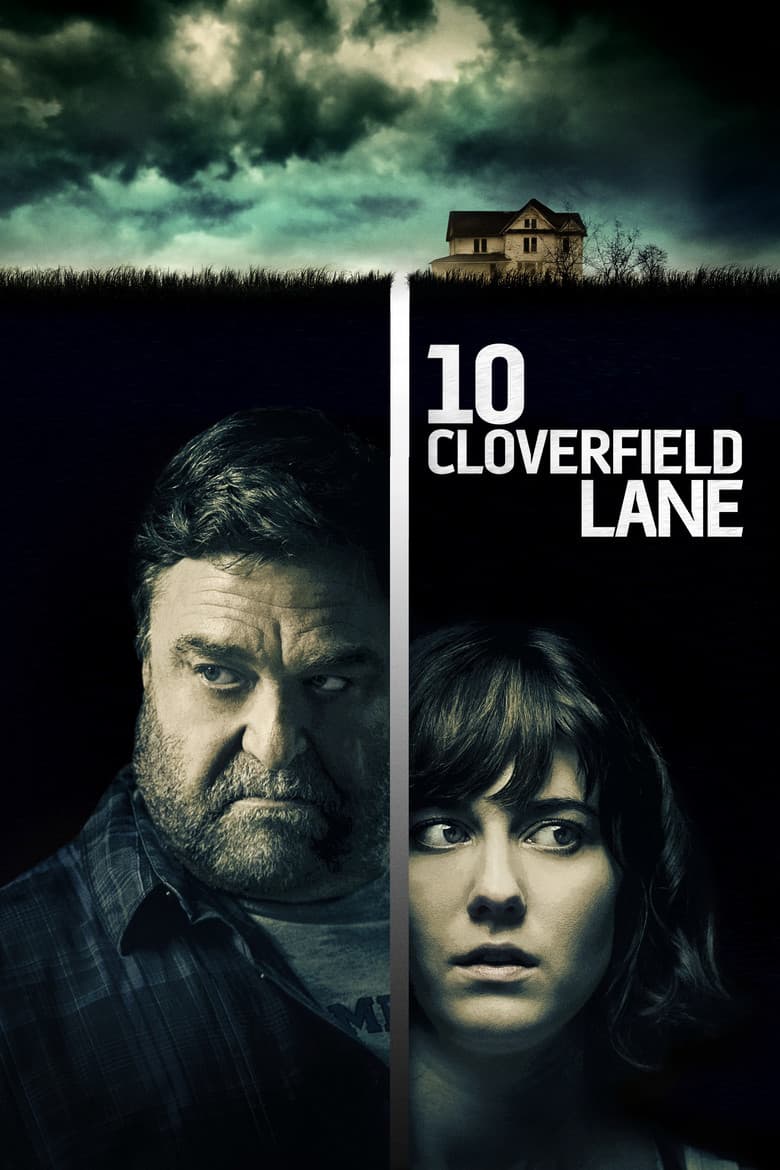
After a catastrophic car crash, a young woman wakes up in a survivalist's underground bunker, where he claims to have saved her from an apocalyptic attack that has left the…
