Movie review
June 1, 2017 · 89 min · PG · Kids · Sci-Fi · Animation · Comedy · Family
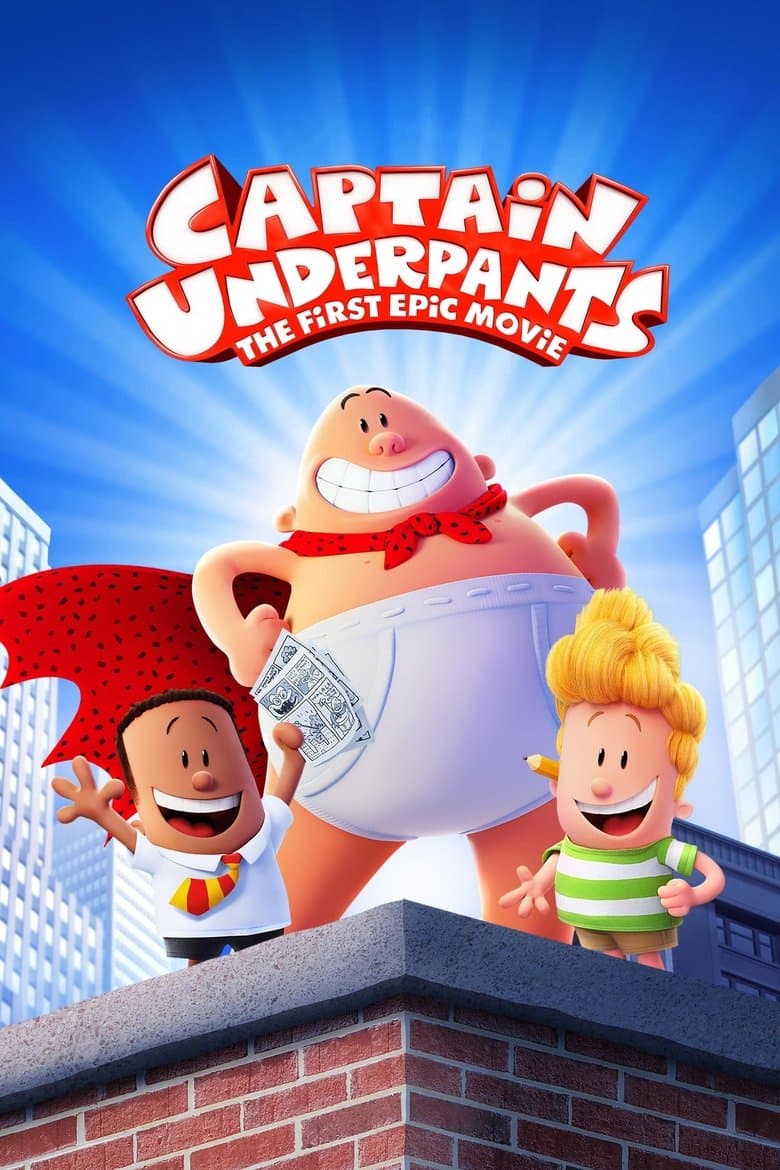
George Beard and Harold Hutchins are fourth-grade friends who make comics and play pranks at their school in Ohio. Their strict principal, Mr. Krupp, plans to separate them after catching them in trouble. George hypnotizes Krupp and makes him believe that he is Captain Underpants, a silly superhero. The boys then try to control Captain Underpants while Professor Poopypants attacks the school with a giant talking toilet. The movie uses loud comedy, toilet jokes, cartoon action, fourth wall breaks, and handmade comic scenes.
The story presents imagination, laughter, and friendship as ways to resist a dull school and a cruel adult. George and Harold learn that their friendship can survive even when the school separates them. The movie gives Mr. Krupp a lonely and hurt side, so the boys learn empathy instead of treating him only as an enemy. The film also supports art, music, jokes, and creative play in children's education. These ideas remain part of a simple school adventure, and they matter less than the movie's constant toilet humor.
Community feedback
Was our 5% Woke rating accurate?
Breakdown
These are the editorial factors and ratings behind our score for Captain Underpants: The First Epic Movie.
Woke representation / casting
Not present. George is a black co-lead because the source character is written that way. The film does not present the casting as a diversity message.
0%
Woke political dialogue
Not present. The characters do not give speeches about current politics, race, gender, sexuality, or social policy. The dialogue stays focused on school pranks, superheroes, laughter, and toilet jokes.
0%
Identity-driven story themes
Not present. The main themes are friendship, imagination, empathy, and the value of laughter. The story does not make identity, group rights, or activist causes part of the conflict.
0%
Western institutional / cultural critique
Not present. The movie mocks a strict principal and a humorless school as part of a child's comedy. The story does not build a modern critique of family, faith, capitalism, patriarchy, or Western institutions.
0%
Woke character or canon changes
Not relevant. The movie adds Edith and combines events from the books to create a romance and a larger school adventure. These changes do not make an identity or political point.
0%
Anti-woke backlash and complaints
Not present. The complaints found focus on potty humor, rude behavior, and age suitability. No strong anti-woke or DEI complaint about this movie appeared.
0%
Creator track record context
Nicholas Stoller has a queer representation record through Bros, but this film is not queer centered. Dav Pilkey's later work includes a same-sex marriage for Harold and public support for diversity causes. Producer Mireille Soria and casting director Nicole Abellera Hallman have some inclusive casting or hiring context. David Soren and most other listed creators have little or no activist record, so this context is limited.
24%
Production
Movie · 2016
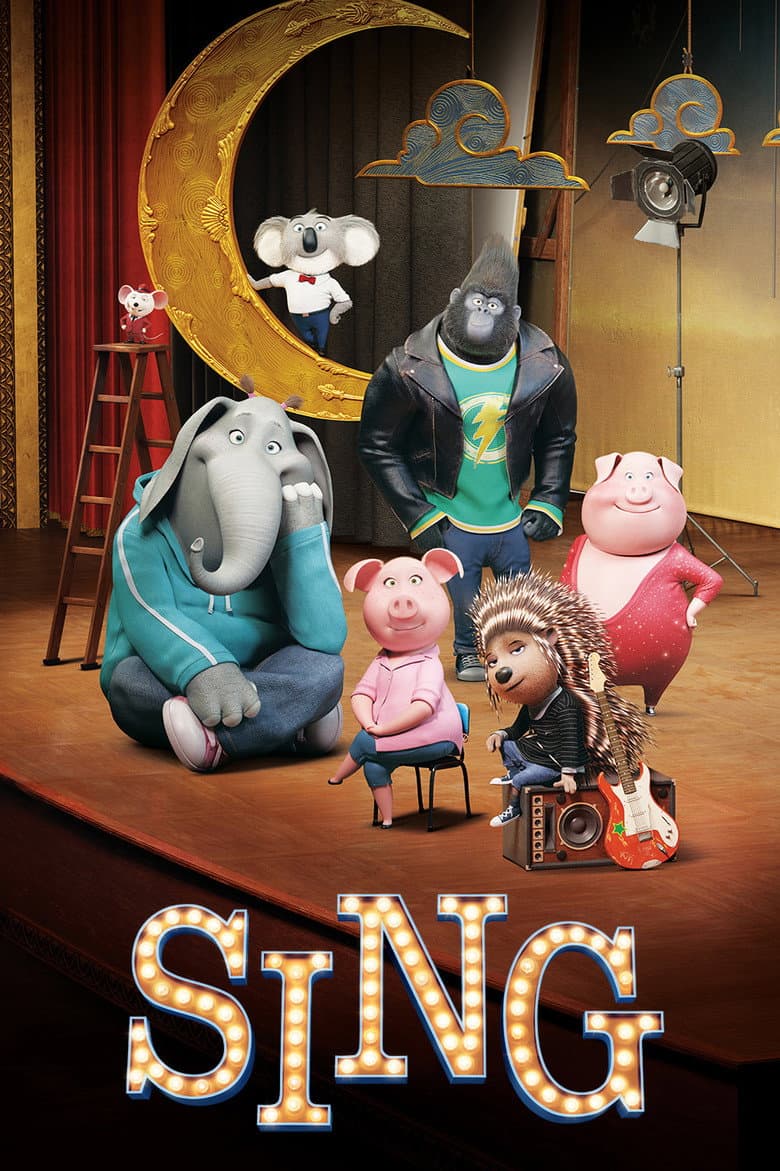
A koala named Buster recruits his best friend to help him drum up business for his theater by hosting a singing competition.
Movie · 2016
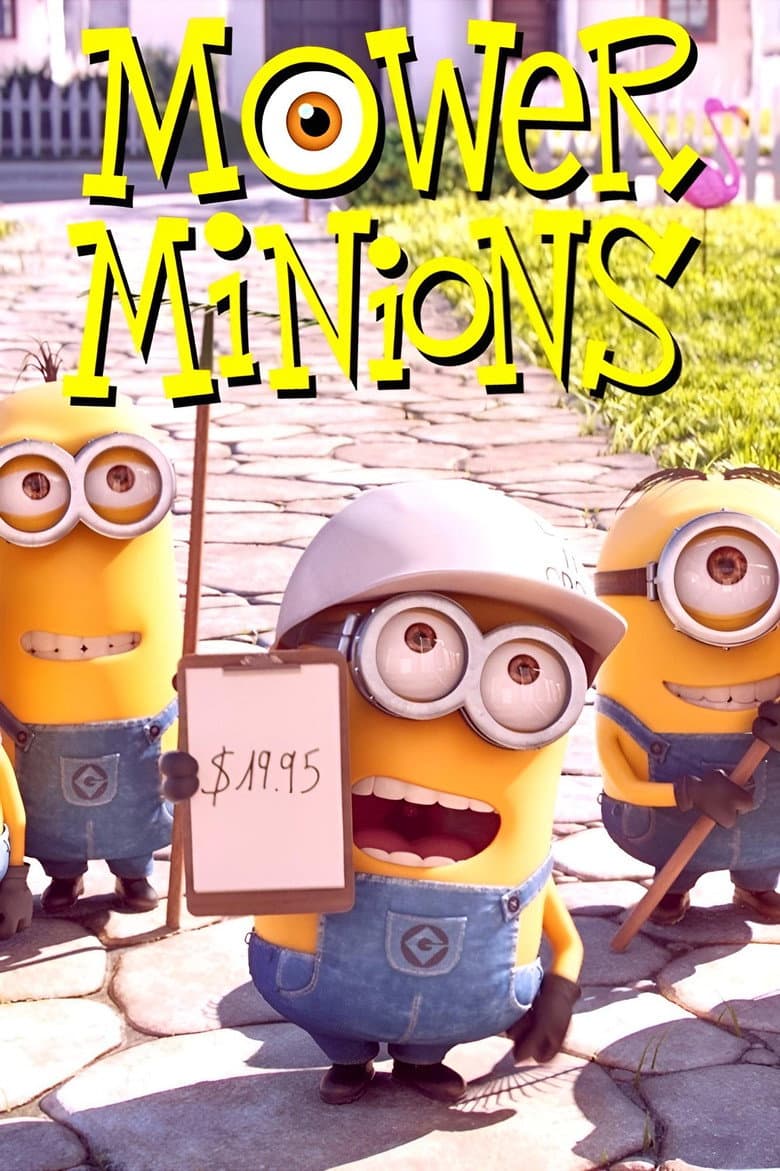
The Minions need to raise $20 to purchase an as seen on TV banana blender. So they take up lawn mowing at an old folks home, with hilarious antics!
Movie · 2017
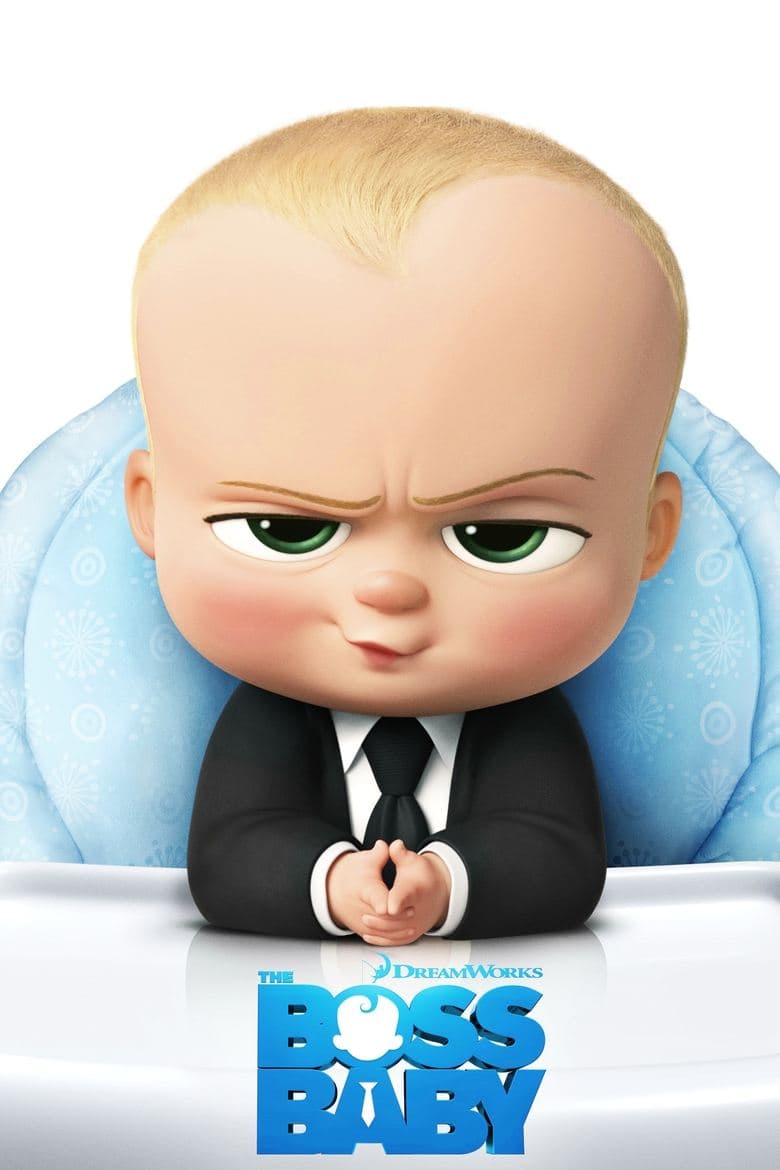
A story about how a new baby's arrival impacts a family, told from the point of view of a delightfully unreliable narrator, a wildly imaginative 7 year old named Tim.
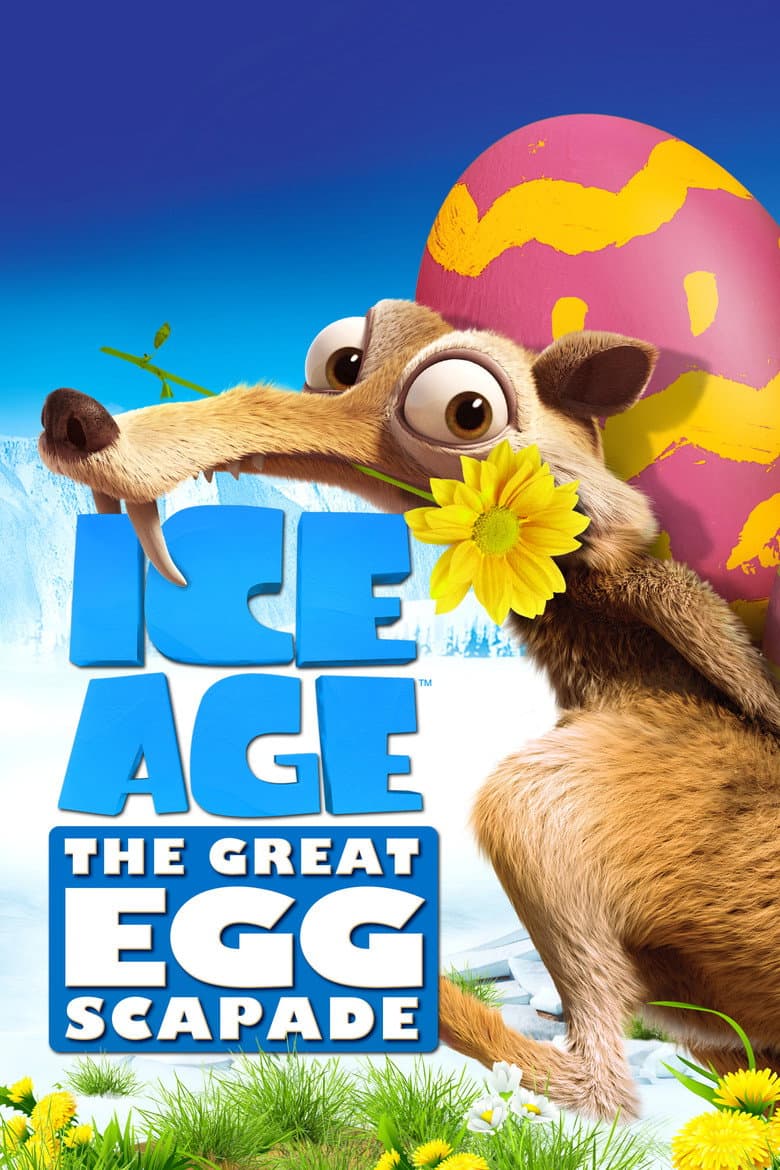
Movie · 2016
A harried prehistoric bird mother entrusts her precious, soon-to-hatch egg to Sid. When she recommends him to her neighbours, business booms at his new egg-sitting service.
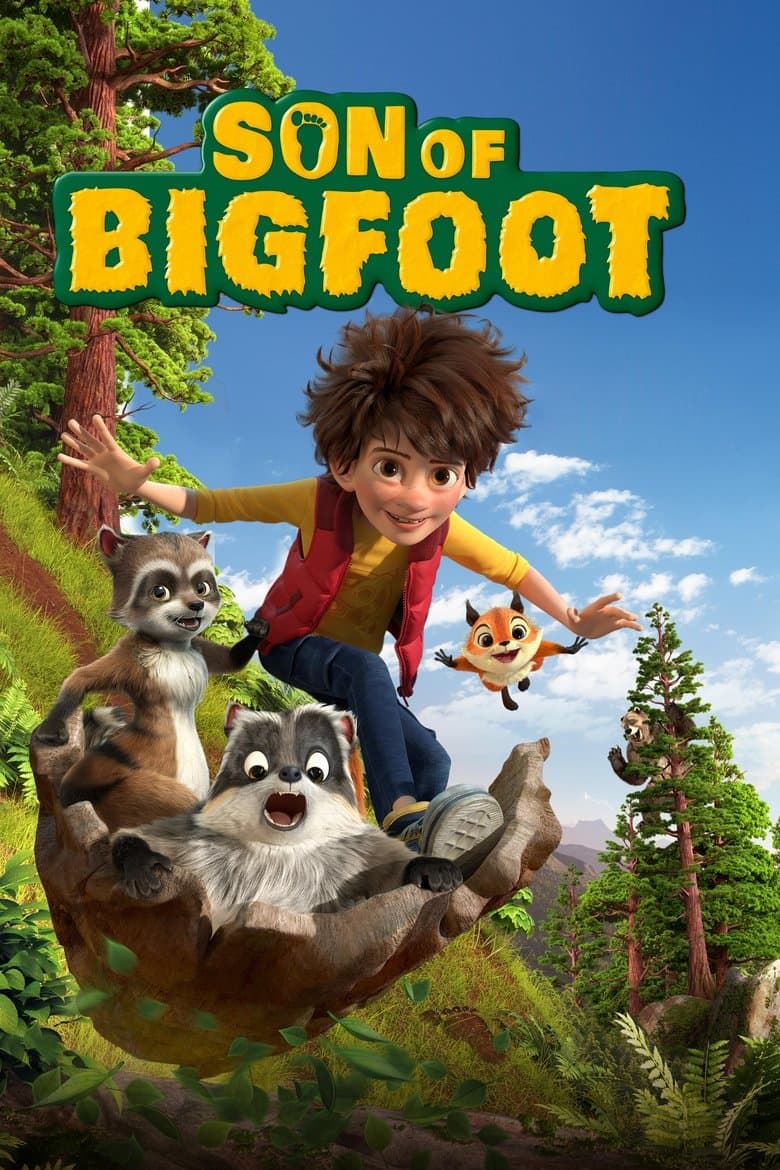
Movie · 2017
Teenage outsider Adam sets out on an epic and daring quest to uncover the mystery behind his long-lost dad, only to find out that he is none other than the legendary Bigfoot!
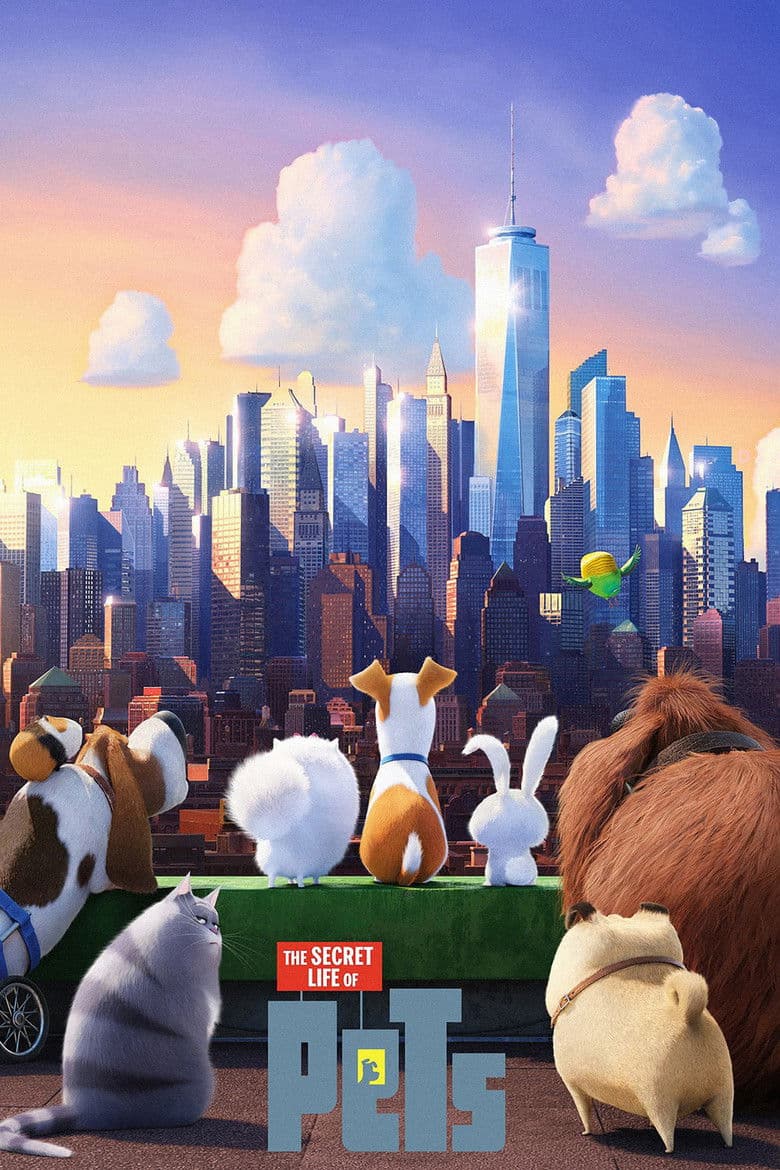
Movie · 2016
The quiet life of a terrier named Max is upended when his owner takes in Duke, a stray whom Max instantly dislikes.
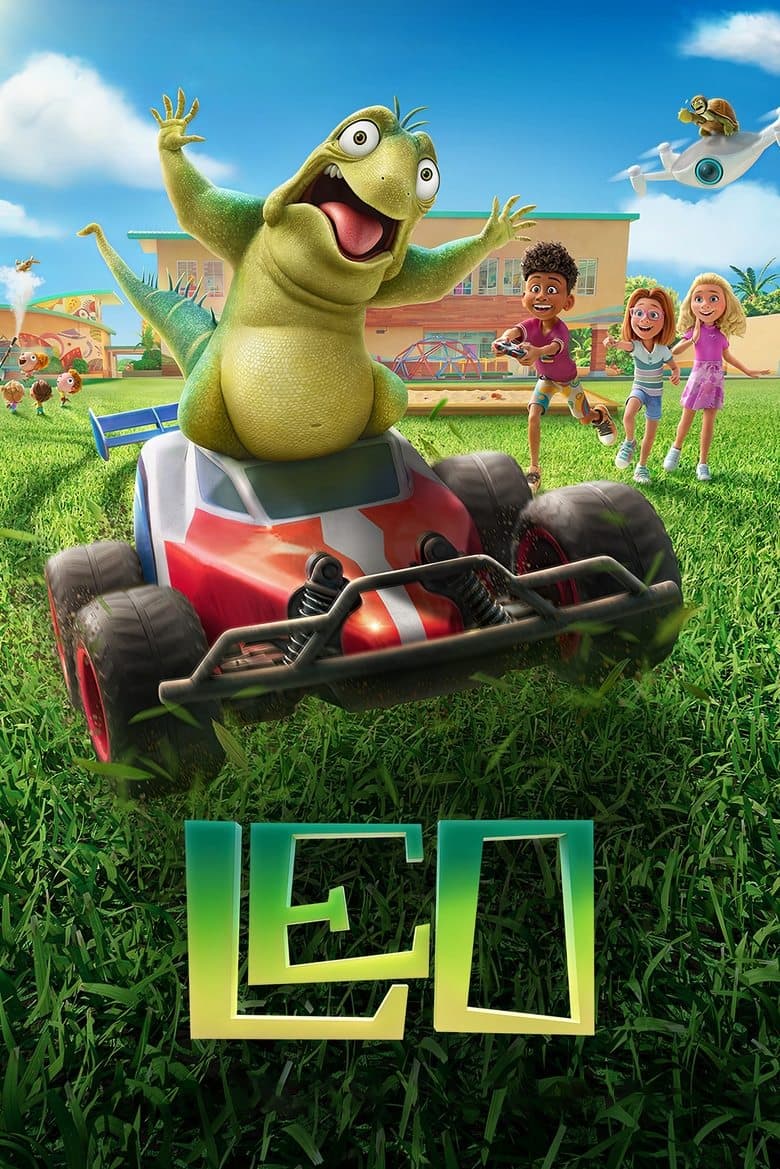
Movie · 2023
Jaded 74-year-old lizard Leo has been stuck in the same Florida classroom for decades with his terrarium-mate turtle.
Movie · 2025
Elio, a space fanatic with an active imagination, finds himself on a cosmic misadventure where he must form new bonds with eccentric alien lifeforms, navigate a crisis of…
