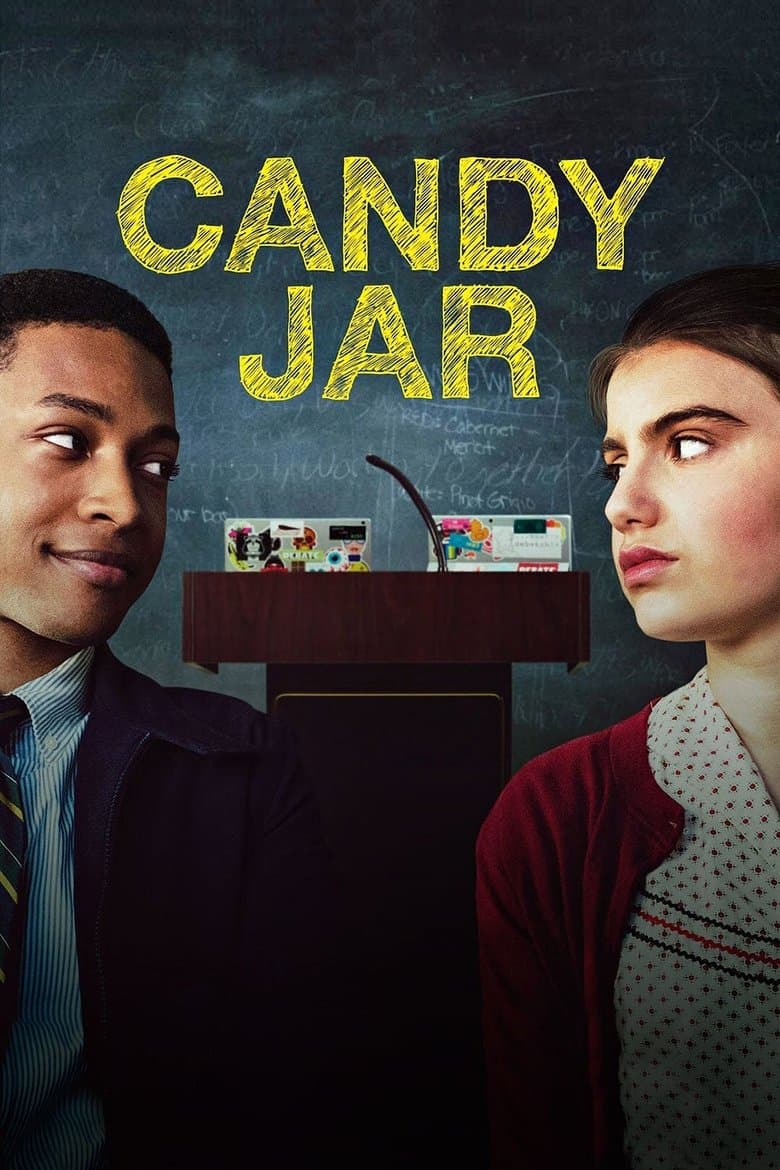
Candy Jar follows Lona Skinner and Bennett Russell, two high school debate stars at a private school who hope to attend Harvard and Yale. They have fought for years because their mothers were rivals, and they treat their two-person club as a path to a better future. After a tournament loss, the teens must work as a team while they face college pressure, family conflict, grief, and a growing romance. A caring school counselor helps them see that winning and entering an elite college cannot give life its full meaning.
The film includes a clear class and education message. Jasmine and Dana, students from a poorer public school, argue that wealthy schools have more tools and that college access is unfair. Their arguments return during the debate contests and help change Lona and Bennett's view of success. The movie also gives a black teen, a black female state senator, and other diverse students important roles, but race, gender, sexuality, and a political campaign do not drive the main story.
Community feedback
Was our 40% Woke rating accurate?
Breakdown
These are the editorial factors and ratings behind our score for Candy Jar.
Woke representation / casting
The film gives prominent roles to a black male debate champion and a black female state senator. It also puts women and students of color in several capable debate roles. The movie does not call these choices a diversity campaign, so the casting signal stays limited.
28%
Woke political dialogue
The movie makes college cost and access a repeated debate topic. Jasmine and Dana say poor schools lack research tools and that low-income students face unfair barriers. The final debate leads Lona and Bennett to admit that effort does not erase unequal chances. The message is clear, but it stays inside the school and college story.
35%
Identity-driven story themes
The movie makes class background and unequal school access part of the leads' emotional change. Jasmine and Dana use their lives to challenge the idea that every student has the same path to college. Lona and Bennett then rethink their goals and what success means. The main story still centers on rivalry, romance, grief, and school pressure, so the identity-driven theme is important but not dominant.
32%
Western institutional / cultural critique
The movie criticizes elite schools and college admissions for favoring students with money and better school resources. The public-school rivals say the larger system can keep poorer students from moving up. The story also questions the idea that Harvard or Yale decides a person's worth. The critique targets education and class, not religion, family life, masculinity, or conservative beliefs.
34%
Woke character or canon changes
Not relevant. The movie is an original story with no established characters or historical figures to alter.
0%
Anti-woke backlash and complaints
Not present. No anti-woke complaints or boycott claims were found in mainstream coverage or public reviews. The separate X search found no anti-woke reaction or named complaints. Public discussion focused on the romance, academic pressure, predictability, and debate realism.
0%
Creator track record context
The writer, Chad Klitzman, has a public record of LGBTQ and diversity advocacy. Producer Michael A. Simpson has supported gay rights and has called himself politically active. Director Ben Shelton has no high-confidence activist record. Casting director John Papsidera and producer Judy Cairo also show no clear public diversity-activist pattern in the available record. This gives the team a mild to moderate creator track record signal, while the movie itself is not queer-centered.
30%
Production
Movie · 2016
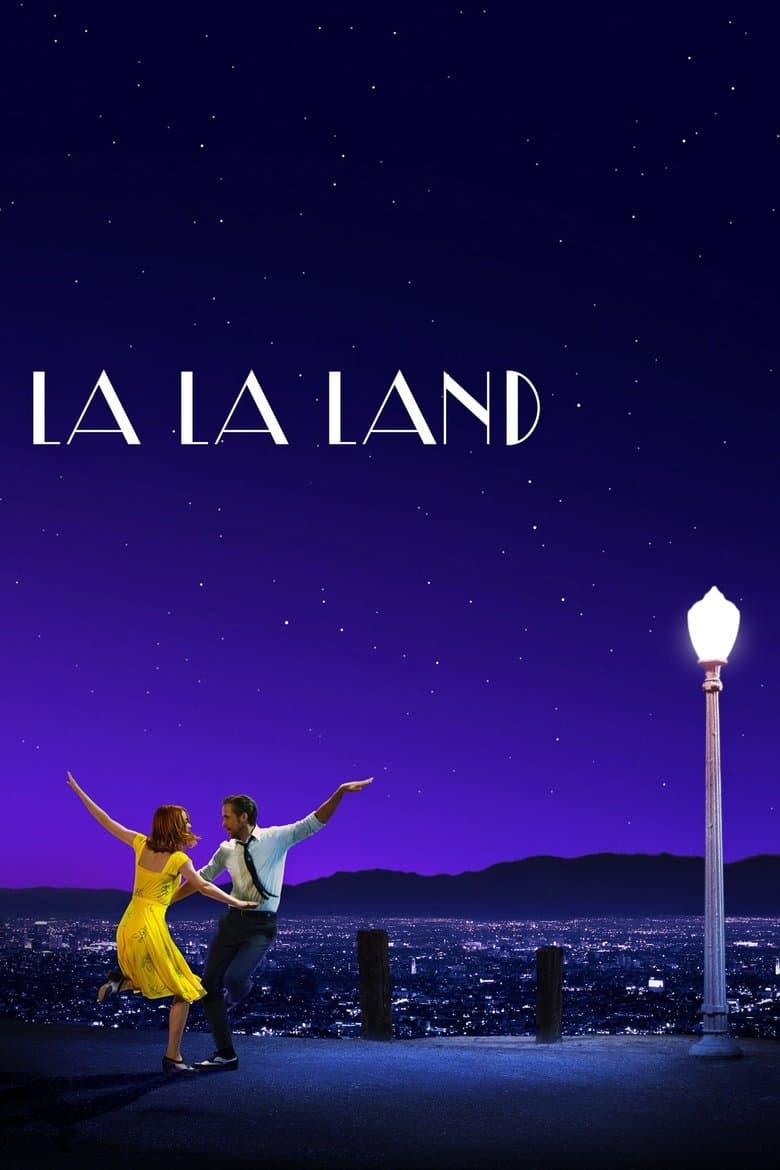
Mia, an aspiring actress, serves lattes to movie stars in between auditions and Sebastian, a jazz musician, scrapes by playing cocktail party gigs in dingy bars, but as success…

Movie · 2016
A boy growing up in Dublin during the 1980s escapes his strained family life by starting a band to impress the mysterious girl he likes.

Movie · 2023
Two romantic burnouts, Jane and Will, are immediately drawn to each other at a mutual friend’s wedding. After a disastrous hookup in the coatroom, the two spend the next 24 hours…

Movie · 2022
Divorced couple Georgia and David find themselves on a shared mission: they team up and travel to Bali to stop their daughter Lily from making the same mistake they once made 25…

Movie · 2016
The story of a young man who arrives in Hollywood during the 1930s hoping to work in the film industry, falls in love, and finds himself swept up in the vibrant café society that…
Movie · 2021
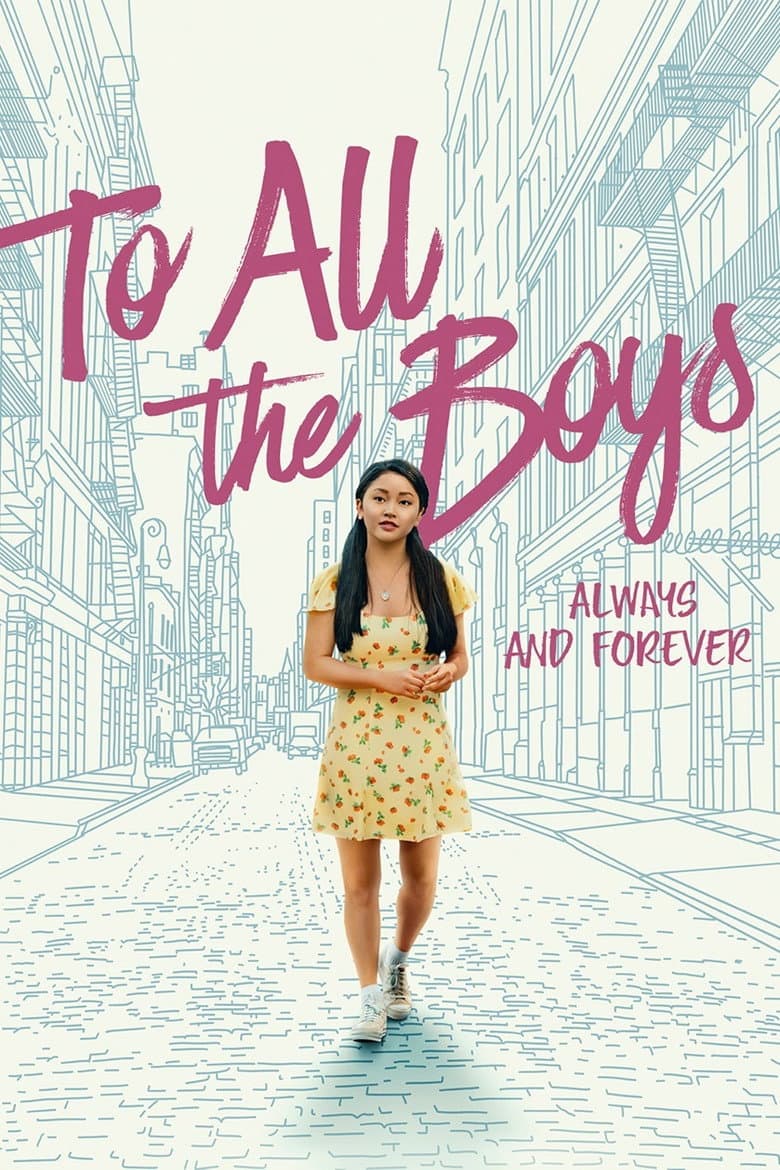
Senior year of high school takes center stage as Lara Jean returns from a family trip to Korea and considers her college plans — with and without Peter.

Movie · 2016
The unconventional love story of an aspiring actress, her ambitious driver, and their eccentric boss, the legendary billionaire Howard Hughes.

Movie · 2025
When her mother sends her on a quest to complete a teenage bucket list, a young woman uncovers family secrets, finds romance — and rediscovers herself.
