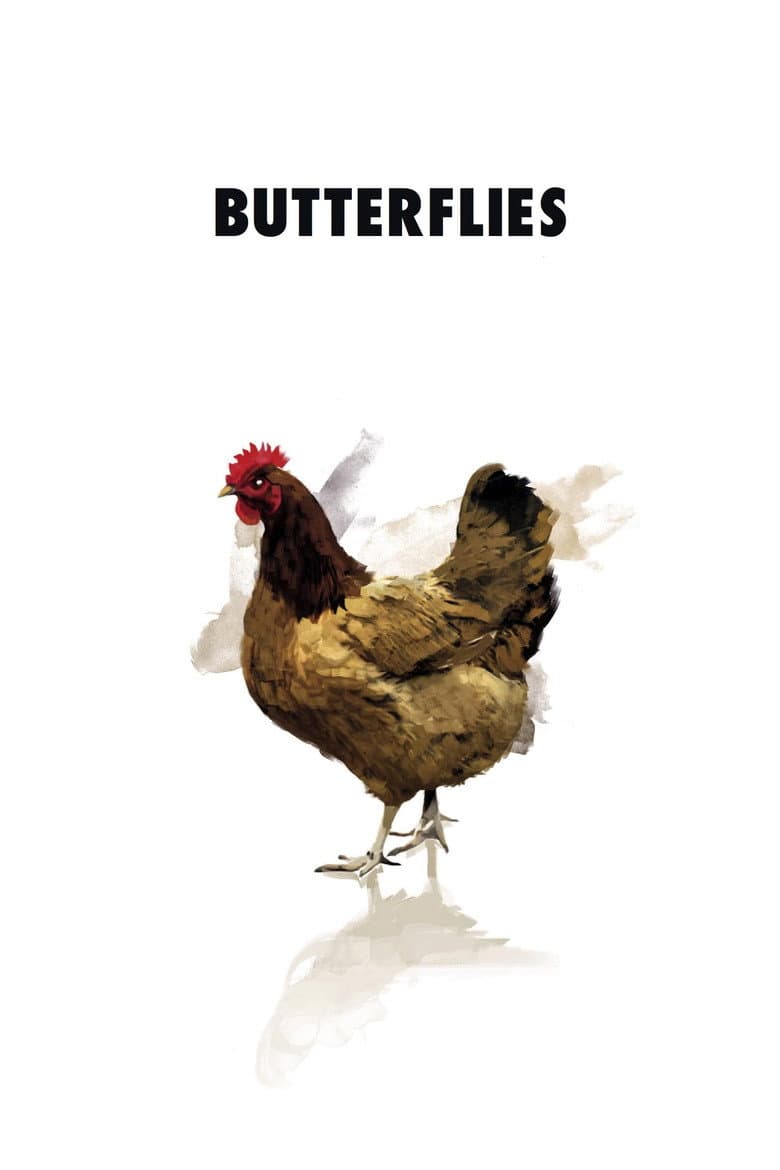
Three siblings who barely know one another return to Hasanlar, a strange Turkish village, after their father calls them home. Cemal is a frustrated astronaut, Kenan is a struggling actor, and Suzan is a teacher who wants to leave her husband. The siblings arrive to find their father dead, and they must wait for the butterflies before they can bury him. Their stay brings old wounds, their mother's suicide, and years of silence back into the open. The film mixes family pain with dark jokes, odd village events, and a gentle magical mood.
Suzan gives the film its clearest identity-driven thread. She drinks and swears openly, and she pushes back when men treat her as out of place. The film also shows women challenging husbands, male spaces, and fixed gender roles, while the brothers often look lost or childish. These moments make gender conflict a recurring part of the family story, but grief, faith, memory, and the search for a family bond remain the main focus.
Community feedback
Was our 45% Woke rating accurate?
Breakdown
These are the editorial factors and ratings behind our score for Butterflies.
Woke representation / casting
Not present. The main cast is Turkish in a Turkish family and village story. The film does not use a visible diversity pattern or identity-framed casting.
0%
Woke political dialogue
Suzan says she wants to leave a husband who never listens to her. She argues with men in a nightclub and uses blunt insults usually linked with men when they dismiss her. A mosque scene makes her gender a spoken reason to keep her outside before the imam invites her in. Cemal also complains that German officials train astronauts without funding a real launch. These are brief comic exchanges, not a speech about DEI or a full political program.
25%
Identity-driven story themes
Suzan’s wish to leave her inattentive husband gives the film a repeated story about a woman demanding to be heard. She works as a teacher, drinks and swears openly, and confronts men in a male-heavy nightclub. Other women also challenge husbands or male authority, while the brothers often look lost, childish, or unable to act. The film turns fixed gender roles upside down for comedy and gives Suzan a key role in pushing the family forward. Grief, faith, memory, and the search for a family bond still take up more of the story than gender politics.
45%
Western institutional / cultural critique
Kelebekler treats Suzan’s husband as a man who ignores her wish to leave and shows male spaces as strange or hostile to her. Men tell her to stay outside the mosque because she is a woman, while the imam later lets her enter. Cemal’s public complaint about the German state’s space program adds a smaller criticism of government failure and wasted work. The movie questions male control and authority, but it does not make a broad attack on Western culture or Christianity.
40%
Woke character or canon changes
Not relevant. This is an original story about a Turkish family. It does not change an older character, book, real person, or known event.
0%
Anti-woke backlash and complaints
Not present. No sustained anti-woke complaints were found in the supplied X evidence or the wider coverage checked. Negative audience comments focused on story and technical issues.
0%
Creator track record context
Director Tolga Karaçelik has a recurring interest in authority, masculinity, family pressure, and people who feel trapped. His interviews connect this film’s rebellion mood to the post-Gezi generation and present Suzan as a needed female voice after earlier male-centered stories. He also says the film is mainly about belief, family, and human feelings, and he rejects a direct political label. Available public information gives the three producers no clear activist pattern.
45%
Production
Movie · 2019
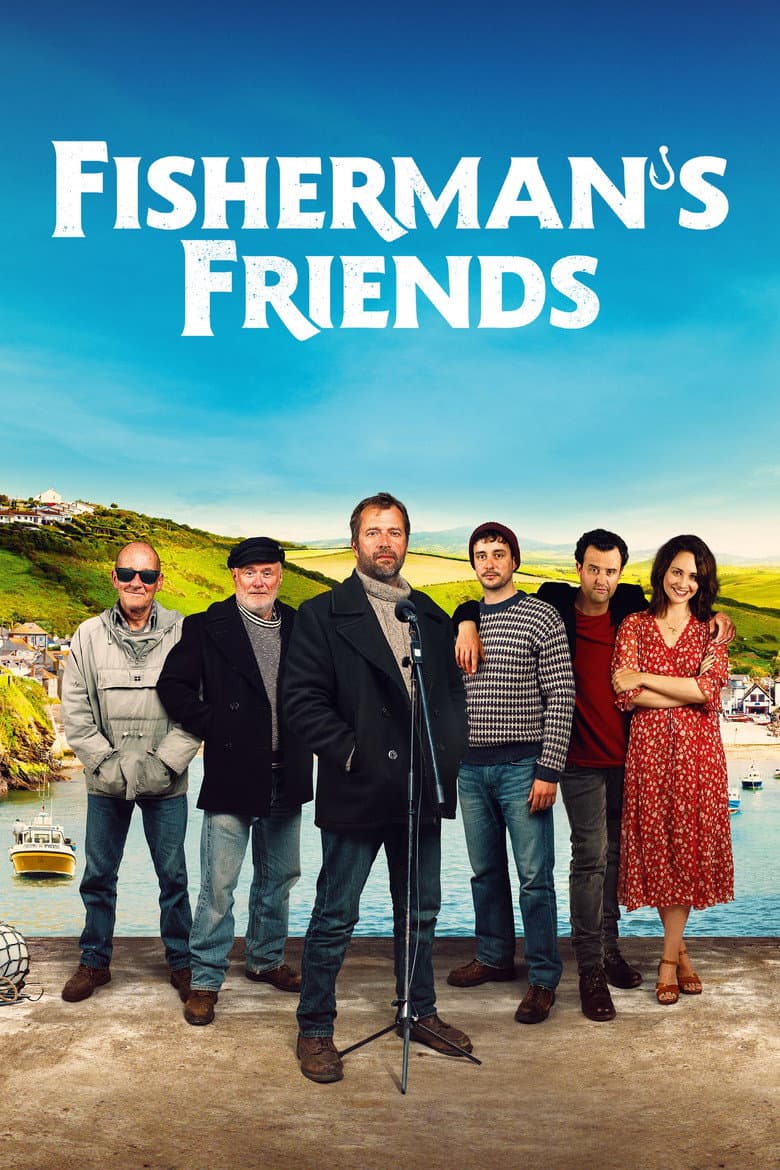
Ten fishermen from Cornwall are signed by Universal Records and achieve a top ten hit with their debut album of Sea Shanties.
Movie · 2023
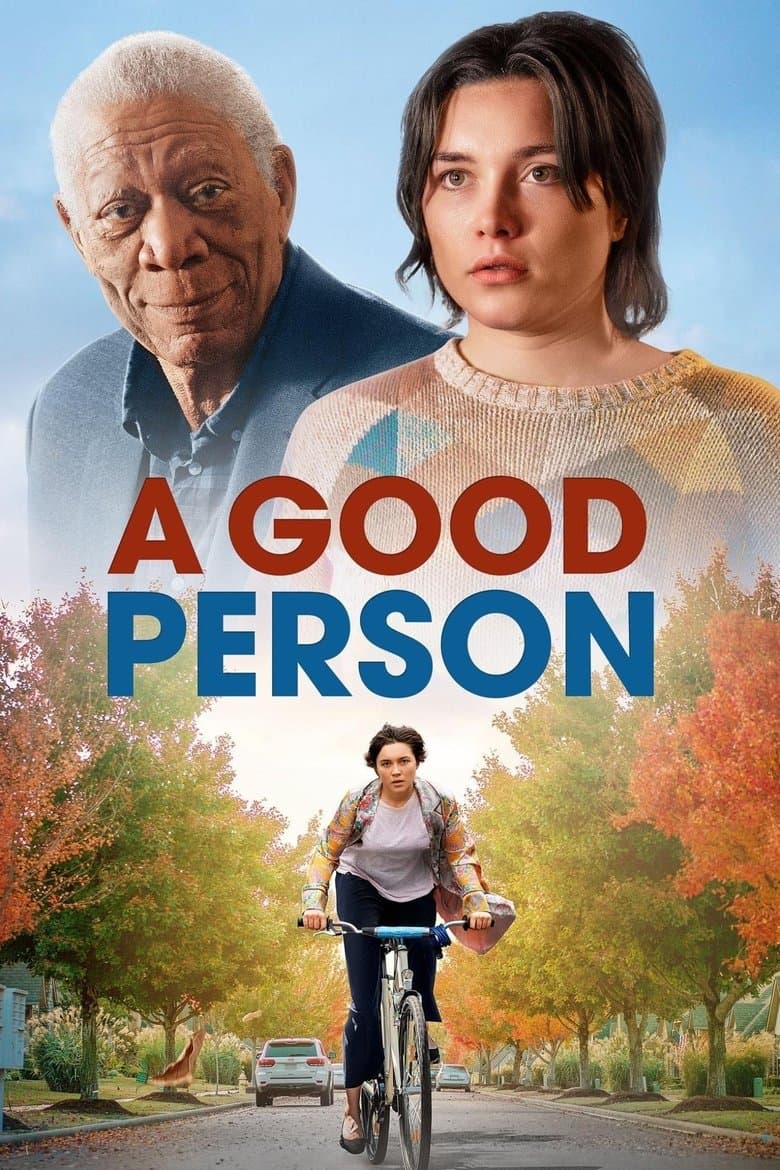
Allison's life falls apart following her involvement in a fatal accident. The unlikely relationship she forms with her would-be father-in-law helps her live a life worth living.

Movie · 2016
Aspiring New York City artist John Hollar returns to his Middle America hometown on the eve of his mother’s brain surgery.
Movie · 2025
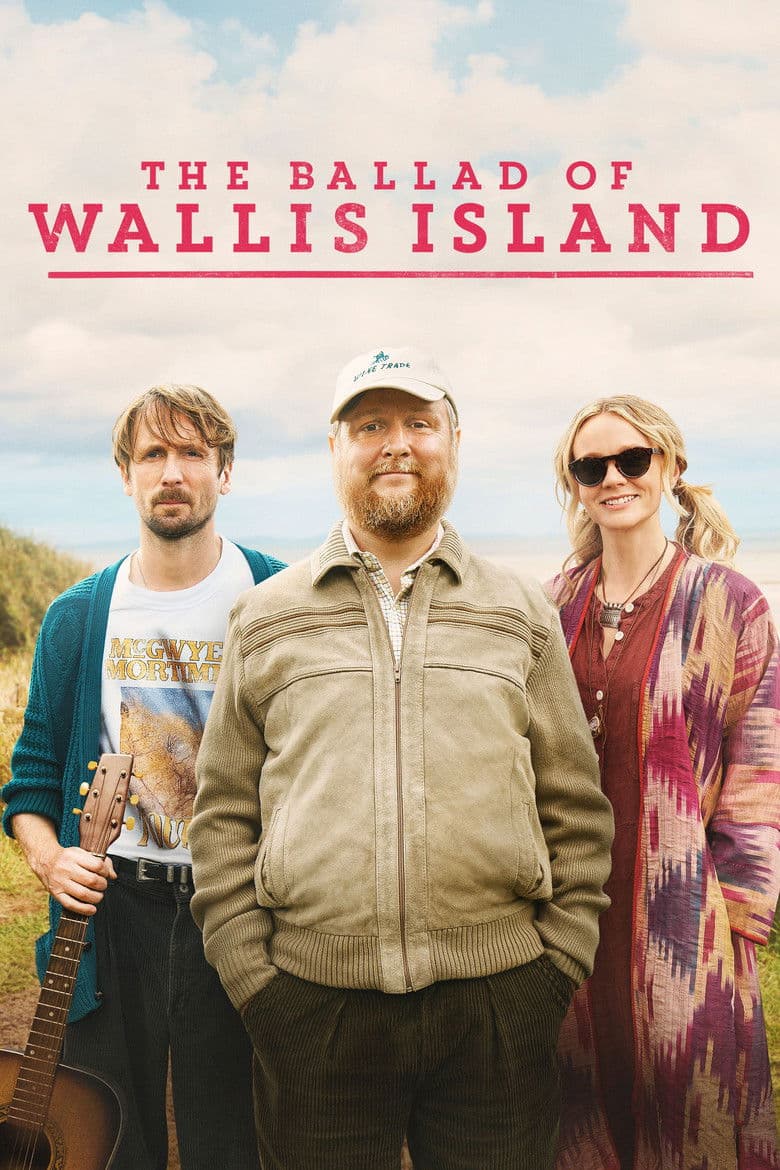
An eccentric lottery winner who lives alone on a remote island tries to make his fantasies come true by getting his favourite musicians to perform at his home.

Movie · 2018
The true story of Forrest Tucker, from his audacious escape from San Quentin at the age of 70 to an unprecedented string of heists that confounded authorities and enchanted the…
Movie · 2018
In 1990s Los Angeles, a 13-year-old spends his summer navigating between a troubled home life and a crew of new friends he meets at a skate shop.

Movie · 2025
Lily Trevino unexpectedly befriends an online stranger who shares her self-centered father’s name. This new Bob Trevino’s support could transform her life.
Movie · 2024
Emotions run high when three estranged sisters reunite in a cramped New York City apartment to watch over their ailing father during his final days.
