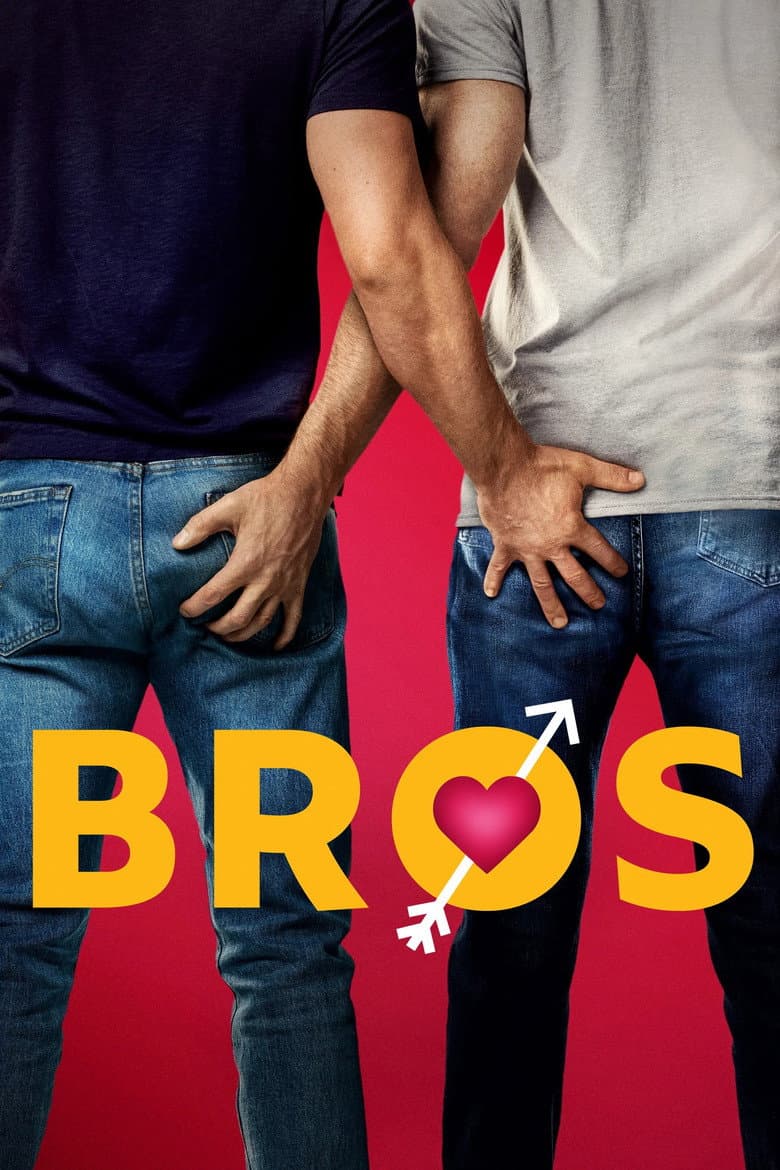
Set in New York City and Provincetown, Bros follows Bobby Leiber, a guarded gay podcaster who helps build a museum about LGBTQ history. Bobby prefers being single, but he meets Aaron, a kind lawyer who also avoids serious relationships. Their casual attraction becomes real love, and both men face fear, jealousy, family pressure, and the risk of changing their lives. The film uses an R-rated romantic comedy style with blunt jokes, sex talk, and warm but loud humor.
The movie makes gay identity central to its romance, workplace, and comedy. Bobby talks about gay history, dating, sex, social rules, and the pressure to seem acceptable to straight people. The museum plot keeps LGBTQ history and representation in the story, while the romance questions old ideas about masculinity and normal couples. The film also uses an openly LGBTQ main cast, with gay leads and many LGBTQ friends and co-workers. Bros treats these ideas as a source of pride and self-knowledge, while making fun of parts of gay culture and the pressure to fit one image of queer life.
Community feedback
Was our 89% Woke rating accurate?
Breakdown
These are the editorial factors and ratings behind our score for Bros.
Woke representation / casting
The film gives its two leading roles to gay men and uses an openly LGBTQ main cast, including LGBTQ actors in gay and straight roles. The casting makes identity part of the production’s message because the cast was publicly presented as a major milestone. The choice to make nearly every main performer LGBTQ turns casting into a clear identity statement. This focus is central to the film’s appeal.
86%
Woke political dialogue
Bobby repeatedly talks about LGBTQ history, gay rights, dating rules, and the pressure to make gay relationships look acceptable to straight people. The film argues that “love is love” can hide real differences in gay relationships and sex. Bobby also debates who gets represented by the museum and how gay culture is shown. The dialogue is woven through the romance, but the film does not focus on party politics or elections.
48%
Identity-driven story themes
The central romance follows two gay men who struggle with commitment, public identity, family expectations, and different ways of living openly. The museum project gives LGBTQ history a major place in the plot. The film treats queer love, sex, and community life as subjects that deserve a major studio comedy. The characters question the idea that gay couples should copy straight couples to be accepted. These themes are central from the first scene to the ending.
92%
Western institutional / cultural critique
The film mocks the pressure on gay men to act less gay around straight people. Bobby criticizes straight romantic comedies and the idea that male strength should look tough, quiet, and sexually dominant. Aaron’s family asks Bobby to tone himself down, and the conflict treats that demand as unfair. The museum scenes also question which parts of queer history get respect and funding. These critiques recur, but they stay inside a romantic comedy.
44%
Woke character or canon changes
Not relevant. Bros is an original story with no established characters, canon, or historical events that it changes. The film’s changes are part of its own plot.
0%
Anti-woke backlash and complaints
Some conservative social media posts called Bros a woke movie and said its diversity focus felt forced. Other right-leaning posts blamed the film’s identity message for its weak ticket sales. Mainstream coverage focused more on the opening, Eichner’s comments about straight viewers, and arguments over the marketing. The anti-woke criticism was real but mostly small and online.
18%
Creator track record context
The supplied creator context gives Billy Eichner a woke score of 85 and Nicholas Stoller a score of 55. Eichner is a central writer and lead, and his work strongly supports queer visibility and LGBTQ representation. Stoller has a moderate related record, while the supplied producer and casting scores are mostly low. The creative context adds strong support, but the whole team does not share the same level.
68%
Production
Movie · 2022
Peter and Emma thought they were on the precipice of life’s biggest moments – marriage, kids, and houses in the suburbs – until their respective partners dumped them.
Movie · 2024
In the summer of 1986, three sixteen year old friends spend their Saturdays sneaking into movies at the local multiplex.
Movie · 2023
On the brink of losing her childhood home, Maddie discovers an intriguing job listing: wealthy helicopter parents looking for someone to “date” their introverted 19-year-old son…
Movie · 2022
Two strangers believe in love but never seem to be able to find its true meaning. In a wild twist of events, fate puts each in the other's path on one stormy New Year's Eve.
Movie · 2020
An on-the-lam punk rocker and a young woman obsessed with a local band go on an unexpected and epic journey together through the decaying suburbs of the American Midwest.
Movie · 2023
A straight-laced bank manager is about to marry the love of his life. When his bank is held up by infamous Ghost Bandits during his wedding week, he believes his future in-laws…
Movie · 2016
A girl falls for the "perfect" guy, who happens to have a very fatal flaw: he's a hitman on the run from the crime cartels who employ him.

Movie · 2022
Students Hayley and James are young and in love. After saying goodbye for Christmas at a London train station, they both make the same mad split-second decision to swap trains and…
