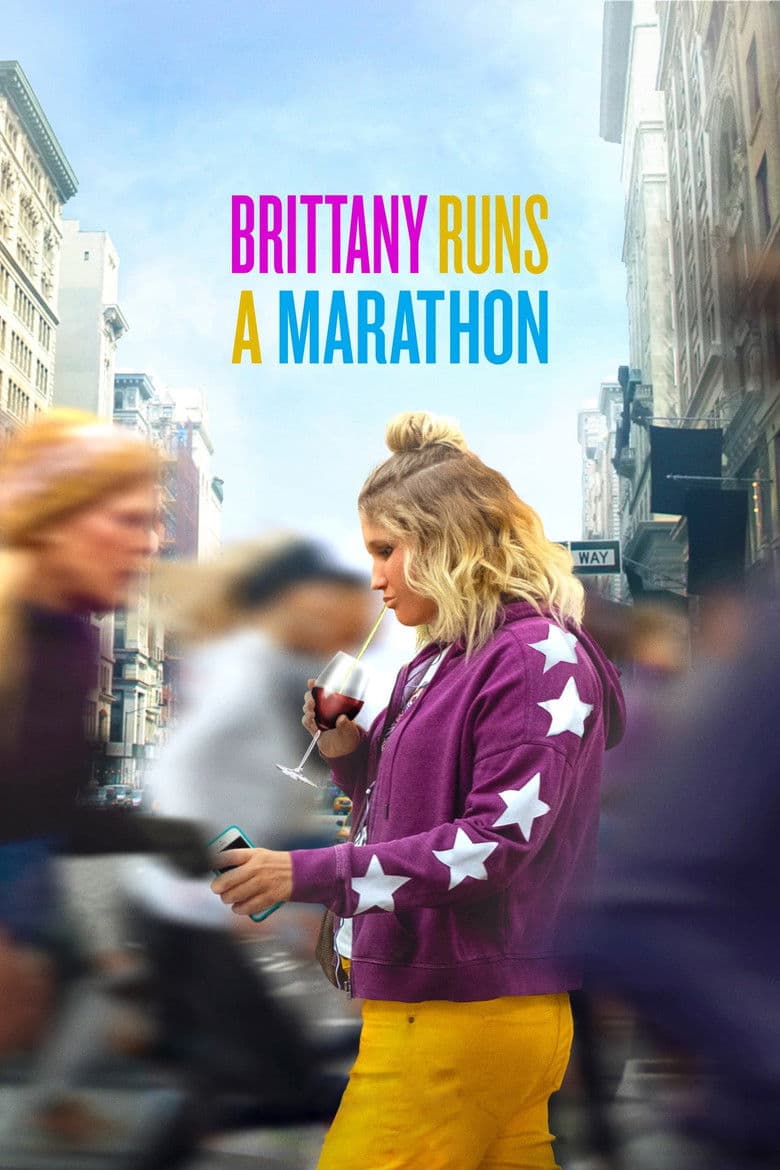
Brittany Forgler is a funny but stuck young woman living in New York City. She works a low-paid theater job, parties too much, misuses drugs, and depends on friends who do not treat her well. A doctor warns that her weight and health are putting her at risk, so she starts running because a gym costs too much. She begins with one painful block, then trains for the New York City Marathon with a neighbor and a new friend. The movie mixes sharp jokes with shame, setbacks, romance, and a serious story about taking responsibility.
The main woke elements center on body image, female self-worth, and the idea that a woman should stop being the funny fat friend and become the center of her own life. Brittany hears body-positive ideas about being loved at any size, while the film also shows her body changing and her life improving after she loses weight. The movie includes a gay running friend, his husband, and their children, and it treats their family as normal. These ideas are part of the main story, but the film does not turn them into a party or activist campaign.
Community feedback
Was our 52% Woke rating accurate?
Breakdown
These are the editorial factors and ratings behind our score for Brittany Runs a Marathon.
Woke representation / casting
The film uses a visibly mixed New York group, with a South Asian romantic lead, a black brother-in-law, an Asian roommate, and a gay best friend. Most of this mix fits a modern New York setting, so the casting is not a strong mismatch. The director also said it was important to show the gay friend with his husband and children, which makes representation part of the casting and character plan.
27%
Woke political dialogue
The doctor says some fat people are healthy but that Brittany’s own health is in danger. Brittany says he missed the point of the Dove ads about every size being beautiful. Jasmine says she chose happiness without waiting to look different. Demetrius says Brittany is changing her life by taking responsibility, not just losing weight. These ideas return in several key scenes, but the film does not stop for a long political speech.
43%
Identity-driven story themes
The story centers on a woman who changes her body, habits, friendships, work, and view of herself. Brittany fights the label of the funny fat friend and learns to put her own goals first. The film links weight, beauty, dating, and the way strangers treat her. The story also includes a gay friend’s ordinary marriage and family. These themes run through the movie, but the main message is personal responsibility rather than a broad activist campaign.
49%
Western institutional / cultural critique
The film shows people treating Brittany differently after she loses weight. The change points to beauty rules that place pressure on women. Brittany rejects being used as the fat friend and questions the shame placed on women who do not fit a thin ideal. The movie does not make a large attack on religion, family life, or Western institutions.
23%
Woke character or canon changes
Not relevant. The film is an original story based loosely on the director’s friend. It does not change a known character, franchise, or historical figure.
0%
Anti-woke backlash and complaints
Three small X accounts called the movie progressive, virtue-signaling, or propaganda, or said its weight-loss story might be treated as offensive today. The supplied X pass reports little or no engagement on those posts. Searches found no large anti-woke campaign or major news controversy, so the backlash remains fringe.
15%
Creator track record context
Director Paul Downs Colaizzo has a record of work about gender, sexuality, power, and representation. Jillian Bell has spoken about body image, women as leads, and pressure on actresses who do not fit standard beauty ideals. Most other producers and casting directors have little or unclear activist history. This gives the film moderate creator track record context, but it does not point to a team built around party politics.
34%
Production
Movie · 2023
A curmudgeonly instructor at a New England prep school is forced to remain on campus during Christmas break to babysit the handful of students with nowhere to go.
Movie · 2018
Vignettes weaving together the stories of six individuals in the old West at the end of the Civil War. Following the tales of a sharp-shooting songster, a wannabe bank robber, two…
Movie · 2022
After discovering a once-in-a-lifetime player with a rocky past abroad, a down on his luck basketball scout takes it upon himself to bring the phenom to the States without his…
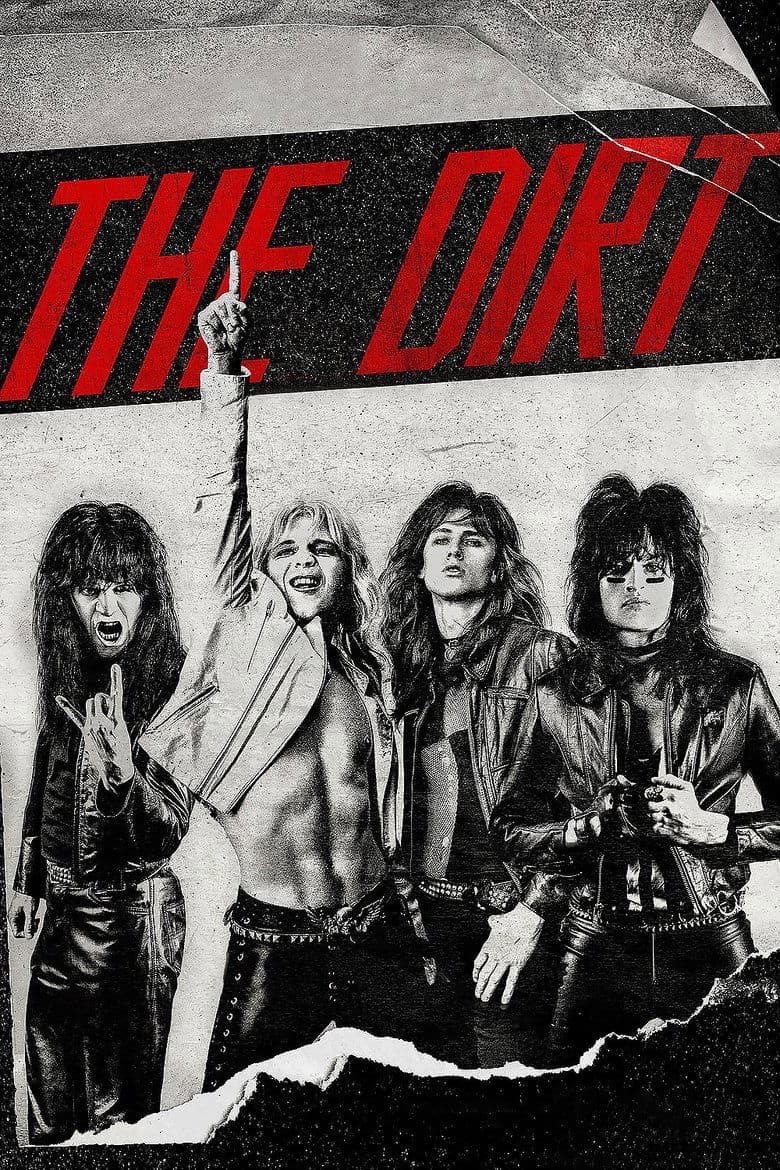
Movie · 2019
The story of Mötley Crüe and their rise from the Sunset Strip club scene of the early 1980s to superstardom.
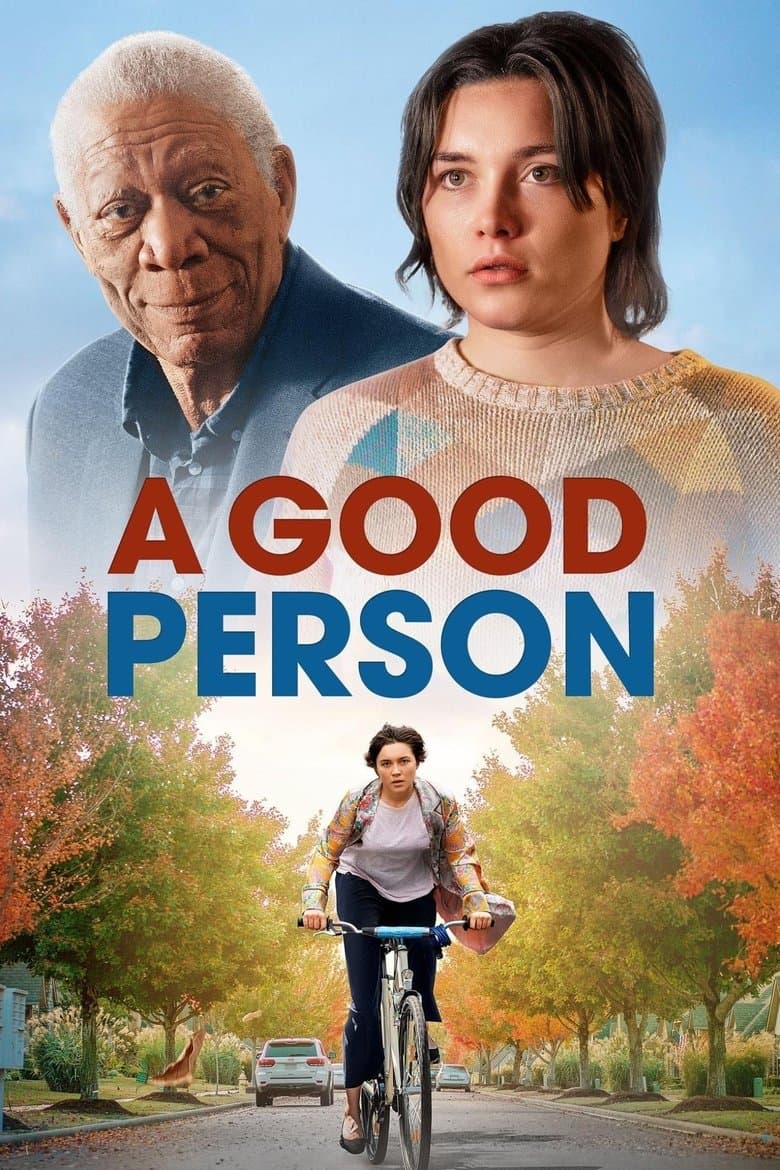
Movie · 2023
Allison's life falls apart following her involvement in a fatal accident. The unlikely relationship she forms with her would-be father-in-law helps her live a life worth living.
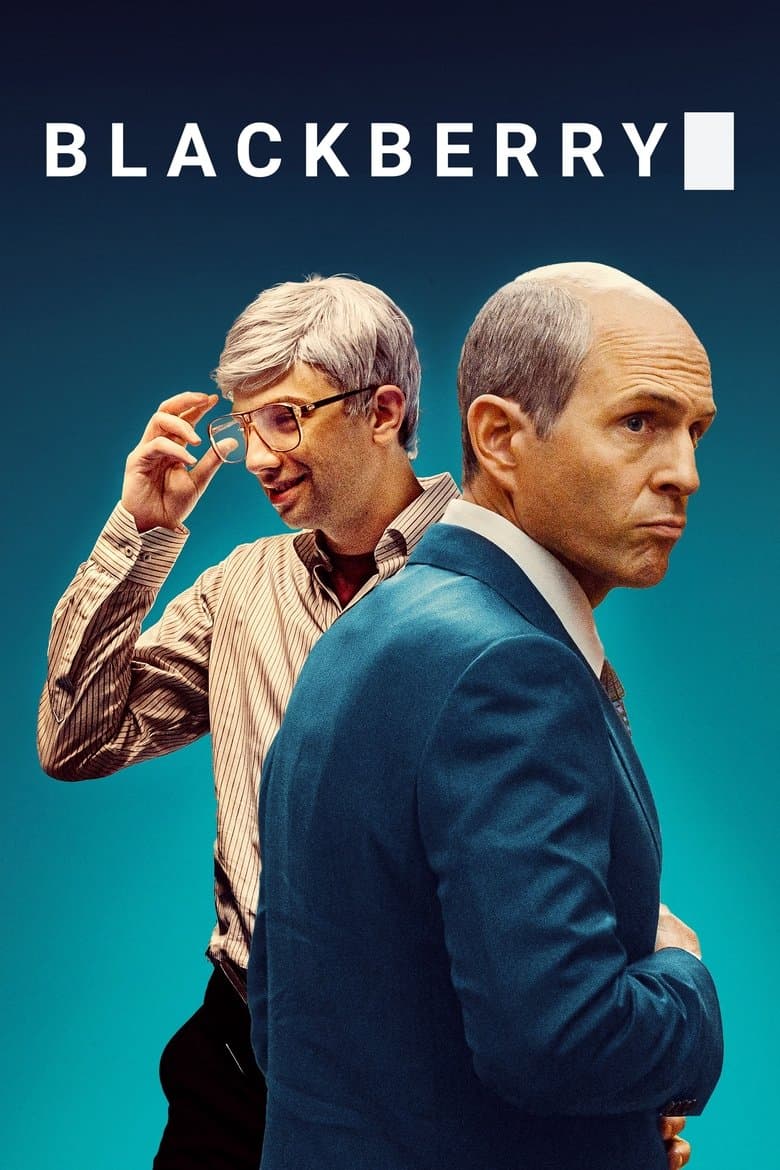
Movie · 2023
Two mismatched entrepreneurs – egghead innovator Mike Lazaridis and cut-throat businessman Jim Balsillie – joined forces in an endeavour that was to become a worldwide hit in…

Movie · 2019
A young Scottish singer, Rose-Lynn Harlan, dreams of making it as a country artist in Nashville after being released from prison.

Movie · 2024
When a construction worker unexpectedly joins a local theater's production of Romeo and Juliet alongside his estranged teenage daughter, the drama onstage starts to mirror his own…
