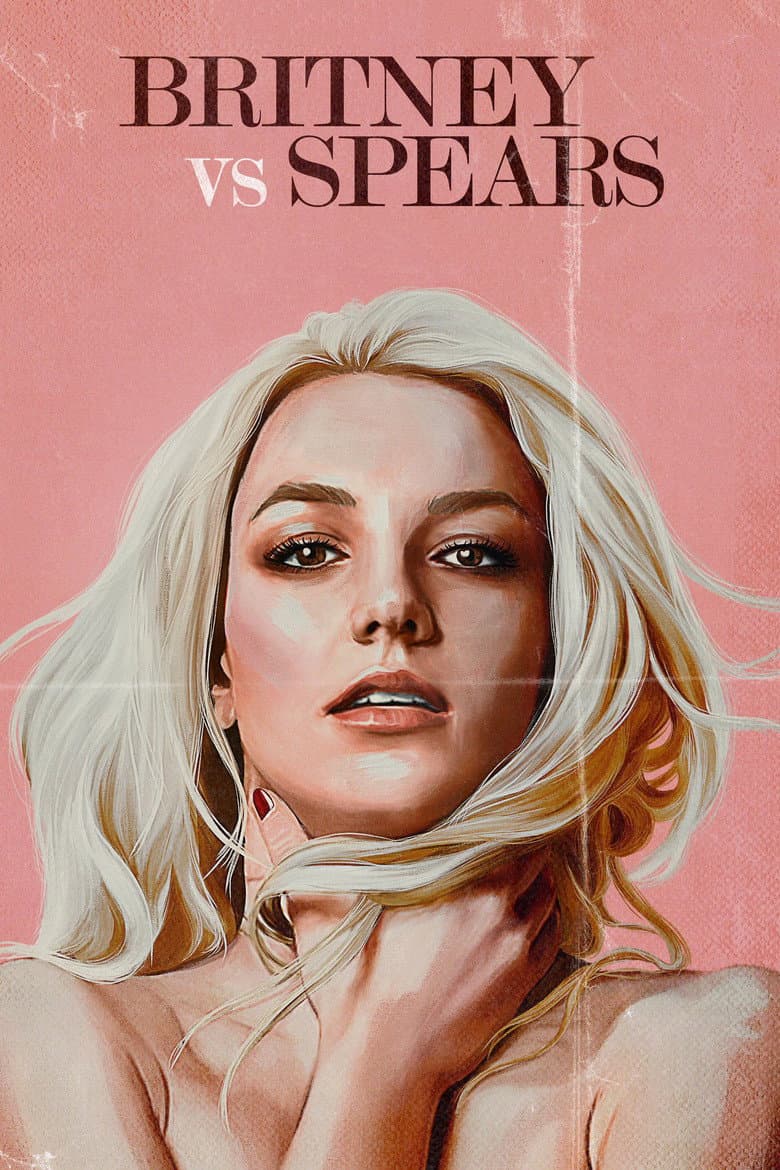
Britney vs. Spears follows pop singer Britney Spears as she tries to regain control of her life after a 2008 conservatorship puts her father in charge of her money, work, health care, and daily choices. The documentary moves from her rise as a teenage star through her marriage, divorce, custody fight, public mental health crisis, and years of work under the arrangement. Journalist Jenny Eliscu and filmmaker Erin Lee Carr use court papers, old footage, phone messages, letters, and interviews with people around Spears. The tone is serious and emotional, but it also uses a true-crime style as it traces a confusing legal and family fight.
The film makes female freedom and the silencing of a successful woman part of its main message. It calls the father-led power structure patriarchy and links Britney's case to mental health and disability rights. It also says that courts, lawyers, doctors, family members, managers, and the media helped keep control in place or profited from it. These ideas appear throughout the investigation, but the documentary stays focused on one celebrity's legal case instead of presenting a broad political program.
Community feedback
Was our 51% Woke rating accurate?
Breakdown
These are the editorial factors and ratings behind our score for Britney vs. Spears.
Woke representation / casting
Not present. The film uses Britney, her family, lawyers, journalists, former associates, doctors, and other real interviewees. Their identities are tied to the case, not to a diversity message.
0%
Woke political dialogue
The film includes one clear activist-style line that calls the father-led system “the patriarchy.” It also uses rights language about Britney losing control of her life, but most of that language explains the legal case rather than a broad political view. The political language is noticeable but brief.
25%
Identity-driven story themes
The film centers on a successful woman whose father and court system control her money, work, health care, movements, and contact with others. It presents her fight as a story about a woman controlling her own life and a powerful woman's voice being silenced. It links the case to mental health and disability rights, and the director calls it a study of patriarchy. The film also covers family, fame, custody, and legal procedure, so the identity message is important but not the only subject.
54%
Western institutional / cultural critique
The film repeatedly shows the court, lawyers, doctors, family, managers, and media taking or supporting control over Britney. It presents the father-led arrangement as a form of patriarchy and says California ignored warning signs. It also criticizes the entertainment system for profiting from her work while limiting her choices. These targets are tied to the real case, so the critique is strong but stays focused on this story rather than attacking all Western institutions.
46%
Woke character or canon changes
Not relevant. The documentary does not change Britney's race, gender, sexuality, or identity, and it does not replace a known person with another identity. Its edits and focus are normal documentary choices.
0%
Anti-woke backlash and complaints
Not present. No credible coverage or public posts accuse this film of pushing woke, DEI, identity politics, or left-wing ideas. The supplied X pass found no anti-woke reaction, and other discussion focused on Britney, the conservatorship, and film quality.
0%
Creator track record context
The director's past documentaries often cover mental health, sexual violence, and pressure placed on women. Several producers have made films about civil rights, voting rights, LGBTQ history, institutional abuse, and women's treatment in public life. Sarah Gibson and Dan Cogan have the strongest social-impact records in the supplied creator summaries, while other producers have more mixed records. This gives the project a moderate social-issue context, but it does not replace evidence from the film itself.
45%
Production
Movie · 2016
With stunning views of eruptions and lava flows, Werner Herzog captures the raw power of volcanoes and their ties to indigenous spiritual practices.
Movie · 2020
This documentary examines unidentified aerial phenomenon. With testimony from high-ranking government officials and NASA Astronauts, Senator Harry Reid says it "makes the…

Movie · 2025
37-year-old Sara Shahverdi, a motorcycle riding, land owning, former midwife-turned-fierce citizen advocate and recent divorcée, just won a landslide local election in her remote…
Movie · 2023
A short kid from a Canadian army base becomes the international pop culture darling of the 1980s—only to find the course of his life altered by a stunning diagnosis.

Movie · 2022
An enchanting making-of story told through all-new in-depth interviews and cast conversations, inviting fans on a magical first-person journey through one of the most beloved film…
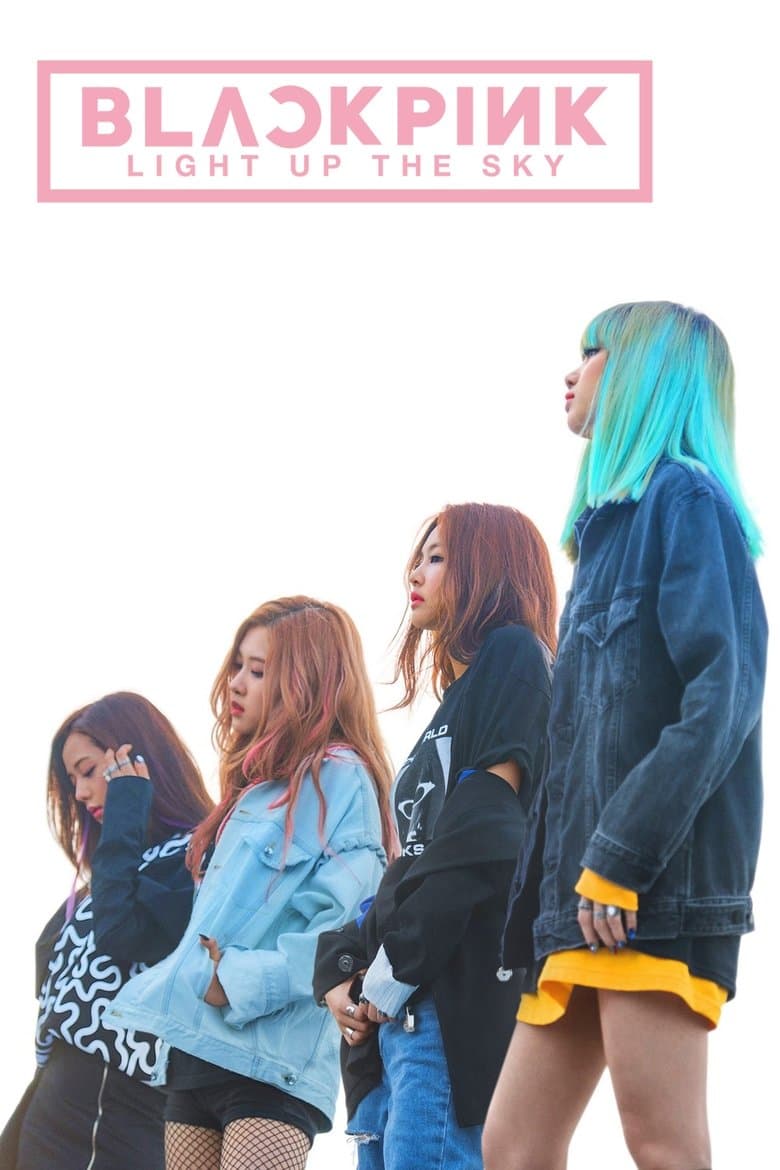
Movie · 2020
Record-shattering Korean girl band BLACKPINK tell their story — and detail the hard fought journey of the dreams and trials behind their meteoric rise.
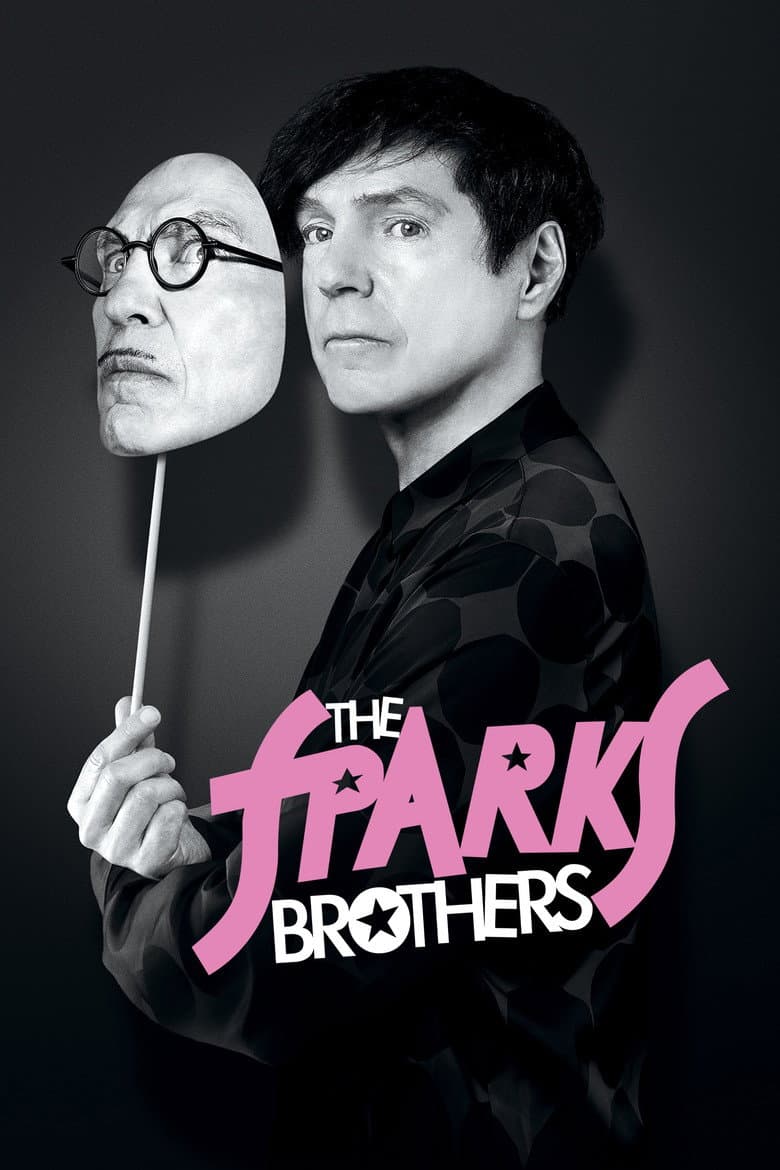
Movie · 2021
Take a musical odyssey through five weird and wonderful decades with brothers Ron & Russell Mael, celebrating the inspiring legacy of Sparks: your favorite band’s favorite band.

Movie · 2017
While investigating the furtive world of illegal doping in sports, director Bryan Fogel connects with renegade Russian scientist Dr.
