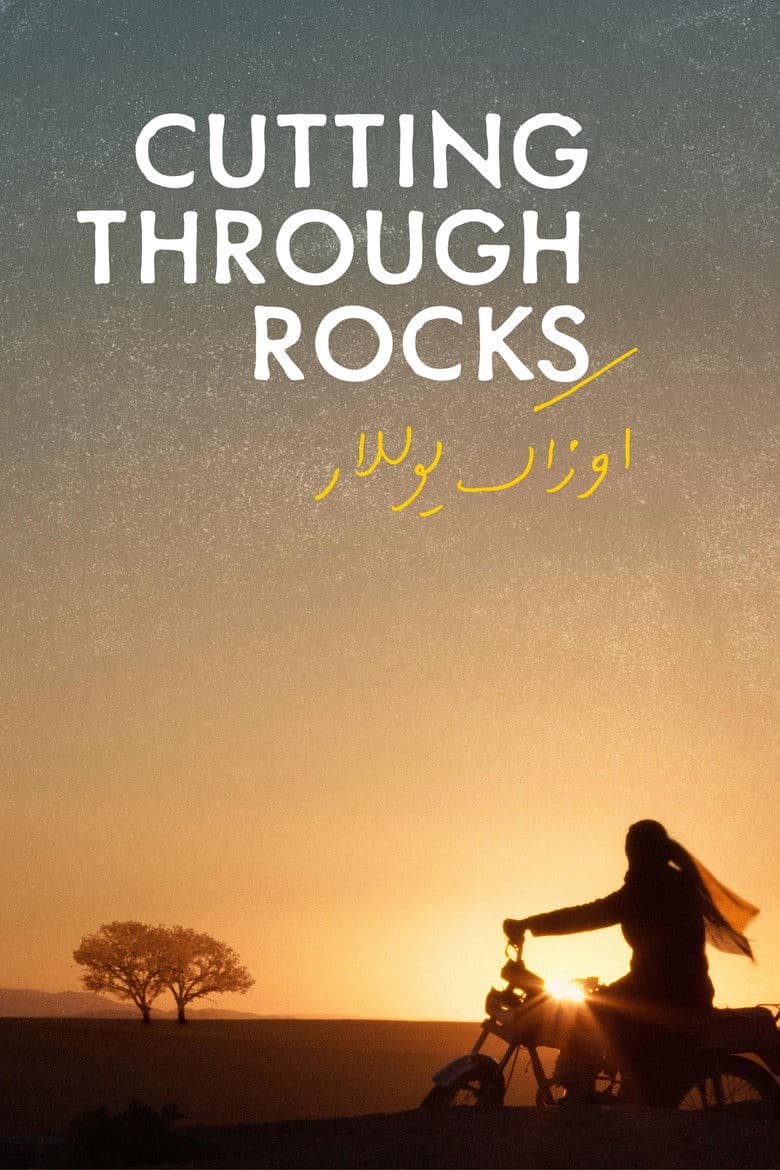
Cutting Through Rocks follows Sara Shahverdi, a divorced former midwife who lives alone in a remote village in northwestern Iran. She rides a motorcycle, owns land, and wins a seat on the local council as its first elected woman. Sara tries to bring gas lines and other basic services to the village while facing attacks from male relatives, council members, and local officials. The film has a patient, tense, and hopeful tone as small victories meet painful setbacks.
The story openly centers on Sara’s fight for women’s freedom and equal treatment. She urges girls to stay in school and wait before marriage, helps a teenage girl seek a divorce, and teaches girls to ride motorcycles. She also pushes husbands to share home ownership with their wives, which turns a village service project into a fight over women’s rights. The film presents old male-led rules, child marriage, and limits on women’s work and movement as harmful barriers. Its woke material is not a side issue because female leadership and resistance to patriarchy shape nearly every major event.
Community feedback
Was our 21% Woke rating accurate?
Breakdown
These are the editorial factors and ratings behind our score for Cutting Through Rocks.
Woke representation / casting
The film places a real woman in the highly visible role of the village’s first female council member. It presents her independence, motorcycle riding, and work with girls as signs of female empowerment. The focus comes from her real life in Iran, not from a made-up ensemble chosen to signal diversity.
20%
Woke political dialogue
Sara speaks at a women’s gathering about girls having no choice when they marry young. She tells schoolgirls to stay in school, delay marriage, and aim for college. She argues in council and court that women should own homes and help one another. These talks return through the film and directly guide her political work. This is not consider woke since it's talking place in a Iran.
10%
Identity-driven story themes
The film’s main story is Sara’s fight against rules that limit women. She pushes back on child marriage, teaches girls to ride motorcycles, and seeks shared home ownership for wives. The film follows a teenage girl who wants a divorce from a marriage arranged when she was 12. It presents female freedom, education, and public leadership as the hopeful answer to the village’s male-led traditions.
10%
Western institutional / cultural critique
The film repeatedly shows brothers, elders, and court officials limiting women’s choices. It treats child marriage, male control of property, and rules about how women should dress and live as harmful. The targets are local family, council, and court systems in Iran, not Western institutions, capitalism, or Christianity. The critique is recurring but tied closely to the film’s setting.
0%
Woke character or canon changes
Not relevant. The film follows a real woman and does not change a known character, canon, or historical event.
0%
Anti-woke backlash and complaints
Not present. No notable anti-woke complaints were found in news coverage, audience discussion, or web searches. The supplied X research pass also found no such reaction.
0%
Creator track record context
Sara Khaki has a record of social documentaries about gender equity and women’s rights. Mohammad Reza Eyni focuses on underrepresented communities and personal stories. Several producers have backed human rights, social justice, women’s rights, or gender equity projects. This background supports the film’s feminist focus.
35%
Production
Movie · 2023
The remarkable coming-of-age story of Stephen Curry—one of the most influential, dynamic, and unexpected players in basketball history—and his rise from an undersized college…
Movie · 2019
Constructed from over 500 hours of never-before-seen footage, this documentary centers on the personal life and career of the controversial football player Diego Maradona who…
Movie · 2017
While investigating the furtive world of illegal doping in sports, director Bryan Fogel connects with renegade Russian scientist Dr.
Movie · 2016
With stunning views of eruptions and lava flows, Werner Herzog captures the raw power of volcanoes and their ties to indigenous spiritual practices.
Movie · 2022
An enchanting making-of story told through all-new in-depth interviews and cast conversations, inviting fans on a magical first-person journey through one of the most beloved film…
Movie · 2020
When Washington Post journalist Jamal Khashoggi disappears after entering Saudi Arabia’s consulate in Istanbul, his fiancée and dissidents around the world are left to piece…
Movie · 2020
With this inventive portrait, director Kirsten Johnson seeks a way to keep her 86-year-old father alive forever.

Movie · 2021
Through exclusive interviews and archival footage, this documentary traces an intimate portrait of seven-time Formula 1 champion Michael Schumacher.
