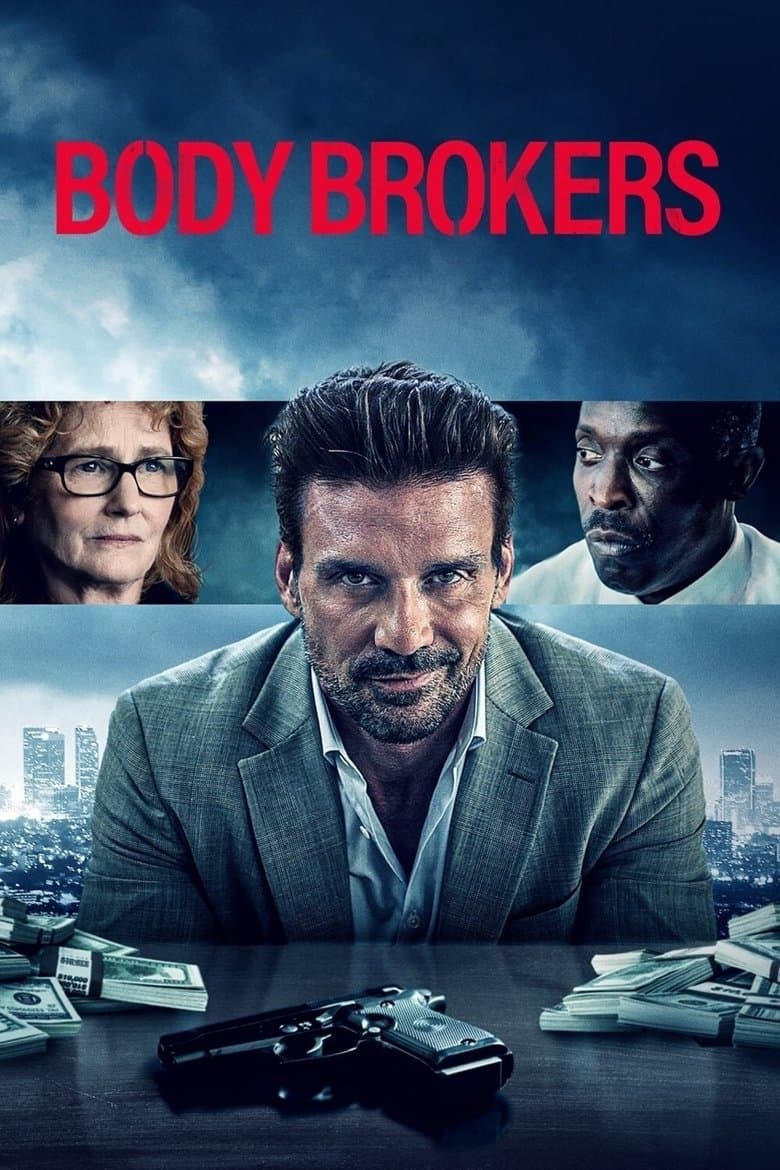
Utah and Opal are young heroin addicts living on the streets of rural Ohio. A man named Wood offers Utah a way into rehab in Los Angeles, but the offer hides a business that treats addicts as sources of money. Utah gets clean, learns how the scheme works, and starts bringing in new patients for Wood and Vin. The film has a bleak crime thriller tone, with drug use, violence, sex work, and a dark view of recovery.
The film's main social message targets profit-driven health care and private rehab centers. It shows insurance money, paid referrals, needless treatment, and repeat relapse turning sick people into products. Utah faces a moral choice between getting rich and protecting Opal, while Wood and Vin put money ahead of recovery. The story ends with overdose warnings and praise for free twelve-step programs, so its criticism aims at greed and a broken treatment system rather than race, gender, or sexuality.
Community feedback
Was our 25% Woke rating accurate?
Breakdown
These are the editorial factors and ratings behind our score for Body Brokers.
Woke representation / casting
Not present. The film uses a mixed cast in modern Ohio and Los Angeles, but it does not present race, gender, or diversity as a message. No role is framed as a representation milestone.
0%
Woke political dialogue
Not present. Characters explain the Affordable Care Act and insurance rules, but those lines describe the scam and do not push identity, gender, DEI, or activist ideas.
0%
Identity-driven story themes
Not present. The story follows addiction, recovery, greed, and betrayal. It does not build its conflict around race, gender, sexuality, or group identity.
0%
Western institutional / cultural critique
The film repeatedly attacks a modern treatment system that turns sick people into paid referrals. The rehab owners, doctors, insurers, and brokers put money before recovery. The opening facts and final warning present the problem as a failure of health care rules and profit-driven business. The message is a strong institutional and anti-capitalist critique, but it does not focus on race, gender, religion, or current identity politics.
45%
Woke character or canon changes
Not relevant. The film is not an adaptation of a known story and does not change established characters or historical figures. The plot is a fictionalized account rooted in Swab's personal experience.
0%
Anti-woke backlash and complaints
Not present. Audience discussion reviewed the rehab scam, recovery realism, and film quality, not a charge that the movie pushes woke or DEI ideas. The supplied X research also found no anti-woke complaints.
0%
Creator track record context
John Swab's supplied record centers on crime, addiction, recovery, and people living on the margins. The only notable activist signal is a mild anti-capitalist frame around this film, not identity politics. Most listed creators have little or no recorded DEI work. A few producers have diversity or queer-focused work in other films, but no clear link to this movie's story appears.
8%
Production

Movie · 2025
When a mentally ill young man thinks he witnesses an abduction and the police refuse to believe him, he reluctantly turns to his next door neighbor – a bitter, retired security…

Movie · 2021
Ten years after he was last seen, a vicious mob enforcer returns home to find his son and methodically track down the gang that double-crossed him.
Movie · 2024
While awaiting the next fuel truck at a middle-of-nowhere Arizona rest stop, a traveling young knife salesman is thrust into a high-stakes hostage situation by the arrival of two…

Movie · 2017
The story of the kidnapping of 16-year-old John Paul Getty III and the desperate attempt by his devoted mother to convince his billionaire grandfather Jean Paul Getty to pay the…

Movie · 2021
An ambitious carnival man with a talent for manipulating people with a few well-chosen words hooks up with a female psychologist who is even more dangerous than he is.
Movie · 2023
Robert McCall finds himself at home in Southern Italy but he discovers his friends are under the control of local crime bosses.

Movie · 2019
A charismatic New York City jeweler always on the lookout for the next big score makes a series of high-stakes bets that could lead to the windfall of a lifetime.
Movie · 2019
In 1934, Frank Hamer and Manny Gault, two former Texas Rangers, are commissioned to put an end to the wave of vicious crimes perpetrated by Bonnie Parker and Clyde Barrow, a…
