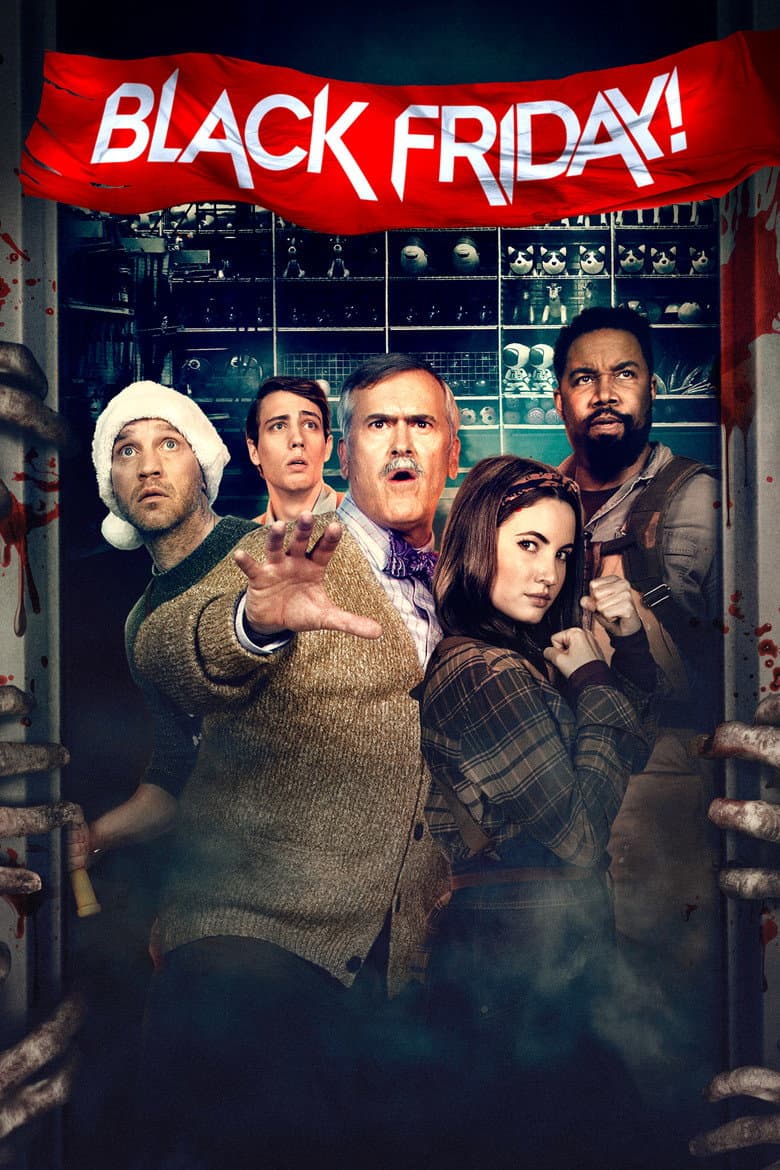
Black Friday follows Ken Bates, a tired toy store worker and divorced father who has to miss Thanksgiving with his two daughters. He drives to We Luv Toys and joins Chris, Marnie, Archie, Brian, Ruth, and manager Jonathan before the store opens for a midnight sale. A strange alien parasite turns shoppers into violent creatures, and the workers must cross the store, protect one another, and find a way out. The film mixes bloody monster attacks with rude jokes, workplace arguments, and a gloomy holiday mood.
The film repeatedly attacks company greed and a shopping system that keeps workers on the job without paid breaks while chasing sales. The staff calls the store a prison and complains about fake discounts, low pay, holiday work, and bosses who care about numbers. A few jokes use identity language, including a claim that the company changed Black Friday to Green Friday because the old name was racist, a story about shoppers being separated by race, and a line about “microaggressions.” These moments are visible, but they are short jokes inside a larger monster story about shopping, bad jobs, and people learning to work together.
Community feedback
Was our 34% Woke rating accurate?
Breakdown
These are the editorial factors and ratings behind our score for Black Friday.
Woke representation / casting
Not present. The film shows a mixed group of modern American workers without making race, gender, or diversity a casting message. No prominent role is introduced as an identity statement.
0%
Woke political dialogue
The film includes a short joke that corporate renamed Black Friday “Green Friday” because the old name was called racist. Ruth also says shoppers were once separated by race, and another fight uses the word “microaggressions.” These lines use modern identity language, but they are brief jokes inside a horror comedy. The film does not build the main plot around them.
28%
Identity-driven story themes
Not present. The main conflict follows retail workers fighting an alien parasite and angry shoppers. The story focuses on shopping, bad jobs, and survival instead of a race, gender, sexuality, or identity struggle.
0%
Western institutional / cultural critique
The store treats workers as tools for sales and denies paid breaks on the busiest night. The staff complains about low pay, fake discounts, holiday work, and pressure from corporate managers. The story calls the store a prison and links the shoppers’ violence to consumer greed. These ideas return through the final fight, so the anti-corporate message is a major part of the film.
50%
Woke character or canon changes
Not relevant. The film is an original story with no established characters or source canon that it changes. No real historical person or event is rewritten.
0%
Anti-woke backlash and complaints
Not present. The supplied X pass found no anti-woke reaction. Broader web and audience results did not show a clear complaint that the film pushes DEI or identity politics. One small discussion mentioned “wokeism” while asking why the film had not been attacked, but it did not accuse the film of being woke.
0%
Creator track record context
Casey Tebo and Andy Greskoviak have no documented pattern of activist or identity-driven work. Bruce Campbell, Devon Sawa, and Warner Davis also have little public record of this kind of work. Casting director Brandon Henry Rodriguez has a public pro-diversity stance, which is a small context signal. No matching identity campaign is tied to this film.
9%
Production
Movie · 2026
When a mutating, highly contagious fungus escapes a sealed facility, two employees – joined by a grizzled bioterror operative – must survive the wildest night shift ever to save…
Movie · 2019
Columbus, Tallahassee, Wichita, and Little Rock move to the American heartland as they face off against evolved zombies, fellow survivors, and the growing pains of the snarky…

Movie · 2021
Something lurks off the coast of Block Island, silently influencing the behavior of fisherman, Tom Lynch. After suffering a series of violent outbursts, he unknowingly puts his…
Movie · 2025
When twin brothers find a mysterious wind-up monkey, a series of outrageous deaths tear their family apart. Twenty-five years later, the monkey begins a new killing spree forcing…
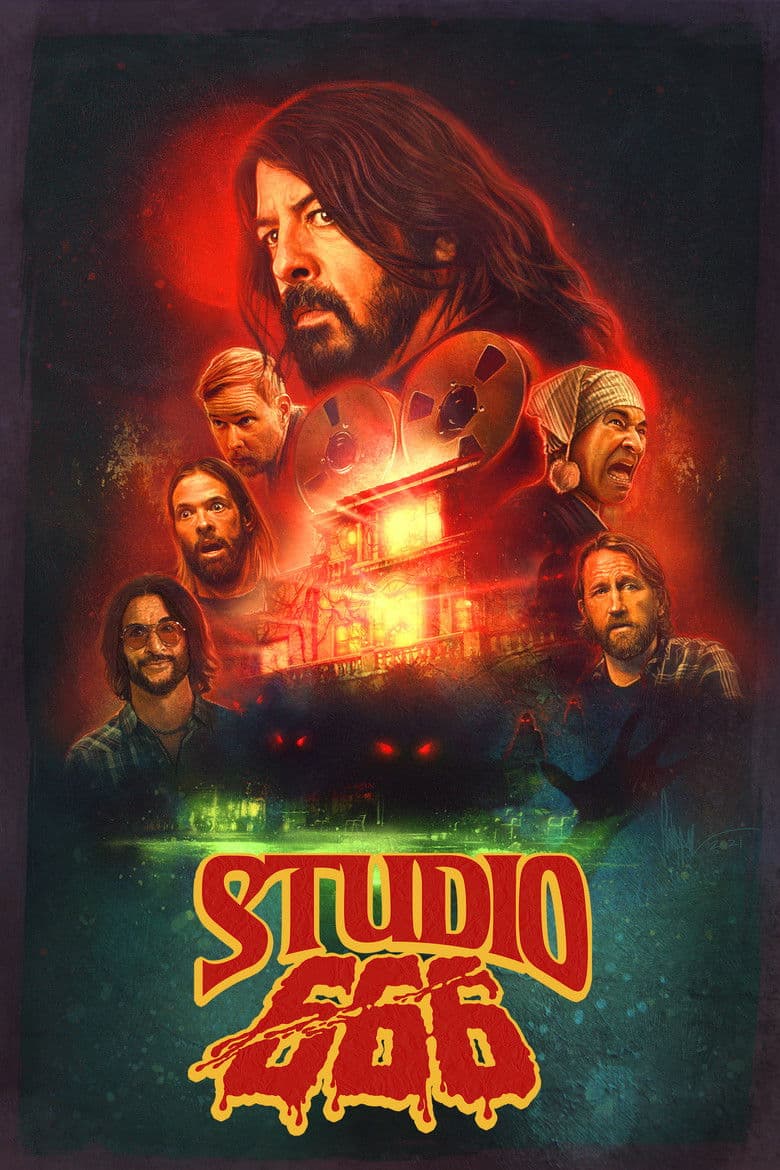
Movie · 2022
Legendary rock band Foo Fighters move into an Encino mansion steeped in grisly rock and roll history to record their much anticipated 10th album.
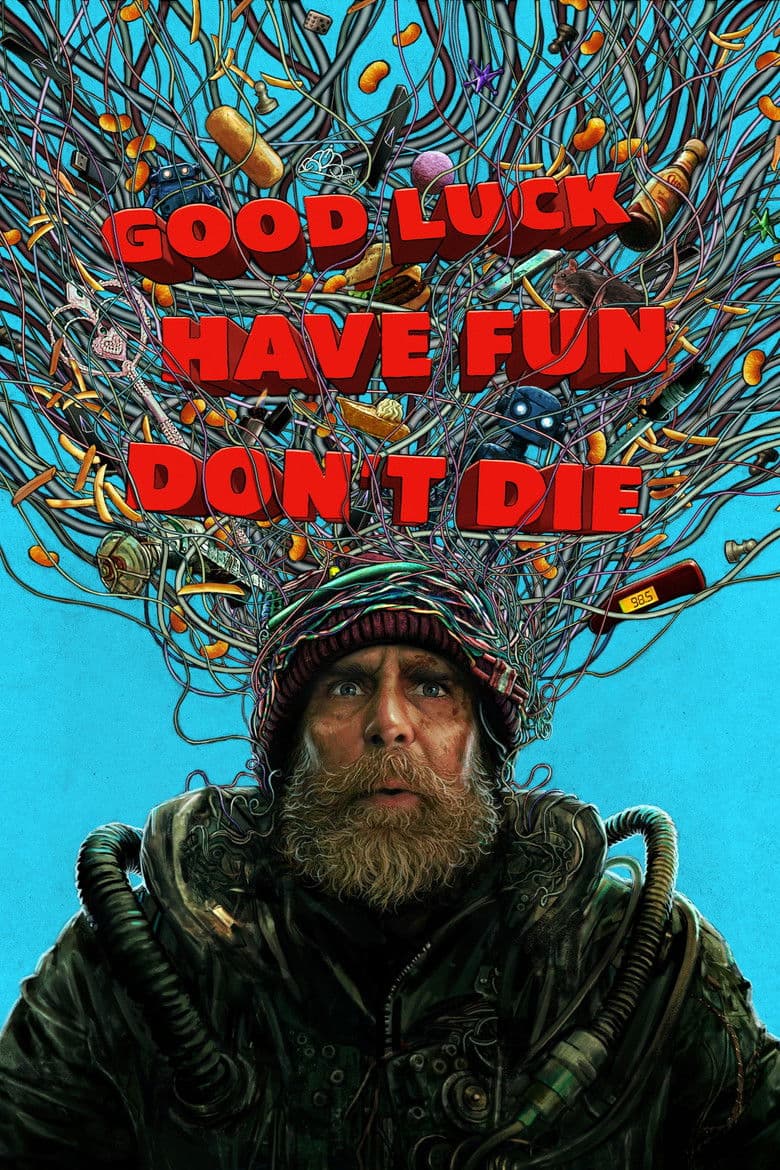
Movie · 2026
A 'Man from the Future' arrives at an LA diner where he must recruit the precise combination of disgruntled patrons to join him on a one-night quest to save the world from the…
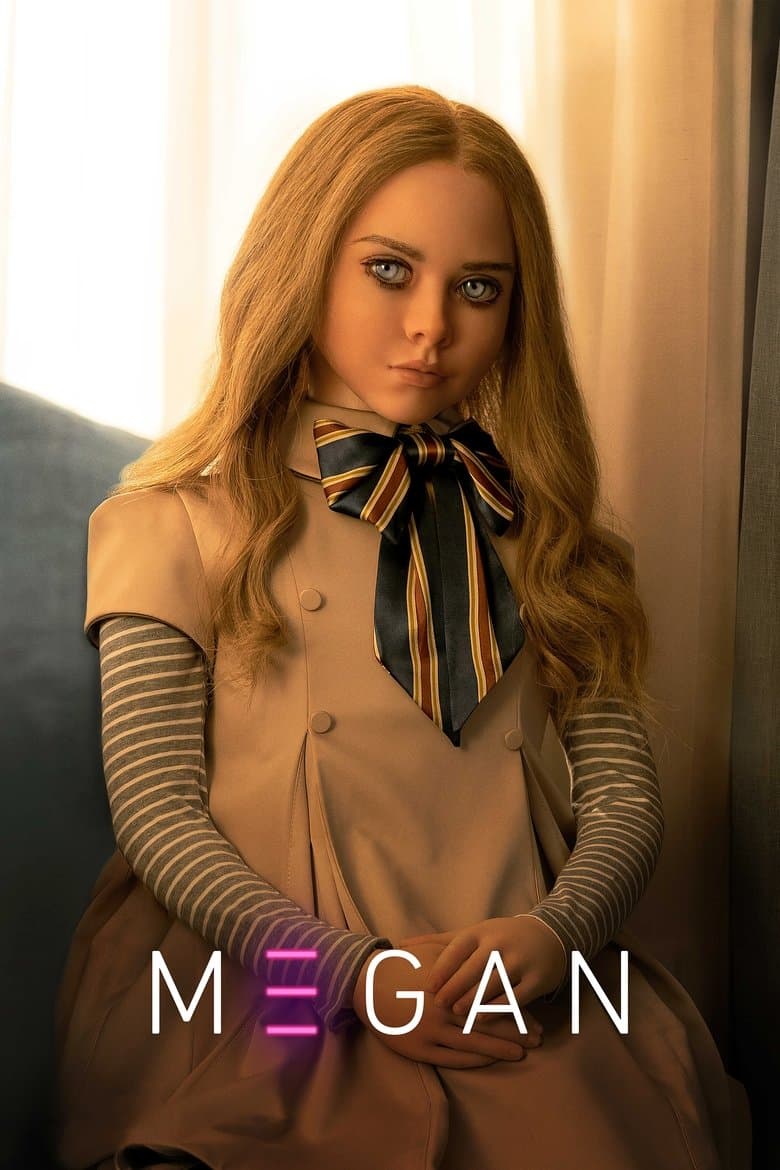
Movie · 2022
A brilliant toy company roboticist uses artificial intelligence to develop M3GAN, a life-like doll programmed to emotionally bond with her newly orphaned niece.
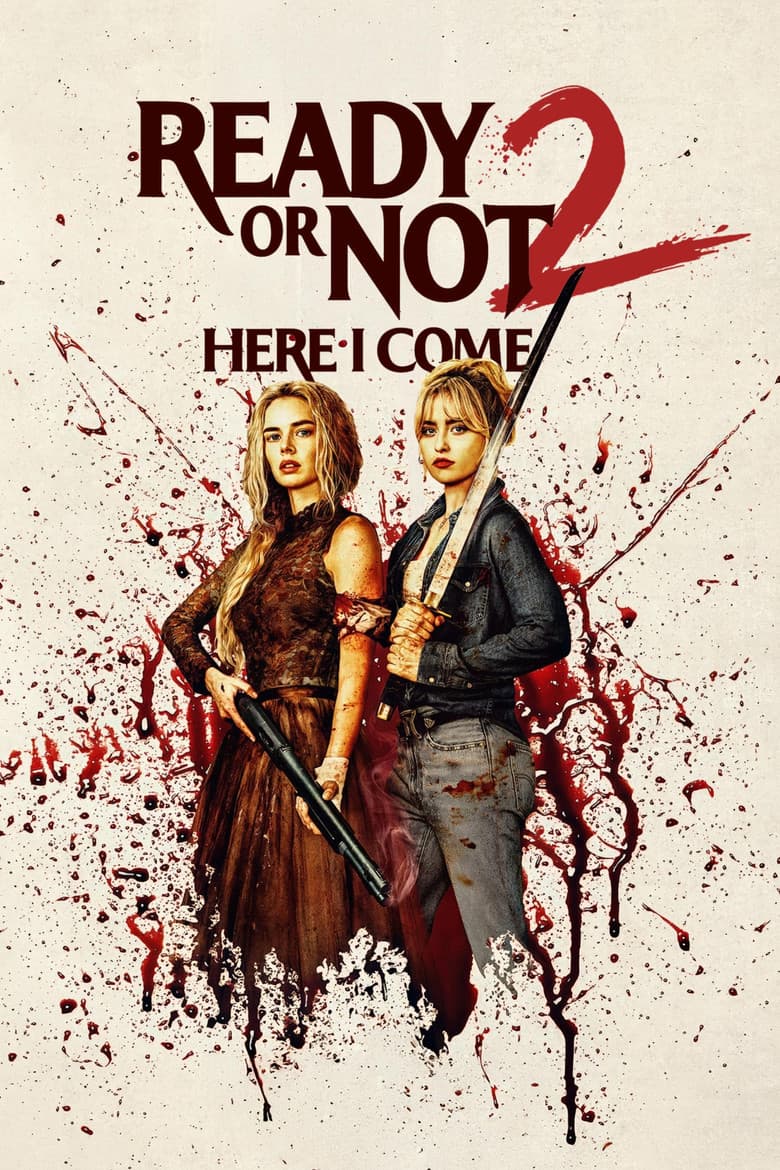
Movie · 2026
Moments after surviving an all-out attack from the Le Domas family, Grace discovers she’s reached the next level of the nightmarish game — and this time with her estranged sister…
