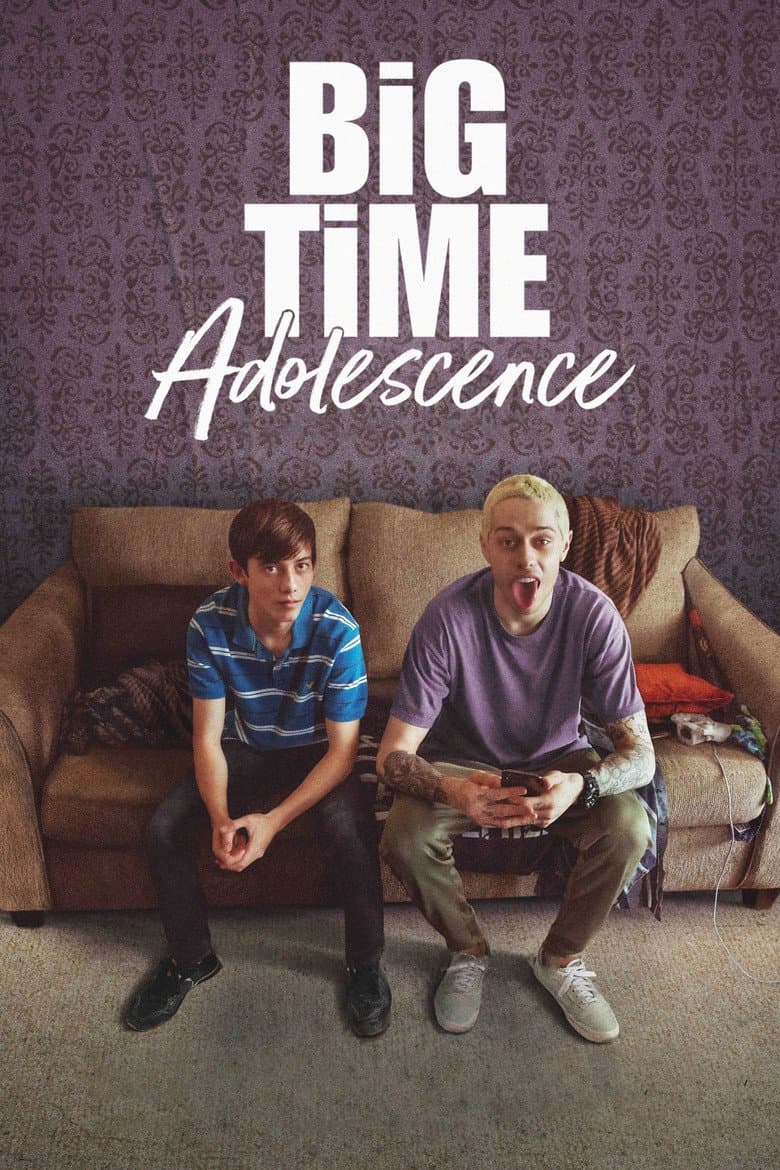
Sixteen-year-old Monroe “Mo” Harris lives with his caring parents in suburban New York, but he spends most of his time with Zeke, his 23-year-old sister’s former boyfriend. Zeke is charming, jobless, and stuck in a party life built around weed, alcohol, and bad plans. He brings Mo into drug selling, older teen parties, and careless dating advice because he wants Mo to feel grown up, even though he keeps making Mo’s life worse. Mo loses control of his school life, his first romance, and his trust in Zeke before he finally faces the results of his choices. The movie uses rough jokes and sad moments to tell a warm but uneasy story about friendship, bad examples, and becoming an adult.
The clearest woke material comes from the dating story, not from a political plot. Zeke teaches Mo to treat girls as targets and to make Sophie chase him, while Holly calls his advice disgusting and says Mo should be himself. Kate, Holly, and Sophie are more aware of the men’s selfish behavior, and each woman pushes back against a male character’s lies, cheating, or careless advice. These scenes give the movie a mild identity-driven message about respect between men and women, but that message stays inside a larger story about drugs, bad friendship, family limits, and personal consequences.
Community feedback
Was our 33% Woke rating accurate?
Breakdown
These are the editorial factors and ratings behind our score for Big Time Adolescence.
Woke representation / casting
Not present. The main cast is mostly white with a few varied side roles, which does not create a clear representation pattern for this setting. The film does not frame its casting as a diversity or identity statement.
0%
Woke political dialogue
Zeke tells Mo to ignore a girl so she will feel confused and sleep with him. Holly calls this advice disgusting and says Mo should be himself. Sophie rejects Mo after he follows Zeke’s advice and treats her badly. These lines give a mild spoken message about respect in dating, but the film does not make it a political speech.
28%
Identity-driven story themes
Mo’s main lesson is that an older man’s careless ideas about women can hurt other people. Kate, Holly, and Sophie each understand the men’s selfish behavior better than the men do, and they push back against it. The film repeatedly shows male characters as childish, dishonest, or unsure while the women set clearer limits. This is a noticeable but secondary gender message inside a story mainly about drugs, friendship, and growing up.
32%
Western institutional / cultural critique
The film criticizes male entitlement in dating through Zeke’s advice and Mo’s bad choices. Holly and Sophie reject the idea that women should be controlled through silence, cheating, or pickup tricks. Kate also tells Zeke that he is using Mo to feel important. The movie does not attack parents, religion, capitalism, or other Western institutions, so this remains a mild gender critique.
31%
Woke character or canon changes
Not relevant. The movie is an original story and does not change established characters, source material, or real figures.
0%
Anti-woke backlash and complaints
Not present. The X pass found no anti-woke reaction. Web and Reddit discussion focuses on the friendship, drugs, age gap, sexual situation, and ending, not on woke, DEI, or identity politics.
0%
Creator track record context
Jason Orley has a low-key public record with no lasting activist pattern. Pete Davidson has supported transgender rights and criticized conservative politicians, but his public work is mainly comedy and personal stories. Producer Will Phelps has backed teen films about abortion access, queer romance, and body image. The other listed creators show little public evidence of activist or DEI work, so the context is a low supporting signal.
23%
Production
Movie · 2020
Scott has been a case of arrested development ever since his firefighter father died when he was seven. He's now reached his mid-20s having achieved little, chasing a dream of…
Movie · 2023
Single mom Flora is at a loss about what to do with her rebellious teenage son, Max. Her efforts to keep him out of trouble lead to a beat-up acoustic guitar, a washed-up LA…

Movie · 2024
Mismatched cousins David and Benji reunite for a tour through Poland to honor their beloved grandmother. The adventure takes a turn when the pair's old tensions resurface against…

Movie · 2016
Two high school girls are best friends until one dates the other's older brother, who is totally his sister's nemesis.
Movie · 2016
An improv group deals with several crises, including the loss of their lease and one member hitting the big time.
Movie · 2019
The story of Mötley Crüe and their rise from the Sunset Strip club scene of the early 1980s to superstardom.
Movie · 2023
Two mismatched entrepreneurs – egghead innovator Mike Lazaridis and cut-throat businessman Jim Balsillie – joined forces in an endeavour that was to become a worldwide hit in…
Movie · 2018
Thirteen-year-old Kayla endures the tidal wave of contemporary suburban adolescence as she makes her way through the last week of middle school — the end of her thus far…
