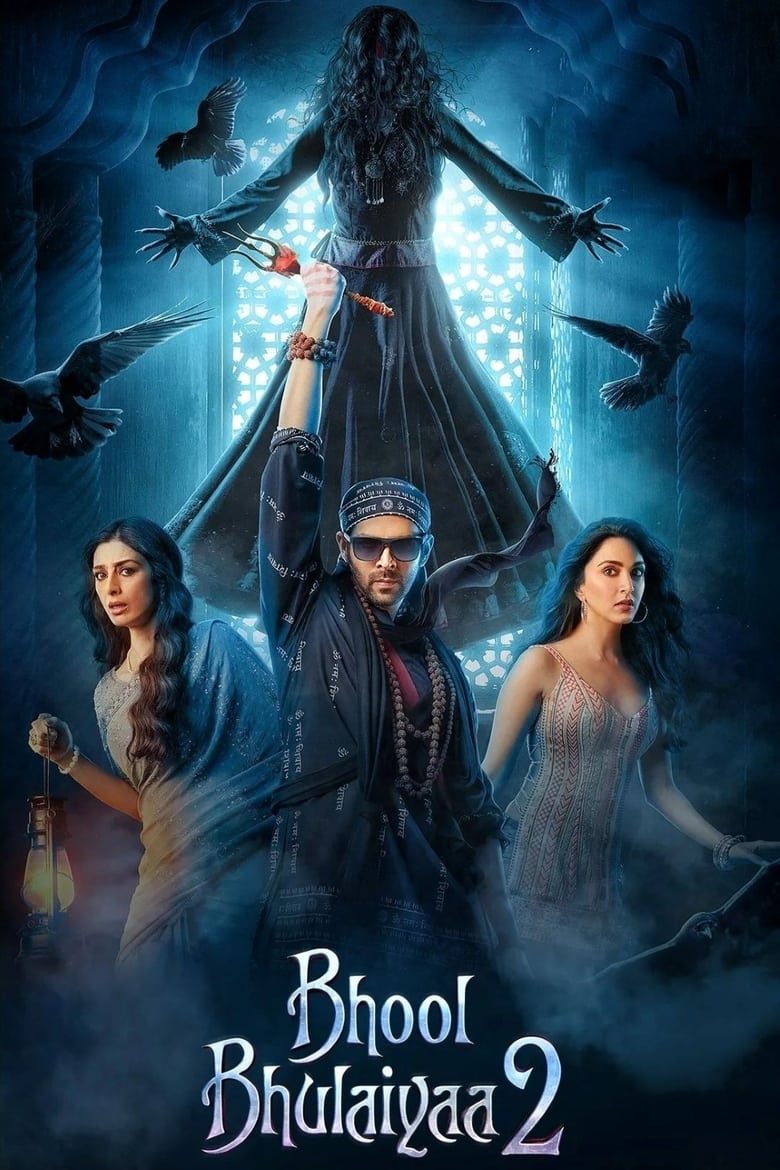
Bhool Bhulaiyaa 2 follows Ruhan, a wandering young man who pretends to speak with ghosts. He meets Reet, a medical student who wants to escape her arranged wedding. They return to her family’s old palace in Rajasthan after her family believes she has died in a bus crash. The family hires Ruhan to deal with Manjulika, a spirit trapped in the palace. The film mixes haunted-house scares, loud jokes, romance, and family drama. The story gives much of its mystery to two women from the same royal family. The film presents one woman as obedient and good and the other as rebellious, jealous, and dangerous. It links the ghost’s anger to love, freedom, family control, and a woman’s place in marriage. Men are often foolish, dishonest, or unable to understand what is happening. These ideas are noticeable, but they support the horror mystery instead of becoming a modern political message.
Community feedback
Was our 26% Woke rating accurate?
Breakdown
These are the editorial factors and ratings behind our score for Bhool Bhulaiyaa 2.
Woke representation / casting
Not present. The main cast fits an Indian story set in Rajasthan. The film does not show a clear diversity-first pattern or identity-based casting message.
0%
Woke political dialogue
Not present. The film uses religious jokes and insults for comedy, but it does not contain modern identity, DEI, or activist speeches.
0%
Identity-driven story themes
The film builds its mystery around two women with opposite roles in the same family. The story links Manjulika’s anger to love, freedom, marriage, and family control. The film also shows men as foolish or unable to understand the women’s hidden story. These ideas recur through the mystery, but they do not dominate the whole movie.
30%
Western institutional / cultural critique
The film shows a family built around obedience, marriage, and control by older men. The story treats some of those rules as harmful to the women involved. The film does not turn this conflict into a modern activist attack on men, family life, or Western institutions.
15%
Woke character or canon changes
Not relevant. The sequel changes the plot and creates new twin characters, but it does not make a race, gender, or sexuality swap. It keeps Manjulika as a female supernatural figure.
0%
Anti-woke backlash and complaints
OpIndia published a release-period complaint about Hindu pandits, Ram and Krishna references, and jokes linked to Hindu religious practice. X research found repeated versions of the same complaint across several right-leaning accounts. The criticism had some reach but did not become an organized campaign or major national controversy. A few LGBT claims came from small accounts and had little pickup.
25%
Creator track record context
Anees Bazmee and Aakash Kaushik have mainly made commercial Hindi entertainment. Farhad Samji and the producers also lack a strong public record of activist or identity-focused work. Mukesh Chhabra has an access-focused casting record, but no clear identity campaign is tied to this film.
10%
Production
Movie · 2019
Columbus, Tallahassee, Wichita, and Little Rock move to the American heartland as they face off against evolved zombies, fellow survivors, and the growing pains of the snarky…
Movie · 2024
A family's vacation to a remote getaway takes an unexpected turn when they discover the present-day implications of the island's cannibalistic past.
Movie · 2022
Legendary rock band Foo Fighters move into an Encino mansion steeped in grisly rock and roll history to record their much anticipated 10th album.

Movie · 2025
When twin brothers find a mysterious wind-up monkey, a series of outrageous deaths tear their family apart. Twenty-five years later, the monkey begins a new killing spree forcing…
Movie · 2026
After breaking the mysterious "One Wish Willow" to win his crush's heart, a hopeless romantic finds himself getting exactly what he asked for but soon discovers that some desires…

Movie · 2025
After escaping from a mental hospital, a violent sociopath named Paul begins a dangerous rampage targeting Sofia, a world-famous pop star.
Movie · 2016
Ronnie runs a Disco walking tour with his son, Brayden. When a sexy woman takes the tour, it begins a competition between father and son for her love.
Movie · 2020
Two years after defeating a satanic cult led by his babysitter Bee, Cole's trying to forget his past and focus on surviving high school.
