Movie review
January 12, 2018 · 78 min · R · Sci-Fi · Animation · Action · Thriller
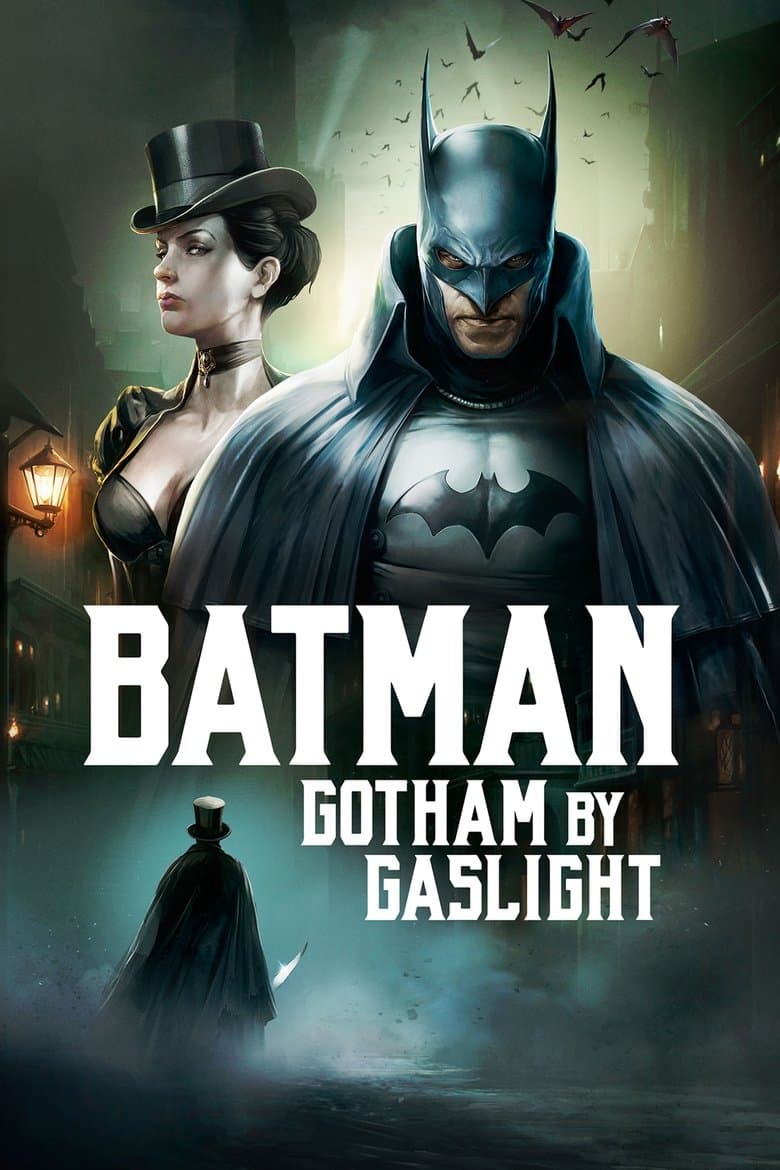
Bruce Wayne returns to a smoky Gotham in an alternate Victorian age and secretly becomes Batman. Jack the Ripper begins killing poor women while the city prepares for a grand World's Fair. Batman investigates the murders, but the police suspect that he is the killer. The story mixes detective work, grim horror, steampunk machines, and fast fights.
Selina Kyle is a stage singer who also hunts the killer and speaks for women the city ignores. The police and rich leaders dismiss poor victims, while a men-only club and sexist jokes show the limits placed on women. Jack claims he is cleaning Gotham and calls women, immigrants, and other outsiders dirt, so the film presents that hatred as evil. Selina helps Batman escape, leads him to the killer, and helps save the city, but Batman still defeats Jack in the final fight.
Community feedback
Was our 47% Woke rating accurate?
Breakdown
These are the editorial factors and ratings behind our score for Batman: Gotham by Gaslight.
Woke representation / casting
Selina Kyle is a prominent female investigator and protector in a Victorian city. Sister Leslie also speaks for poor women and runs an orphanage. Most of the cast fits the period setting, so the film does not show a broad diversity pattern or identity-first casting message.
12%
Woke political dialogue
Selina says the police would work harder if men or wealthy women were being killed. She calls out city leaders for ignoring poor women and rejects being treated as a man’s pet. A men-only club and jokes about taming wild women repeat the gender message. These lines appear in several scenes, but they do not become a long political speech.
29%
Identity-driven story themes
Poor women are the killer’s main victims, and the police first dismiss them because they are prostitutes or outsiders. Selina spends much of the film hunting the killer and defending the women he targets. The story makes Jack’s hatred of women and his talk of cleansing the city part of the main villain conflict. Batman remains the central hero, and the period setting makes the message about Victorian hatred of women rather than present-day activism.
44%
Western institutional / cultural critique
Gotham’s police and city leaders dismiss poor women while protecting wealthier citizens. A men-only club and repeated insults about women show traditional male power as unfair. Gordon’s abuse of his wife and his talk of cleansing the city make his version of order the villain’s view. The story targets period sexism and class bias, not Christianity or a modern political system.
31%
Woke character or canon changes
The film adds Selina Kyle as a stage singer and active hunter of Jack the Ripper, although she is not a major female partner in the original one-shot. The movie gives her a strong public role, including speaking for poor women and helping Batman escape prison. It changes Barbara Gordon into the commissioner’s wife and Leslie Thompkins into a nun. Selina’s new hero role is the main change that affects the film’s gender message.
36%
Anti-woke backlash and complaints
The supplied X research found a few small conservative or Snyder-verse accounts using this film as a non-woke contrast to newer superhero movies. One joke asked whether it meant “Gotham by Girlboss,” but it was not a serious complaint. No large account campaign, boycott, review-bomb, or major news fight was found. The anti-woke reaction is fringe and limited.
15%
Creator track record context
The stored profiles show mainstream comic and animation careers with no clear activist or identity-first pattern. Mike Mignola has one public Democratic endorsement, which is a mild liberal signal. No creator interview frames this film around DEI, queer themes, or representation. The creator record adds little support for a woke reading.
10%
Production
Movie · 2016
Robin is sent by Batman to work with the Teen Titans after his volatile behavior botches up a Justice League mission.
Movie · 2018
Amanda Waller's top-secret "Task Force X" — consisting of Deadshot, Bronze Tiger, Killer Frost, Captain Boomerang, Harley Quinn, and Copperhead — is on a mission to retrieve a…
Movie · 2025
While three of the fiercest warriors in human history—a Viking raider, a ninja in feudal Japan, and a WWII pilot—are killers in their own right, they are merely prey for their new…
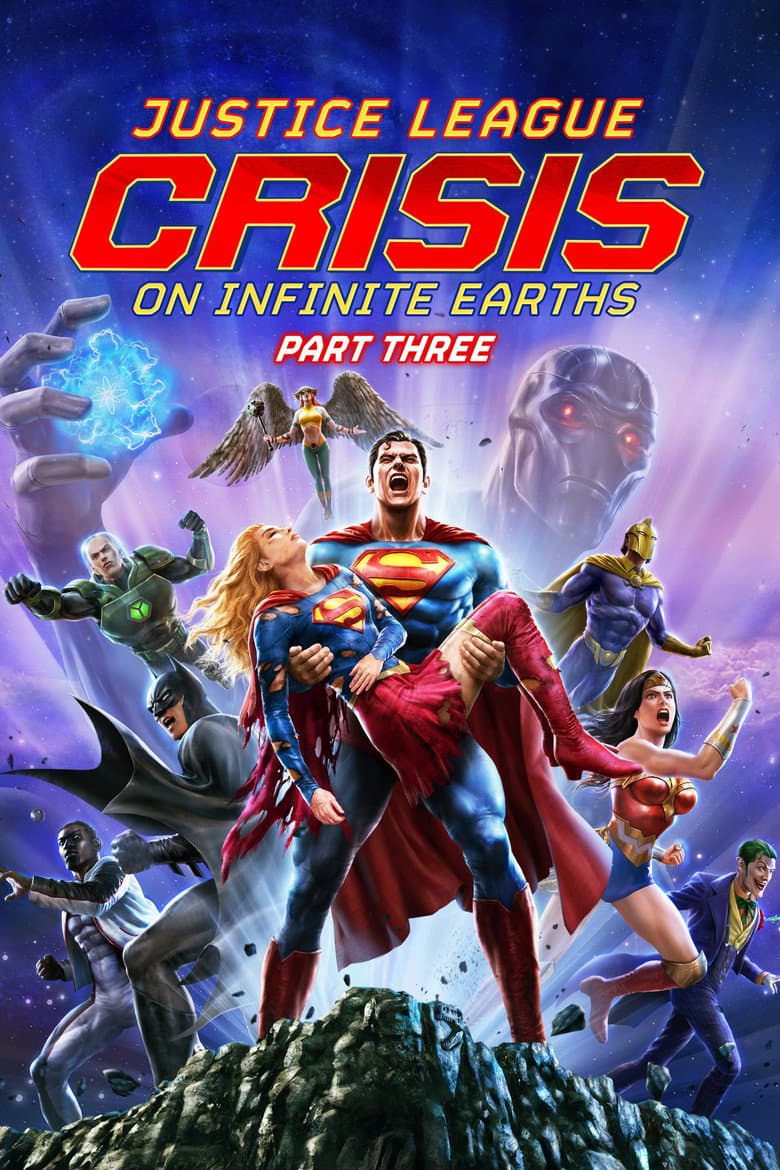
Movie · 2024
Now fully revealed as the ultimate threat to existence, the Anti-Monitor wages an unrelenting attack on the surviving Earths that struggle for survival in a pocket universe.
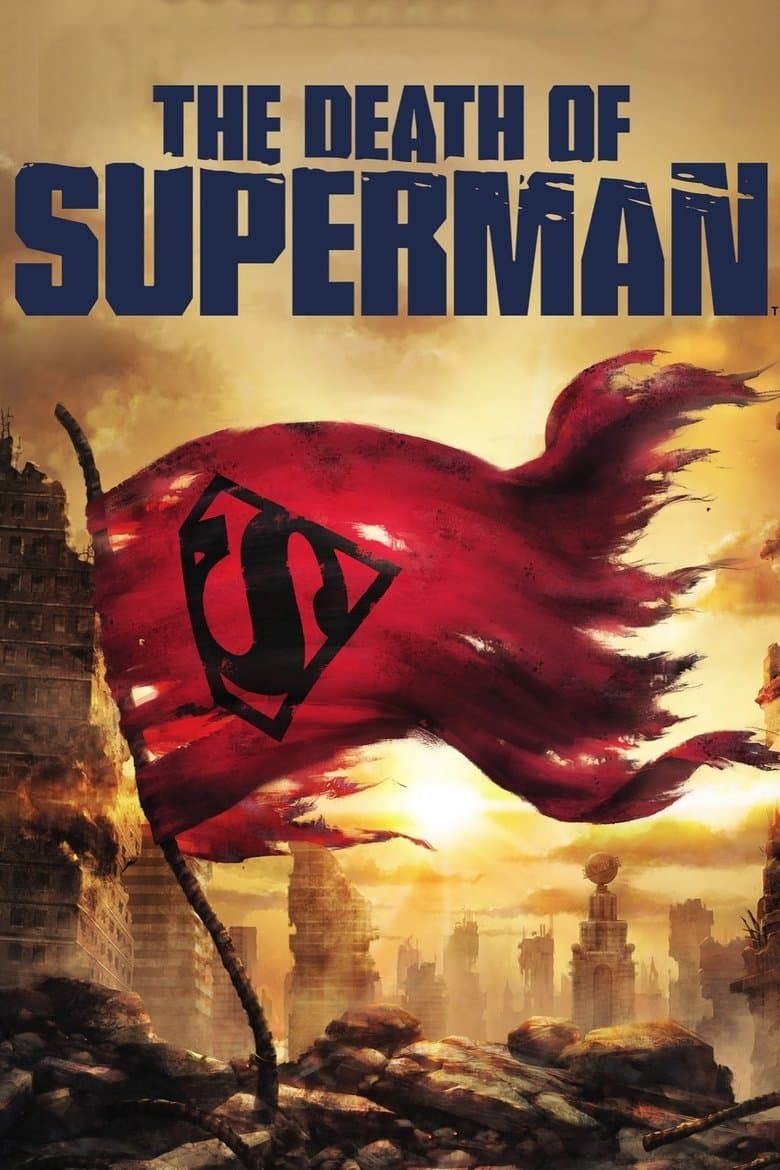
Movie · 2019
When a hulking monster arrives on Earth and begins a mindless rampage, the Justice League is quickly called in to stop it.
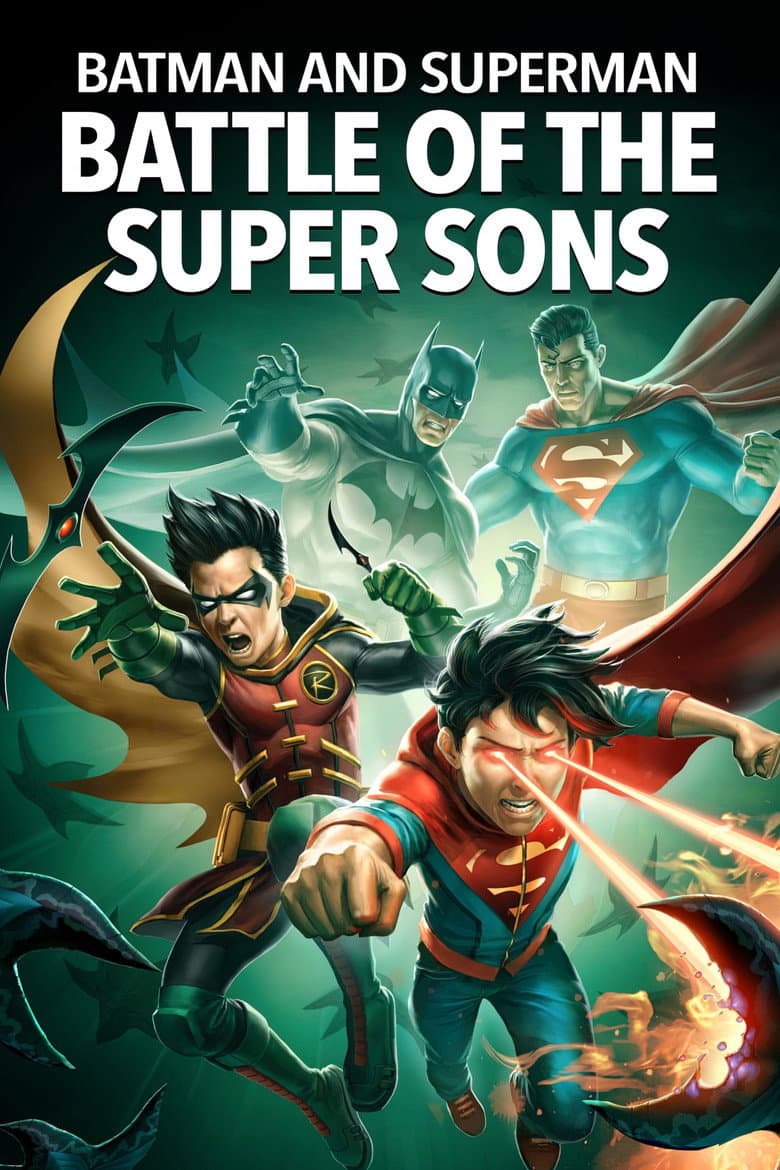
Movie · 2022
After discovering he has powers, 11-year-old Jonathan Kent and assassin-turned-Boy-Wonder Damian Wayne must join forces to rescue their fathers (Superman & Batman) and save the…
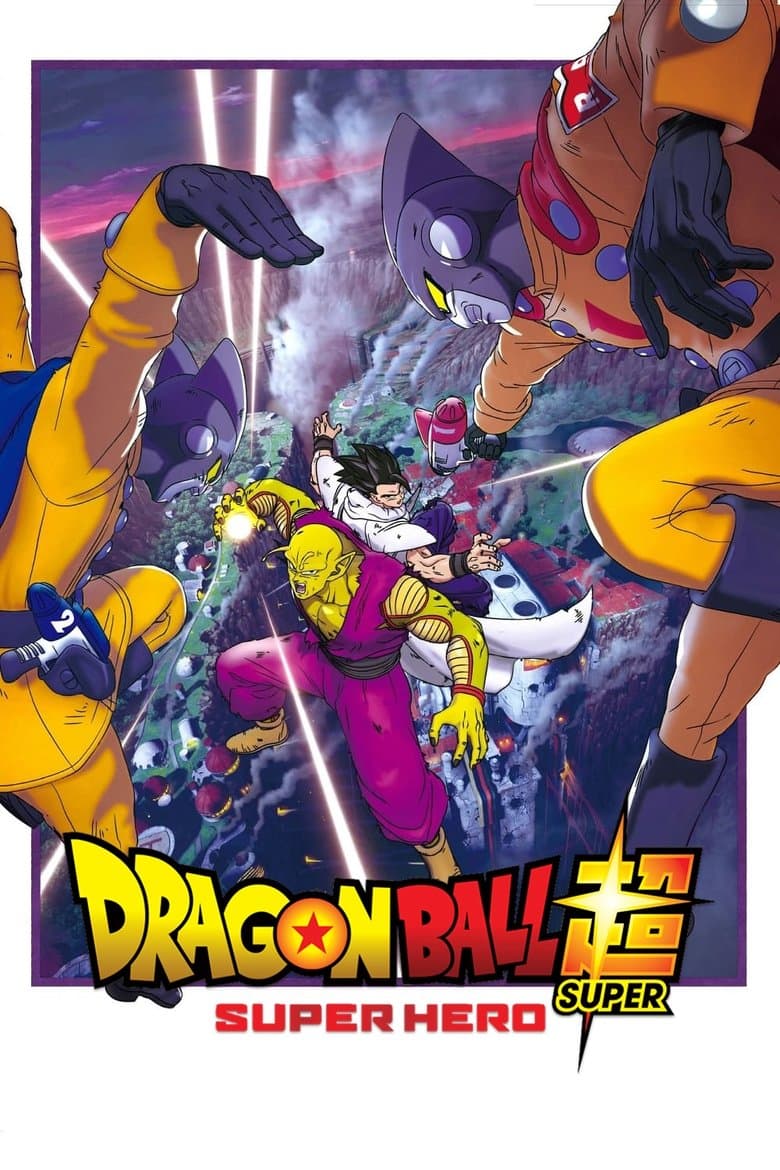
Movie · 2022
The Red Ribbon Army, an evil organization that was once destroyed by Goku in the past, has been reformed by a group of people who have created new and mightier Androids, Gamma 1…
Movie · 2023
When a tech blogger lands an interview with a tech guru and stops an attack on him, he finds a mysterious ring that takes him back 57 seconds into the past.
