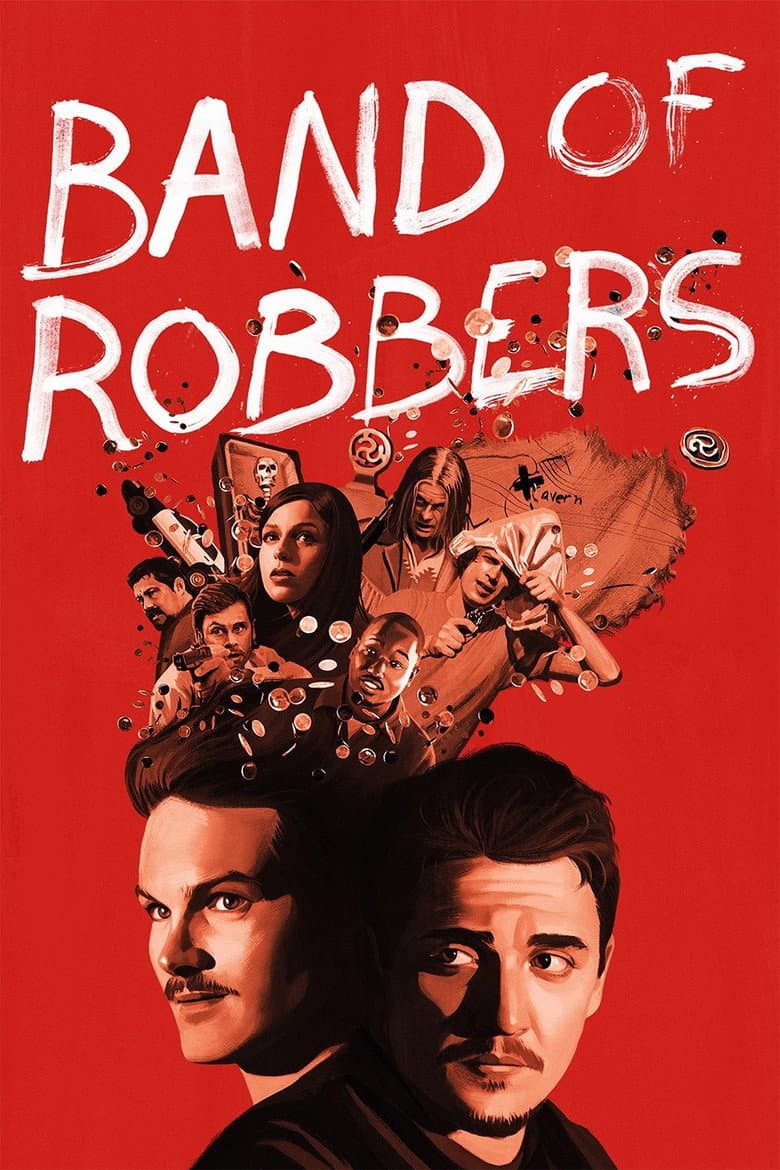
Band of Robbers follows Tom Sawyer and Huck Finn as grown men in a present-day American town. Tom works as a police officer, while Huck has just left prison after taking the blame for their old schemes. Tom pulls Huck and their friends into a pawnshop robbery because he still wants the treasure they chased as boys. The plan brings them against Injun Joe, the police, and the results of their own reckless choices. The movie uses bright, odd comedy with crime action, gunfire, and a serious story about friendship and growing up.
The clearest woke material comes from race-focused changes to Twain's characters. Jim becomes Jorge, a Mexican day laborer who is wrongly arrested, and Tom and Huck later admit that their actions may keep him from his family. Injun Joe becomes a white man who copies native American culture, and several scenes openly ask whether his name and behavior are racist. The film also uses jokes about immigrants, Spanish, and racial slurs. These points matter to the rescue plot and repeat through the movie, but the main focus stays on Tom and Huck's failed treasure hunt, guilt, and friendship.
Community feedback
Was our 54% Woke rating accurate?
Breakdown
These are the editorial factors and ratings behind our score for Band of Robbers.
Woke representation / casting
Not present. The cast includes a black friend, a Latino worker, and a woman police partner, but those roles fit the modern setting and source updates. The movie does not frame its casting as a diversity or empowerment message.
0%
Woke political dialogue
The characters ask whether a white man who uses a native American name and style is racist. The group compares that name with other racial slurs and jokes about speaking Spanish during the robbery. A gang member calls Jorge an illegal, and the news later blames a Mexican immigrant. The racial and immigration lines return in more than one scene, but they are played as awkward comedy rather than a long speech.
38%
Identity-driven story themes
The film changes Twain's slavery and race material into a story about Jorge, a Mexican day laborer who is wrongly arrested after helping the group. Tom and Huck later accept that their plan may keep Jorge from his family, and they risk themselves to free him. Injun Joe's white use of native American identity becomes a repeated joke about cultural copying and race. These themes shape the rescue and the villain's image, but the treasure hunt and the friends' need to grow up remain the main story.
46%
Western institutional / cultural critique
The police arrest Jorge after he is mistaken for one of the robbers because he is a Mexican worker who was used in their plan. Tom is also a corrupt police officer who treats lawbreaking as a path to hero status. The story criticizes these choices through the rescue and Tom's guilt, but it does not attack Western culture, capitalism, family life, or religion in a broad way.
29%
Woke character or canon changes
The film changes Jim from Twain's runaway slave into Jorge, a Mexican day laborer and immigrant. The film also changes Injun Joe from a native American villain into a white man who copies native American culture and uses the old racial name. These identity changes drive the mistaken arrest, the rescue, and repeated race jokes. The adult setting, police jobs, and treasure hunt are ordinary updates rather than identity changes.
58%
Anti-woke backlash and complaints
Not present. The searches found no clear anti-woke or right-leaning complaints about the movie. Reviews that discussed race or immigration mostly judged the joke or story, not a supposed woke agenda.
0%
Creator track record context
Adam and Aaron Nee have a low woke track record, and their interviews present the movie as a playful update of Twain. Mark Twain's public record includes strong criticism of racism and unequal treatment, but it is broader and older than modern activist politics. Producer John Will has a stronger identity-related record because he later produced Woke, a show centered on race and identity. The current movie's race and immigration material makes that background relevant, but the full creator group has a mixed record.
27%
Production

Movie · 2023
Muthuvel Pandian, a retired, stern yet compassionate jailer lives a peaceful life with his family, but trouble knocks his door when his cop son’s tryst with an antique mafia gang…

Movie · 2025
Wealthy businessman Zsa-zsa Korda appoints his only daughter, a nun, as sole heir to his estate. As Korda embarks on a new enterprise, they soon become the target of scheming…
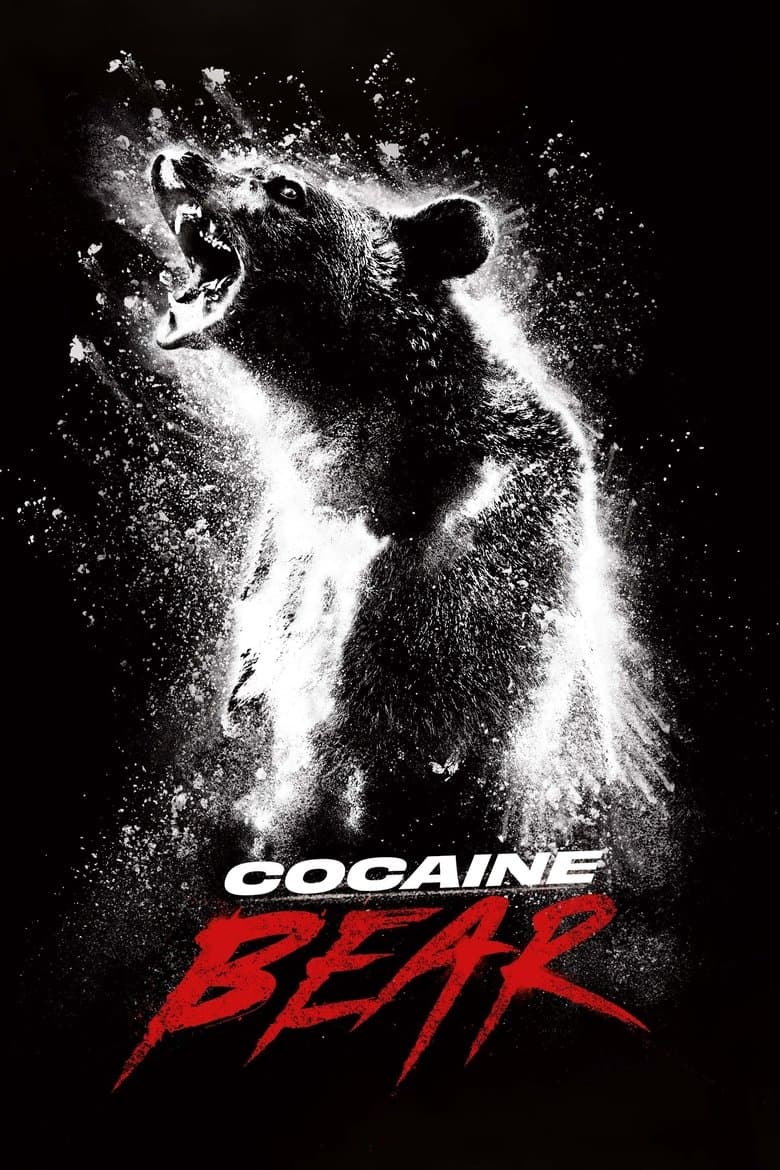
Movie · 2023
Inspired by a true story, an oddball group of cops, criminals, tourists and teens converge in a Georgia forest where a 500-pound black bear goes on a murderous rampage after…
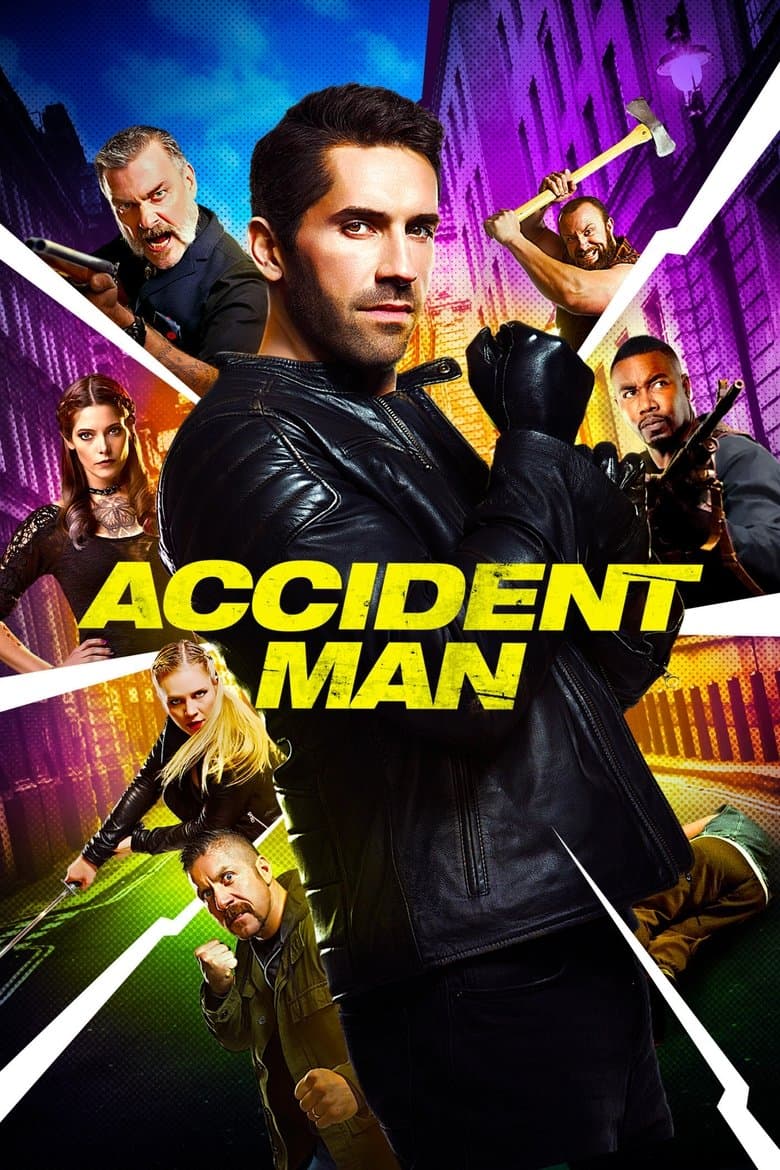
Movie · 2018
Mike Fallon, the Accident Man, is a stone cold killer. When a loved one is murdered by his own crew, Fallon is forced to avenge the one person who actually meant something to him.
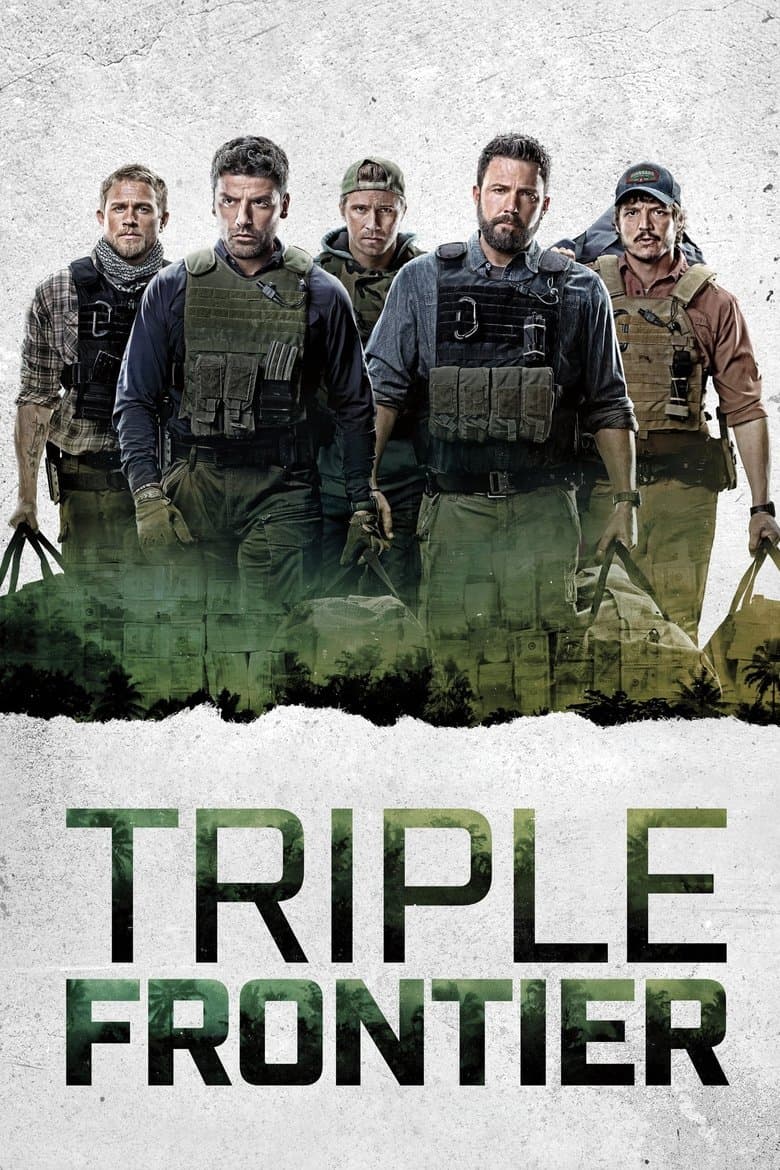
Movie · 2019
Struggling to make ends meet, former special ops soldiers reunite for a high-stakes heist: stealing $75 million from a South American drug lord.

Movie · 2023
Two elite soldiers must escort civilians through a gauntlet of gunfire and explosions.
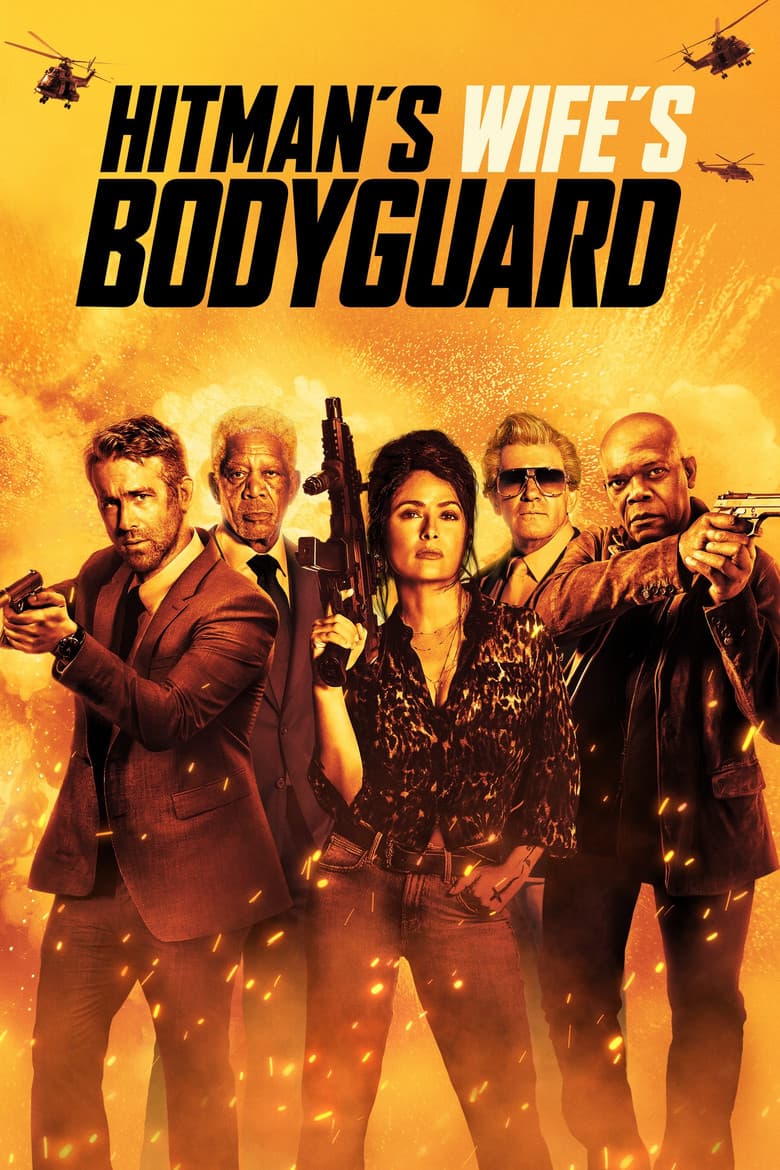
Movie · 2021
The world’s most lethal odd couple – bodyguard Michael Bryce and hitman Darius Kincaid – are back on another life-threatening mission.
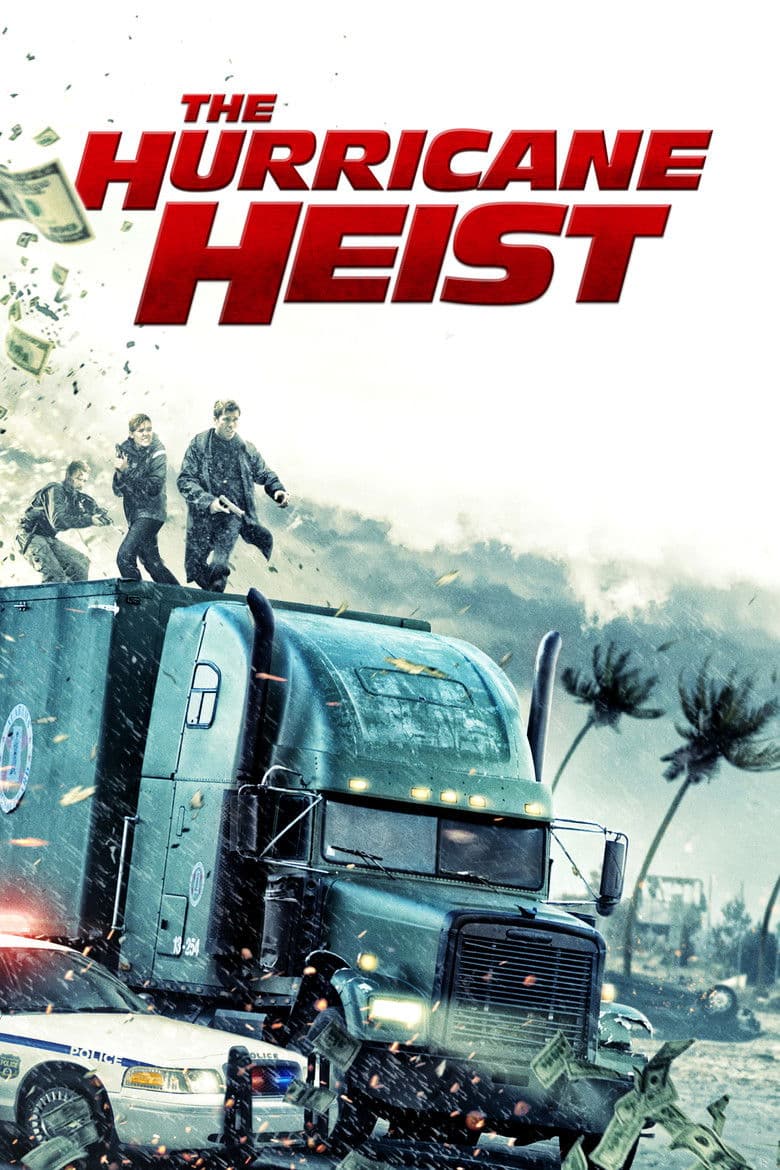
Movie · 2018
Thieves attempt a massive heist against the U.S. Treasury as a Category 5 hurricane approaches one of its Mint facilities.
