
Anna and Ben are a married couple in Los Angeles who have stopped enjoying life together. Anna drives for Uber after losing a book deal, while Ben designs company logos and avoids work at home. They fight about dishes, sex, money, family, and a miscarriage that neither has faced openly. After making a silly song at a child's party, they form a band with their strange neighbor Dave and turn their fights into loud, rude songs. The movie is an adult comedy drama with a rough, awkward, and sometimes sad tone.
The film gives regular attention to gender roles inside marriage. Anna often pushes the relationship forward while Ben is shown as lazy, childish, or unable to speak about pain. The story questions old husband and wife roles, pressure to have children, and the idea that men and women handle feelings in fixed ways. Short talks about feminism and traditional marriage make the message more direct. The songs let both characters mock their own behavior, so the film is more about one troubled couple than a broad political campaign.
Community feedback
Was our 47% Woke rating accurate?
Breakdown
These are the editorial factors and ratings behind our score for Band Aid.
Woke representation / casting
Not present. The film shows a white husband and wife and a white male neighbor, with a mixed group of friends and side characters. That looks like a normal modern Los Angeles cast, not a repeated diversity-first pattern or an identity statement.
0%
Woke political dialogue
Anna and Ben argue about gender roles, housework, and how men and women show feelings. Ben's mother gives a short talk about women having feelings and men struggling to speak. The film also uses brief terms such as “post-feminism” and “hetero-normative” marriage. These lines are noticeable but appear in a few scenes rather than driving every conversation.
31%
Identity-driven story themes
Anna and Ben's marriage is used to explore gender expectations and how men and women are taught to act. Anna often pushes the relationship forward while Ben is shown as lazy, childish, or unable to speak about pain. The story treats miscarriage, pressure around motherhood, and the weight of husband and wife labels as major emotional issues. The band gives both characters a way to face grief, so the theme is recurring but remains tied to one couple's problems.
46%
Western institutional / cultural critique
The film questions the usual husband, wife, and breadwinner roles inside marriage. Anna and Ben treat housework and male emotional distance as signs of larger problems in the way couples are taught to live. Family members and a therapist discuss the pressure to stay married and have children. The critique stays close to one relationship and does not attack government, religion, business, or Western society as a whole.
35%
Woke character or canon changes
Not relevant. The film is an original story about a married couple, not an adaptation or remake with established characters. No identity-related change to an existing character or real event applies.
0%
Anti-woke backlash and complaints
Not present. The available X check found no anti-woke reaction. News and review coverage mostly discussed the marriage story and the all-female crew, with no clear report of anti-woke or anti-left complaints about the film itself.
0%
Creator track record context
Zoe Lister-Jones has a strong feminist and gender-equity record, and she made this film with an all-female crew. Daryl Wein has worked on stories about race, LGBTQ people, and underrepresentation. Natalia Anderson has supported more jobs for women behind the camera. The other listed producers have little public activist history, so this is a clear but not uniform creator signal.
54%
Production
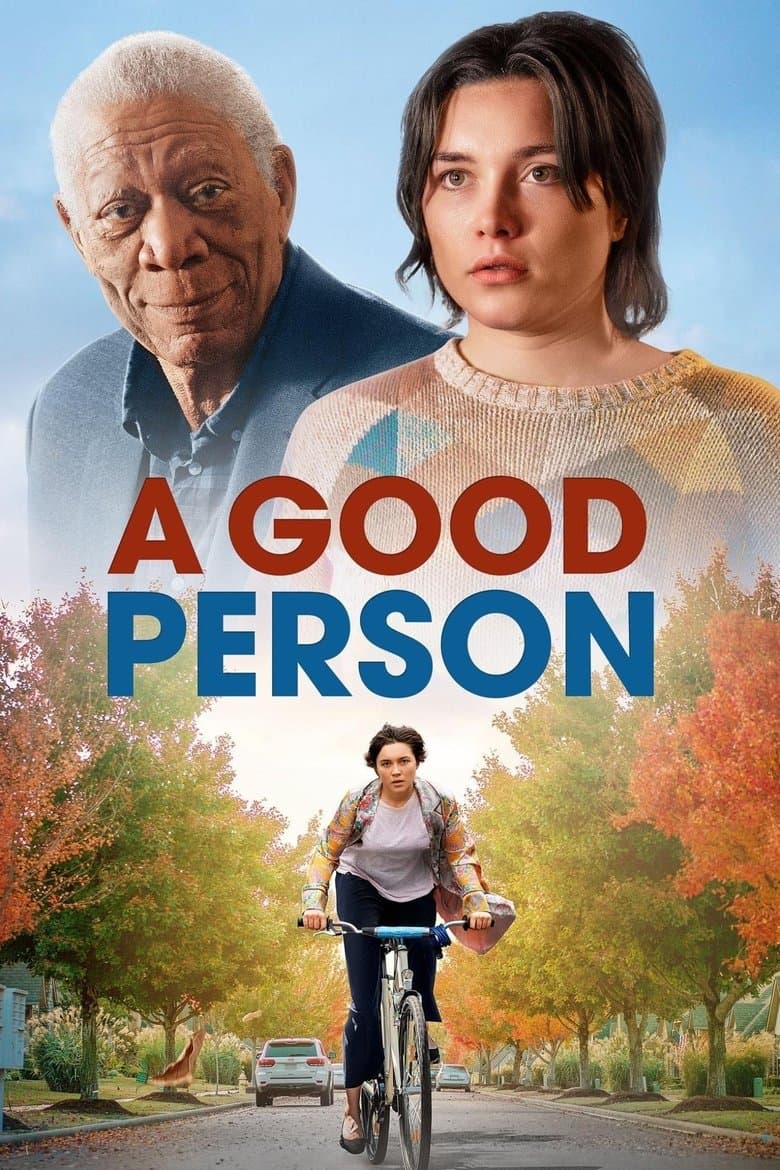
Movie · 2023
Allison's life falls apart following her involvement in a fatal accident. The unlikely relationship she forms with her would-be father-in-law helps her live a life worth living.
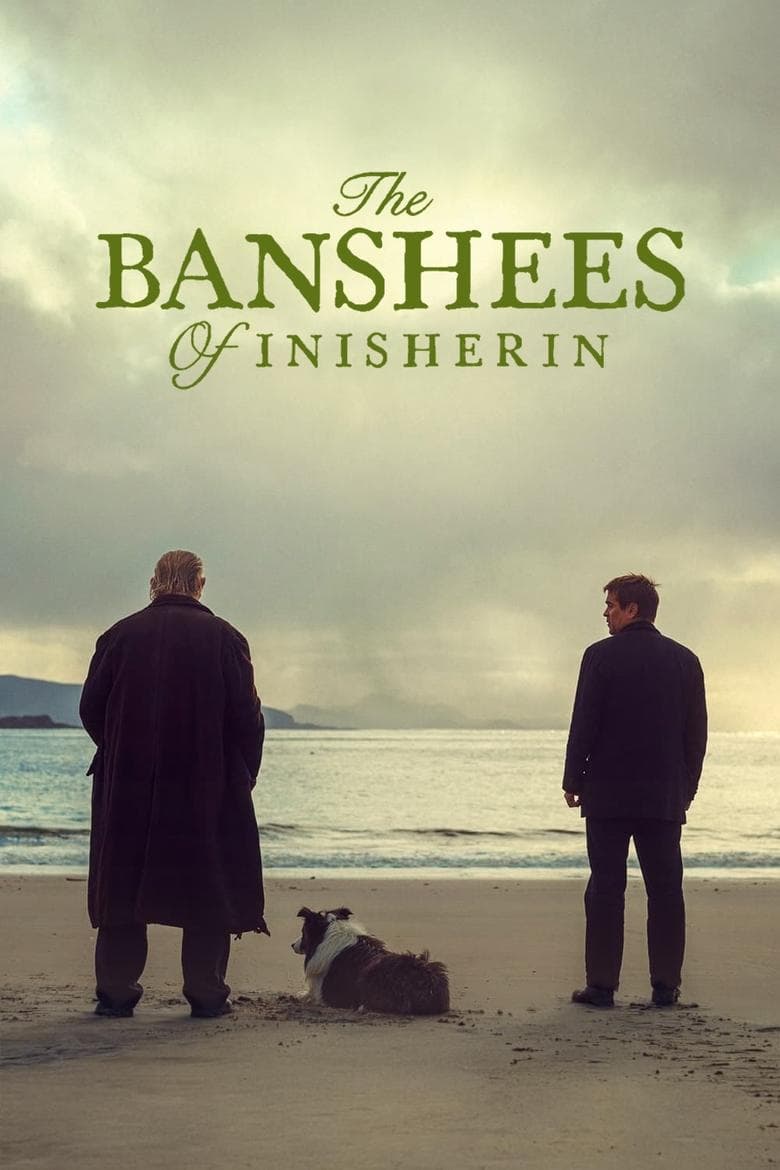
Movie · 2022
Two lifelong friends find themselves at an impasse when one abruptly ends their relationship, with alarming consequences for both of them.
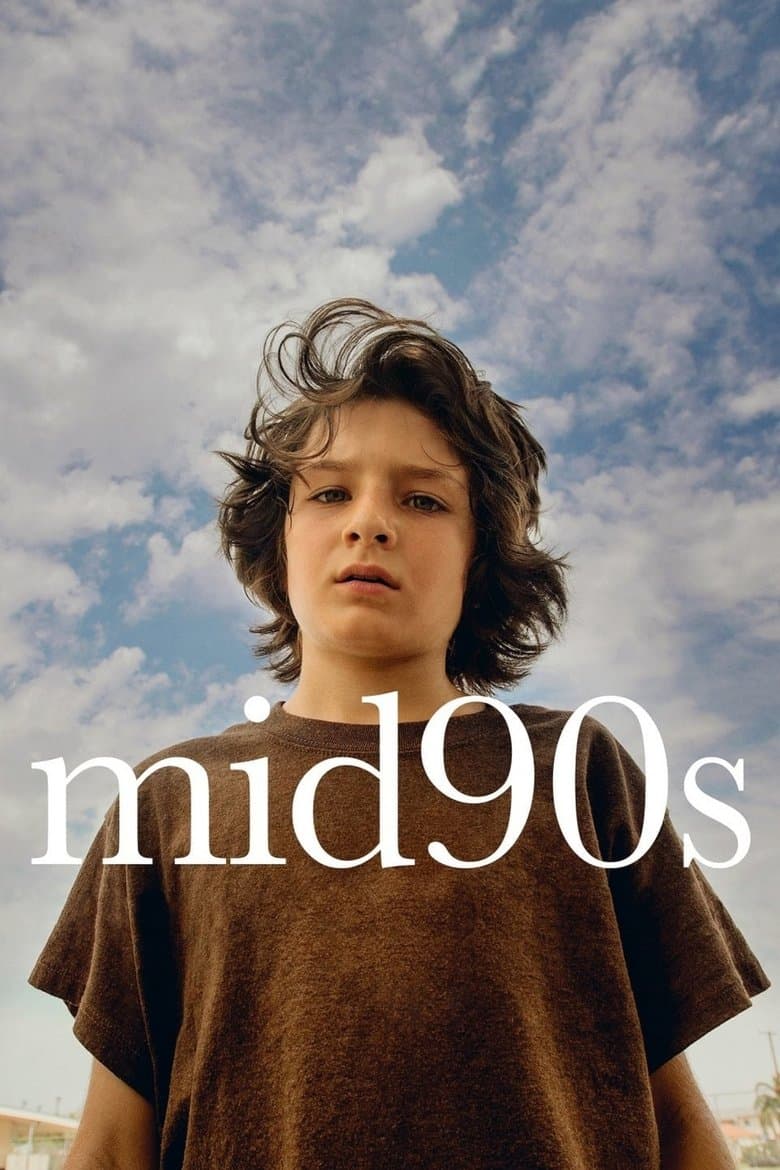
Movie · 2018
In 1990s Los Angeles, a 13-year-old spends his summer navigating between a troubled home life and a crew of new friends he meets at a skate shop.
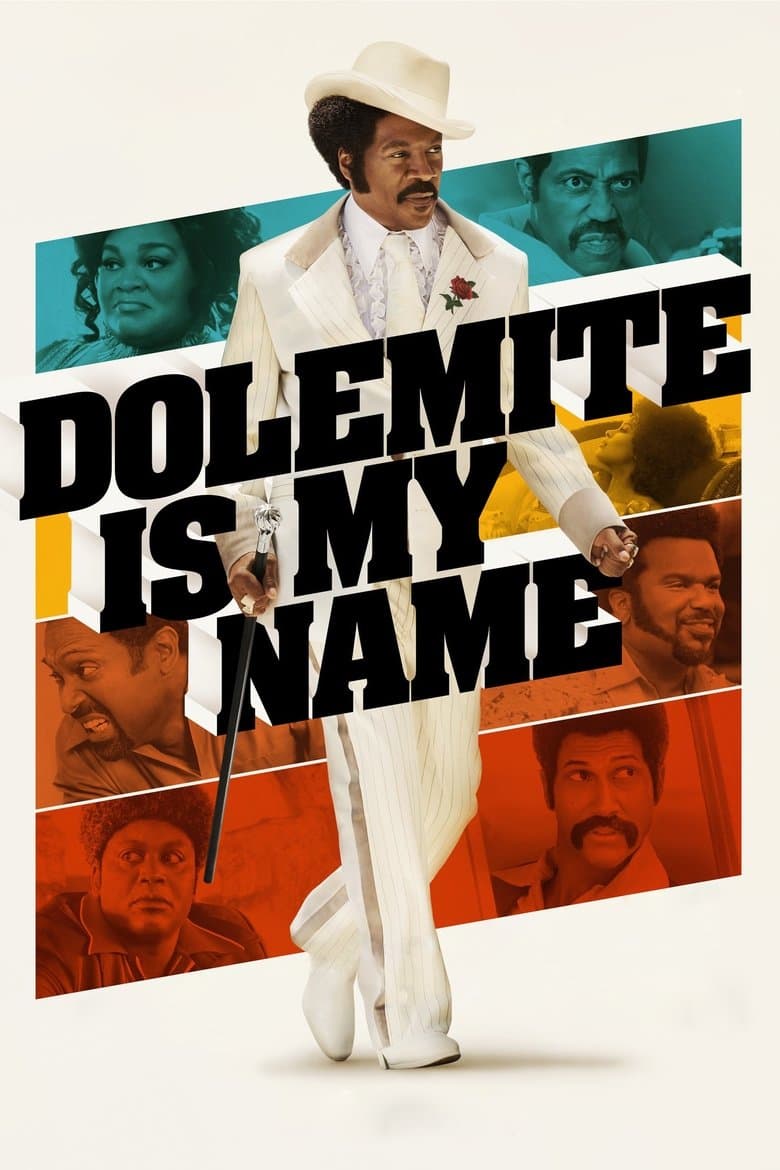
Movie · 2019
The story of Rudy Ray Moore, who created the iconic big screen pimp character Dolemite in the 1970s.
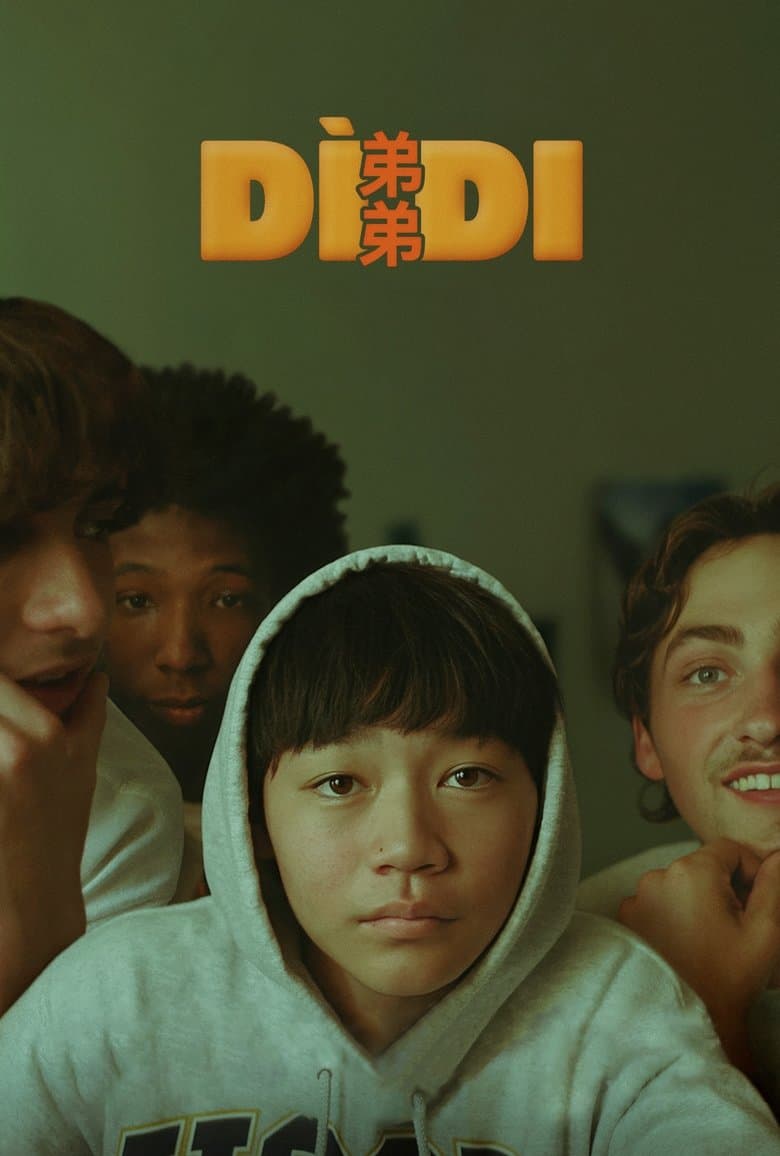
Movie · 2024
In 2008, during the last month of summer before high school begins, an impressionable 13-year-old Taiwanese American boy learns what his family can't teach him: how to skate, how…
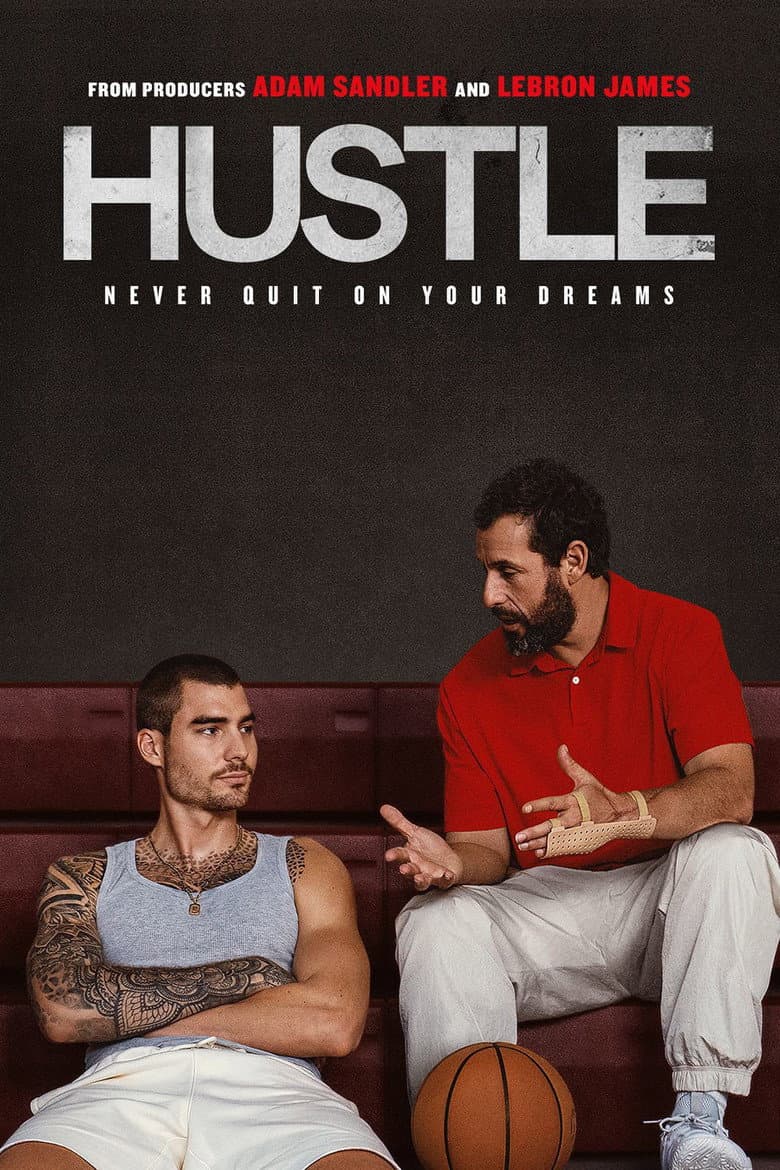
Movie · 2022
After discovering a once-in-a-lifetime player with a rocky past abroad, a down on his luck basketball scout takes it upon himself to bring the phenom to the States without his…
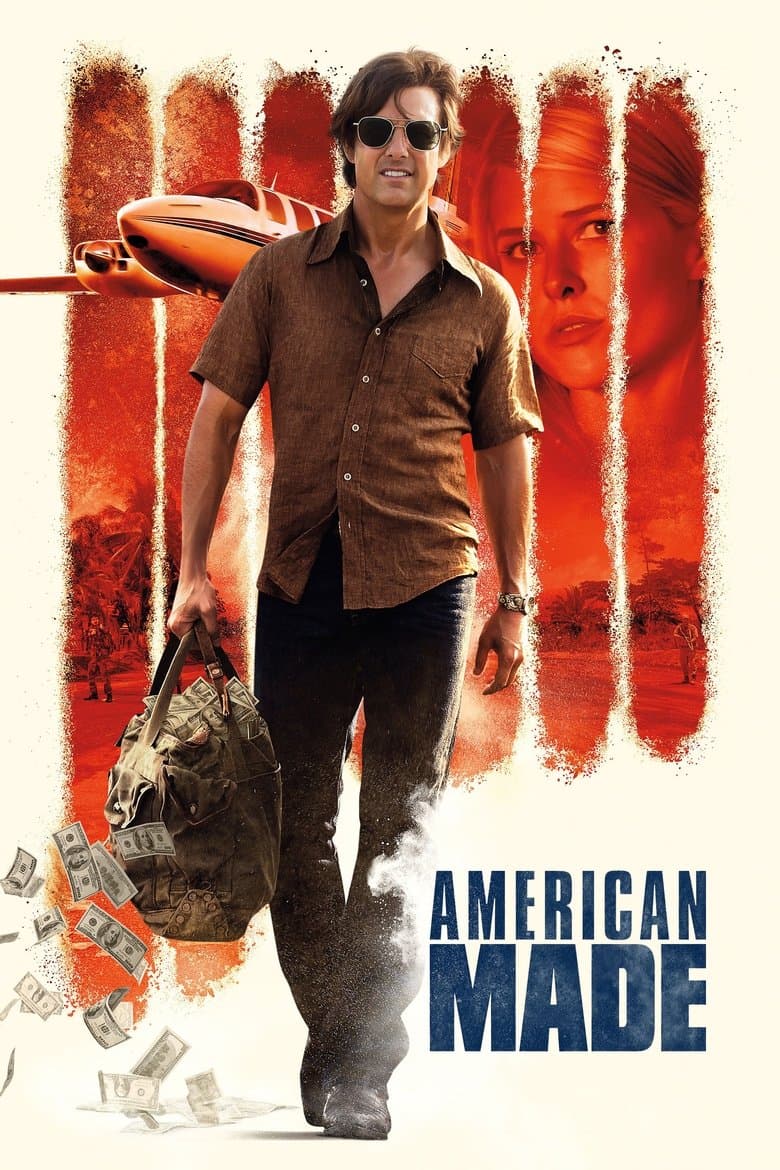
Movie · 2017
The true story of pilot Barry Seal, who transported contraband for the CIA and the Medellin cartel in the 1980s.
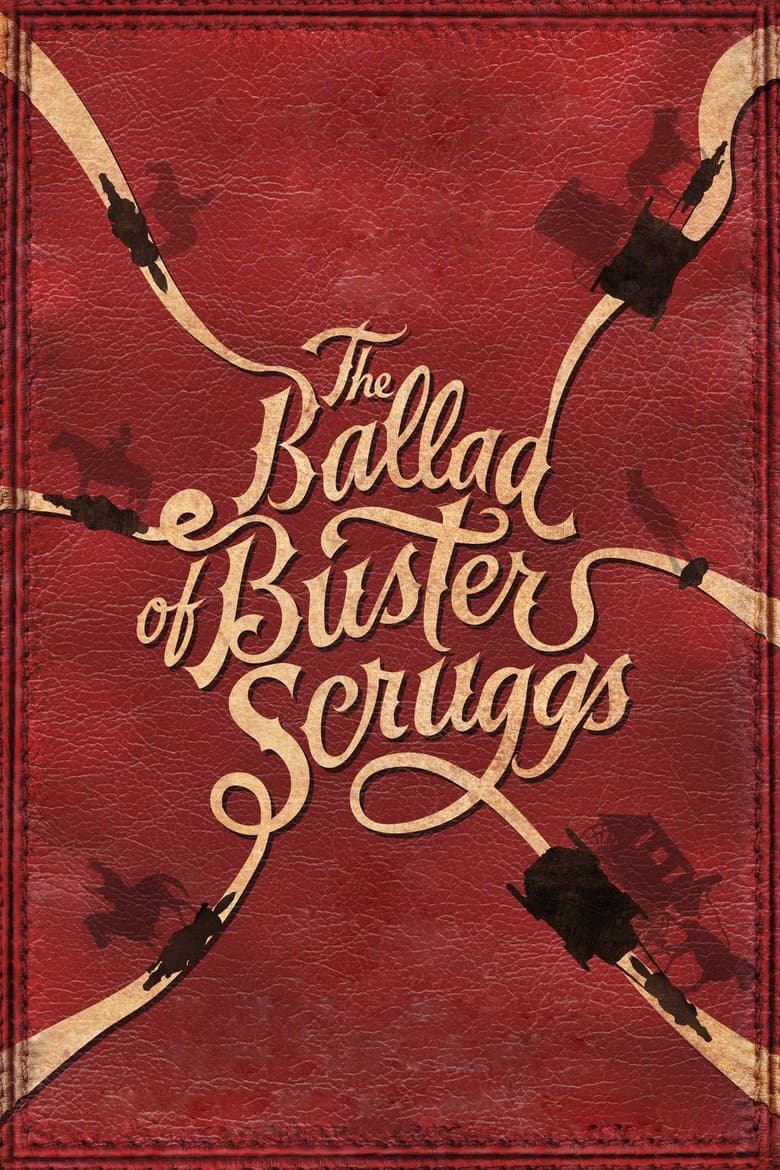
Movie · 2018
Vignettes weaving together the stories of six individuals in the old West at the end of the Civil War. Following the tales of a sharp-shooting songster, a wannabe bank robber, two…
