
Manny Torres is a young Mexican man who wants a big job in 1920s Hollywood. He meets wild would-be star Nellie LaRoy and helps fading silent-film star Jack Conrad. The story follows their rise and fall as movies switch from silent films to sound. The tone is loud, messy, and full of parties, money, and bad choices.
The film mostly is about fame, excess, and how Hollywood chews people up. Viewers also see clear identity threads: a Chinese American lesbian singer who dates Nellie, a black jazz star forced into blackface for southern audiences, and Manny hiding his Mexican roots to fit in. The studio fires the lesbian character when strict new rules hit. Director Damien Chazelle said early Hollywood was more diverse than people think and cast a Latino lead, a black musician, and an East Asian woman on purpose. Those race, sex, and outsider stories show up in plot scenes, not as long modern lectures. A normal viewer would notice them, but the three-hour movie still centers wild parties, career crash-outs, and love of the movies.
Community feedback
Was our 55% Woke rating accurate?
Breakdown
These are the editorial factors and ratings behind our score for Babylon.
Woke representation / casting
Clear, planned diverse casting: Mexican co-lead Manny, black jazz star Sidney, and Chinese American lesbian Lady Fay in major supporting roles next to Pitt and Robbie. Chazelle openly described covering those identity lanes. Period history partly supports those roles, so this is not pure modern swap casting, but the pattern is easy for audiences to see.
48%
Woke political dialogue
No long modern slogan speeches. Plot talk does include studio racism (blackface order) and firing Fay over lesbian rumors under moral rules. Viewers who watch carefully will hear identity-related power talk; casual viewers may treat it as period industry cruelty only.
28%
Identity-driven story themes
Core tale is ambition, excess, and the silent-to-sound change. Strong side threads cover race and queer life: Manny hiding Mexican roots, Sidney’s blackface shame, and Fay/Nellie’s romance plus her firing. Confirmed LGBTQ+ plot adds weight. Identity is noticeable but not the whole movie.
55%
Western institutional / cultural critique
The film attacks the studio machine and the Hays Code as rules that crush sex, queer workers, free art, and people who do not fit. It shows Hollywood greed and cruelty. That is industry critique with some modern edge, not a full lecture on today’s identity politics or “whiteness.”
42%
Woke character or canon changes
Not relevant. Original story with loose real-life inspirations (for example Clara Bow, John Gilbert, Anna May Wong), not identity-driven rewrites of a fixed franchise or known character bible.
0%
Anti-woke backlash and complaints
No big mainstream anti-woke wave. Flop talk was about length, gross-out scenes, and navel-gazing. A few online users said it felt full of DEI casting. That stays thin and fringe for scoring.
15%
Creator track record context
Chazelle’s body of work is mostly craft and ambition, not woke activism. Most listed producers sit low to mild. Casting lead Maisler and a few others are higher but not dominant. Overall crew context is light support, not a hard activist package.
16%
Production
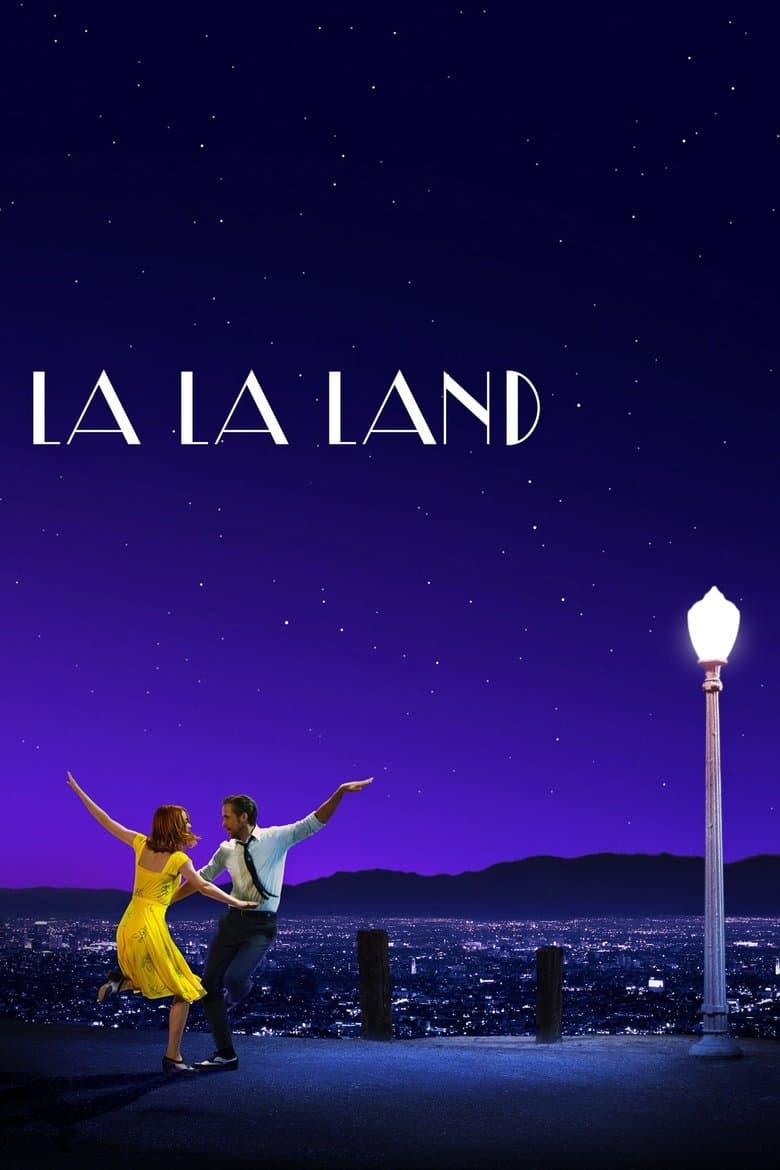
Movie · 2016
Mia, an aspiring actress, serves lattes to movie stars in between auditions and Sebastian, a jazz musician, scrapes by playing cocktail party gigs in dingy bars, but as success…

Movie · 2017
An aspiring actor in Hollywood meets an enigmatic stranger by the name of Tommy Wiseau, the meeting leads the actor down a path nobody could have predicted; creating the worst…
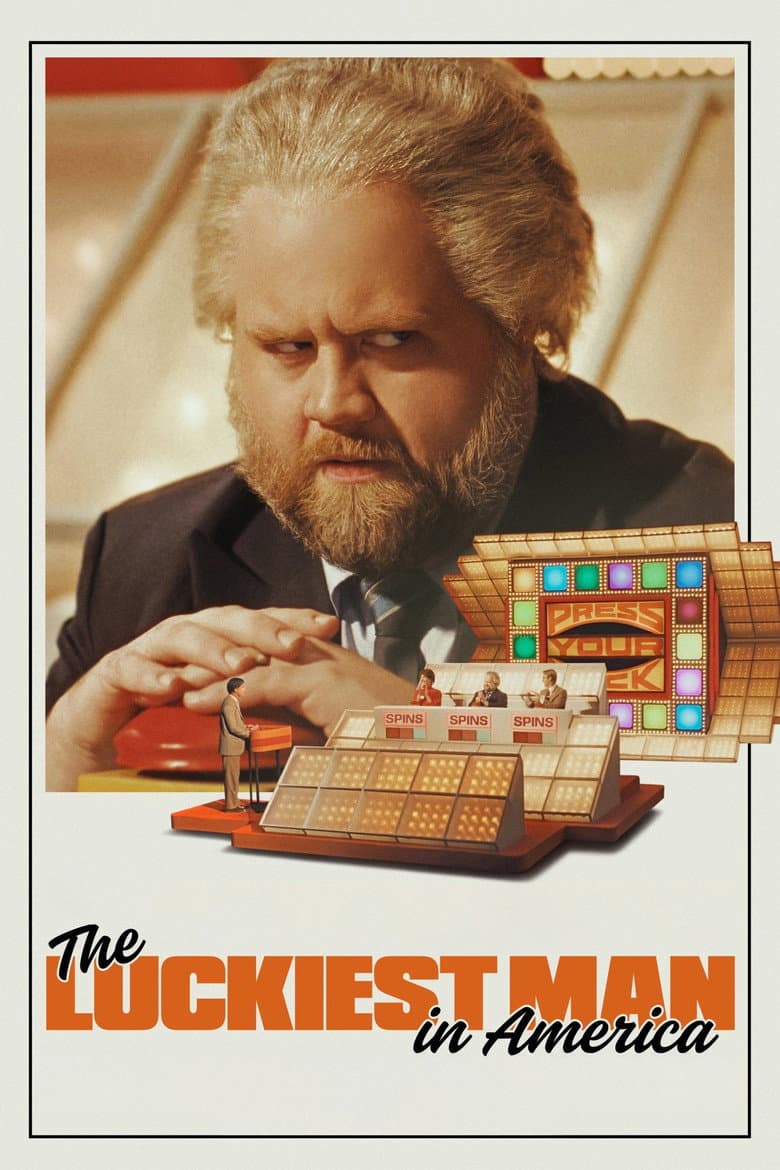
Movie · 2025
1984; Michael Larson, an unemployed ice-cream truck driver from Ohio, steps onto the game show "Press Your Luck" harboring a secret: the key to endless amounts of money.

Movie · 2023
Single mom Flora is at a loss about what to do with her rebellious teenage son, Max. Her efforts to keep him out of trouble lead to a beat-up acoustic guitar, a washed-up LA…
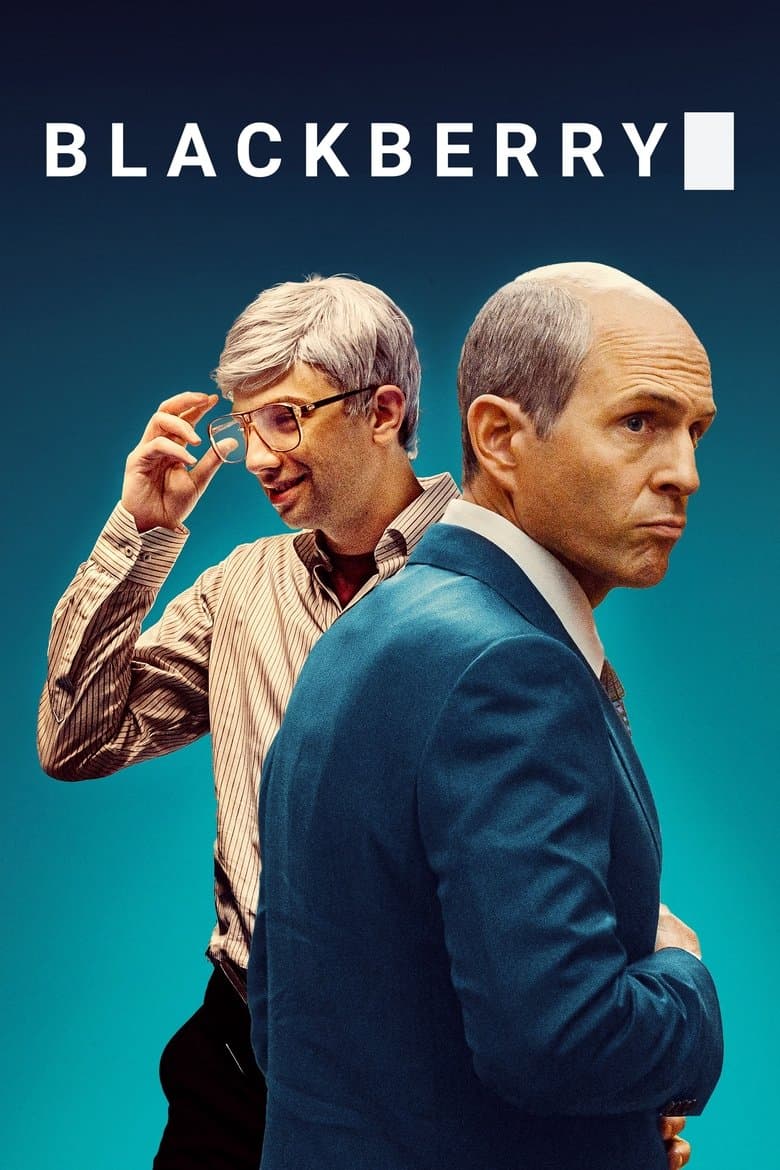
Movie · 2023
Two mismatched entrepreneurs – egghead innovator Mike Lazaridis and cut-throat businessman Jim Balsillie – joined forces in an endeavour that was to become a worldwide hit in…
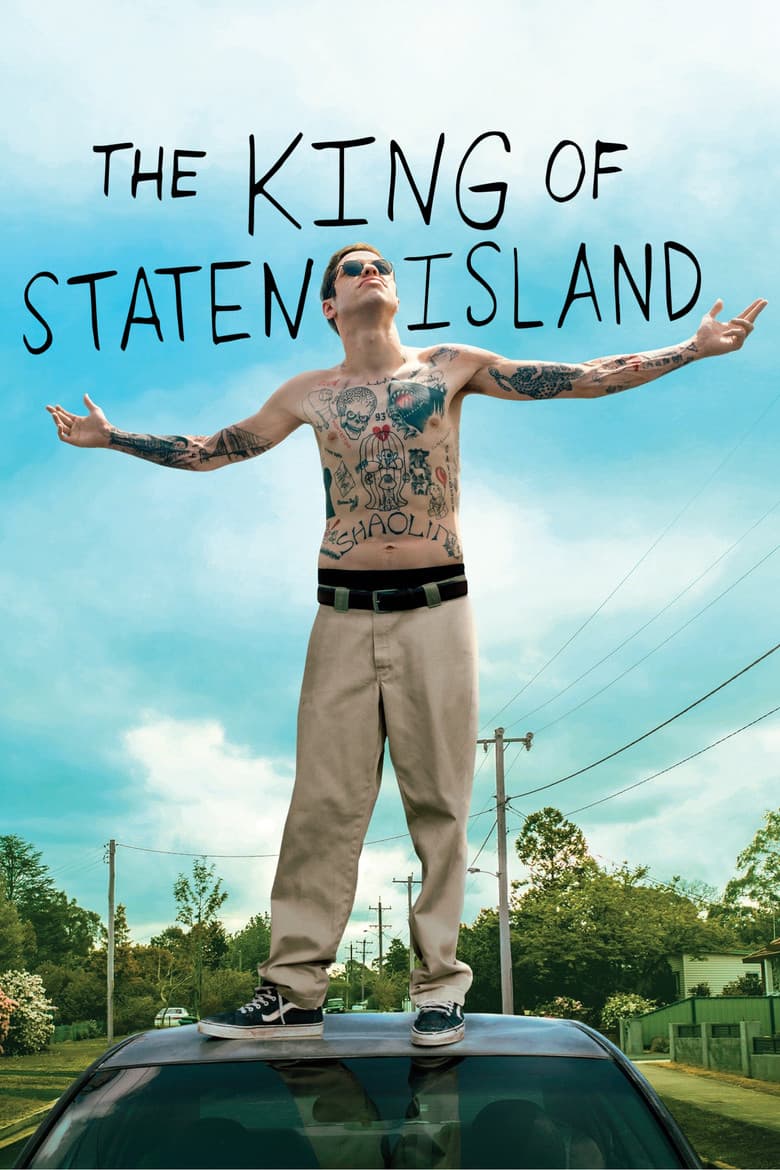
Movie · 2020
Scott has been a case of arrested development ever since his firefighter father died when he was seven. He's now reached his mid-20s having achieved little, chasing a dream of…
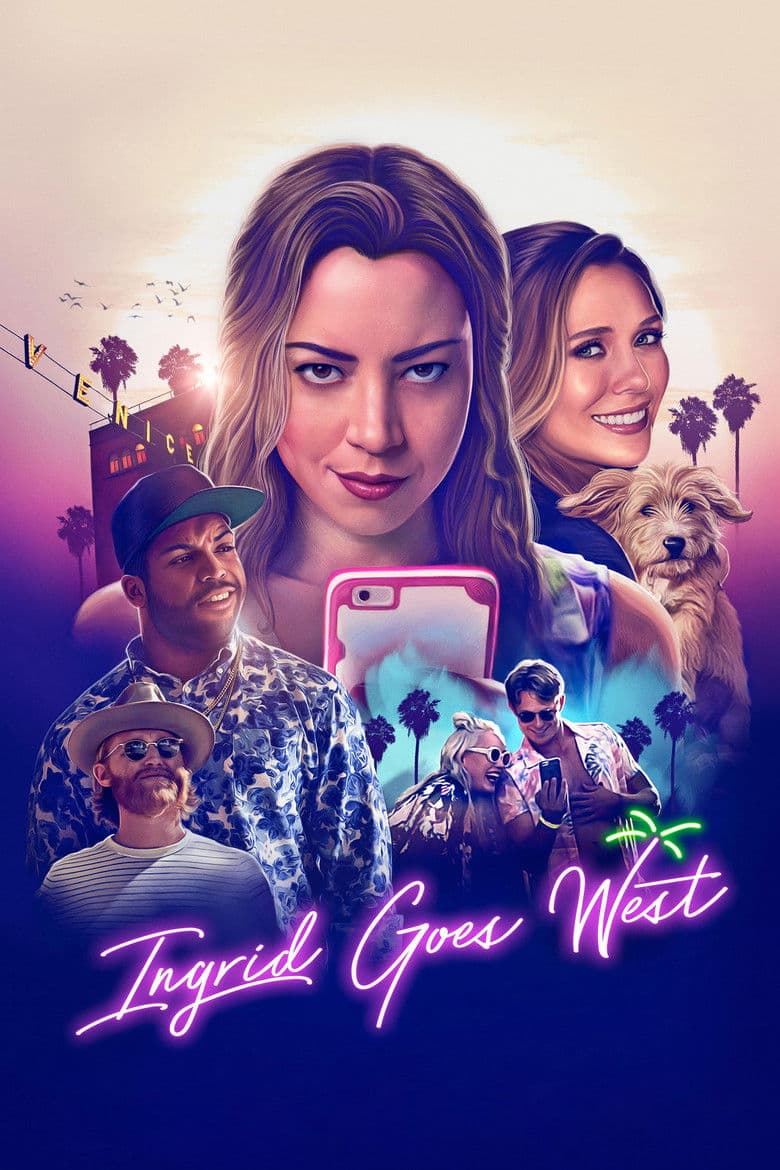
Movie · 2017
Ingrid becomes obsessed with a social network star named Taylor Sloane who seemingly has a perfect life. But when Ingrid decides to drop everything and move west to be Taylor's…

Movie · 2024
When a construction worker unexpectedly joins a local theater's production of Romeo and Juliet alongside his estranged teenage daughter, the drama onstage starts to mirror his own…
