Movie review
July 24, 2026 · 99 min · PG · Fantasy · Animation · Action · Adventure
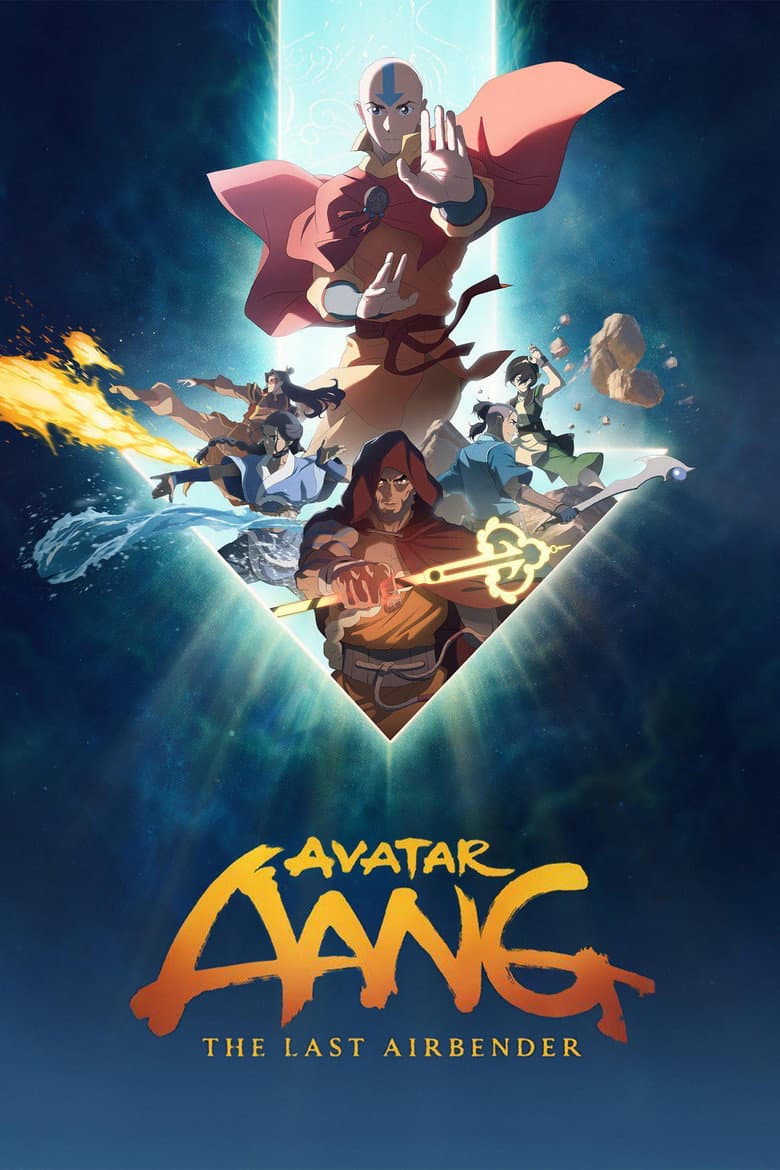
Adult Aang lives years after the Hundred Year War. He seeks an ancient Avatar staff that could restore Air Nomad culture. A frozen airbender named Tagah and non-bender rebels called the Denied try to twist that power into supremacy. Their plan threatens the fragile multi-nation peace of Republic City. The story follows survivor guilt, cultural extinction, power’s corruption, forgiveness, and whether a people is saved by force or by shared values and acolytes.
Viewers can see ethnic-authenticity recasting of the main Gaang, framed as matching voice actors to the nations. A Zuko line calling Tagah very attractive was trailer-fronted and widely read as bisexual confirmation. The film keeps multi-nation Republic City, women as leaders and fighters, and blind Toph with a blind voice actor. Cultural survival versus ethno-supremacy and multi-nation peace form the spine. These identity notes matter on screen, yet the movie still centers classic franchise stakes of power, grief, and peace more than a pure identity thesis.
Community feedback
Was our 61% Woke rating accurate?
Breakdown
These are the editorial factors and ratings behind our score for Avatar Aang: The Last Airbender.
Woke representation / casting
All main Gaang roles were recast with ethnically matched voice actors such as Eric Nam as Aang, Jessica Matten as Katara, Román Zaragoza as Sokka, Dionne Quan as Toph, and Steven Yeun as Zuko. Jenny Jue and the creators said the goal was racial and ethnic authenticity. Mae Whitman welcomed a non-white Katara successor, and a blind voice actor was chosen for blind Toph on purpose. The world is Asia and Indigenous coded, but production and marketing still treated casting as an identity priority.
44%
Woke political dialogue
The standout line is Zuko calmly calling Tagah very attractive, with Toph’s straight confirmation beat. The exchange was pushed in the trailer and sold as queer coding. Broader talk stays normal for the franchise about peace, nations, culture, and power. There are no long modern activist slogan speeches, but the LGBTQ beat still adds clear weight.
30%
Identity-driven story themes
The main arc is cultural survival against ethno-supremacy and for multi-nation community. Aang rejects building an Air Nomad army by force and chooses values, acolytes, and shared peace, which can read as progressive inclusion. Common Sense notes tolerance, inclusion, and bender versus non-bender power gaps. Queer Zuko is real but side-level, and the film is not a queer-centered or race-politics thesis movie.
33%
Western institutional / cultural critique
Not present. The setting is a non-Western fantasy world. Anti-tyranny, war trauma, and rejecting supremacy follow the franchise story, not modern attacks on Christianity, Western family norms, whiteness, or capitalist institutions.
0%
Woke character or canon changes
The main scored change is Zuko’s on-screen and trailer dialogue widely treated as new bisexual or queer canon for a major established character with Mai romance history plus male attraction. Coverage from Nerdist, Them, and PinkNews-style outlets amplified that reading. The film does not fully rewrite Aang’s arc or race and gender swap the core cast, and the story otherwise extends adult Gaang continuity.
50%
Anti-woke backlash and complaints
Documented right-leaning and anti-woke complaints include ethnic recasting of original largely white voice actors as representation or firing the original cast. Posts about gay Zuko and the film being made woke appeared on X, along with fear of girlbossing or agenda. The pushback is real and specific but secondary to leak and theatrical-cancellation talk, not a full culture-war storm.
32%
Creator track record context
Director Lauren Montgomery scores high for strong gender, racial, and LGBTQ advocacy history. Writer Tim Hedrick sits mid for inclusive and LGBTQ storytelling history from the Korra era, and casting director Jenny Jue advocates AAPI authentic casting. Franchise creators DiMartino and Konietzko score lower, co-director Mata is low, and several producers sit near zero. The overall mix is mid to high because Montgomery, Hedrick, and Jue are central to this production.
47%
Production
Movie · 2019
In a world where people collect pocket-size monsters (Pokémon) to do battle, a boy comes across an intelligent monster who seeks to be a detective.
Movie · 2018
Struggling to find his place in the world while juggling school and family, Brooklyn teenager Miles Morales is unexpectedly bitten by a radioactive spider and develops…
Movie · 2021
The Guardians of Arcadia reunite to battle the nefarious Arcane Order, who've reawakened the primordial Titans.
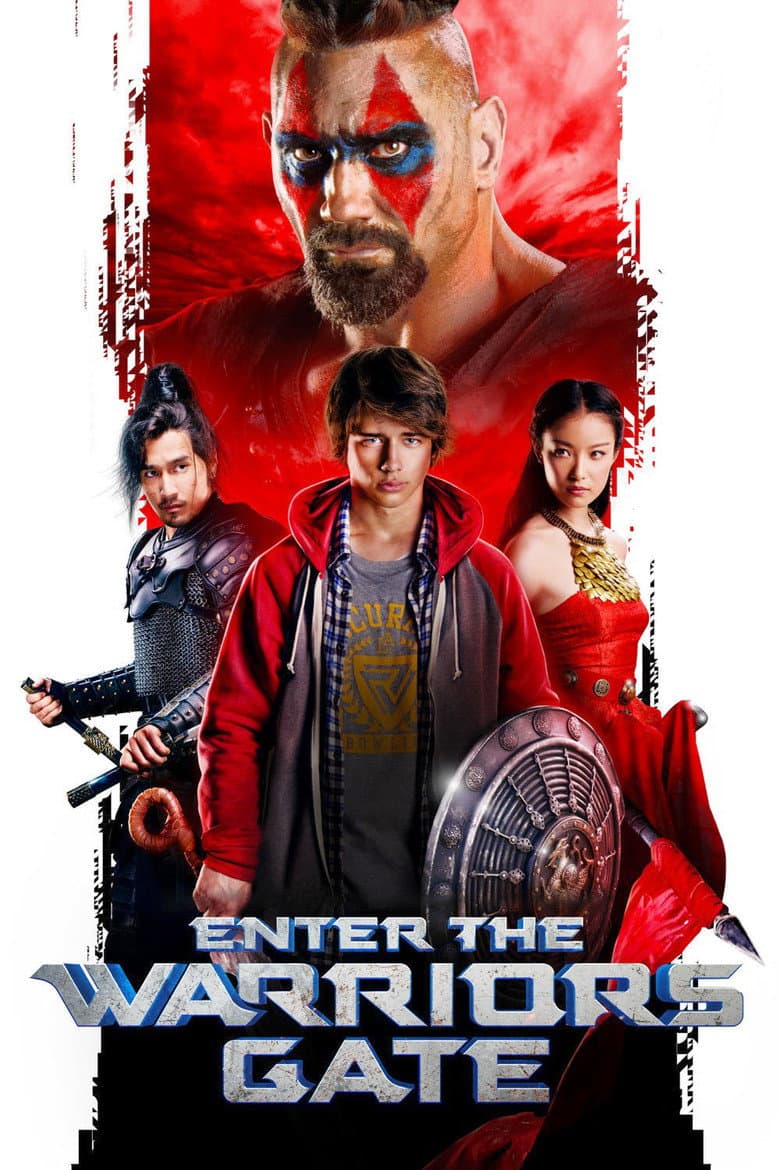
Movie · 2016
After a mysterious chest opens a gateway through time, teen gamer Jack is transported to an ancient empire terrorized by a cruel barbarian king.
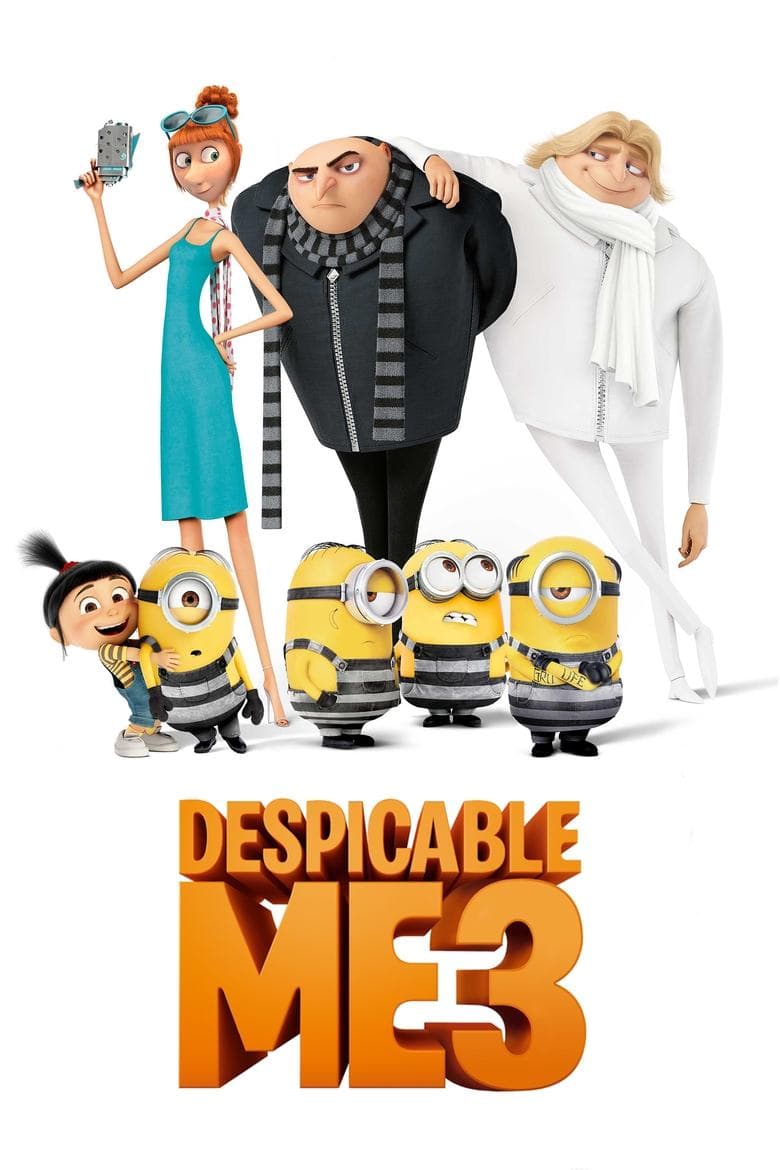
Movie · 2017
Gru and his wife Lucy must stop former '80s child star Balthazar Bratt from achieving world domination.
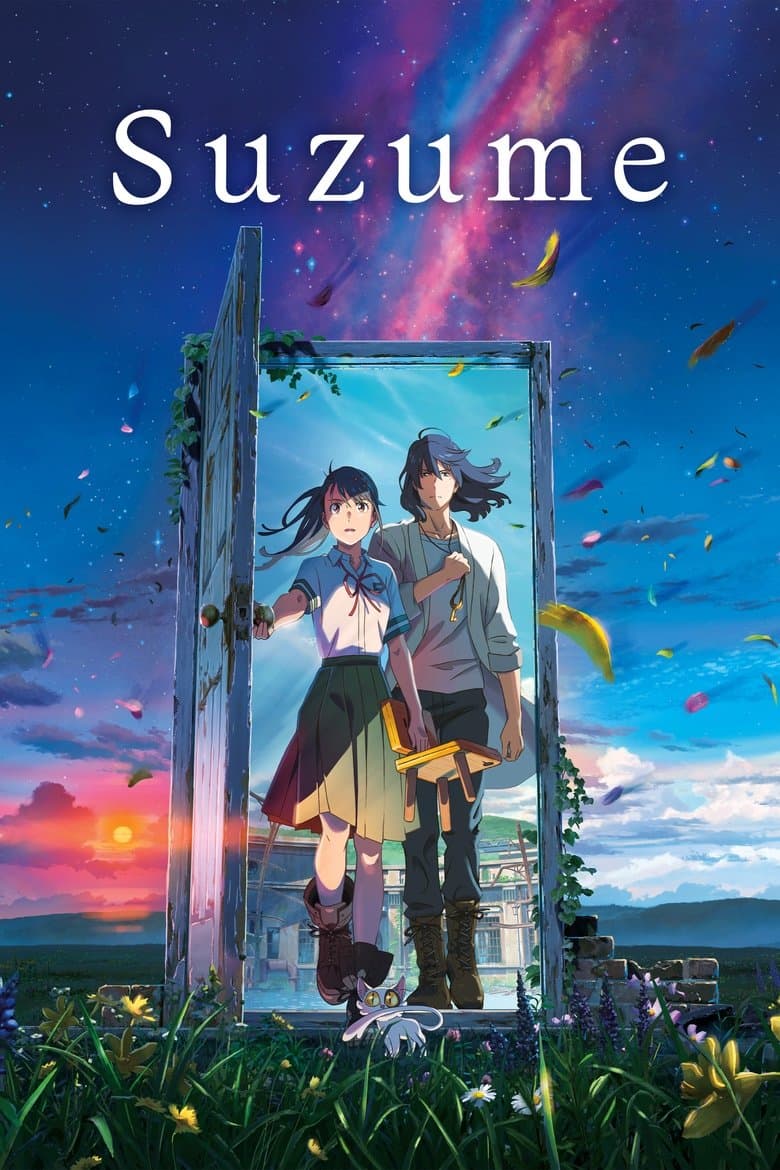
Movie · 2022
Suzume, 17, lost her mother as a little girl. On her way to school, she meets a mysterious young man. But her curiosity unleashes a calamity that endangers the entire population…
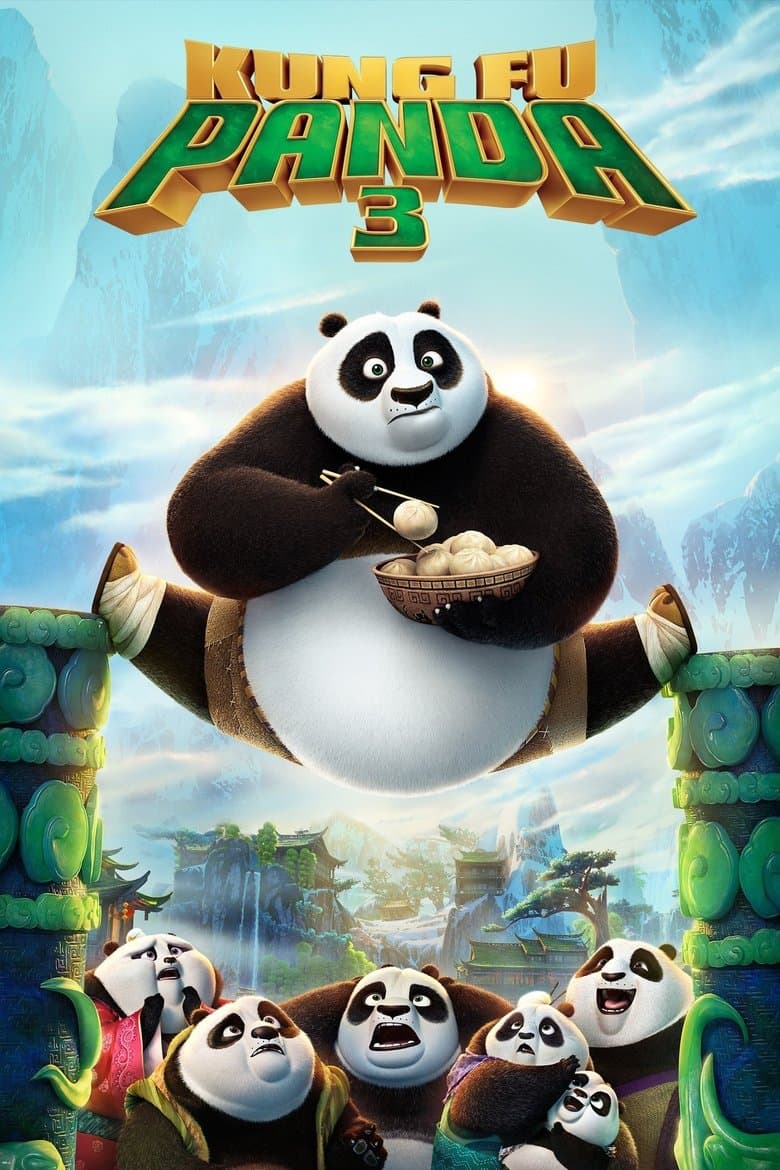
Movie · 2016
While Po and his father are visiting a secret panda village, an evil spirit threatens all of China, forcing Po to form a ragtag army to fight back.
Movie · 2022
Suddenly finding herself in the never-before-seen Land of Luck, the unluckiest person in the world must unite with the magical creatures there to turn her luck around.
