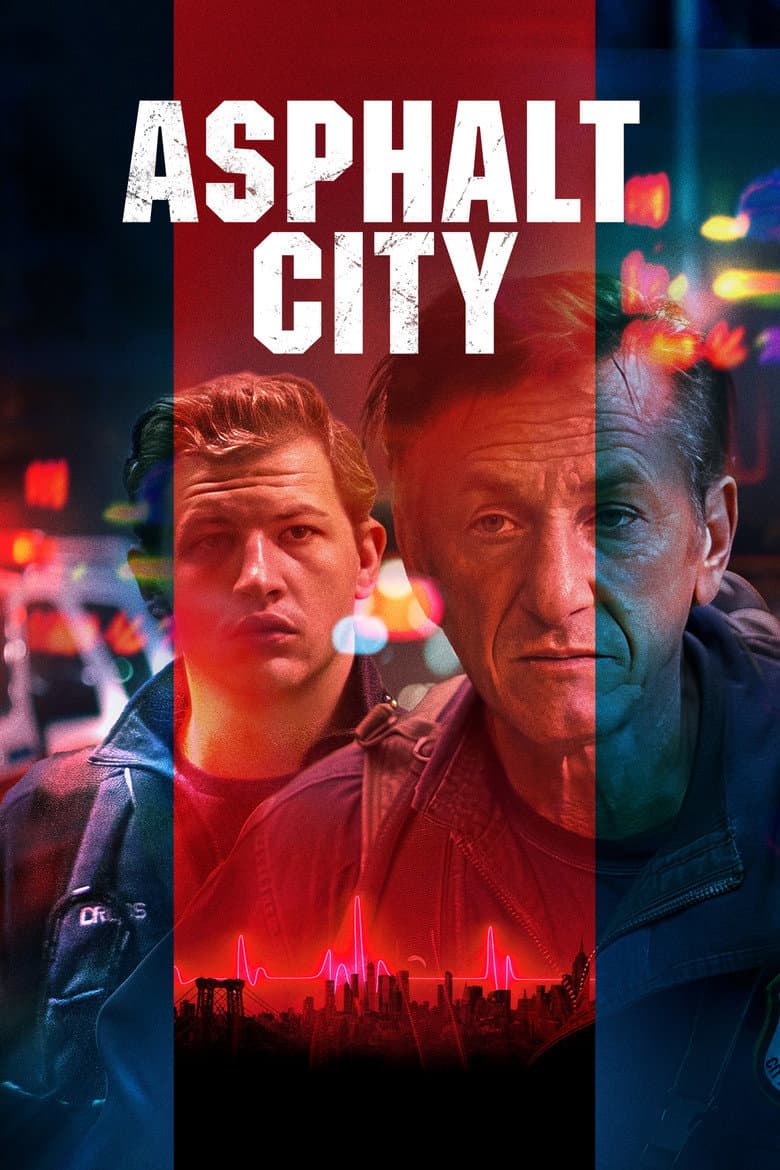
Ollie Cross is a young paramedic who works night shifts in East New York while he studies for medical school. His veteran partner, Gene Rutkovsky, teaches him to work fast in homes, streets, and ambulances filled with violence and fear. Each call pushes Ollie further from his wish to save everyone and closer to the bitter views of the older medics. The movie uses graphic blood, drug use, death, and suicide to create a harsh and draining tone.
The film centers on the damage caused by repeated trauma and weak support at work. Gene decides that some patients are not worth saving, and Ollie must choose whether to copy him or defend every life. A short call shows a father using faith to refuse medical care for his sick son. Ollie's final rescue supports duty and mercy, while Gene's death warns that first responders can break when no one helps them.
Community feedback
Was our 18% Woke rating accurate?
Breakdown
These are the editorial factors and ratings behind our score for Asphalt City.
Woke representation / casting
Not present. Ollie and Gene are white men, and the few Black coworkers have brief parts that fit modern New York. The film does not use the cast as a diversity message.
0%
Woke political dialogue
Not present. Characters argue about saving patients and handling trauma. They do not give speeches about race, gender, parties, laws, or activist causes.
0%
Identity-driven story themes
Not present. Ollie’s fall and recovery come from job trauma and moral choices. Race, gender, and LGBTQ+ identity do not drive a character arc or the main plot.
0%
Western institutional / cultural critique
The film repeatedly shows a city service that leaves medics worn down and poorly supported. Gene’s suicide and the final message make this neglect an important warning. A brief call also shows a father using faith to deny care to his sick son. The film does not blame race, capitalism, or a political party.
30%
Woke character or canon changes
Not relevant. The film moves the novel from 1990s Harlem to modern East New York, but this change is not tied to identity politics.
0%
Anti-woke backlash and complaints
Not present. Public complaints focused on bleakness, medical details, and the picture of poor neighborhoods. No meaningful anti-woke or right-leaning campaign was found.
0%
Creator track record context
The key writers have cached scores from 0 to 6, and the director scores 15 for humanitarian work. Sean Penn scores 19, while most other producers also have low scores. Babak Anvari, Jamie Buckner, and Tom Ortenberg have clearer activist or progressive signals. The full group does not show a strong identity-first pattern.
13%
Production
Movie · 2023
In 1988, American video game salesman Henk Rogers discovers the video game Tetris. When he sets out to bring the game to the world, he enters a dangerous web of lies and…
Movie · 2024
While serving as a juror in a high profile murder trial, family man Justin Kemp finds himself struggling with a serious moral dilemma…one he could use to sway the jury verdict and…

Movie · 2022
Based on the true nail-biting mission that captivated the world. Twelve boys and the coach of a Thai soccer team explore the Tham Luang cave when an unexpected rainstorm traps…
Movie · 2024
A ride-share turns into a high-stakes game of cat and mouse after it follows a car fitting the description of an AMBER Alert.
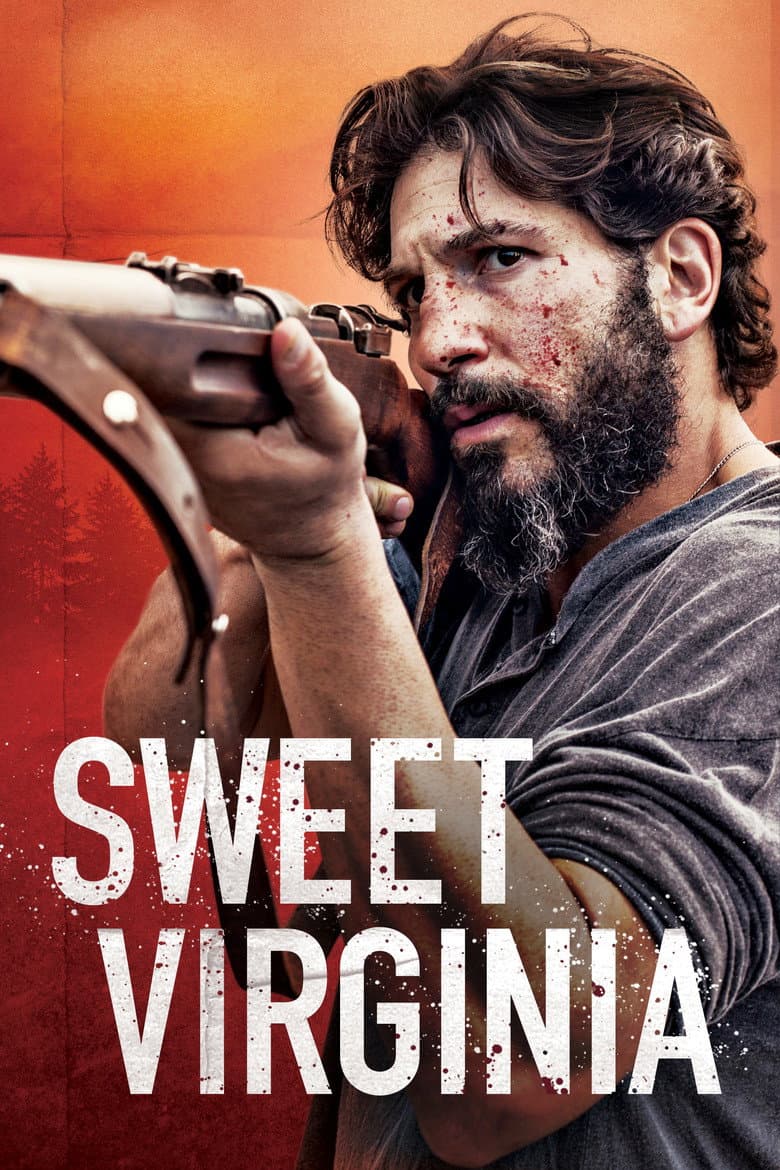
Movie · 2017
A former rodeo star, now a motel manager, meets a young man who is responsible for the violence that suddenly has seized his small town.
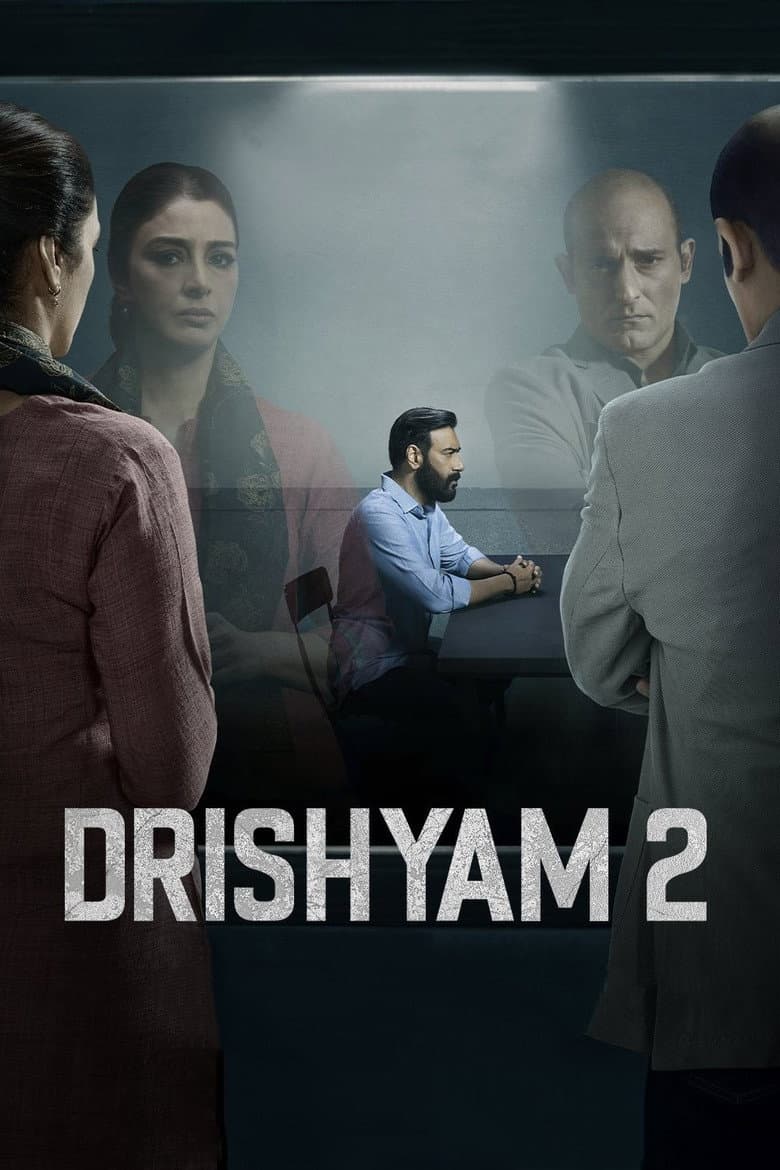
Movie · 2022
7 years after the case related to Vijay Salgaonkar and his family was closed, a series of unexpected events bring truth to light that threatens to change everything for the…
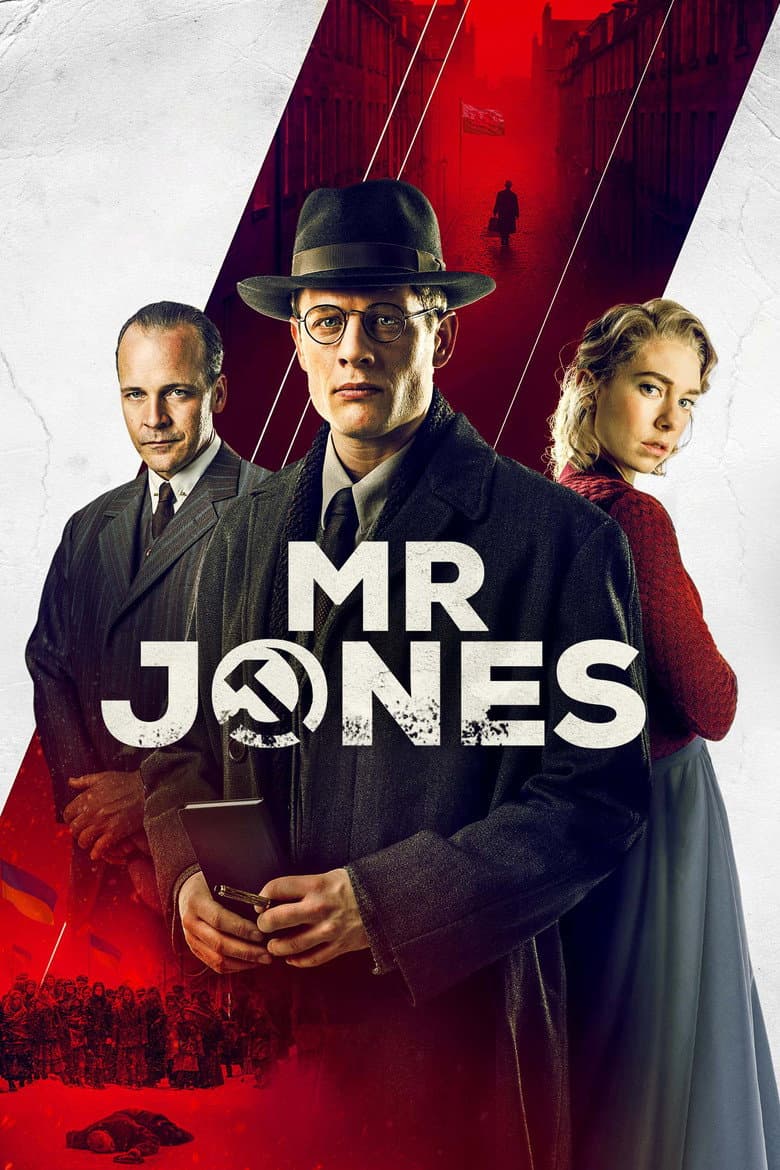
Movie · 2019
In 1933, Welsh journalist Gareth Jones travels to Ukraine, where he experiences the horrors of a famine. Everywhere he goes he meets henchmen of the Soviet secret service who are…
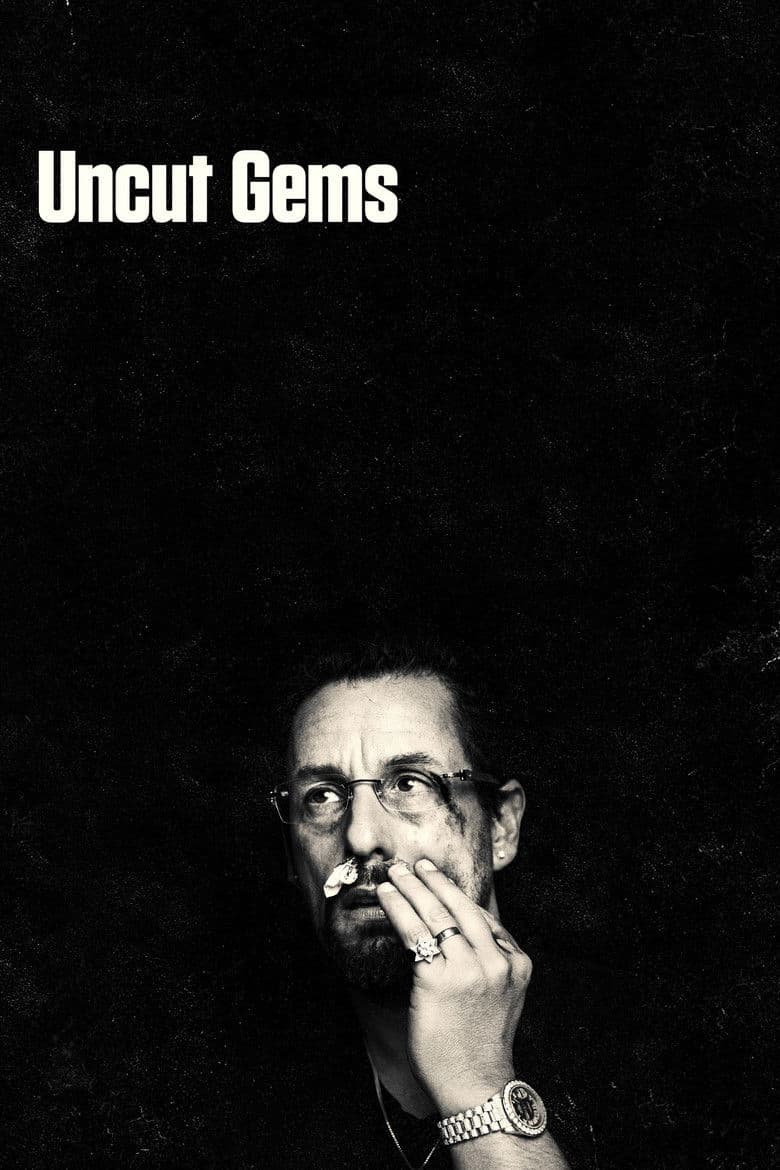
Movie · 2019
A charismatic New York City jeweler always on the lookout for the next big score makes a series of high-stakes bets that could lead to the windfall of a lifetime.
