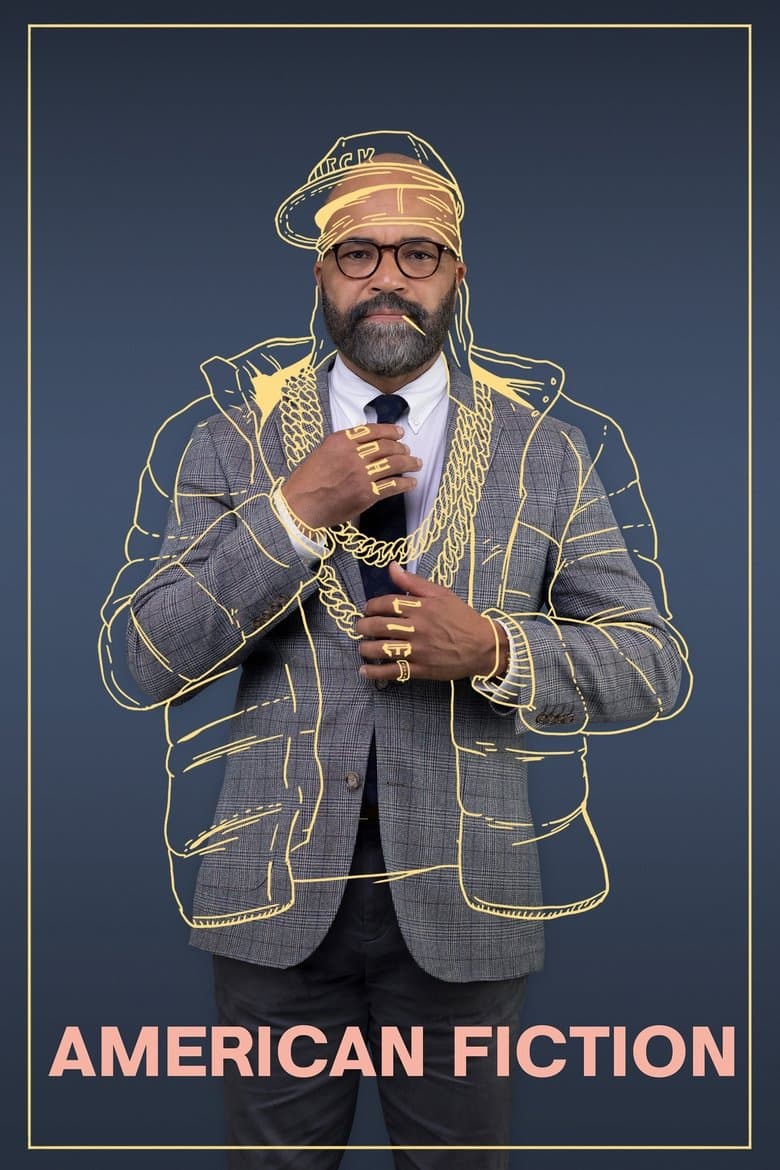
Thelonious “Monk” Ellison is a black writer and teacher in modern America. His serious books do not sell, and people say they are not “black” enough. Angry and short on money for his sick mother, he writes a fake, over-the-top “street” book under a fake name as a joke. White publishers and movie people love it, and the joke turns into a huge hit he cannot control. The film mixes sharp comedy with a heavy family drama.
Race and identity sit at the center of the story, and a normal viewer would see that right away. The whole plot is about how the book and film business buys and sells a narrow idea of black life. Characters talk a lot about black stereotypes, “trauma” stories, and a “diversity push” on an award panel. Monk’s brother Cliff is a major gay character who came out late, and the family story treats that as a big emotional thread. The movie often laughs at white liberal taste and fake care about race, but it still lives inside race, identity, and industry politics from start to finish.
Community feedback
Was our 83% Woke rating accurate?
Breakdown
These are the editorial factors and ratings behind our score for American Fiction.
Woke representation / casting
The lead cast is mostly black because the story is about a black family and black writers, so race casting largely fits the plot. The big identity signal is Cliff, a major gay supporting role played by Sterling K. Brown, with open talk about coming out and gay life. Competent women (doctor sister, lawyer girlfriend) fit their jobs. This is not random race-swaps of white heroes, but queer identity is clear and audience-visible.
44%
Woke political dialogue
People talk about race, “black enough” writing, stereotypes, trauma stories, white buyers, and a diversity push on an award panel through much of the film. A student gets upset about a racial slur in class and Monk pushes back. A lot of the talk mocks industry phoniness, not pure activist preaching, but identity politics talk is loud, constant, and hard to miss.
65%
Identity-driven story themes
The whole main plot is about race identity and how black life is packaged for sale. Family love and money problems matter, but they sit next to that race-market story. Cliff’s gay arc is a real second theme (coming out, family tension, living openly). Race identity plus a clear queer subplot make identity themes very strong for a normal viewer.
85%
Western institutional / cultural critique
The film targets publishing houses, Hollywood producers, book awards, and campus over-sensitivity. White liberal praise for “raw” black pain is shown as empty and useful for sales. That is modern critique of big cultural institutions and their race and diversity games, not just a generic bad-guy plot.
60%
Woke character or canon changes
Not relevant. This is an adaptation of *Erasure*, which already used the same basic joke about fake “black” books and a gay brother figure. Changes look like normal movie cuts and updates, not identity swaps of known heroes or history made for DEI.
0%
Anti-woke backlash and complaints
There was no large, lasting right-leaning wave calling the film woke propaganda. Many anti-woke voices like it as satire of corporate race trends. A few online takes call it still too soft or still “about race,” but hard anti-woke outrage at the title itself is thin.
10%
Creator track record context
Lead creative Cord Jefferson scores 60 for race-and-media work that matches this film’s subject. Producer Rian Johnson scores 69 for progressive-leaning work; casting director Jennifer Euston scores 47. Source author Percival Everett scores 0 and is known for mocking race-market clichés. Together, the key creative mix lands in the middle, not at the top.
50%
Production

Movie · 2022
Two lifelong friends find themselves at an impasse when one abruptly ends their relationship, with alarming consequences for both of them.
Movie · 2024
Pansy is a woman so full of rage that every interaction she has devolves into lashing out, whether at her utterly cowed husband and son, or random strangers who have the temerity…
Movie · 2025
1984; Michael Larson, an unemployed ice-cream truck driver from Ohio, steps onto the game show "Press Your Luck" harboring a secret: the key to endless amounts of money.
Movie · 2022
After discovering a once-in-a-lifetime player with a rocky past abroad, a down on his luck basketball scout takes it upon himself to bring the phenom to the States without his…
Movie · 2018
In 1990s Los Angeles, a 13-year-old spends his summer navigating between a troubled home life and a crew of new friends he meets at a skate shop.
Movie · 2023
Allison's life falls apart following her involvement in a fatal accident. The unlikely relationship she forms with her would-be father-in-law helps her live a life worth living.

Movie · 2024
Mismatched cousins David and Benji reunite for a tour through Poland to honor their beloved grandmother. The adventure takes a turn when the pair's old tensions resurface against…
Movie · 2024
In 2008, during the last month of summer before high school begins, an impressionable 13-year-old Taiwanese American boy learns what his family can't teach him: how to skate, how…
