
Ruby is a Chinese American toy designer from Los Angeles who visits Hong Kong for work. She gets lost at night and meets Josh, an American who has lived in Hong Kong for years and knows the city. They walk through bright streets, markets, bars, and parks while they talk about work, love, and their choices. Both are already dating other people, so their quick connection becomes an emotional cheating problem. The movie has a soft, funny, and bittersweet tone, with Hong Kong serving as the main backdrop.
The clearest identity-focused material comes when Ruby and Josh discuss Asian woman and white man couples. Ruby faces the judgments she places on other couples and fears that strangers may judge her in the same way. The film treats this as a personal and social worry inside the romance, not as a large political argument. Ruby is also a Chinese American woman at the center of a love story in Hong Kong, and the film gives her feelings about culture and belonging real weight. These points are visible, but the story mainly follows attraction, timing, cheating, and whether the pair should choose each other.
Community feedback
Was our 35% Woke rating accurate?
Breakdown
These are the editorial factors and ratings behind our score for Already Tomorrow in Hong Kong.
Woke representation / casting
Ruby is a Chinese American woman, and she is the lead character in a romance set in Hong Kong. Interviews frame this kind of role as rare for Asian American women, which gives the casting a clear representation angle. The choice also fits Ruby’s backstory and the story’s focus on her visit to Asia. The small cast does not form a broad diversity pattern.
22%
Woke political dialogue
A bus scene contains a direct talk about Asian woman and white man couples. Ruby questions her habit of judging older white men with younger Asian women, and the pair discuss how strangers may read their relationship. The scene links interracial dating to social judgment and stereotypes. The movie returns to romance and timing rather than making these ideas its main message.
28%
Identity-driven story themes
The romance includes a clear conflict about Ruby’s Chinese American identity and her feelings about dating a white man. Ruby’s concern about public judgment shapes an important conversation between the leads. The film gives an Asian American woman the main romantic point of view. This material appears mainly in one clear scene and a few related reactions, while the main story remains about attraction and timing.
32%
Western institutional / cultural critique
Not present. The film does not attack modern Western institutions, Christianity, family life, or traditional gender roles. Its concerns are personal judgment, dating, and the pressure of being seen as a certain kind of couple.
0%
Woke character or canon changes
Not relevant. The movie is an original romance and does not adapt an established character, book, franchise, or historical event.
0%
Anti-woke backlash and complaints
Not present. The supplied X research found no anti-woke reaction. Other coverage and audience comments focus on the romance, the Hong Kong setting, emotional cheating, and the ending, not claims that the film pushes DEI or left-wing politics.
0%
Creator track record context
Emily Ting has a mild public focus on Asian American stories. Jamie Chung has a stronger record of supporting AAPI representation and speaking about underrepresentation. Sophia Shek has a strong queer and activist work history, while Bryan Greenberg has little such history. The combined creator context gives the film a moderate woke signal, even though the movie itself is a small romance.
44%
Production

Movie · 2018
A man and a woman meet in the ruins of post-war Poland. With vastly different backgrounds and temperaments, they are fatally mismatched and yet drawn to each other.
Movie · 2022
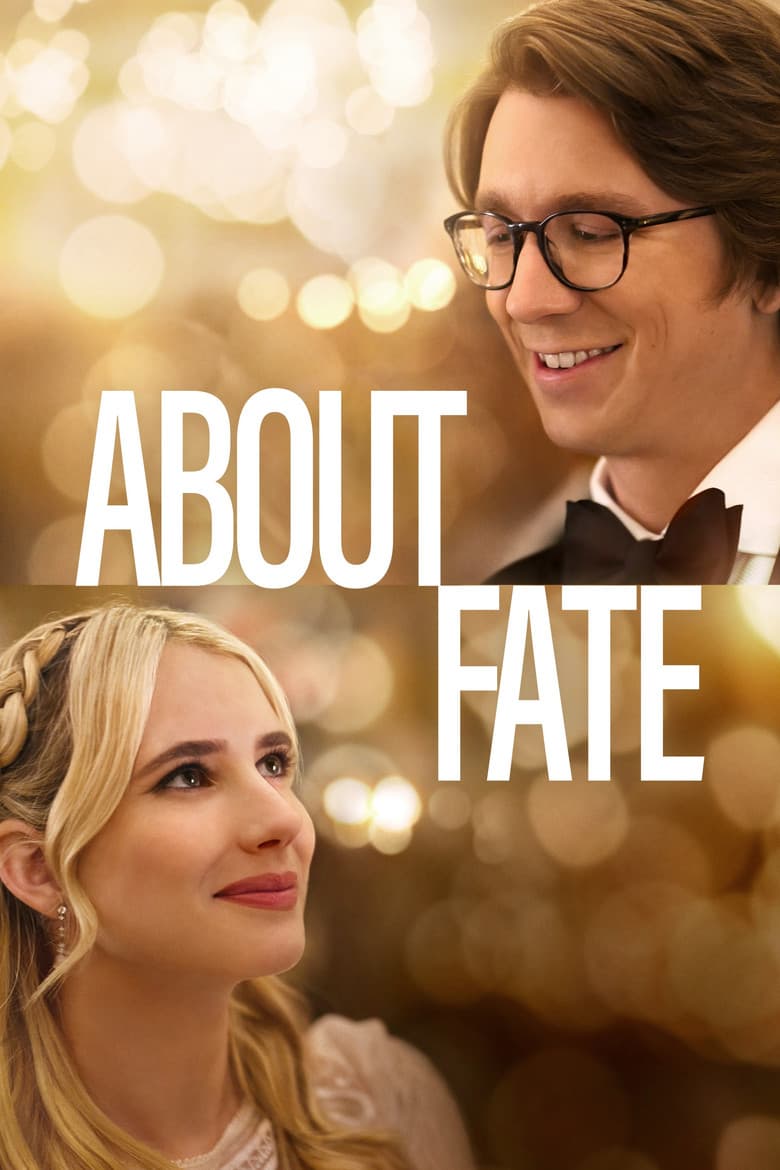
Two strangers believe in love but never seem to be able to find its true meaning. In a wild twist of events, fate puts each in the other's path on one stormy New Year's Eve.

Movie · 2020
Young musician Zach Sobiech discovers his cancer has spread, leaving him just a few months to live. With limited time, he follows his dream and makes an album, unaware that it…

Movie · 2023
After a disastrous first date, wild-child Nicole and socially-anxious Max vow to lose each other’s numbers until they learn that their dogs found a love match, and now puppies are…

Movie · 2016
Canadian folk artist Maud Lewis falls in love with a fishmonger while working for him as a live-in housekeeper.

Movie · 2018
Titu is going to marry a perfect woman named Sweety. Titu's best-friend Sonu doubts Sweety's character and tries to break the marriage while Sweety tries to do opposite and which…
Movie · 2016
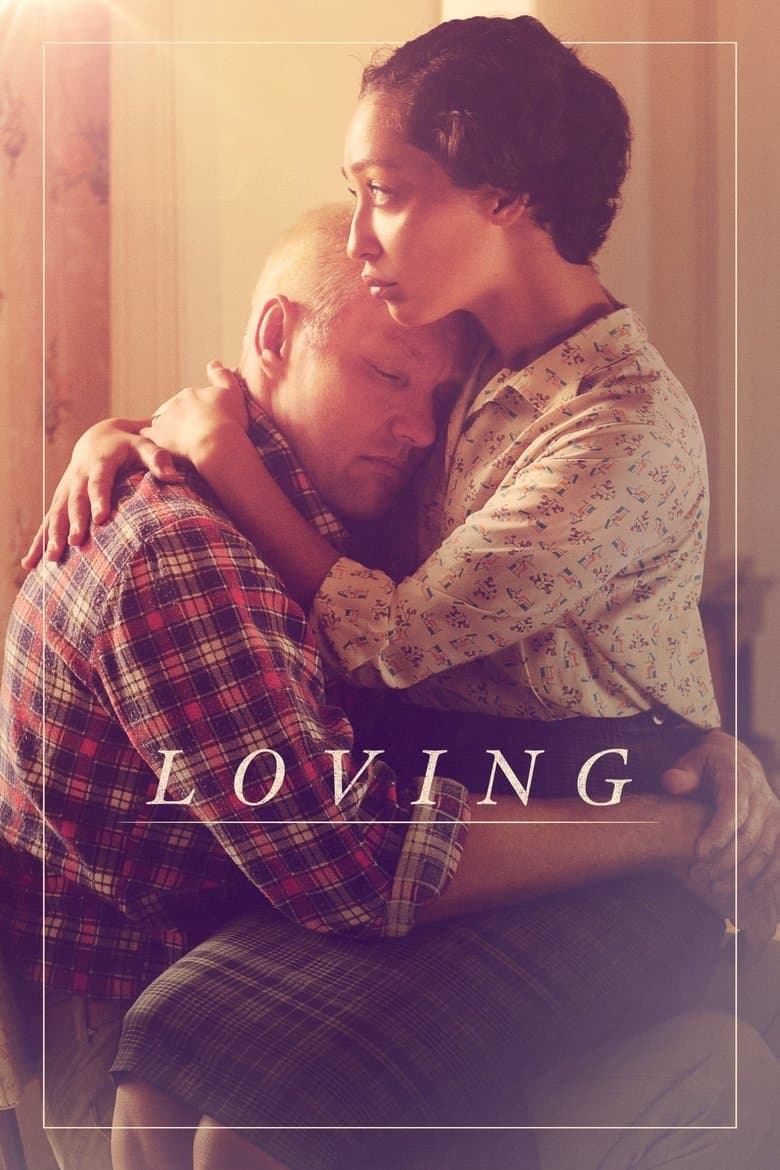
In 1958, in the state of Virginia, the idea of interracial marriage was not only considered to be immoral to many, it was also illegal.
Movie · 2018
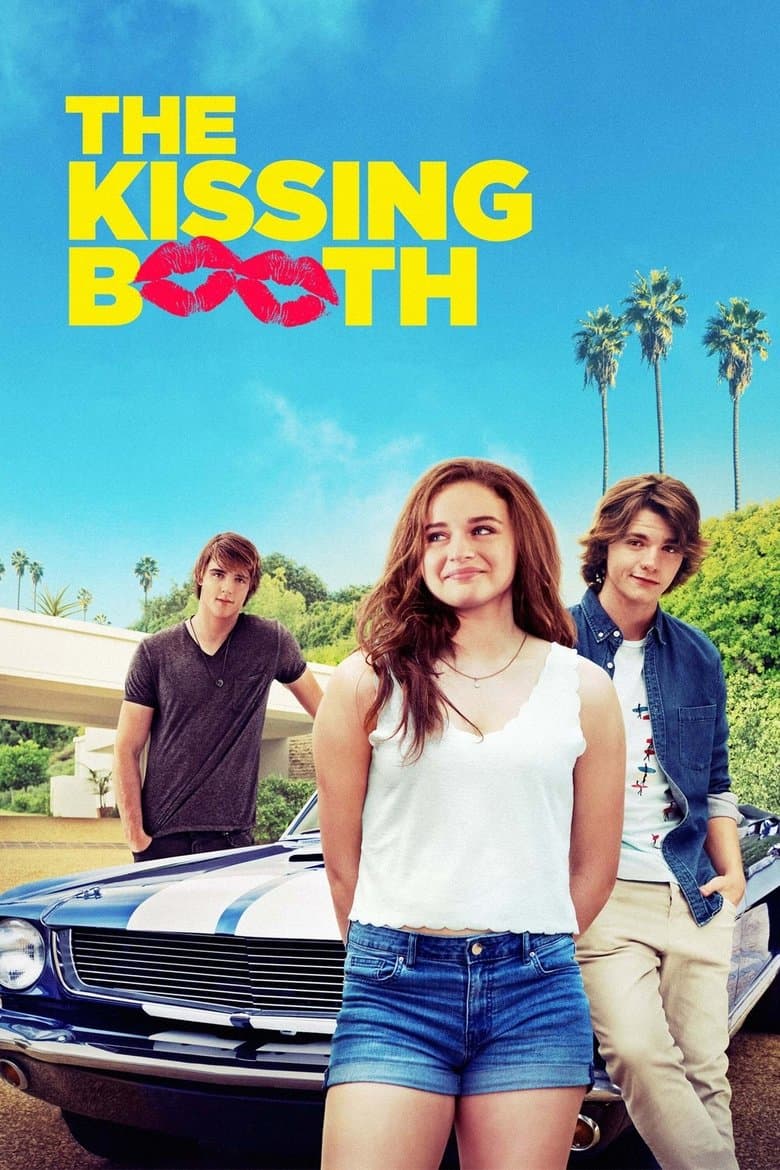
When teenager Elle's first kiss leads to a forbidden romance with the hottest boy in high school, she risks her relationship with her best friend.
