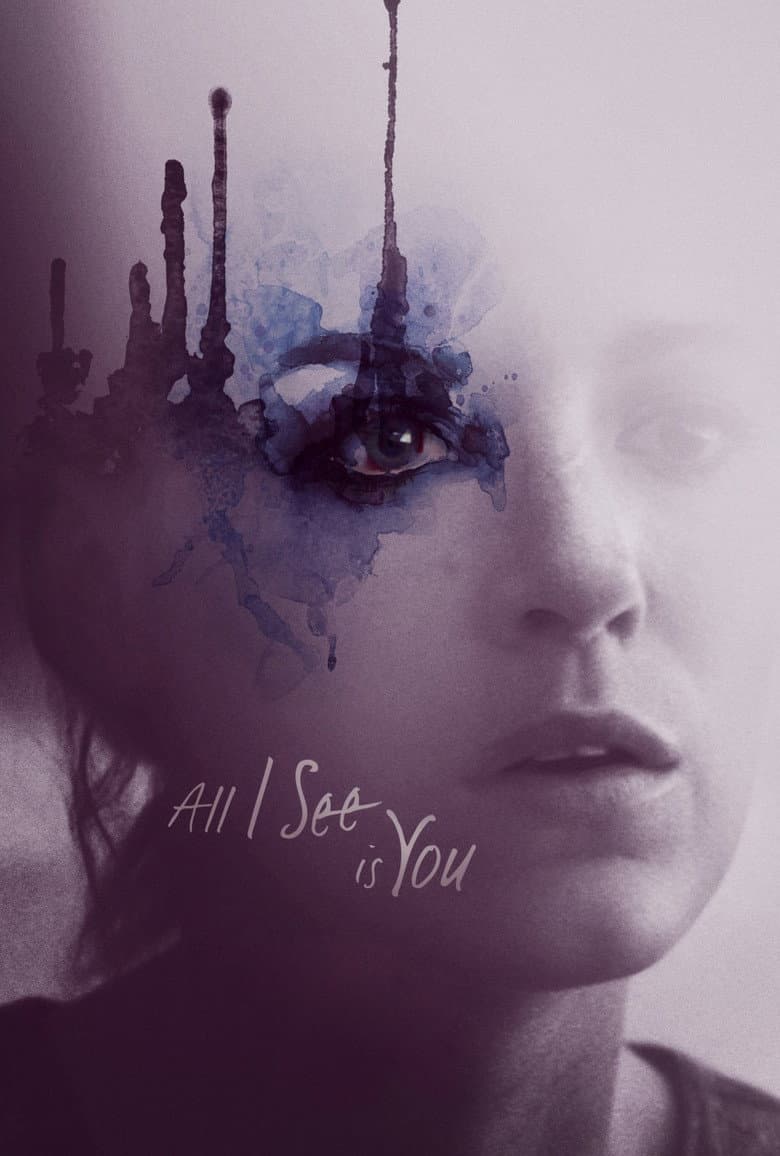
Gina has been blind since a childhood accident, and she lives with her husband, James, in Bangkok. An experimental operation restores sight in one eye, so Gina starts seeing the world and her marriage in a new way. James had guided much of her daily life, but he grows jealous when she wants a different home, new clothes, more sexual freedom, and a life less tied to him. The film moves from quiet marriage drama to a dark and strange thriller, with trips to Spain, painful secrets, and a tense fight over trust.
The clearest woke element is the film’s focus on female freedom against male control. Gina’s new vision becomes a symbol of her growing independence, while James is shown as threatened by a wife who no longer needs him. The story returns to this power struggle through his lies about her eye drops, her sexual choices, and the collapse of their marriage. The message is personal rather than political, because the film does not discuss parties, DEI, race, or wider social institutions.
Community feedback
Was our 38% Woke rating accurate?
Breakdown
These are the editorial factors and ratings behind our score for All I See Is You.
Woke representation / casting
Not present. The film uses the blind woman, expat setting, and supporting cast for the plot, not as a stated diversity or identity project. No prominent casting pattern is framed around race, gender, sexuality, religion, or disability.
0%
Woke political dialogue
Not present. The film has no clear speeches, jokes, or repeated lines about identity, DEI, activism, or party politics.
0%
Identity-driven story themes
All I See Is You makes a woman’s lost dependence and new freedom the center of the marriage story. Gina gains sight, explores sex and appearance, and begins to make choices without James. James reacts with jealousy and tries to keep control by lying about her eye drops. The film treats his fear of an independent wife as a major cause of the marriage’s collapse, although Gina is also shown as selfish and unfaithful.
44%
Western institutional / cultural critique
The film repeatedly presents the marriage as a power struggle built on Gina’s dependence on a man. James appears caring at first, but he becomes jealous when Gina dresses differently, wants a new home, and seeks more sexual freedom. His fear of losing authority is treated as a serious danger, and his tricks to keep her dependent are condemned. The story stays inside one troubled marriage and does not attack churches, government, capitalism, or Western institutions.
39%
Woke character or canon changes
Not relevant. The film is an original story about Gina and James. It does not change an established character, canon, or historical figure.
0%
Anti-woke backlash and complaints
Not present. No anti-woke complaints were found in the available X check or in the broader coverage reviewed. The available reaction mostly debates the plot, sex scenes, and marriage, so it does not support a backlash score.
0%
Creator track record context
Sean Conway wrote the transgender-led miniseries Hit & Miss, which shows interest in gender identity. Ron Perlman has a record of repeated left-wing public statements. Marc Forster’s work is mostly about human stories and does not show a strong identity-politics pattern, while the other listed creators have little documented activist work. This gives the title some background context, but it does not prove that the film carries a strong activist message.
31%
Production
Movie · 2017
Dr. Steven Murphy is a renowned cardiovascular surgeon who presides over a spotless household with his wife and two children.

Movie · 2018
After David Kim's 16-year-old daughter goes missing, a local investigation is opened and a detective is assigned to the case.
Movie · 2022
7 years after the case related to Vijay Salgaonkar and his family was closed, a series of unexpected events bring truth to light that threatens to change everything for the…
Movie · 2024
Roy Freeman, an ex-homicide detective with a fractured memory, is forced to revisit a case he can't remember.

Movie · 2022
One woman's journey for self-discovery and turns into a harrowing tale of survival.
Movie · 2021
A truffle hunter who lives alone in the Oregon wilderness must visit Portland to find the mysterious person who stole his beloved foraging pig.
Movie · 2025
When intelligence agent Kathryn Woodhouse is suspected of betraying the nation, her husband – also a legendary agent – faces the ultimate test of whether to be loyal to his…
Movie · 2016
If Nick Barrow can stay alive for 21 days, he'll die happy. Everyone Nick knows wants him dead; Mob bosses, contract killers, and dirty cops.
