
Ayan Sanger is a rich young man in London who studies for an MBA while dreaming of becoming a singer. He meets Alizeh Khan at a party, and the two build a close friendship while traveling between London, Paris, Vienna, and India. Ayan falls in love, but Alizeh still wants her former boyfriend, Ali, and she does not return Ayan’s feelings. A second relationship with Saba, an older divorced poet, helps Ayan understand what Alizeh means to him, while a late illness brings the friends together again. The film uses bright clothes, big songs, jokes, and tearful drama to tell a bittersweet story about love that cannot be shared.
The film gives Alizeh the right to reject a man and keep a close friendship without turning it into romance. Alizeh openly chooses a troubled ex, while Ayan must face his jealousy and his belief that friendship should become love. Saba is an older, divorced woman who has a sexual relationship with Ayan, and the story does not treat her age as the main problem. These choices create a noticeable identity-driven message about female choice, male entitlement, and different kinds of love, but the movie stays focused on private heartbreak instead of public politics.
Community feedback
Was our 44% Woke rating accurate?
Breakdown
These are the editorial factors and ratings behind our score for Ae Dil Hai Mushkil.
Woke representation / casting
The film casts an older divorced woman as a romantic partner for a younger man. Karan Johar publicly discussed ageism and why the film does not treat their age gap as a major problem. The Muslim and Pakistani identities in the cast fit the story world rather than forming a diversity-first group. This choice is visible in one major subplot but does not define the whole cast.
18%
Woke political dialogue
Alizeh calls Ayan a male chauvinist when he judges his girlfriend’s clothes. Alizeh says friendship can matter more than romance. Ayan argues that a man and a woman cannot stay just friends, and Alizeh rejects that idea. These lines make gender roles and relationship choices visible, but the film does not turn them into a political speech.
28%
Identity-driven story themes
Alizeh sets a clear boundary by refusing to turn her friendship with Ayan into romance. The story lets her choose a troubled former boyfriend even when Ayan seems kinder. Ayan’s repeated refusal to accept her answer makes male entitlement part of the conflict, although the film also treats his pain with sympathy. Saba is an older, divorced woman who openly begins a sexual relationship, and the film treats that as part of her adult life.
44%
Western institutional / cultural critique
Ayan repeatedly treats Alizeh’s friendship as a path toward romance and reacts badly when she says no. Alizeh pushes back against male chauvinism and the idea that men and women cannot be friends. The film does not attack Christianity, capitalism, or Western institutions. Its criticism stays inside a messy romance.
18%
Woke character or canon changes
Not relevant. The film is an original romance with no established characters or historical figures whose identities are changed.
0%
Anti-woke backlash and complaints
Not present. The reported boycott focused on Fawad Khan’s Pakistani nationality and India-Pakistan tensions after the Uri attack. It did not accuse the film of DEI or identity-politics messaging, and the supplied X pass found no anti-woke complaints.
0%
Creator track record context
Karan Johar has a sustained record of films and public comments about gender, sexuality, family change, and LGBTQ inclusion. His title interview calls the film a personal story about one-sided love. He also defended the older-woman and younger-man pairing and later agreed that Ayan’s rough behavior could be read as wrong. Marijke deSouza has a separate record of supporting queer stories, while the other listed creators have weaker public activist records.
48%
Production

Movie · 2025
Based on a true story, two down-on-their-luck musicians form a joyous Neil Diamond tribute band, proving it's never too late to find love and follow your dreams.
Movie · 2017
The story of four characters whose lives intertwine amid the hustle and bustle of the Coney Island amusement park in the 1950s: Ginny, an emotionally volatile former actress now…
Movie · 2023
Set in 1889 France, Dodin Bouffant is a chef living with his personal cook and lover Eugénie. They share a long history of gastronomy and love but Eugénie refuses to marry Dodin…

Movie · 2020
When illness strikes two people who are polar opposites, life and death bring them together in surprising ways.
Movie · 2017
A brilliant but impulsive young surgeon spirals into self-destruction after a painful breakup, struggling to cope with love, loss, and the consequences of his own temper.
Movie · 2016
In 1958, in the state of Virginia, the idea of interracial marriage was not only considered to be immoral to many, it was also illegal.
Movie · 2022
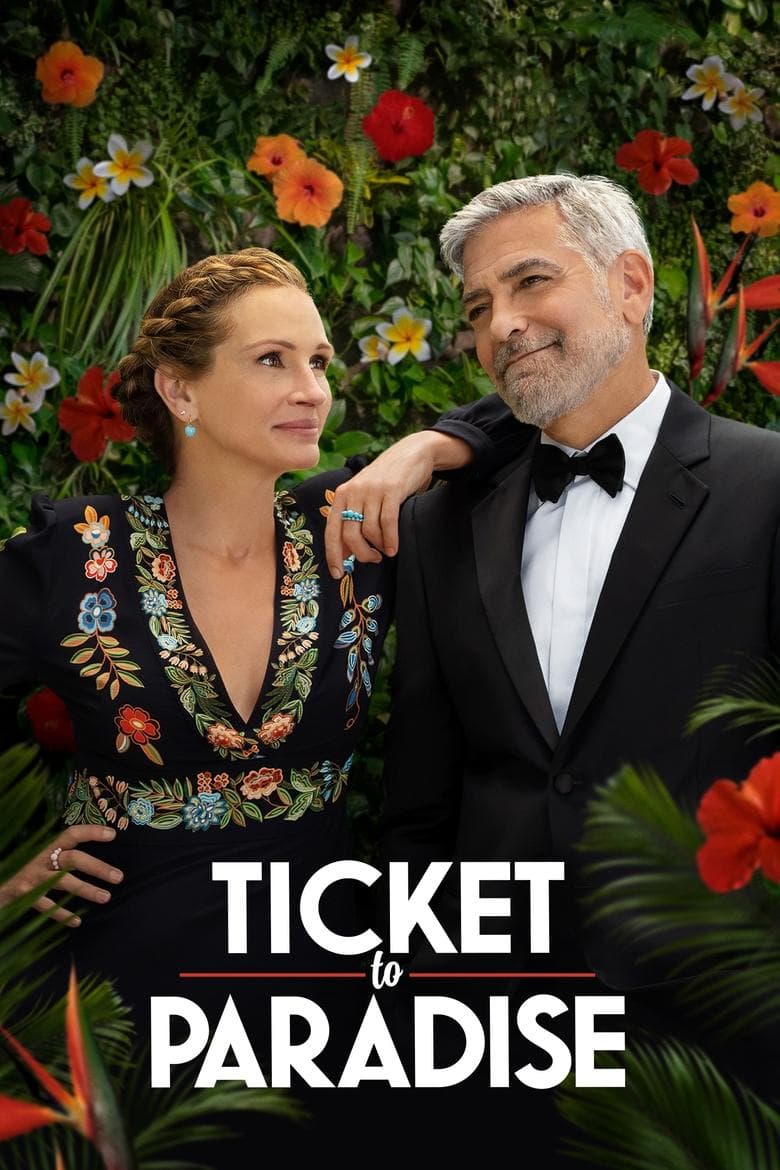
Divorced couple Georgia and David find themselves on a shared mission: they team up and travel to Bali to stop their daughter Lily from making the same mistake they once made 25…

Movie · 2017
Nothing is as it seems in this riveting World War 2 thriller as a wary soldier goes to investigate a mysterious German monarch at his secluded mansion, leading him into a web of…
