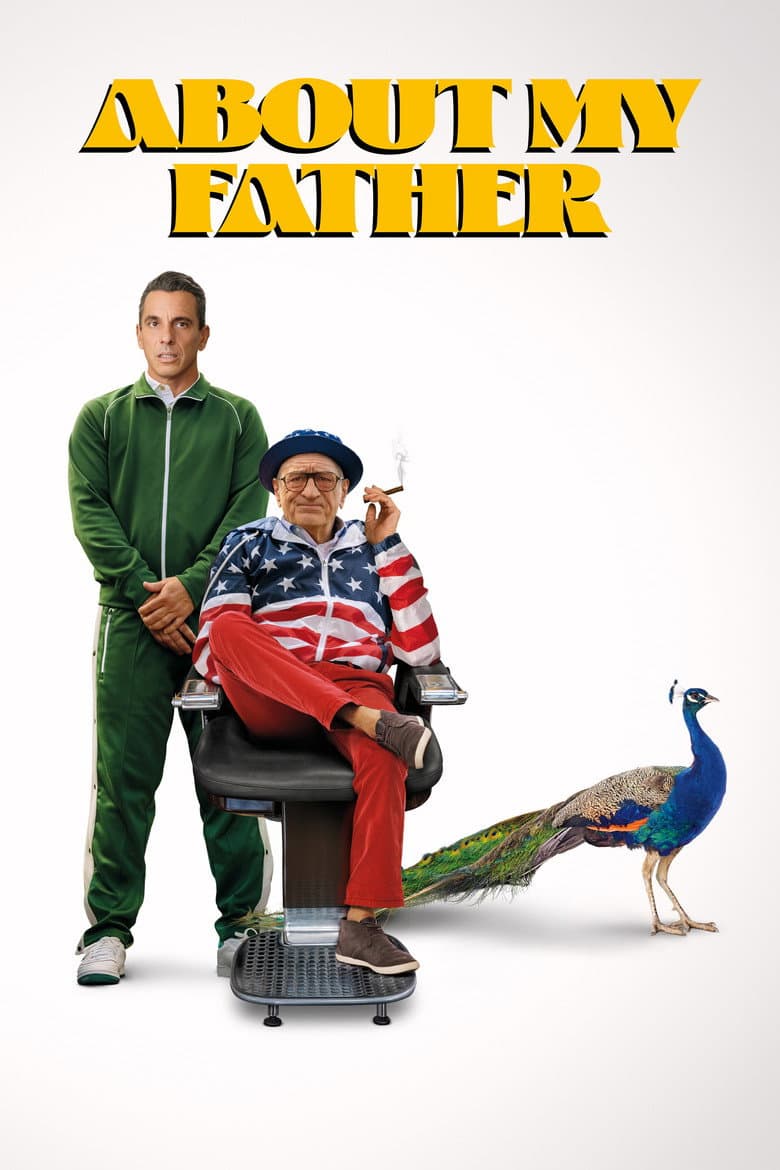
Sebastian is a Chicago hotel manager who wants to marry Ellie, a lively artist from a very wealthy family. He needs his widowed father, Salvo, to give him his grandmother's ring, but Salvo first demands to meet Ellie's parents. The men travel to the family's Virginia summer home for the Fourth of July, where Italian family habits meet old-money manners, private planes, yachts, and country-club games. The movie uses awkward visits, rude jokes, and wild accidents to tell a warm story about a son who learns to value his father.
The strongest identity material comes from the clash between Salvo's Italian immigrant family and Ellie's family, which traces its story to the Mayflower. Sebastian says both families are immigrants, but one group is treated as more respectable because it arrived first. The film also gives a brief line about a club built by enslaved people and a joke that a new haircut shows “gender fluidity.” Those moments are audience-visible, but they stay short and the main message favors family loyalty, hard work, love, and the American dream.
Community feedback
Was our 24% Woke rating accurate?
Breakdown
These are the editorial factors and ratings behind our score for About My Father.
Woke representation / casting
Not present. The main cast fits the movie's Italian-American and wealthy family setting. The film does not present its casting as a diversity or identity statement.
0%
Woke political dialogue
The senator says she cannot be anti-immigrant because her daughter is dating the son of an immigrant. Doug points out that the country club was built by enslaved people. A later joke says a new haircut gives Tigger “gender fluidity.” These lines are brief and comic, and the movie does not build its story around political debate.
12%
Identity-driven story themes
Sebastian's fear of entering Ellie's world drives the weekend story. The movie compares his Italian immigrant family with Ellie's family, which traces its roots to the Mayflower. Sebastian says both are immigrant stories, but one is treated as more respectable because it arrived first. The movie turns that class and culture gap into a lesson about accepting family, not a strong activist message.
24%
Western institutional / cultural critique
Not present. The movie makes jokes about old money, a country club, and a building linked to enslaved labor. It does not turn those jokes into a continuing attack on Western institutions, family life, or current culture.
0%
Woke character or canon changes
Not relevant. The movie is a loose story based on Sebastian Maniscalco's family life. It does not change an established character, canon, or real historical figure for an identity message.
0%
Anti-woke backlash and complaints
One small conservative X account called the film “leftist propaganda” after watching it. The post had almost no reach, with no likes and about six views. The search found no larger anti-woke pile-on, boycott call, or review-bombing campaign. The complaint is fringe and does not prove that the film contains the claimed message.
10%
Creator track record context
Paul Weitz and Dan Balgoyen have produced movies with feminist and LGBTQ themes. Chris Weitz has worked on projects and statements tied to immigration and progressive politics. Laura Terruso has publicly supported gender parity and representation in directing. Sebastian Maniscalco and Austen Earl have no strong public record of activist work, and the film itself stays focused on family and immigrant experience.
35%
Production
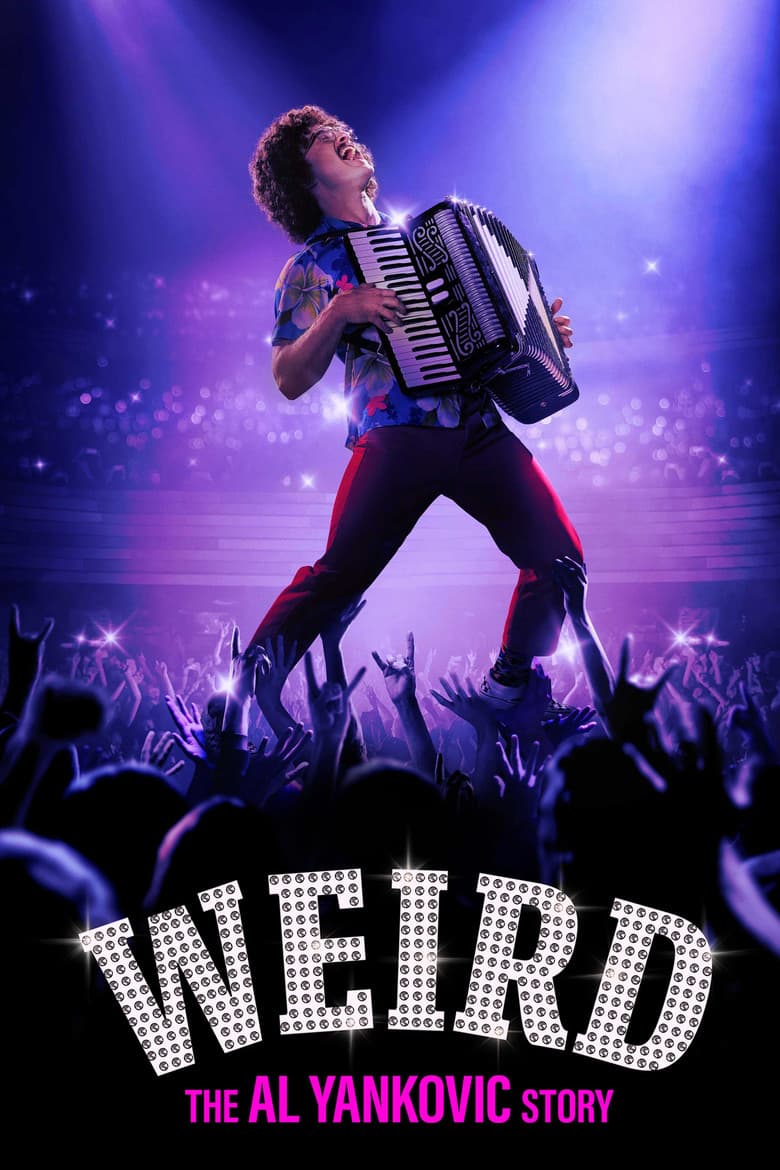
Movie · 2022
Exploring every facet of ‘Weird Al’ Yankovic’s life, from his meteoric rise to fame with early hits like ‘Eat It’ and ‘Like a Surgeon’ to his torrid celebrity love affairs and…
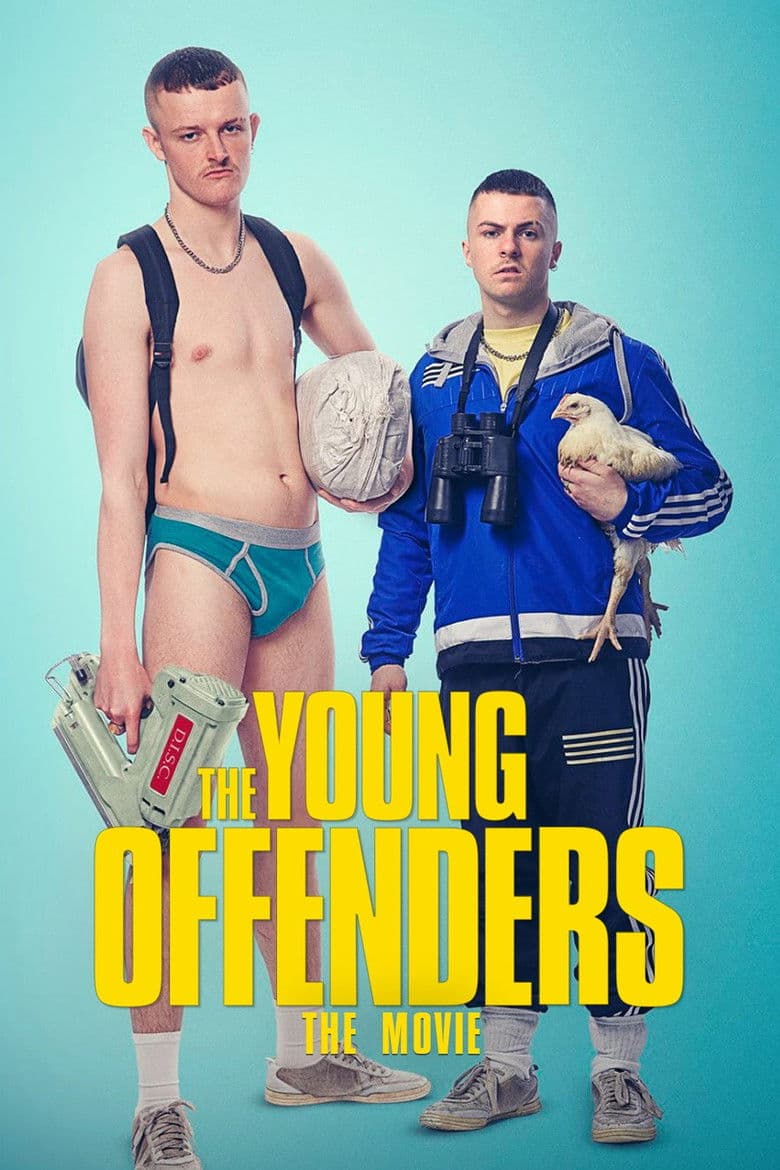
Movie · 2016
Two teenage boys from inner-city Cork steal bicycles and ride off on a 160km quest to find an unrecovered bale of cocaine worth 7,000,000 euros.
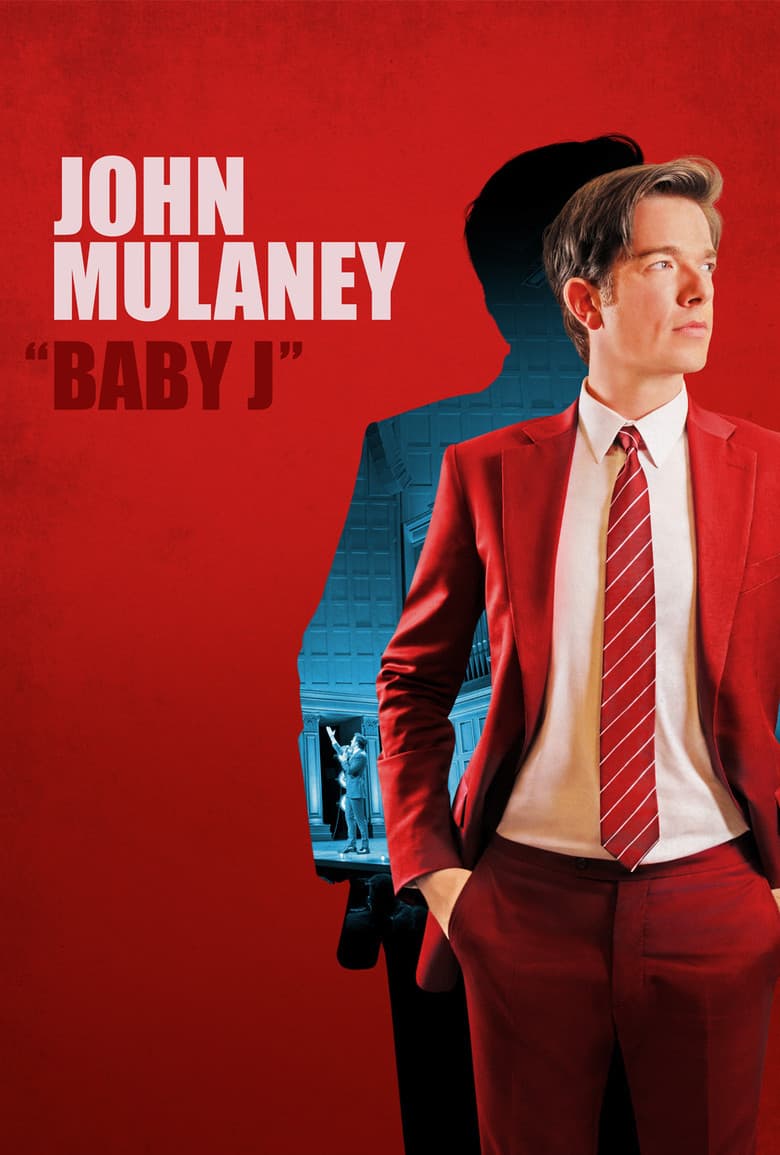
Movie · 2023
A chaotic intervention. An action-packed stay in rehab. After a weird couple of years, John Mulaney comes out swinging in his return to the stage.
Movie · 2024
Inseparable best friends AJ and Moose decide to run the local pool's snack shack after their plan to sell home-brewed beer goes down the drain.
Movie · 2018
Adam Sandler takes his comical musical musings back out on the road, from comedy clubs to concert halls to one very unsuspecting subway station.
Movie · 2016
A comedy that follows a group of friends as they navigate their way through the freedoms and responsibilities of unsupervised adulthood.
Movie · 2023
From his onstage tackle to the slap heard round the world, Dave Chappelle lets loose in this freewheeling and unfiltered stand-up comedy special.
Movie · 2023
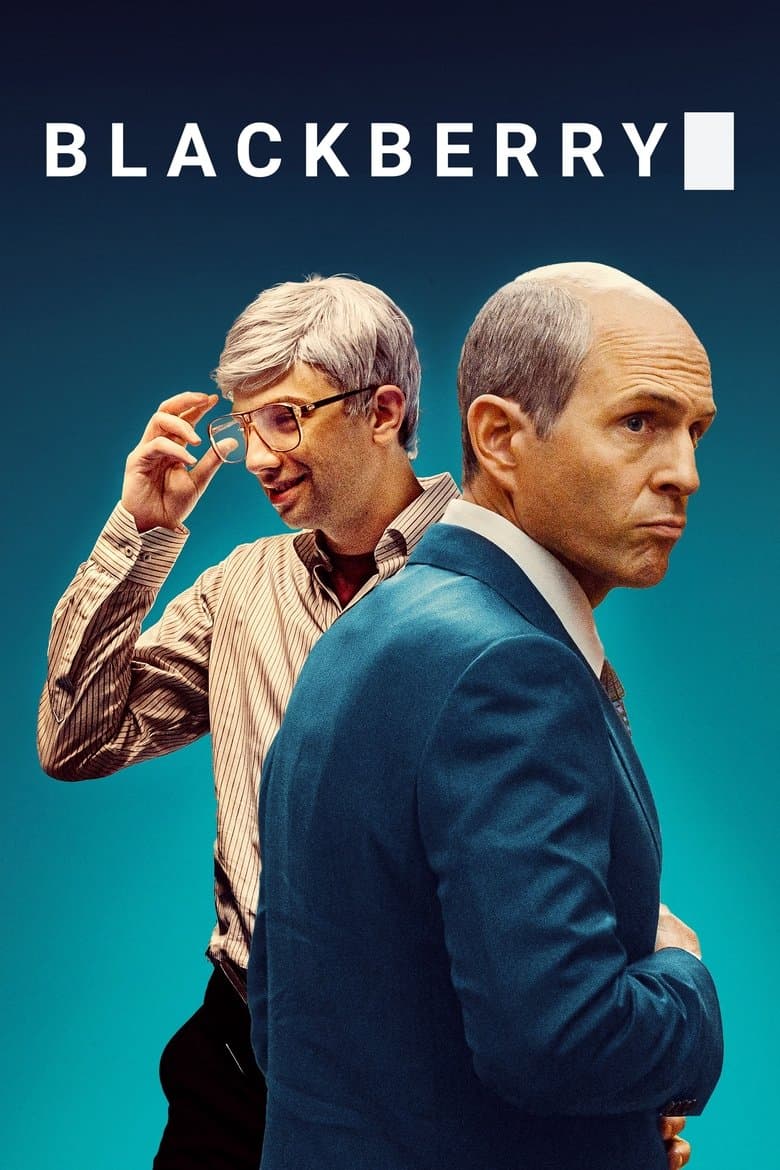
Two mismatched entrepreneurs – egghead innovator Mike Lazaridis and cut-throat businessman Jim Balsillie – joined forces in an endeavour that was to become a worldwide hit in…
