
Lola Alvarez is a wine executive in Los Angeles who loses credit for her work when a boss and a coworker take her idea. She quits, starts her own small wine business, and flies to an Australian sheep station to win a major client. Lola agrees to work as a ranch hand, where she clashes with and then falls for Max, the farm manager who is hiding his family link to the winery. The film uses bright scenery, jokes, wine, sheep, and a gentle romance, so the tone stays light even when Lola feels betrayed.
The clearest woke elements are a repeated focus on a woman proving her skill, leaving a bad boss, and building a business on her own. The film also gives Sam, an Indigenous farm worker, a continuing romance with her female partner Heidi, and it ends with their wedding and a kiss. Women hold important business roles, while the cast includes a visible queer supporting couple inside a mostly straight love story. These ideas are part of the characters and side plot, but they do not replace the main story about Lola, Max, work, and personal trust.
Community feedback
Was our 41% Woke rating accurate?
Breakdown
These are the editorial factors and ratings behind our score for A Perfect Pairing.
Woke representation / casting
The film places a woman at the center and gives major roles to women who own or lead businesses. The cast also includes Sam, a queer Indigenous farm worker with a continuing part in the story. These choices make the cast visibly diverse, but they fit a modern Los Angeles and Australian setting. The film does not strongly frame the casting itself as a political statement.
32%
Woke political dialogue
Not present. The dialogue covers wine, work, romance, and betrayal. The characters do not give speeches about identity politics, DEI, or activism.
0%
Identity-driven story themes
Lola repeatedly proves herself after leaving a dishonest boss and starting her own company. Sam is engaged to Heidi, and their relationship continues through the film. The story ends at Sam and Heidi’s wedding and includes their kiss. These themes are positive and visible, but Sam’s queer story remains a side plot beside Lola and Max’s romance.
48%
Western institutional / cultural critique
Not present. The film criticizes one dishonest boss, but it does not attack a wider social system. The story does not blame capitalism, men, Christianity, or Western institutions.
0%
Woke character or canon changes
Not relevant. The film is an original romance with no established characters, historical figures, or source story that it changes.
0%
Anti-woke backlash and complaints
A News9live review joked that the same-sex wedding showed Netflix being woke. A High on Films review called the queer character a token addition, and one IMDb user objected to a side gay couple. X research found no anti-woke posts, and no larger controversy was reported.
14%
Creator track record context
The director and writers have mainly commercial backgrounds with low woke scores. Producers Nathan Mayfield and Tracey Robertson have much stronger records of LGBTQ and First Nations storytelling. Other producers and the casting director show milder diversity signals. This creates a moderate creator track record signal.
30%
Production
Movie · 2025
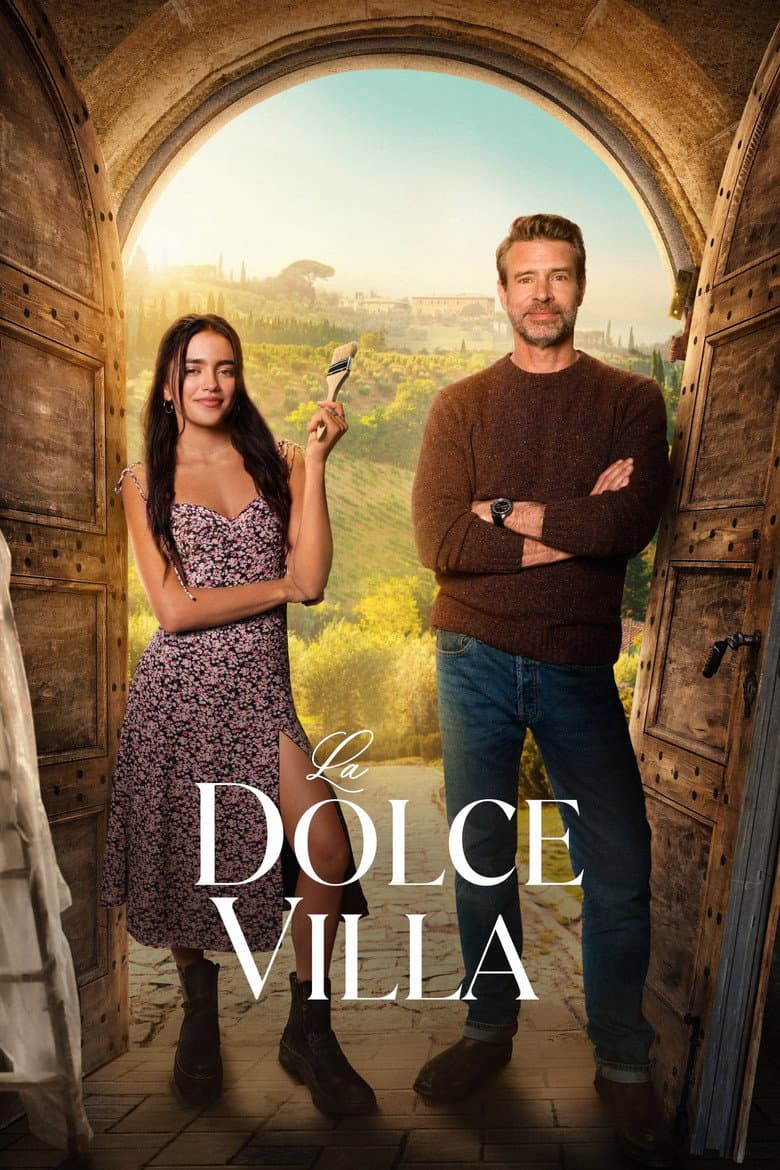
When his daughter decides to buy a crumbling Tuscan villa, Eric rushes to Italy to talk her out of it — and instead finds beauty, romance and new purpose.
Movie · 2017
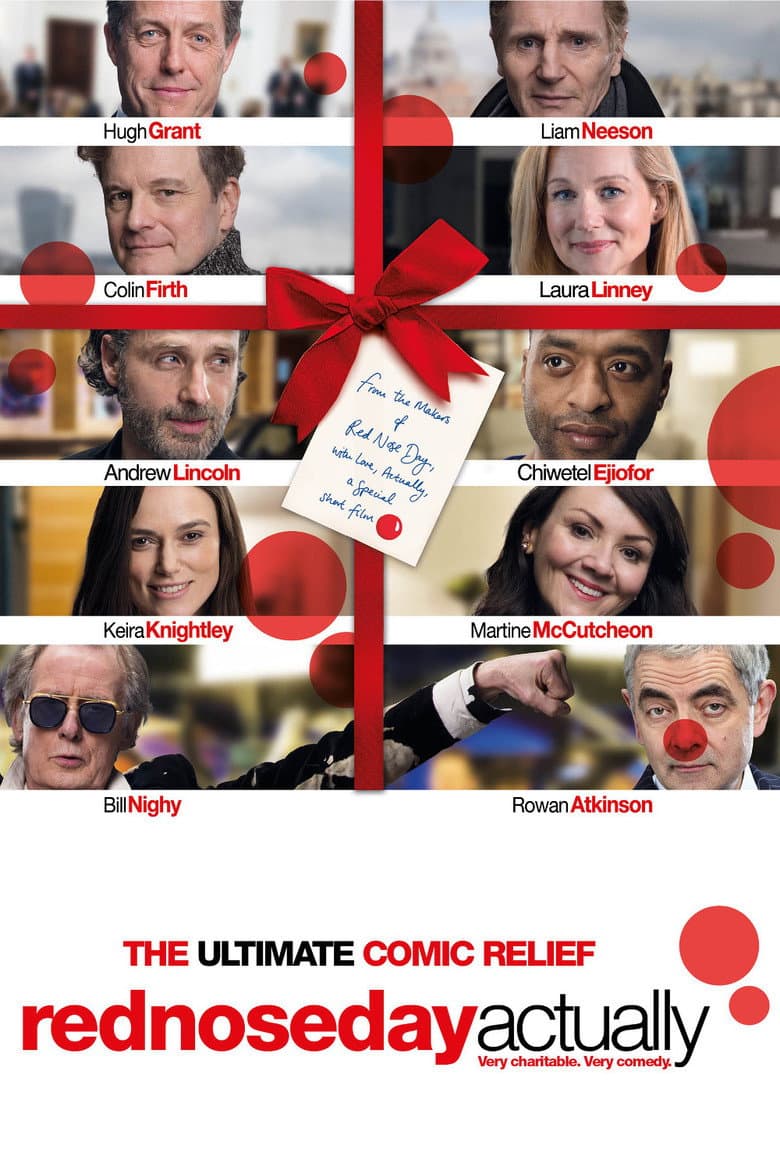
Fourteen years after the events of the original film, a series of encounters between people in Britain reminds us that in these different times Love, actually exists.
Movie · 2024
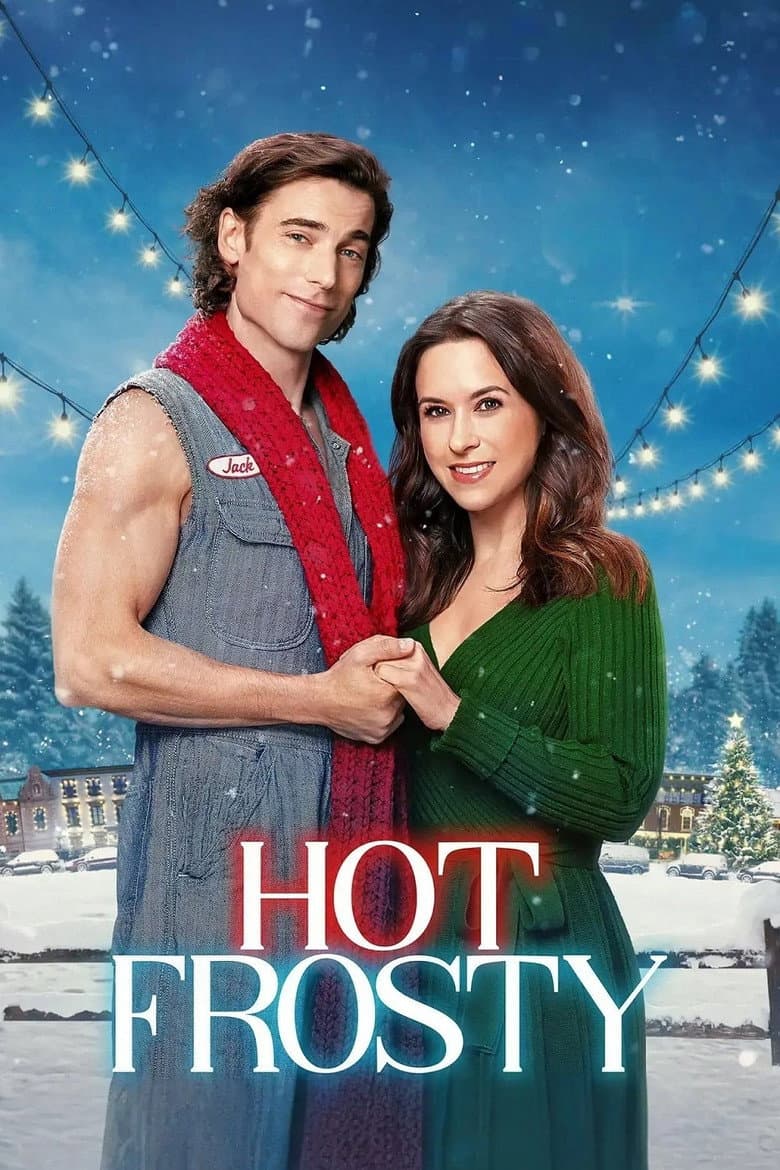
When a young widow's magic scarf brings a dashing snowman to life, can he help her rediscover romance, laughter and holiday cheer before he melts away?

Movie · 2020
Longtime friends and local radio hosts Maggie and Jack fake it as a couple for their families and listeners in hopes of getting their show syndicated.

Movie · 2019
Kat is an aspiring singer-songwriter who dreams of making it big. However, her dreams are stalled by her reality: a conniving and cruel stepfamily and a demoralizing job working…

Movie · 2016
Pop superstar Jordan Jaye has a big dream he just wants to live like a regular teenager. When he's chased down by some excited female fans, he finds a perfect hideout and a…
Movie · 2026
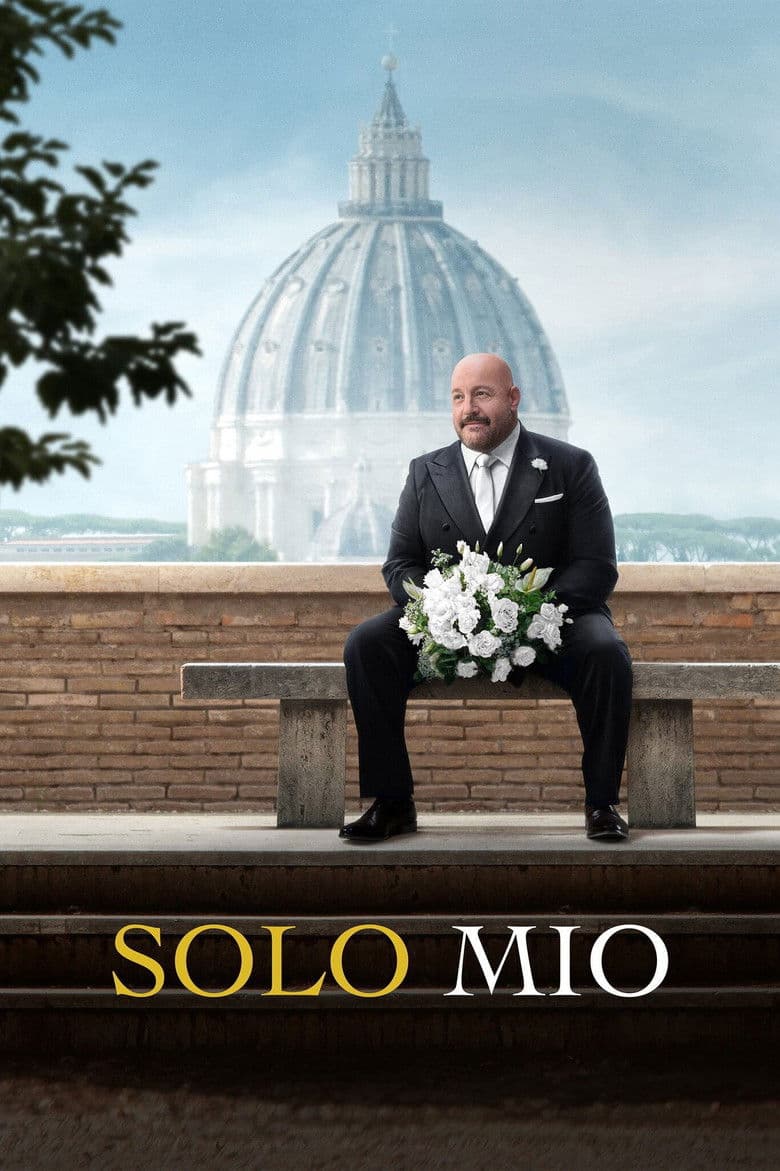
After Matt's dreams of a picturesque Italian wedding are shattered when his fiancée leaves him at the altar, he embarks on his planned honeymoon across Italy alone, immersing…
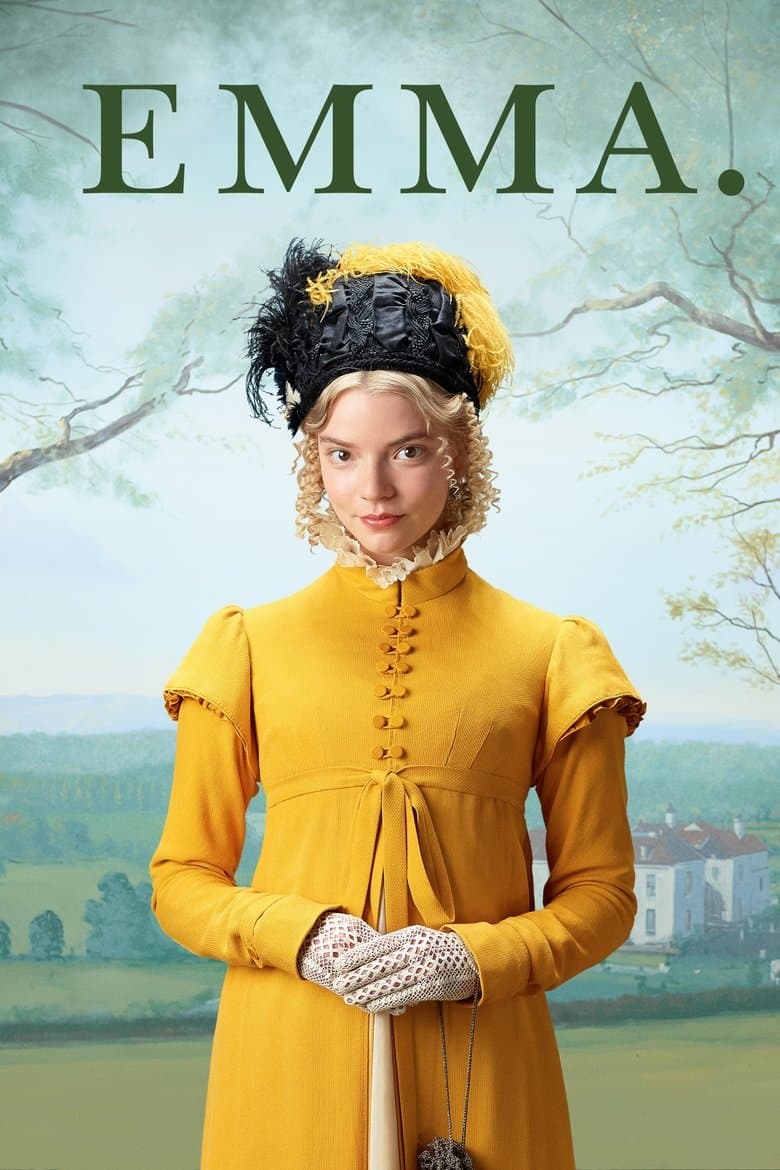
Movie · 2020
In 1800s England, a well-meaning but selfish young woman meddles in the love lives of her friends.
