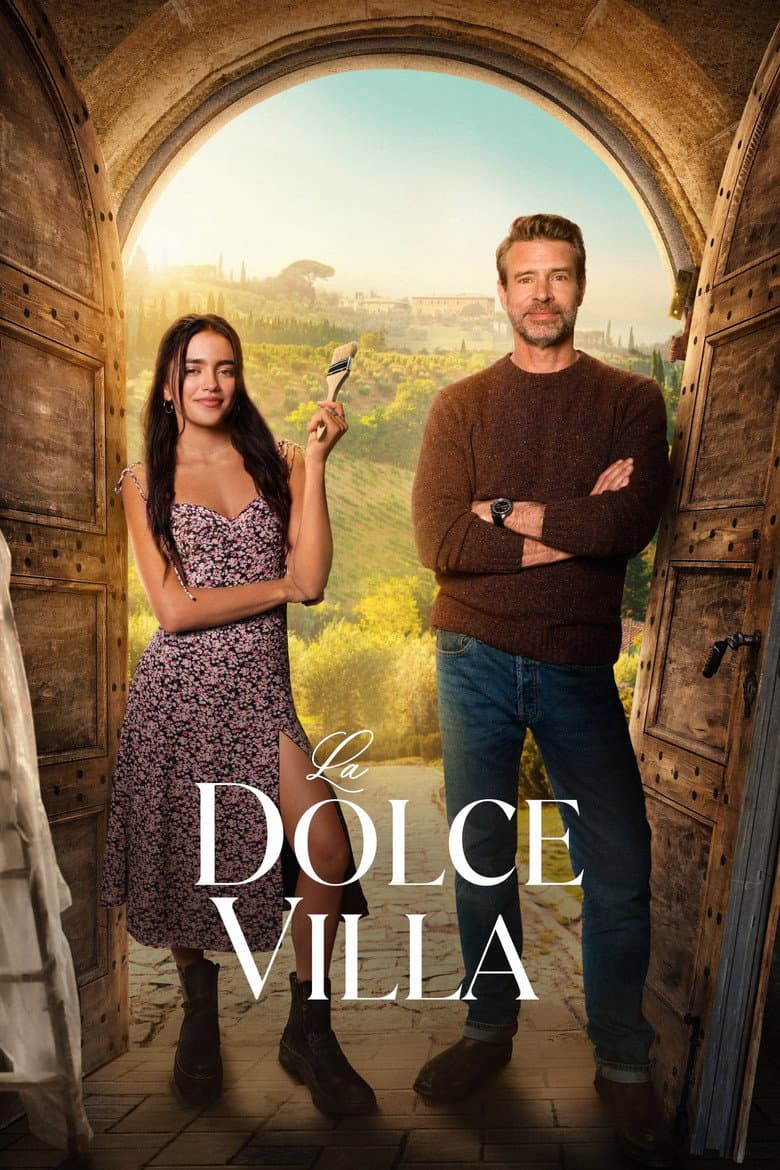
La Dolce Villa follows Eric Field, a successful Ohio businessman and widowed father. He travels to the Tuscan town of Montezara after his daughter Olivia buys a ruined villa for one euro. Eric plans to stop the purchase, but he joins the repair work and meets Francesca, the town’s widowed mayor. The warm romantic comedy mixes family pain, Italian scenery, food, jokes, and a second chance at love.
Olivia wants a new life in Italy and later finds a path toward interior design. Francesca leads plans to bring young people and visitors back to Montezara. The film also shows three older women who once ran a business and later teach at the new cooking school. A brief joke says that men have smaller brains, and the town adds sustainability projects and electric-car charging. These touches add mild female-empowerment and environmental content, but the main story stays focused on grief, family repair, romance, work, and community revival.
Community feedback
Was our 26% Woke rating accurate?
Breakdown
These are the editorial factors and ratings behind our score for La Dolce Villa.
Woke representation / casting
The film puts a woman in the visible role of mayor and gives Olivia a leading place in the story. The three older Antonias also have a past as businesswomen. The Italian setting explains the local cast, and the film does not frame its casting as a diversity campaign or use a clear identity mismatch.
16%
Woke political dialogue
The film includes a joke that men have much smaller brains and therefore have poor memories. The women also discuss being the first woman in town to own a business and the strain of serving as a female mayor. The film mentions sustainability plans and electric-car charging, but it does not build a political speech around them.
24%
Identity-driven story themes
Francesca is a female mayor who leads the plan to save Montezara. Olivia chooses a new life in Italy and later moves toward interior design. Three older women return to work by teaching at the cooking school. These empowerment touches recur in side scenes, but the main story centers on grief, family repair, romance, food, and starting over.
29%
Western institutional / cultural critique
Not present. The film shows local permits, town decline, and a jealous official, but it does not attack Western institutions, family life, faith, men, or traditional norms in a repeated activist way.
0%
Woke character or canon changes
Not relevant. The film is an original romantic comedy and does not change an established character, canon, or historical figure.
0%
Anti-woke backlash and complaints
Not present. The supplied X pass found no anti-woke reaction. Other audience and news reviews focused on weak writing, acting, stereotypes, or the daughter’s behavior, not woke, DEI, or identity politics.
0%
Creator track record context
Mark Waters and the writers mainly have commercial comedy, romance, family, and youth credits. Project Mc² gives the writers a small girls-in-science signal, and Deborah Evans has produced identity-focused shows. The cached creator context shows no strong pattern of activist statements or representation-first work, while Waters frames this film around family and comfort.
14%
Production
Movie · 2024
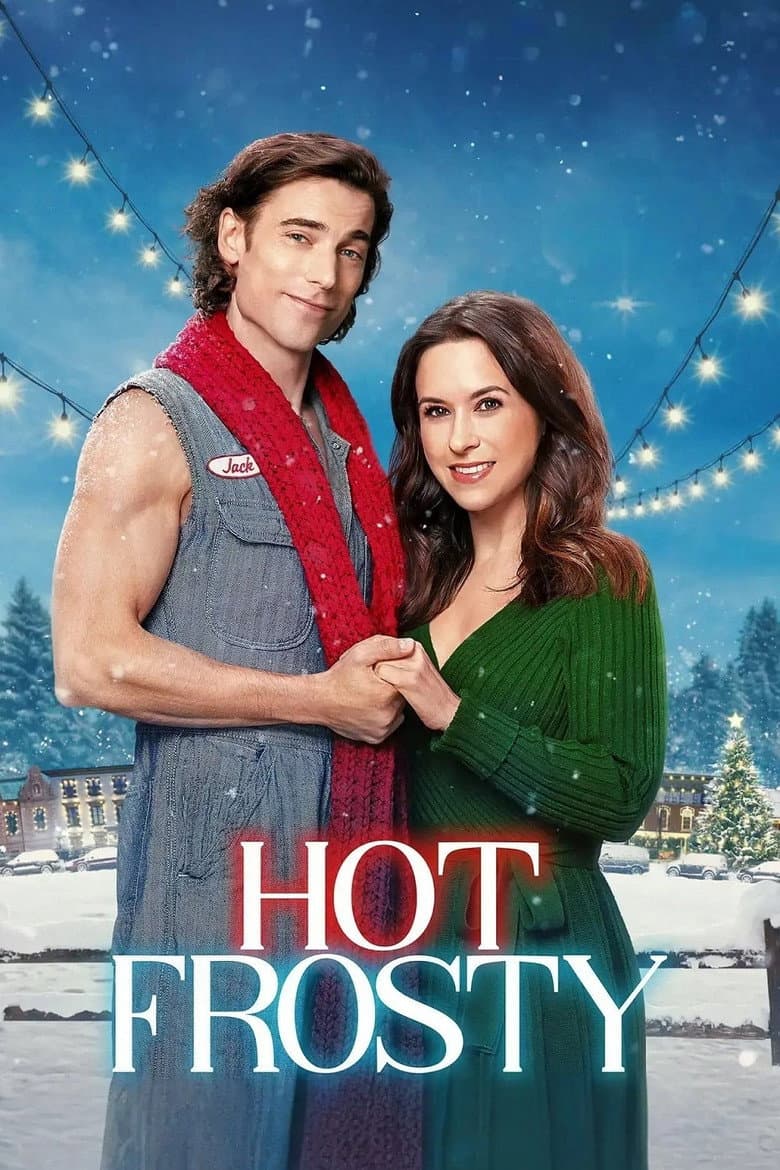
When a young widow's magic scarf brings a dashing snowman to life, can he help her rediscover romance, laughter and holiday cheer before he melts away?

Movie · 2017
Fourteen years after the events of the original film, a series of encounters between people in Britain reminds us that in these different times Love, actually exists.
Movie · 2026
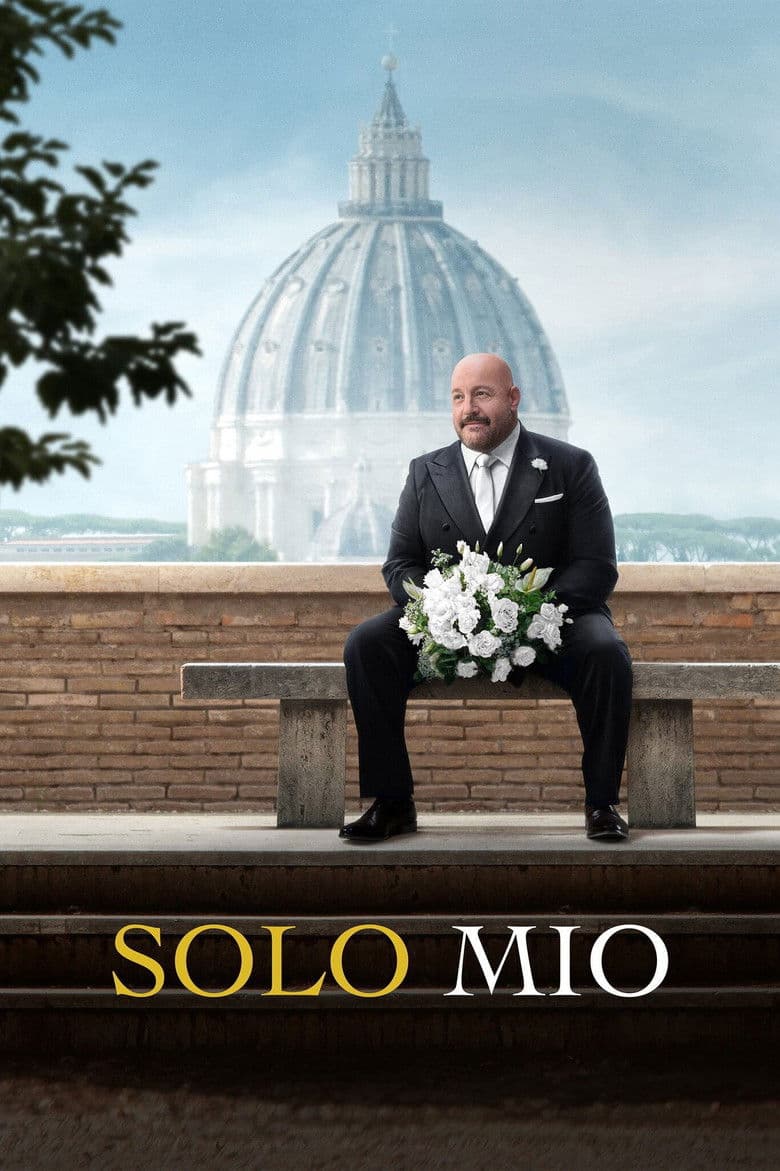
After Matt's dreams of a picturesque Italian wedding are shattered when his fiancée leaves him at the altar, he embarks on his planned honeymoon across Italy alone, immersing…
Movie · 2020
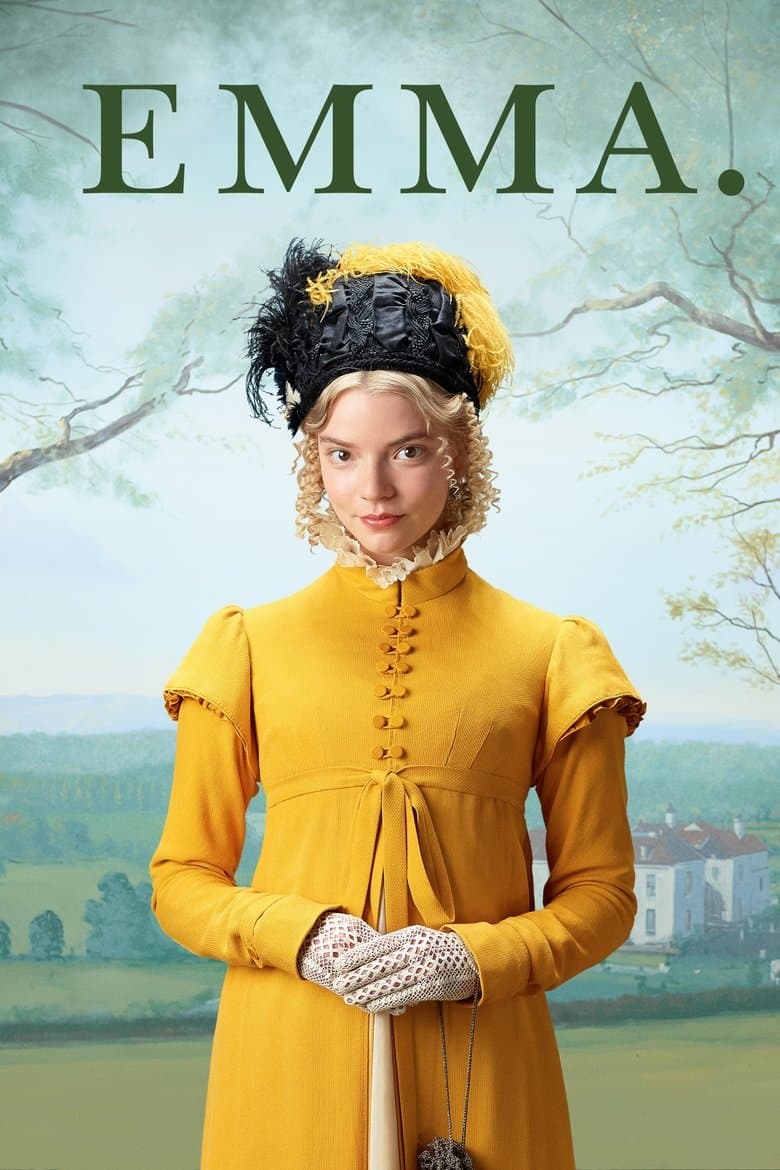
In 1800s England, a well-meaning but selfish young woman meddles in the love lives of her friends.

Movie · 2020
Longtime friends and local radio hosts Maggie and Jack fake it as a couple for their families and listeners in hopes of getting their show syndicated.
Movie · 2017
To inherit her father's company, socialite Ellen must first visit his small hometown, where she learns the value of hard work and helping others.

Movie · 2019
Kat is an aspiring singer-songwriter who dreams of making it big. However, her dreams are stalled by her reality: a conniving and cruel stepfamily and a demoralizing job working…

Movie · 2016
Pop superstar Jordan Jaye has a big dream he just wants to live like a regular teenager. When he's chased down by some excited female fans, he finds a perfect hideout and a…
