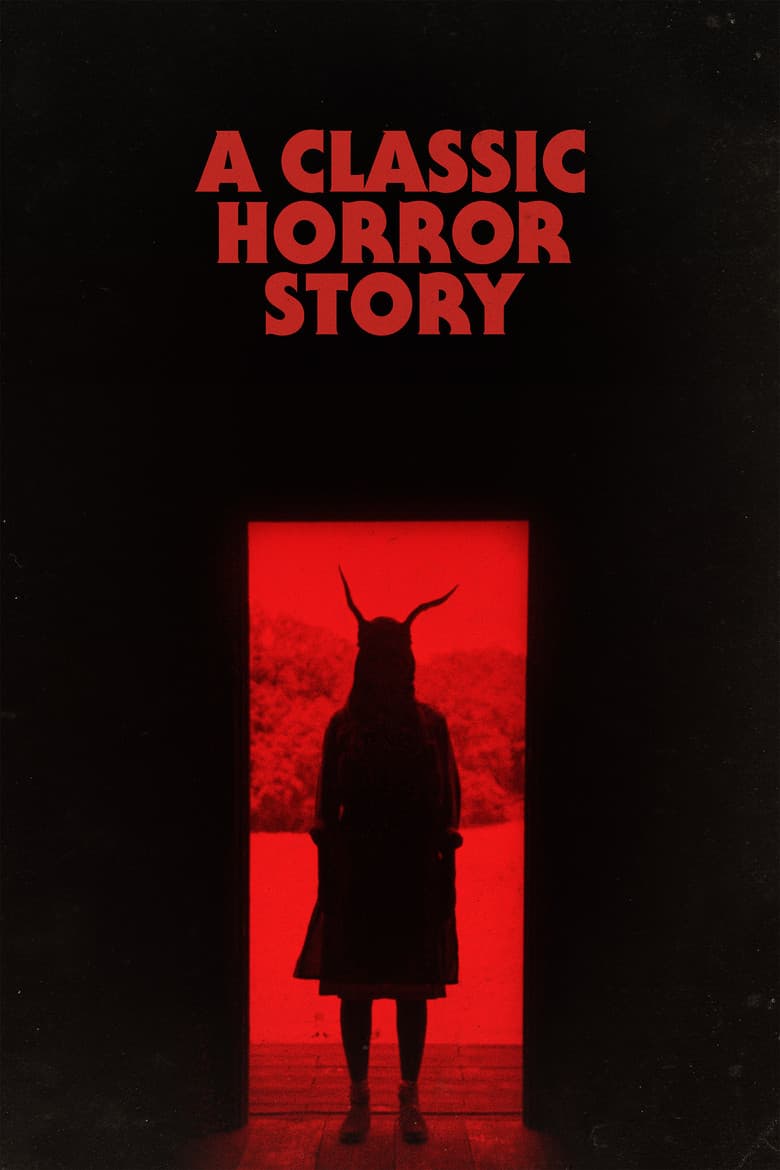
Elisa travels through southern Italy in a camper with four strangers. She is pregnant and plans to reach her parents to have an abortion, but she is not sure about the choice. After a crash, the road disappears and the group becomes trapped in a forest beside a strange wooden house. The film uses bloody killings, masks, folk tales, and sudden twists to create a tense and grim horror story.
The film gives Elisa a personal conflict about pregnancy, family pressure, and whether she wants the baby. Her mother pushes her toward an abortion because Elisa cannot afford to raise a child, while Elisa stays unsure. Elisa later becomes the last survivor and kills the filmmaker who arranged the murders. The larger story attacks mafia crime, violent online entertainment, and viewers who treat real suffering like a show.
Community feedback
Was our 30% Woke rating accurate?
Breakdown
These are the editorial factors and ratings behind our score for A Classic Horror Story.
Woke representation / casting
Not present. The main group is made up of ordinary travelers in a modern Italian setting. The film does not frame their casting as a diversity or identity statement.
0%
Woke political dialogue
Not present. The dialogue discusses the mafia, horror films, television, and social media. It does not push modern identity, DEI, gender, or activist ideas.
0%
Identity-driven story themes
Elisa’s pregnancy and planned abortion shape her trip and her choices. Her mother pressures her because she thinks Elisa cannot afford a baby, while Elisa remains unsure. The ending shows Elisa holding her stomach after she escapes. Elisa also becomes the final survivor and kills the man who trapped her. The film presents these points as personal horror, not as a broad campaign about women’s rights.
28%
Western institutional / cultural critique
The film attacks the way television, social media, and streaming turn real pain into entertainment. Fabrizio complains that Italy rejects horror films while crime shows draw viewers who enjoy real suffering. The mafia turns filmed murders into a product, and the ending shows viewers judging the footage like ordinary entertainment. This is a recurring media and crime critique, but it does not target patriarchy, Christianity, conservative politics, or traditional family life.
33%
Woke character or canon changes
Not relevant. The movie is an original horror story and does not change an established character, canon, or real historical figure.
0%
Anti-woke backlash and complaints
Not present. Public reaction focused on the twist, gore, and borrowed horror ideas. No sustained complaint said that the film pushed DEI, identity politics, or left-wing politics.
0%
Creator track record context
Paolo Strippoli has a cached score of 52/100 and often explores identity, social pressure, body expectations, and rigid ideas about masculinity through horror. Roberto De Feo has a cached score of 43/100 and often explores family control, isolation, and social problems. Their title-related interviews match this pattern through discussion of media violence, mafia folklore, and the viewer’s appetite for death. The writers and producers do not show a clear, lasting activist or DEI public profile.
28%
Production
Movie · 2024
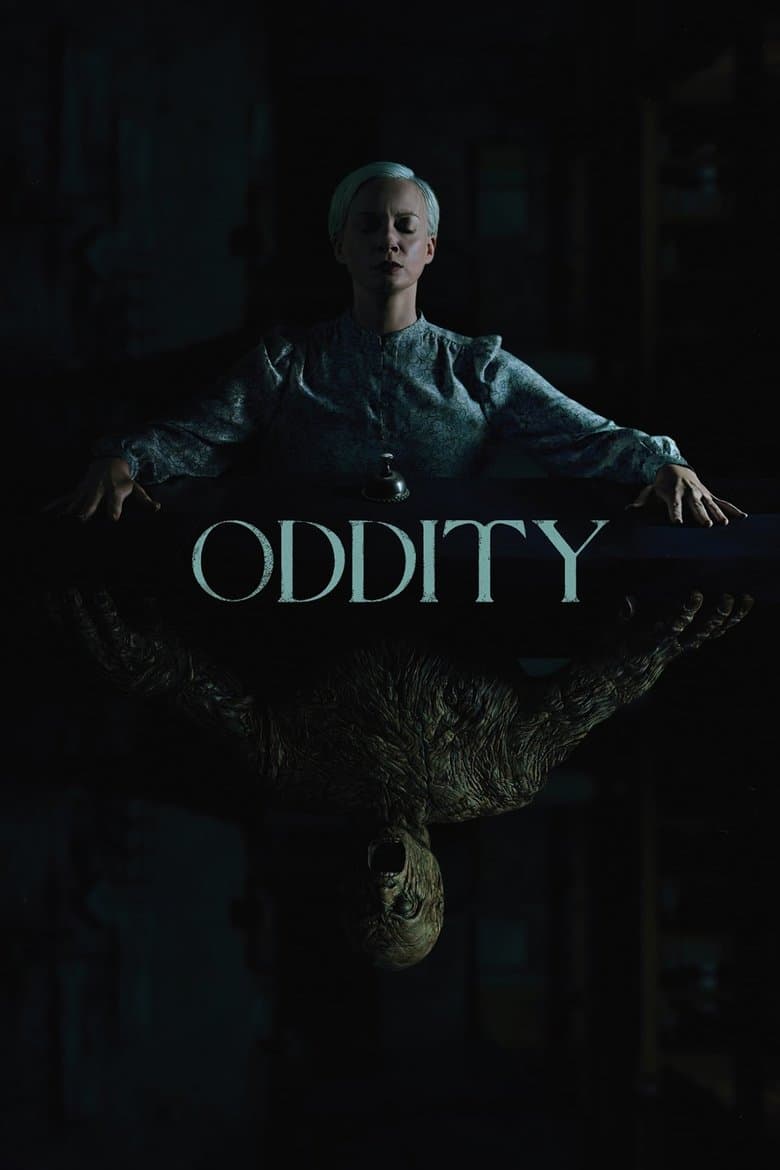
After the brutal murder of her twin sister, Darcy goes after those responsible by using haunted items as her tools for revenge.
Movie · 2019
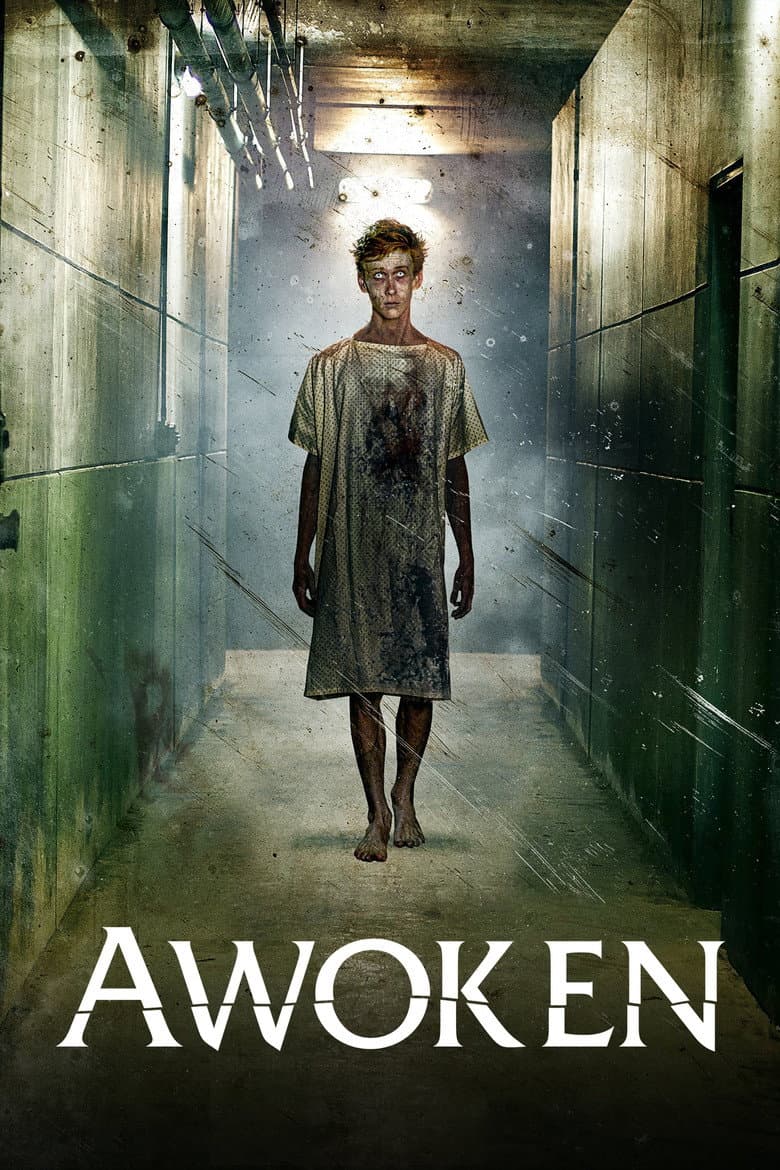
Karla, a young medical student, is trying to cure her brother, Blake, from a terminal sleep illness called Fatal Familial Insomnia, where you are unable to sleep until you die.
Movie · 2016
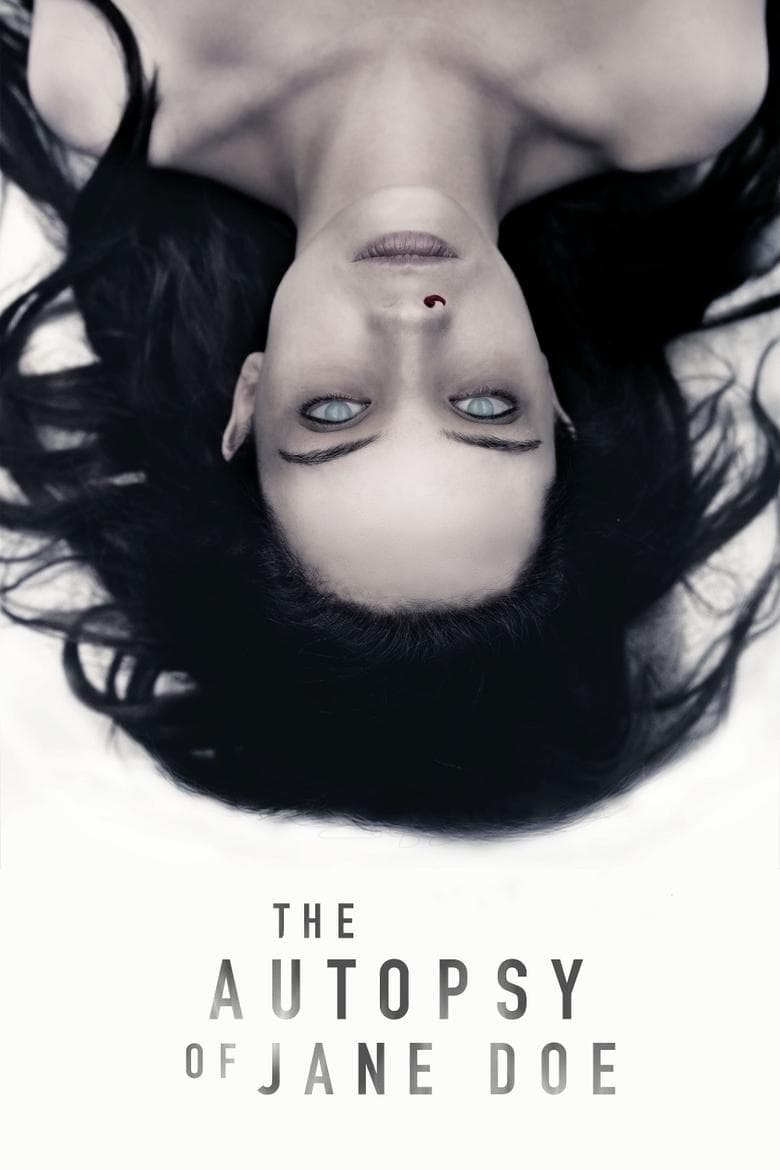
Father and son coroners receive a mysterious unidentified corpse with no apparent cause of death. As they attempt to examine the "Jane Doe," they discover increasingly bizarre…
Movie · 2025
One year after her sister Melanie mysteriously disappeared, Clover and her friends head into the remote valley where she vanished in search of answers.
Movie · 2023
After a Black Friday riot ends in tragedy, a mysterious Thanksgiving-inspired killer terrorizes Plymouth, Massachusetts - the birthplace of the holiday.
Movie · 2019
Counselors are being killed off at summer camp, and Sam is stuck in the middle of it. Instead of contacting the cops, he calls his friend and slasher-film expert Chuck to discuss…
Movie · 2016
A young nurse takes care of an elderly author who lives in a haunted house.
Movie · 2026
In a post-apocalyptic future where an event known as "The Quiet Rapture" caused all known stars and habitable planets in the universe to disappear, a convict is sent to search an…
