Movie review
October 14, 2020 · 95 min · PG · Kids · Fantasy · Comedy · Adventure · Family
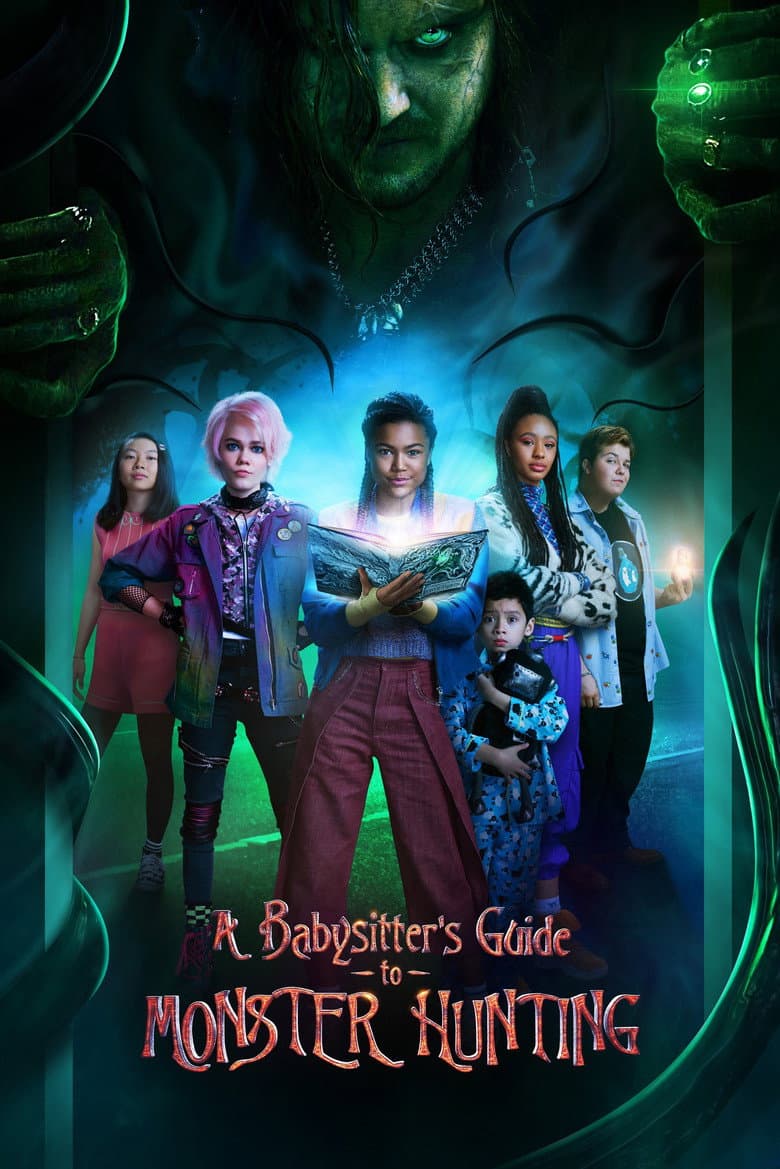
Kelly Ferguson is a shy high school student in Rhode Island who is known as “Monster Girl” after a childhood meeting with the Boogeyman. On Halloween, she babysits Jacob, a boy whose nightmares can become real. The Boogeyman kidnaps Jacob, so Kelly joins Liz and a secret order of babysitters who protect children from monsters. The movie mixes light horror, jokes, school worries, friendship, and a fast adventure.
Kelly is a black math whiz, and the story makes her the main problem solver and fighter. The babysitter order is mostly made up of girls who lead missions, use special skills, and save the day. Liz and Kelly grow stronger by trusting each other, while Jacob also finds courage and helps stop the monsters. Kelly briefly names climate change and inequality as real fears, and the film openly uses female empowerment and STEM ideas, but it does not build a larger political story around them.
Community feedback
Was our 67% Woke rating accurate?
Breakdown
These are the editorial factors and ratings behind our score for A Babysitter's Guide to Monster Hunting.
Woke representation / casting
The film puts Tamara Smart, a black actress, in the lead role of Kelly, a teenage math whiz and monster fighter. The secret babysitter group is mostly girls and includes several non-white characters in active roles. Kelly's race is not explained by the plot, and her role is promoted alongside the film's girl-power message. The group is diverse but not an overwhelming representation-first cast.
52%
Woke political dialogue
Kelly says that she is now scared of real-life problems such as climate change and inequality. She adds talking to boys and everything she reads on Twitter as part of the joke. The film does not return to these issues or build a political debate around them.
27%
Identity-driven story themes
Kelly is the main hero and uses math, bravery, and special skills to save Jacob. The secret order is mostly made up of girls who train, lead missions, and fight the monsters. Liz teaches Kelly, and Kelly later saves the group and earns a place in the order. Male characters are mostly helpers, comic figures, or people who need rescue, although Jacob helps at the end.
62%
Western institutional / cultural critique
Not present. The film does not attack religion, family, government, or other Western institutions. Its conflict is about monsters, fear, bullying, and teamwork.
0%
Woke character or canon changes
The film adapts Joe Ballarini's book. The source book describes Kelly as a white girl, while the film makes her a black girl played by Tamara Smart. This changes the race of the central hero even though the plot does not explain the change. The film also ages Kelly up, but that is an ordinary story change.
48%
Anti-woke backlash and complaints
Two Rotten Tomatoes users objected to Kelly naming climate change and inequality as fears. One user called the line brainwashing for children. The wider search found no large boycott, review-bombing, or news campaign, and the X pass found no anti-woke reaction. The available complaints are few and come from audience reviews.
12%
Creator track record context
Rachel Talalay has a feminist and justice-focused work history, and she said the film's female empowerment and STEM elements mattered to her. Joe Ballarini has supported strong female characters, while Naia Cucukov and Amie Karp have public representation-focused records. The other producers and the casting director have little or no activist record. The context supports the film's girl-power focus but is not a strong political record across the whole team.
34%
Production
Movie · 2017
A dog goes on quest to discover his purpose in life over the course of several lifetimes with multiple owners.
Movie · 2025
When a young girl’s sketchbook falls into a strange pond, her drawings come to life—chaotic, real, and on the loose.
Movie · 2017
When Chloe discovers that her new home's garden gnomes are not what they seem, she must decide between the pursuit of a desired high school life and taking up the fight against…
Movie · 2018
Siblings Kate and Teddy try to prove Santa Claus is real, but when they accidentally cause his sleigh to crash, they have to save Christmas.
Movie · 2019
A young girl named June with a big imagination makes an incredible discovery -- the amusement park of her dreams has come to life.
Movie · 2017
A small but brave donkey and his animal friends become the unsung heroes of the greatest story ever told: the first Christmas.
Movie · 2022
Puss in Boots discovers that his passion for adventure has taken its toll: He has burned through eight of his nine lives, leaving him with only one life left.
Movie · 2026
This is the rambunctious, ridiculous and totally true story of how the Minions conquered Hollywood, became movie stars, lost everything, unleashed monsters onto the world and then…
