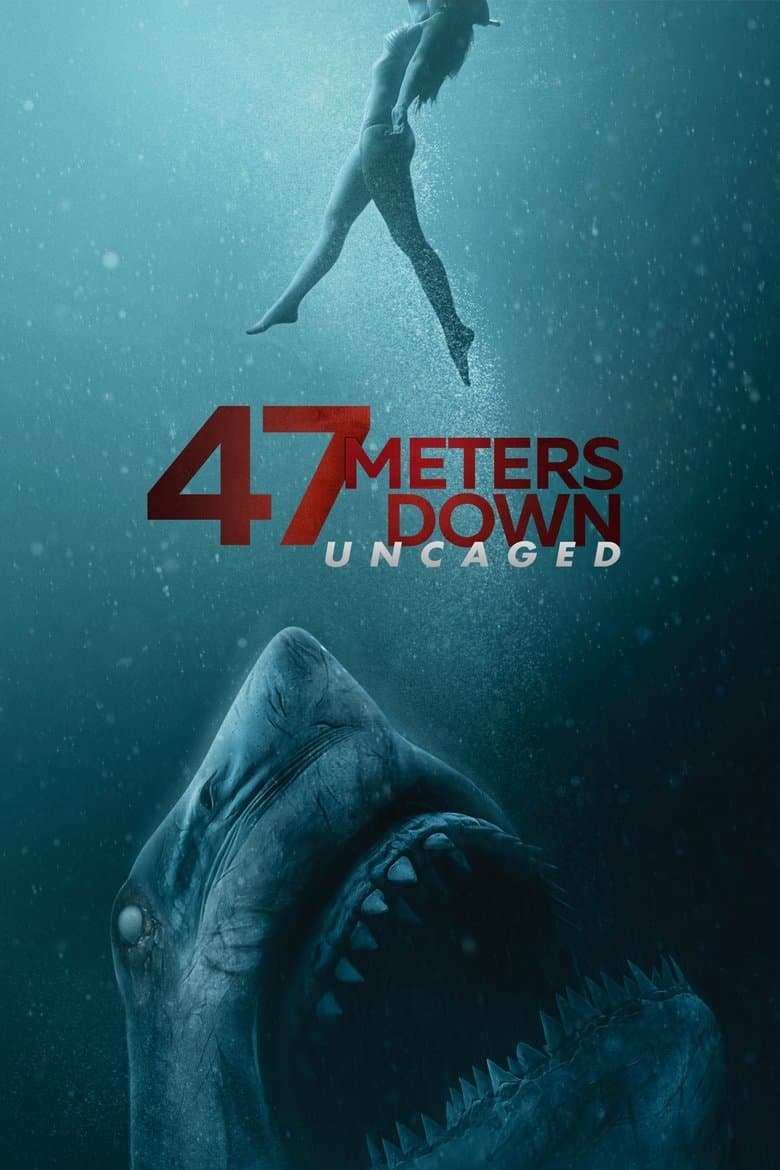
Mia is a shy teen who faces bullying after moving to Mexico with her new family. Her more popular stepsister Sasha does little to help her at first. Sasha and two friends take Mia diving inside a flooded Mayan city, where blind great white sharks trap them in dark tunnels. The movie plays as a fast and tense survival story built around low air, tight caves, and sudden attacks.
The four main girls form a clearly mixed group with white, Black, and Asian members. Mia and Sasha also belong to a blended family with a white father and a black mother. The girls make the key choices, face the danger, and save one another without a male hero leading them out. Their bond matters to the ending, but the story treats it as family teamwork and survival rather than a speech about race, gender, or politics.
Community feedback
Was our 31% Woke rating accurate?
Breakdown
These are the editorial factors and ratings behind our score for 47 Meters Down: Uncaged.
Woke representation / casting
The story puts four teenage girls in nearly every main action role. The group has two white girls, one Black girl, and one Asian girl, which gives the small team a clear one-of-each pattern. The Black stepsister also belongs to a blended family with a white stepfather and a black mother. UK home-video marketing called the film “girl power” and sold the leads as an all-female team that fights sharks.
42%
Woke political dialogue
Not present. The girls talk about family problems, diving, and escaping sharks. No scene gives them a political or activist speech.
0%
Identity-driven story themes
The all-girl group carries the main survival story after the trained adult men are killed. Mia repeatedly risks her life to save Sasha, and the girls rely on one another to escape. Their move from conflict to loyalty creates a clear sisterhood and girl-power theme. The film keeps that theme inside the survival story and does not link it to a wider claim about gender or race.
32%
Western institutional / cultural critique
Not present. The movie does not attack men, family life, religion, capitalism, or Western culture. Grant is a caring father who tries to rescue the girls.
0%
Woke character or canon changes
Not relevant. This is a standalone sequel with new characters and a new shark story. It does not rewrite an established character or real event.
0%
Anti-woke backlash and complaints
Not present. Reviews and audience threads criticized weak dialogue, flat characters, bad diving choices, and unreal shark action. One small review used “woke” as a comparison for bad dialogue, but it named no political or identity message.
0%
Creator track record context
Johannes Roberts and Ernest Riera have cached scores of 3 and 2 and mainly make commercial horror. Most named producers and crew also have low cached scores. Jennifer Lucas supports girls’ empowerment and inclusion, while Carolyn Folks has black culture work and Mark DeVitre has fought racial discrimination in media. Those higher signals are limited within the large team and do not shape a clear activist story here.
9%
Production
Movie · 2017
Two sisters on Mexican vacation are trapped in a shark observation cage at the bottom of the ocean, with oxygen running low and great whites circling nearby, they have less than…
Movie · 2026
College student Lucy and her friends spend their vacation at her family's home in Hawaii, which includes her pet chimpanzee, Ben.
Movie · 2019
When a huge hurricane hits her hometown in Florida, Haley ignores evacuation orders to look for her father. After finding him badly wounded, both are trapped by the flood.
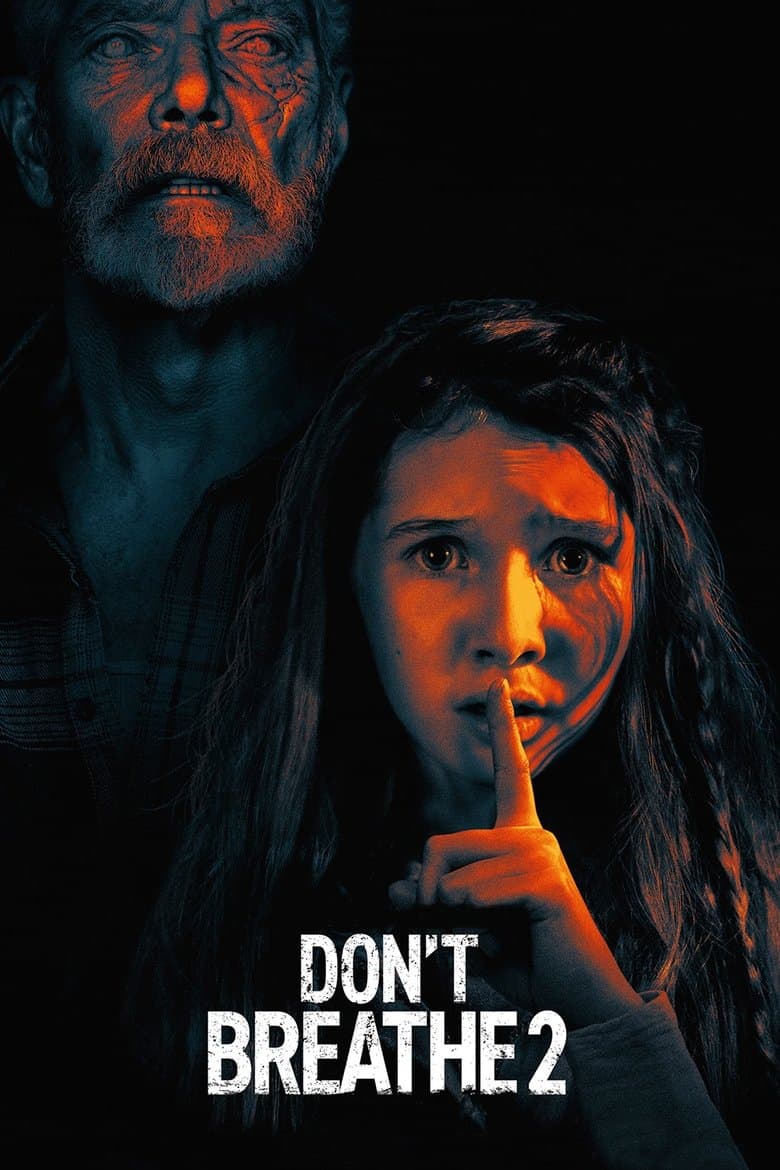
Movie · 2021
The Blind Man has been hiding out for several years in an isolated cabin and has taken in and raised a young girl orphaned from a devastating house fire.

Movie · 2022
Finney Blake, a shy but clever 13-year-old boy, is abducted by a sadistic killer and trapped in a soundproof basement where screaming is of little use.
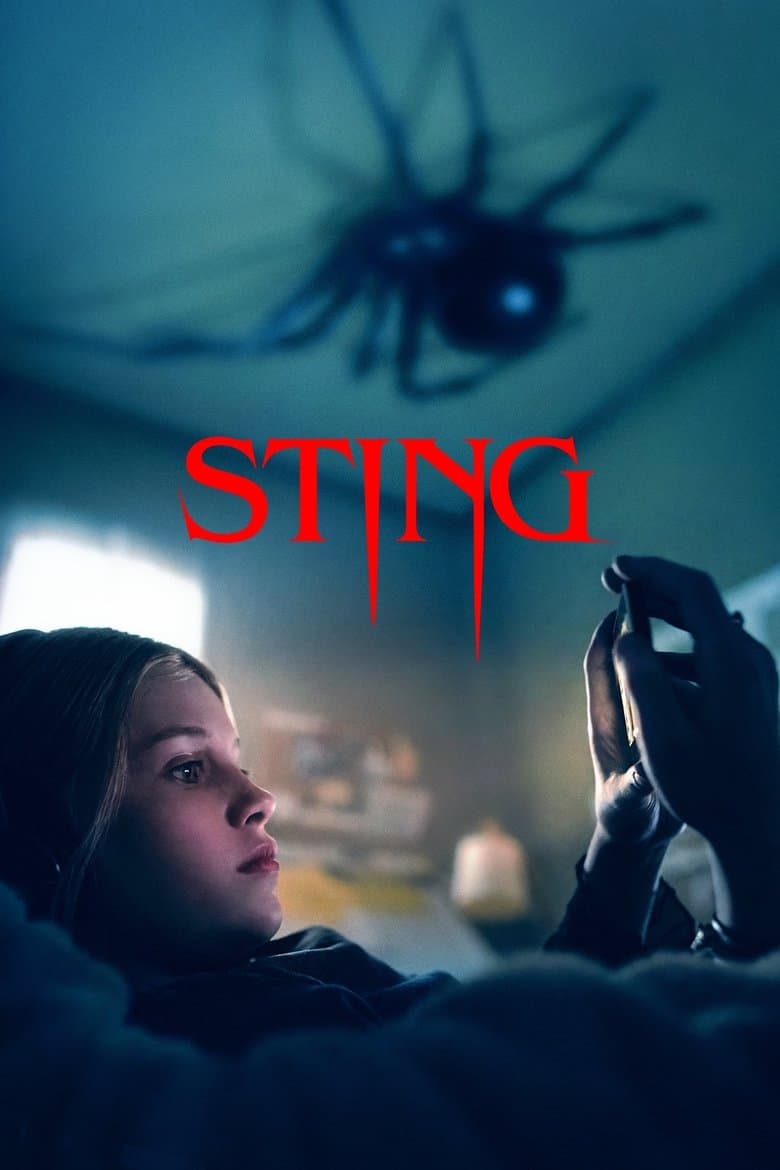
Movie · 2024
After raising an unnervingly talented spider in secret, 12-year-old Charlotte must face the truth about her pet and fight for her family's survival.
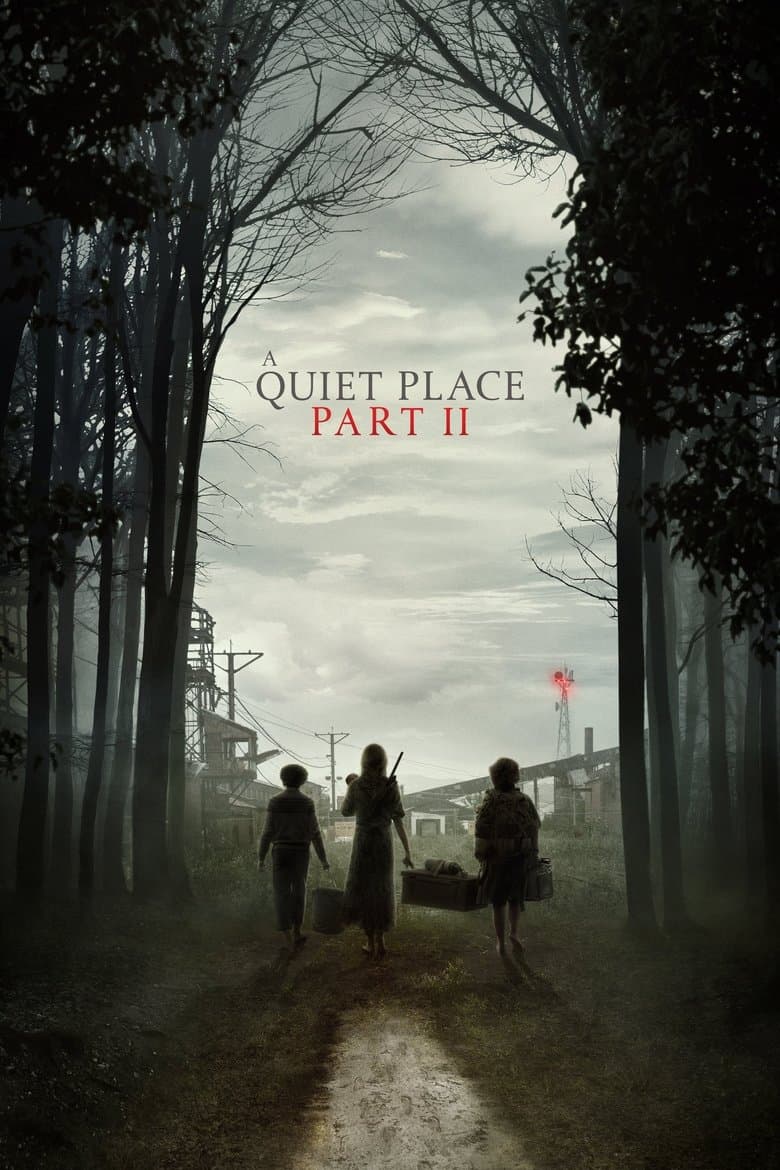
Movie · 2021
Following the events at home, the Abbott family now face the terrors of the outside world. Forced to venture into the unknown, they realize that the creatures that hunt by sound…
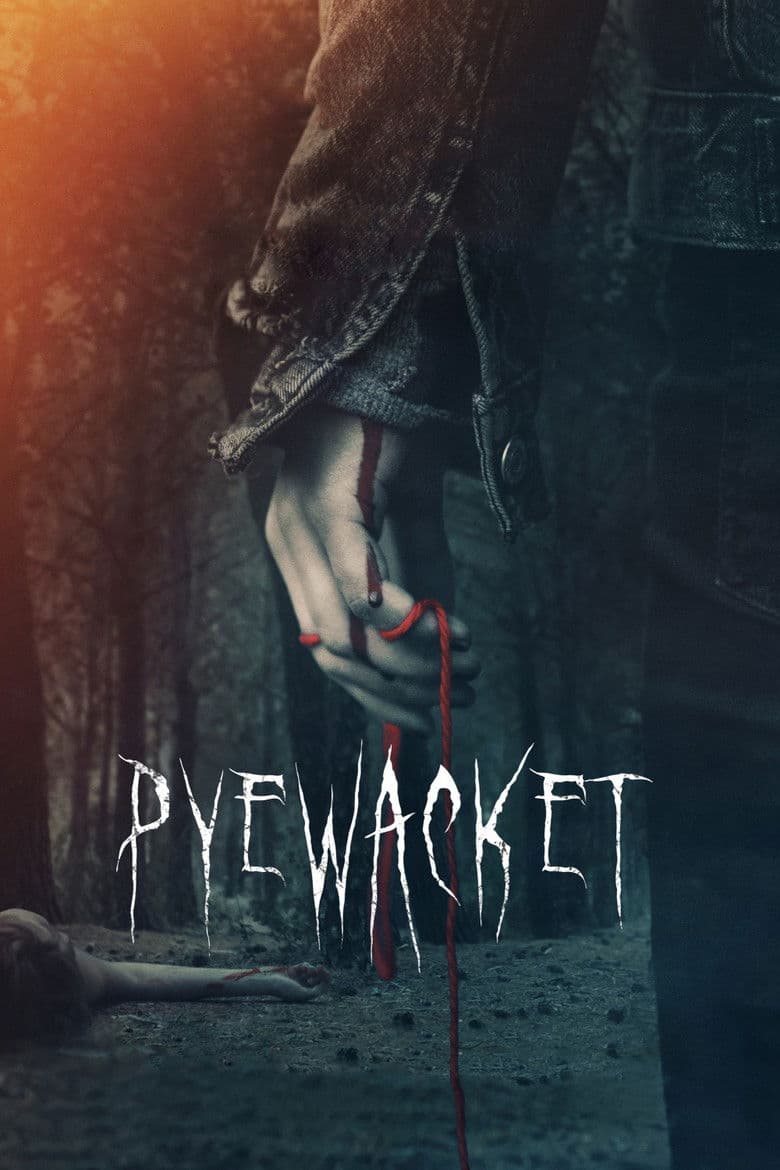
Movie · 2017
A frustrated, angry teenage girl awakens something in the woods when she naively performs an occult ritual to invoke a witch to kill her mother.
