
Ray is a sixteen-year-old living with his mother, Maggie, in a New York home shared with his lesbian grandmother, Dodo, and Dodo’s partner, Frances. Ray has long known himself as a boy, and he wants to begin testosterone treatment before he starts at a new school. Because he is underage, his mother must get a signature from Ray’s absent father, Craig, who has built another family and does not understand the choice. The search for Craig turns a private decision into a tense family story with awkward jokes, arguments, and moments of warmth.
The movie makes Ray’s gender identity the main subject rather than a side detail. Ray fights to be called by his chosen name and male pronouns, while Maggie and Dodo struggle with fear, old habits, and the idea that Ray may change his mind. The story treats transition and family acceptance as linked, and it presents Ray’s wish to live as male as real and deserving of support. It also gives strong attention to a lesbian household and to the idea that young people may understand themselves better than adults expect.
Community feedback
Was our 84% Woke rating accurate?
Breakdown
These are the editorial factors and ratings behind our score for 3 Generations.
Woke representation / casting
The film puts a transgender boy in the lead role and gives major roles to a lesbian grandmother and her female partner. Elle Fanning, a cisgender actress, plays Ray, so the main identity role is filled by an actor whose own sex does not match the character. The family setup makes gender and sexuality visible in nearly every major relationship.
73%
Woke political dialogue
Maggie repeatedly corrects family members when they use the wrong name or pronouns for Ray. Ray, Maggie, and Dodo argue about whether his identity is real, whether he may change his mind, and whether adults should control his treatment. Maggie tells others that Ray’s identity is not an illness, and the film treats acceptance as the right response. The film avoids long political speeches, so the dialogue is recurring but not constant.
47%
Identity-driven story themes
Ray’s wish to live as a boy and start testosterone drives the entire plot. The story follows his fight to use his chosen name and male pronouns, change schools, and be seen as he understands himself. The family must learn that loving Ray means accepting his gender rather than asking him to return to being a girl or live as a lesbian. The film also presents a lesbian household as a normal and caring family home.
94%
Western institutional / cultural critique
The film treats parental control and older ideas about gender as barriers to Ray’s future. Ray’s absent father is shown as confused and arrogant when he questions the transition, while the women around Ray slowly move toward support. The story favors chosen identity over birth sex and traditional family expectations. It does not expand this conflict into a wider attack on religion, capitalism, or Western institutions.
28%
Woke character or canon changes
Not relevant. The film is an original family story. It does not change an established character, source story, or historical person.
0%
Anti-woke backlash and complaints
Not present. No anti-woke backlash, boycott, or review-bombing was found in the supplied X research or the broader coverage reviewed. The reported complaints focused on trans representation and casting rather than claims that the film was too woke.
0%
Creator track record context
Dellal’s title-related record includes public support for trans advocacy. Beckwith’s other work repeatedly covers gender, family change, and nontraditional family choices. Naomi Watts has publicly supported trans youth and produced this film. The wider producer and casting team has a mixed record, so the context is meaningful but not uniformly activist.
53%
Production
Movie · 2023
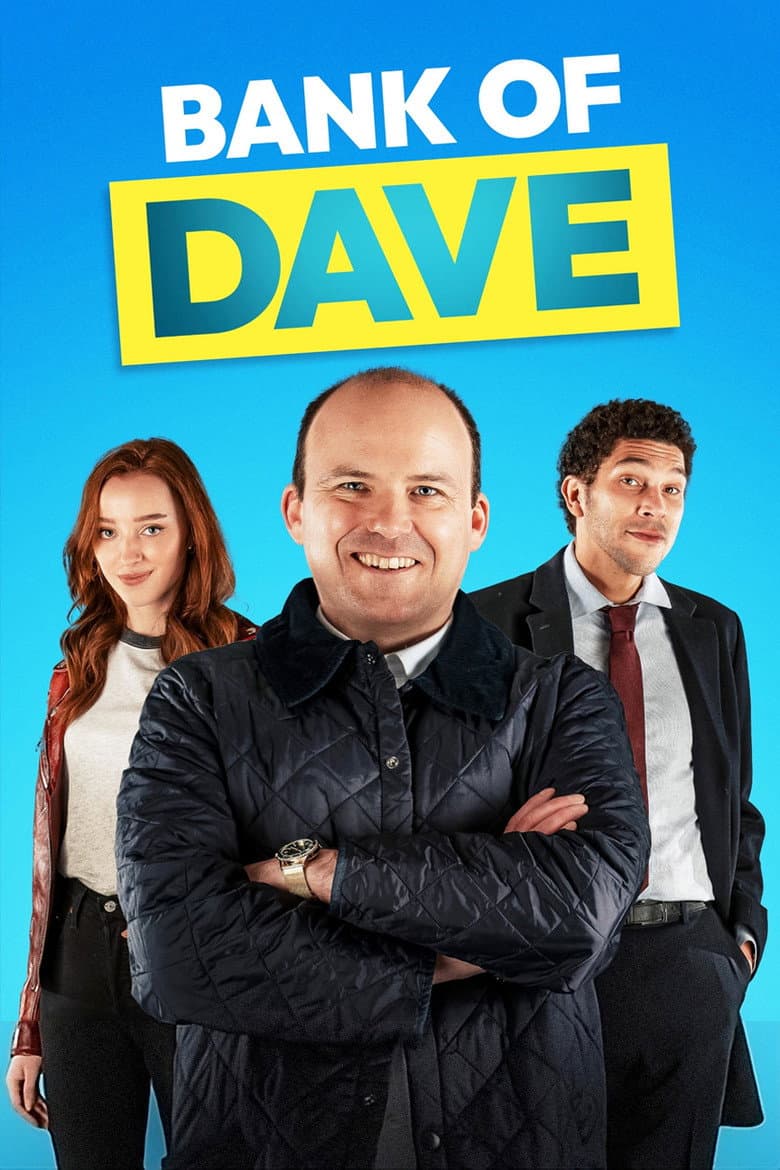
The true story of how Dave Fishwick, a working class man and self-made millionaire, fought to set up a community bank so that he could help the local businesses of Burnley not…

Movie · 2022
The remarkable true story of how retiree Jerry Selbee discovers a mathematical loophole in the Massachusetts lottery and, with the help of his wife, Marge, wins $27 million…

Movie · 2016
An improv group deals with several crises, including the loss of their lease and one member hitting the big time.
Movie · 2025
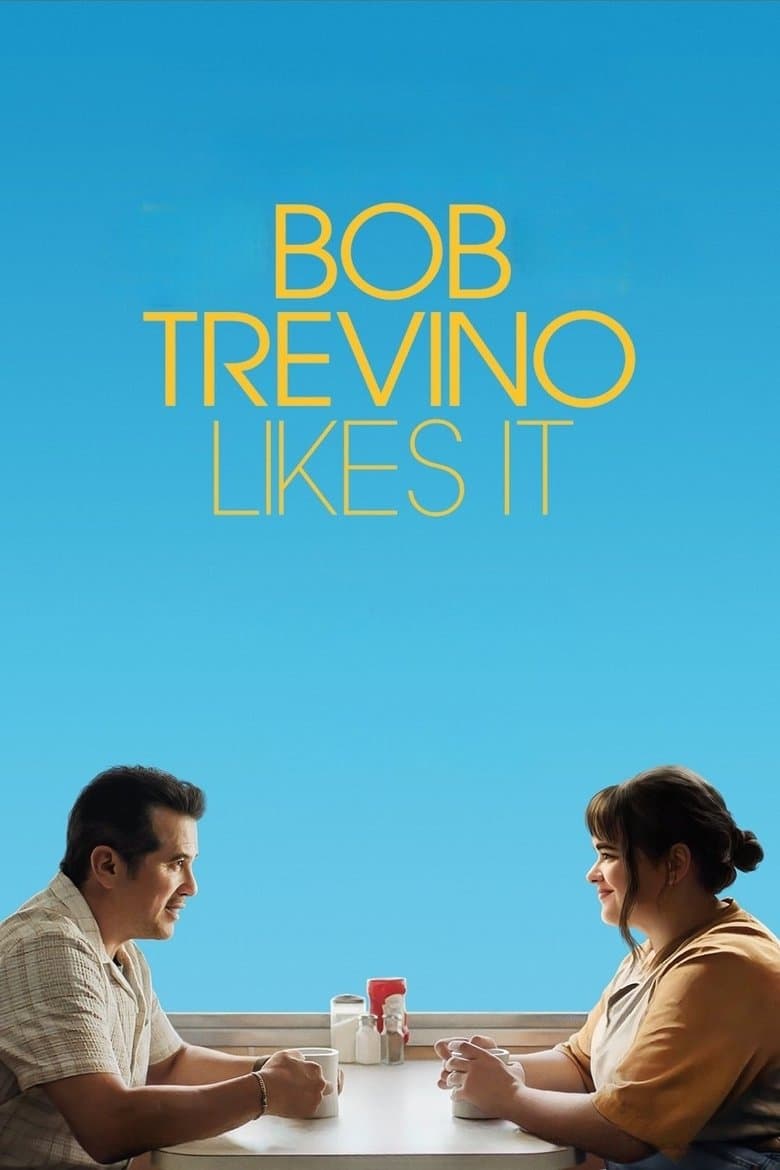
Lily Trevino unexpectedly befriends an online stranger who shares her self-centered father’s name. This new Bob Trevino’s support could transform her life.

Movie · 2020
Scott has been a case of arrested development ever since his firefighter father died when he was seven. He's now reached his mid-20s having achieved little, chasing a dream of…

Movie · 2024
Pansy is a woman so full of rage that every interaction she has devolves into lashing out, whether at her utterly cowed husband and son, or random strangers who have the temerity…

Movie · 2019
Ten fishermen from Cornwall are signed by Universal Records and achieve a top ten hit with their debut album of Sea Shanties.

Movie · 2018
Thirteen-year-old Kayla endures the tidal wave of contemporary suburban adolescence as she makes her way through the last week of middle school — the end of her thus far…
