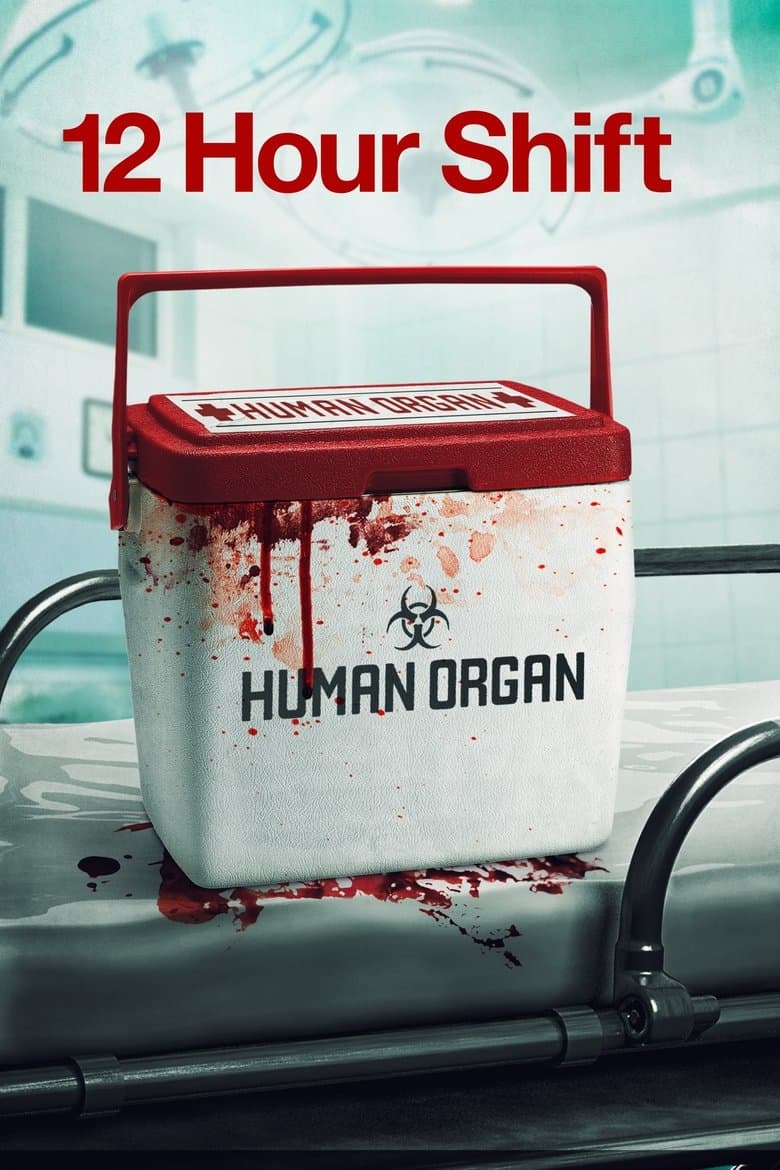
12 Hour Shift follows Mandy, an exhausted nurse who begins a long night shift at an Arkansas hospital in 1999. Mandy is addicted to pills, steals medicine, and helps sell organs taken from dying patients. Her cousin Regina loses a kidney meant for a crime boss, so the two women search for a replacement while trying to hide their crimes. A violent prisoner, frightened patients, police, and hospital workers turn the shift into a bloody chain of mistakes. The film uses dark jokes, gore, and a frantic comic tone.
The film gives its central criminal role to a woman and asks viewers to follow her even though she helps kill patients. Mandy, Regina, and Karen control much of the main action, while most male characters serve as threats, guards, police, or confused helpers. This creates a clear female antihero and female-led crime story, but the movie does not build its plot around race, sexuality, or a modern political cause. The gender message is important to the way the story is told, yet it stays inside a strange hospital comedy instead of becoming a speech-heavy lesson.
Community feedback
Was our 54% Woke rating accurate?
Breakdown
These are the editorial factors and ratings behind our score for 12 Hour Shift.
Woke representation / casting
The film gives Mandy, Regina, and Karen control of the main story, with women holding the nurse, supervisor, and criminal roles. That creates a clear female-led pattern rather than one isolated woman in a male group. The hospital setting makes female nurses believable, and the movie does not push a race-based casting message. Grant’s stated feminist goal adds a visible identity signal to the lead-role choices.
32%
Woke political dialogue
Karen objects when a woman is called “nuts.” The line briefly challenges a gendered insult. The film has no repeated talks about DEI, feminism, race, or politics.
24%
Identity-driven story themes
Mandy is the main criminal, and the film asks viewers to root for her survival despite her murders. Regina is also deeply flawed, but she drives the crisis and stays important through the ending. The director says the film was built to show a female antihero and let a woman do the kind of bad acts often given to men. The theme is central to the movie’s shape, but it appears through dark comedy rather than a modern political plot.
58%
Western institutional / cultural critique
The film shows an understaffed hospital and a nurse worn down by long shifts. The director links the story to opioid use and a lack of small-town services. These problems make the workplace look broken, but the film does not blame capitalism, patriarchy, religion, conservatives, or a current movement. The critique stays in the background of the crime comedy.
18%
Woke character or canon changes
Not relevant. The movie is an original story with no established characters, source material, or historical figures changed for identity reasons.
0%
Anti-woke backlash and complaints
Not present. The available X research found no anti-woke reaction, and broader searches found no clear complaint that the film pushes DEI or identity politics. Reviews mainly discuss its gore, humor, and unusual crime plot.
0%
Creator track record context
Brea Grant wrote and directed the movie. Her cached creator context shows a repeated focus on women, gendered violence, and feminist ideas, and her film statement calls this movie partly a feminist mission. Those signals match the female antihero story. The other cached producers have low scores and do not change the main creator signal.
58%
Production
Movie · 2017
When Cole stays up past his bedtime, he discovers that his hot babysitter is part of a Satanic cult that will stop at nothing to keep him quiet.
Movie · 2019
Columbus, Tallahassee, Wichita, and Little Rock move to the American heartland as they face off against evolved zombies, fellow survivors, and the growing pains of the snarky…
Movie · 2019
A serial killer strikes fear in the hearts of residents of Hamburg during the early 1970s.
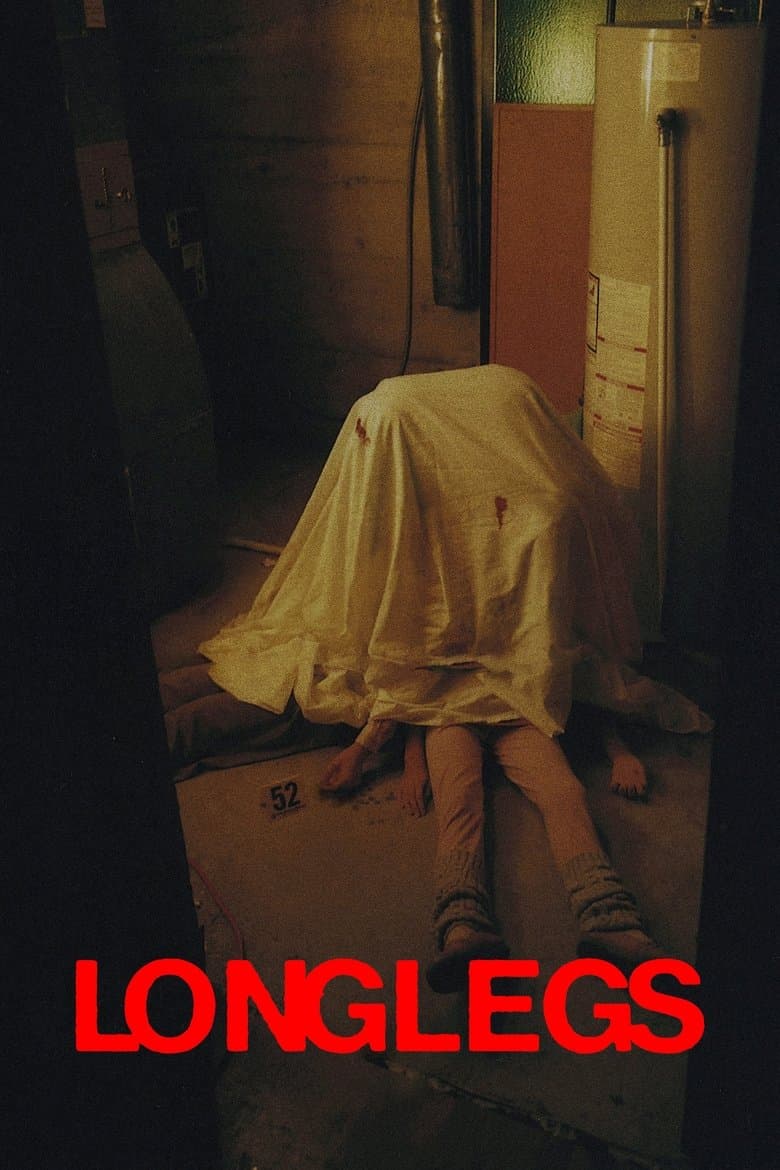
Movie · 2024
FBI Agent Lee Harker is a gifted new recruit assigned to the unsolved case of an elusive serial killer. As the case takes complex turns, unearthing evidence of the occult, Harker…
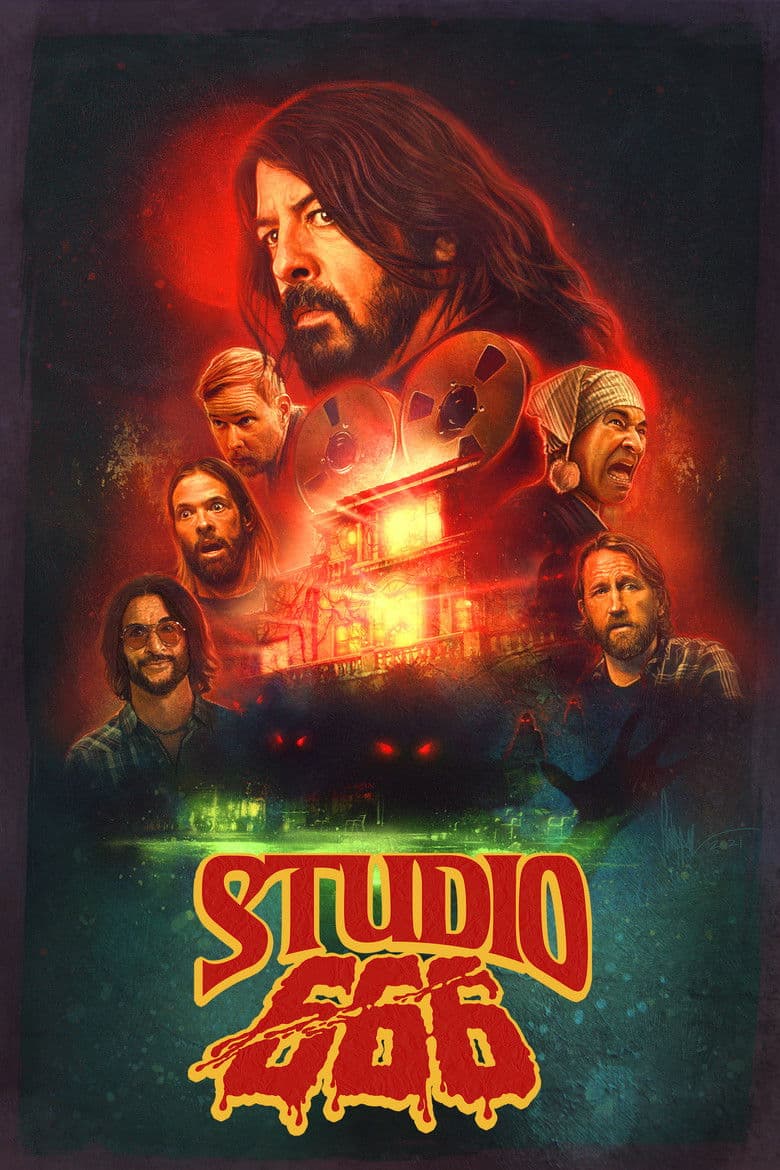
Movie · 2022
Legendary rock band Foo Fighters move into an Encino mansion steeped in grisly rock and roll history to record their much anticipated 10th album.
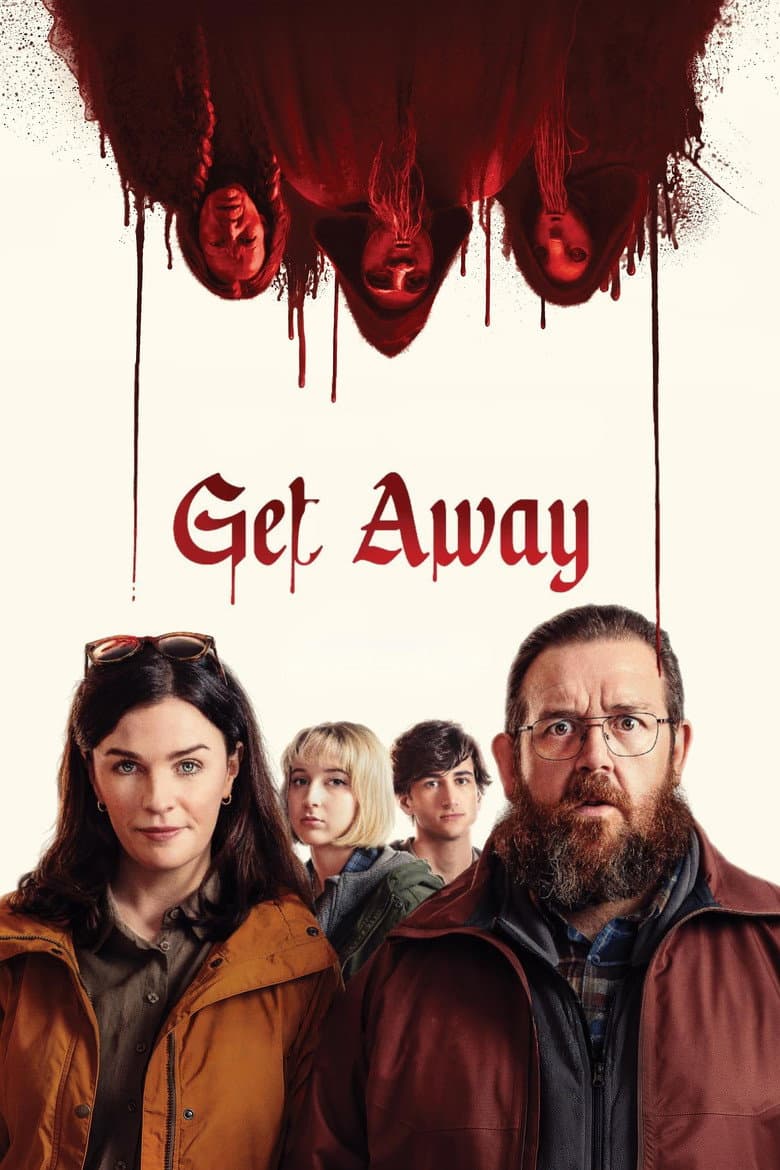
Movie · 2024
A family's vacation to a remote getaway takes an unexpected turn when they discover the present-day implications of the island's cannibalistic past.
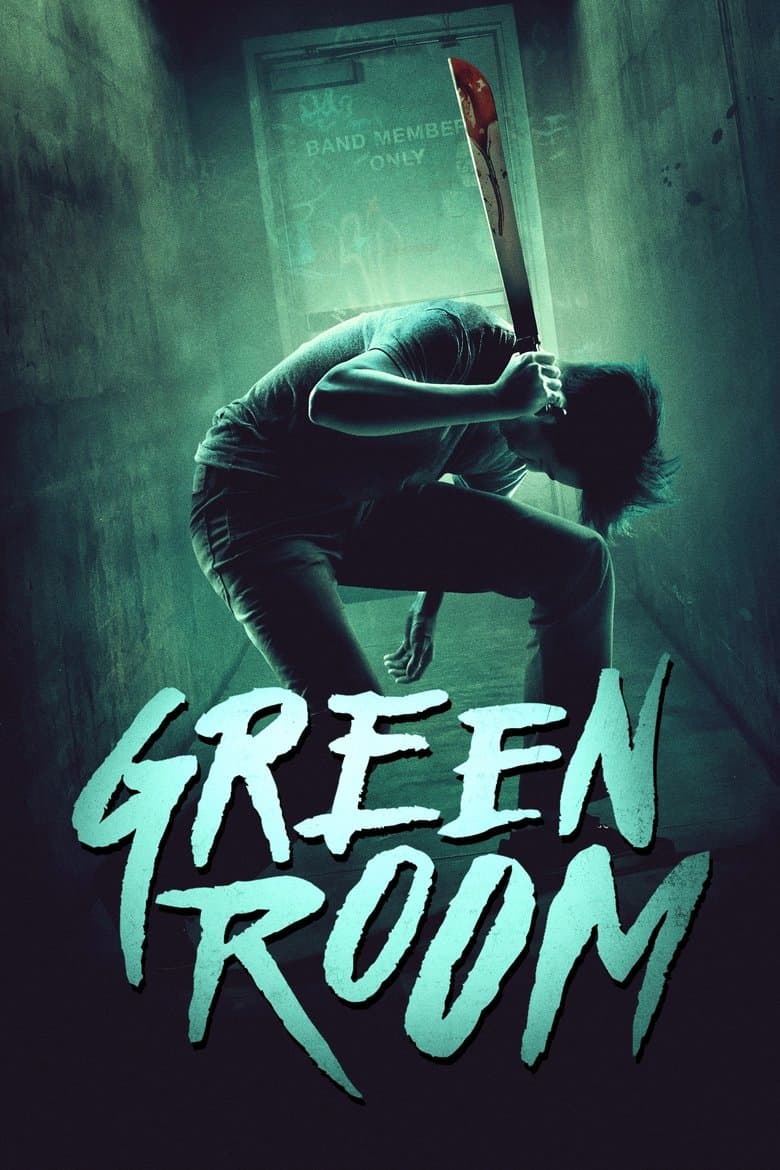
Movie · 2016
A punk rock band is forced to fight for survival after witnessing an act of violence at a skinhead bar.
Movie · 2017
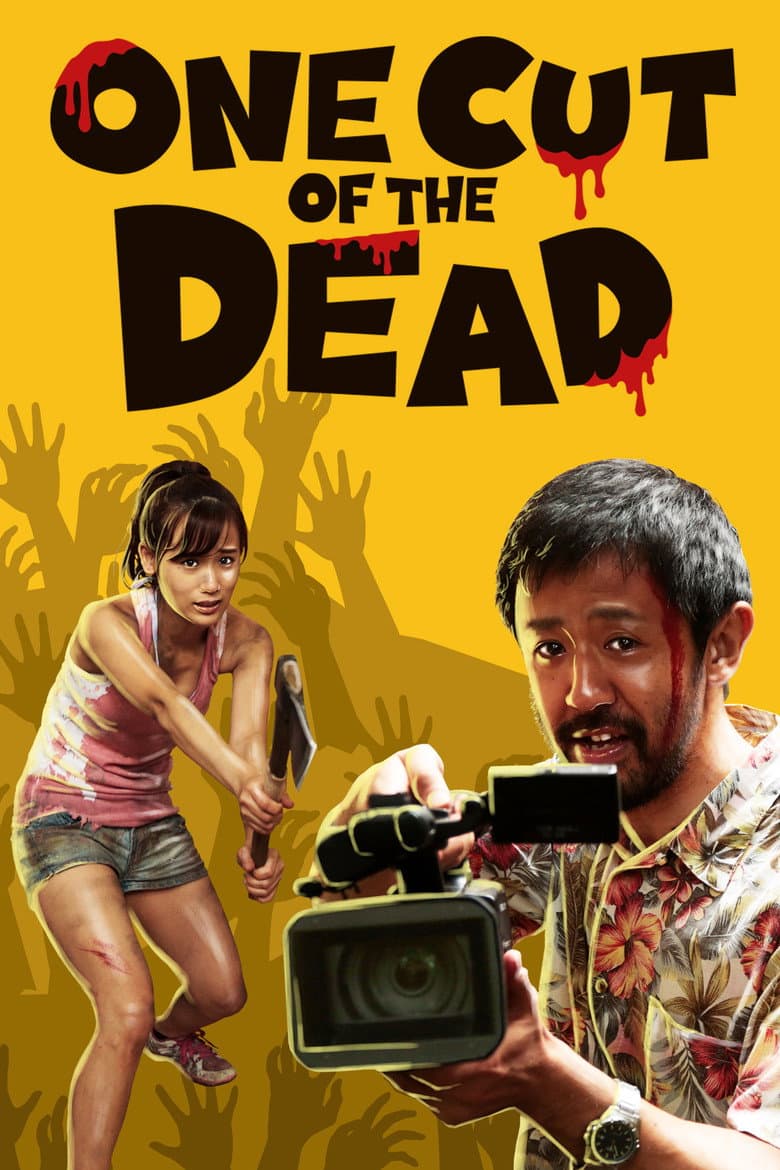
Real zombies arrive and terrorize the crew of a zombie film being shot in an abandoned warehouse, said to be the site of military experiments on humans.
