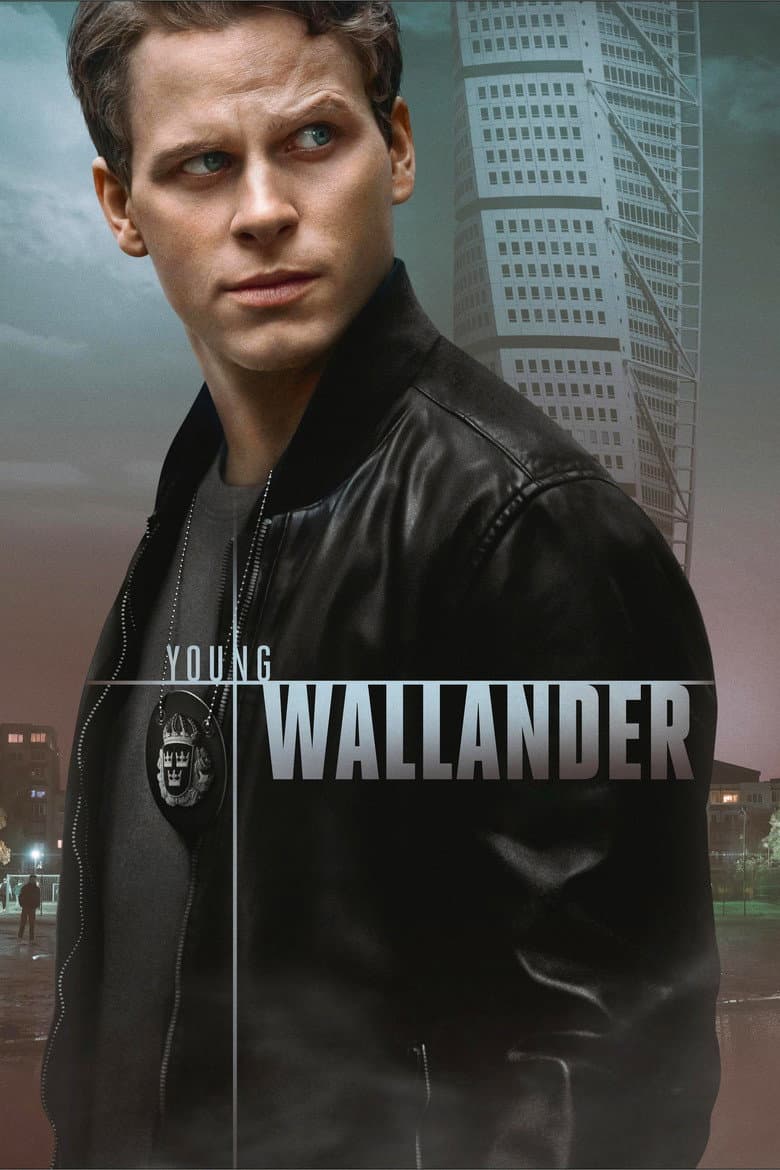
Started September 3, 2020 · Canceled · Based on 2 seasons, 12 episodes through February 17, 2022 · TV-MA · 50 min
Young Wallander follows Kurt Wallander, a new police officer in modern Malmö. He lives in Rosengård and hides his job from neighbors who distrust the police. After a boy is killed with a grenade, Kurt joins a dangerous hunt through protests, gangs, rich families, and police offices. Season two sends him back to work after his mentor dies, and a hit-and-run case opens an older murder. The show has a cold, serious crime-drama mood.
The strongest woke material comes in season one, which centers on a hate crime, anti-immigrant anger, racist marches, refugees, and fear created by far-right groups. The story also links wealth and power to the suffering of weaker people and shows a mixed police force with a black woman senior officer, a Middle Eastern partner, and a black superintendent. Season two keeps the focus on Reza's unfair career setback, police trust, and the harm caused by bad police choices, but its main case is less about identity. These ideas are clear and recurring, yet the series remains a detective story instead of a full activist drama.
Community feedback
Was our 62% Woke rating accurate?
Breakdown
These are the editorial factors and ratings behind our score for Young Wallander.
Woke representation / casting
Young Wallander gives major police jobs to a black woman senior officer, a Middle Eastern best friend, and a black superintendent. Reza is passed over for promotion, while Osei later leads the unit. Modern Malmö can support a mixed cast, so the show does not make casting itself a clear slogan. The repeated use of diverse figures in central police roles still gives this factor a noticeable score.
38%
Woke political dialogue
Season one repeatedly includes arguments and public speeches about anti-immigrant anger, racism, and free speech. The cases link public fear to far-right protests and powerful people. Season two adds Osei's talk about change and a debate over whether politics belongs in police work. These ideas support the story, but they are not constant.
42%
Identity-driven story themes
The first season is built around a hate crime, a refugee suspect, racist marches, and an immigrant police officer being attacked. The case asks how fear of migrants spreads and how rich people can use it. Season two continues Reza's story about being passed over and struggling after violence, but it mostly follows a separate murder mystery. Identity themes are important, especially in season one, but they do not control every episode.
55%
Western institutional / cultural critique
Season one questions police decisions, racist protest groups, and the way wealth can protect people from punishment. Season two examines old police mistakes, internal affairs, and a senior government figure linked to a hidden crime. The show presents law enforcement as flawed and sometimes violent. This is a recurring institutional critique, but it is tied to crime plots more than to a broad attack on Western culture.
43%
Woke character or canon changes
Not relevant. The show moves Wallander into the present and uses English, but those are adaptation choices rather than identity-driven changes. The title does not change his race, sex, or sexual identity.
0%
Anti-woke backlash and complaints
Small X accounts called the show left-wing propaganda or grouped it with Netflix's “woke” lineup. A few audience reviews also attacked its multicultural casting and claimed it tries to teach viewers how to think. No large review-bombing drive, boycott, or major right-wing campaign was reported. The backlash is fringe and weak.
15%
Creator track record context
Henning Mankell had a strong left-wing record and often wrote about racism, inequality, migration, and abuse of power. Benjamin Harris has discussed immigration, inequality, the radical right, and migrant stories. Berna Levin has no strong public record of political or identity-focused activism. This context supports a moderate-to-high score because it matches season one's themes.
55%
Production
TV Show · 2023
A mysterious woman's escape from her harrowing captivity points investigators toward the dark truth behind an unsolved disappearance 13 years earlier.
TV Show · 2021
When family man Nick Brewer is abducted in a crime with a sinister online twist, those closest to him race to uncover who is behind it and why.
TV Show · 2018
After his daughter goes missing, a widower begins uncovering the dark secrets of the people closest to him.
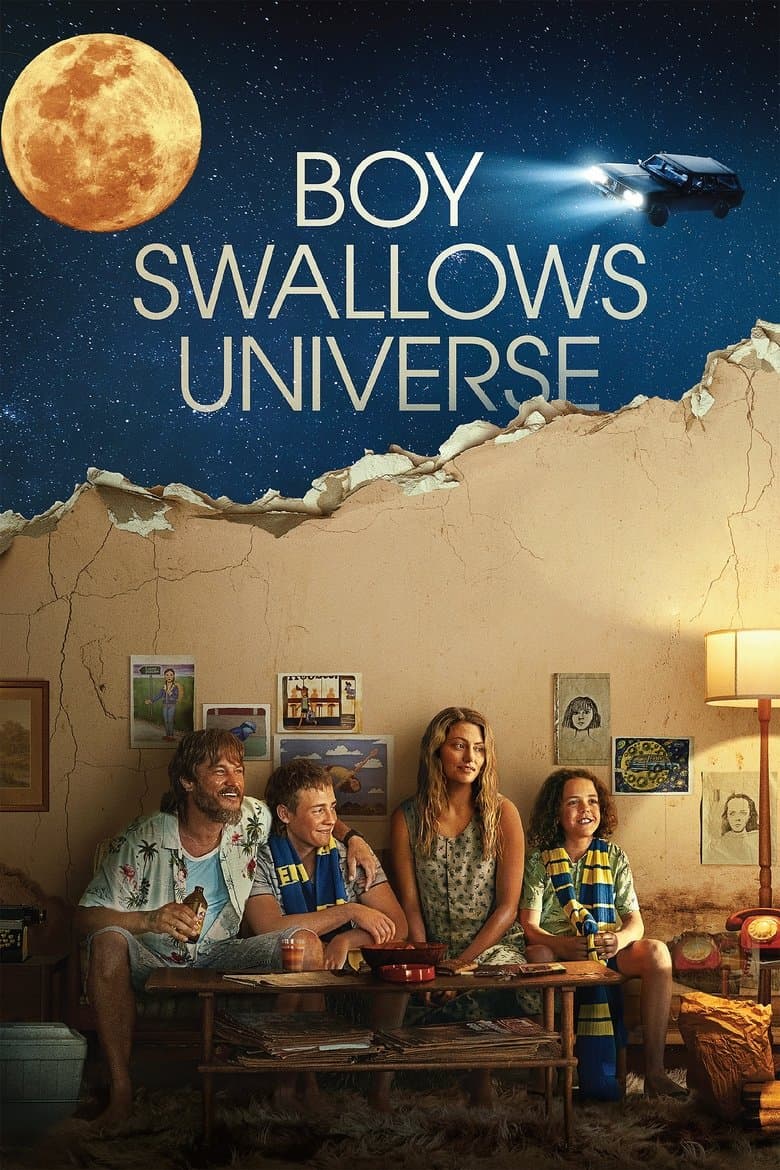
TV Show · 2024
A young boy growing up in the suburbs of 1980s Brisbane faces the harsh realities of life — and the looming dangers that threaten his family.
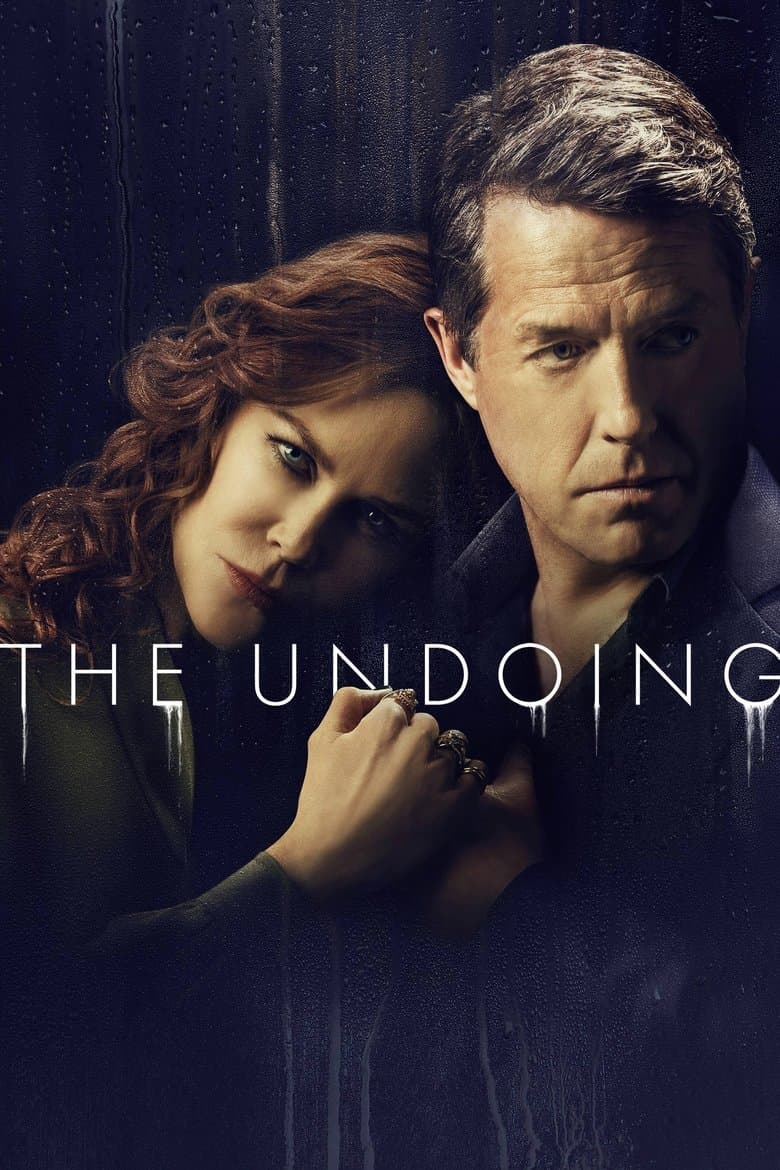
TV Show · 2020
Grace and Jonathan Fraser are living the only lives they ever wanted. Overnight a chasm opens in their lives: a violent death and a chain of terrible revelations.

TV Show · 2024
A rising politician and his mute wife's tense marriage begins to unravel after a call from a kidnapper turns their lives upside down.
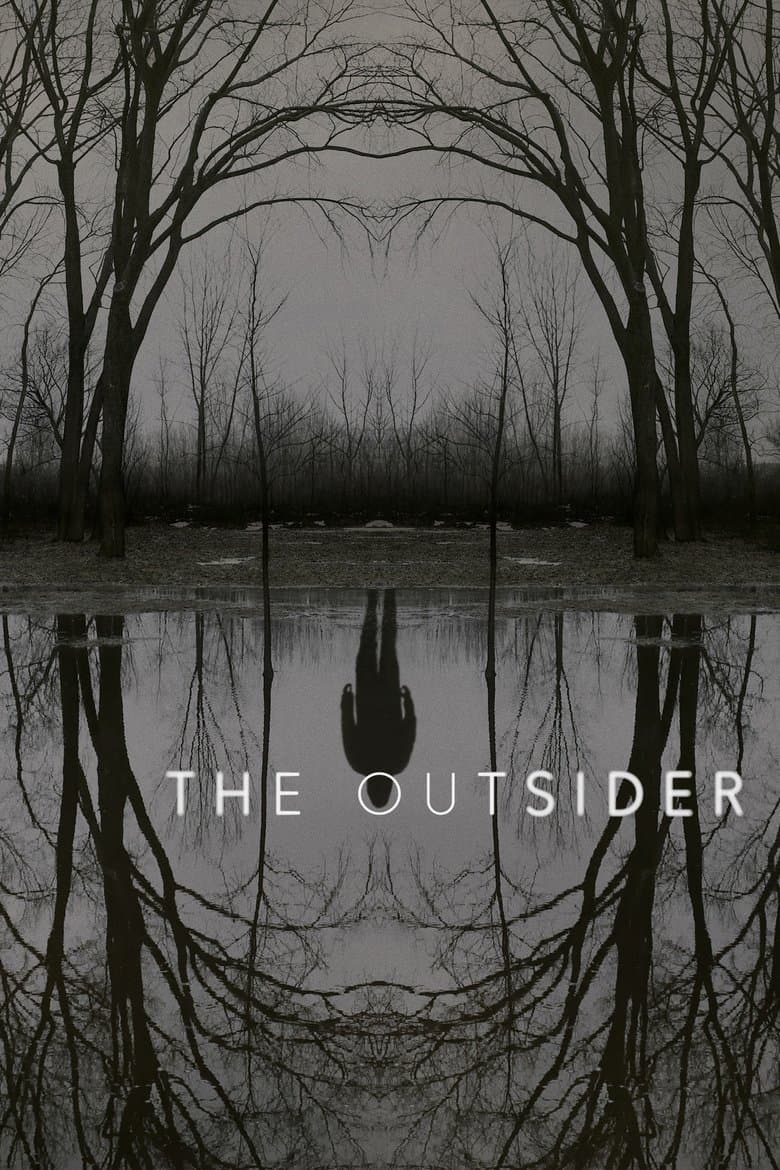
TV Show · 2020
When an insidious supernatural force edges its way into a seemingly straightforward investigation into the gruesome murder of a young boy, it leads a seasoned cop and an…
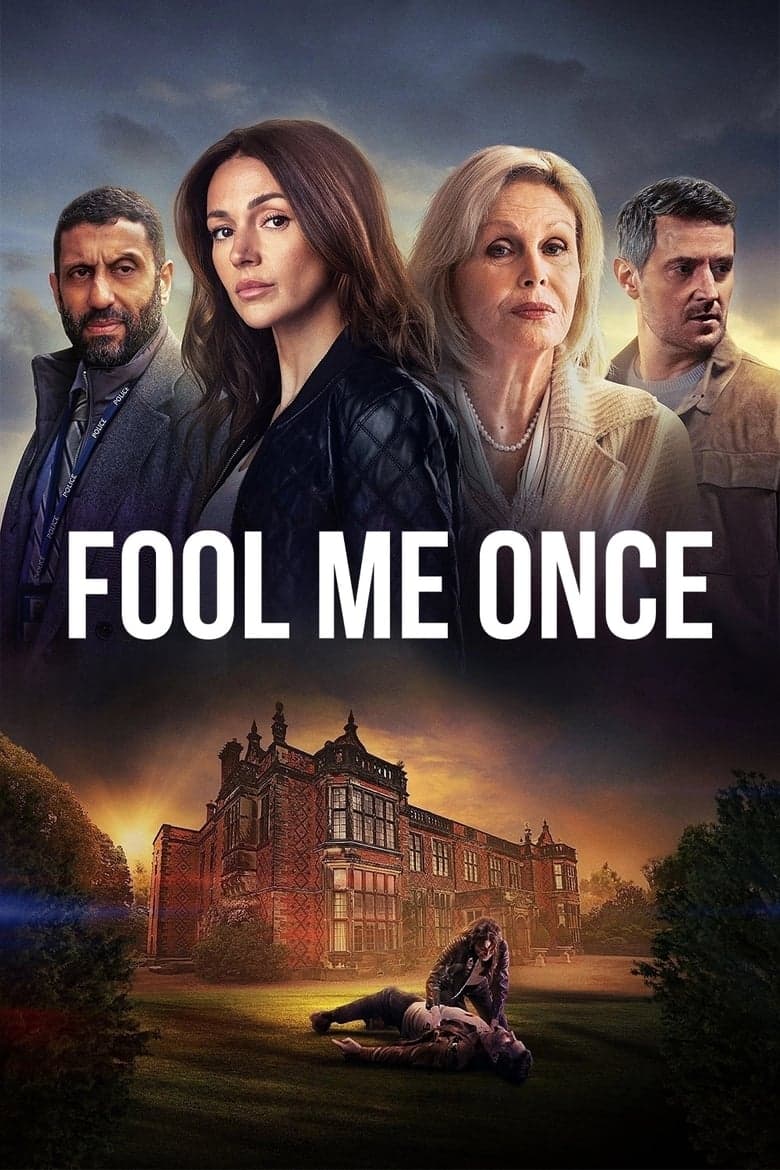
TV Show · 2024
When ex-soldier Maya sees her murdered husband on a secret nanny cam, she uncovers a deadly conspiracy that stretches deep into the past.
