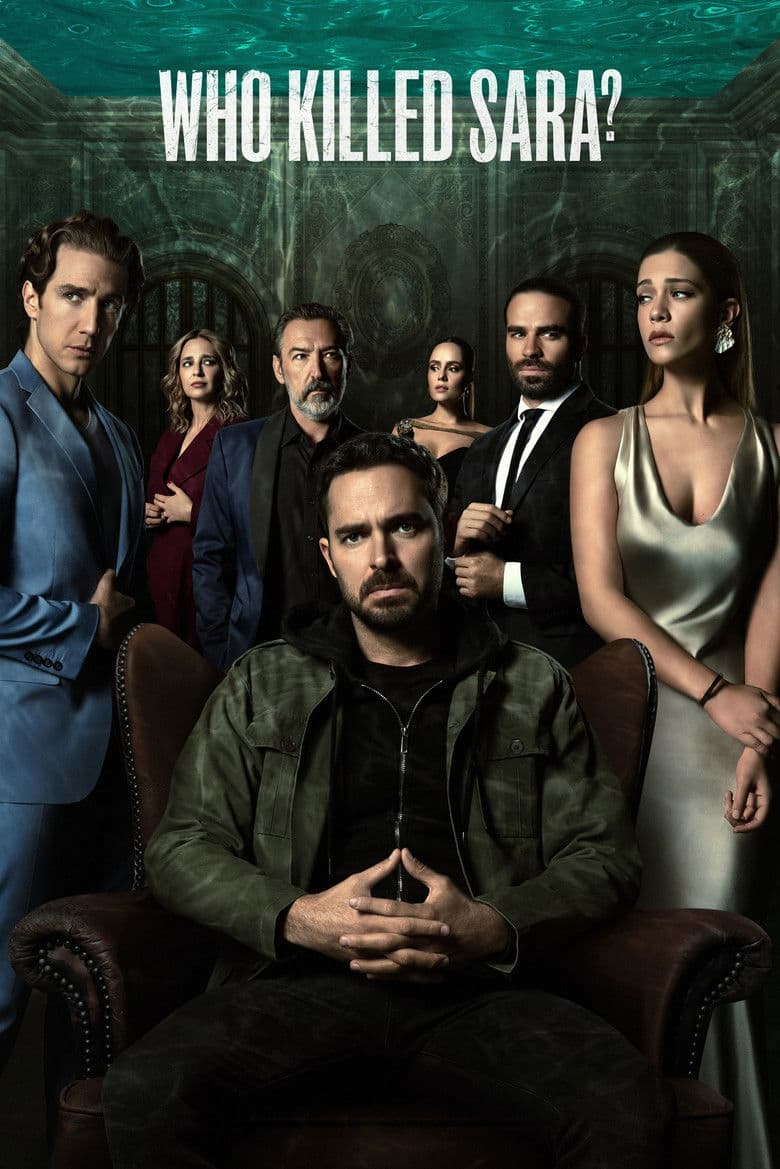
Started March 24, 2021 · Ended · Based on 3 seasons, 25 episodes through May 18, 2022 · TV-MA · 40 min · Spanish
Who Killed Sara? follows Álex Guzmán after he leaves prison for a crime he did not commit. His sister Sara was believed to have died during a parasailing trip, and Álex returns to Mexico City to learn the truth and punish the wealthy Lazcano family that framed him. The story moves between the early 2000s and the present as secrets about sex, money, murder, and family power come out. The show uses a fast soap-opera style with crime, romance, violence, and many twists.
Álex remains the main focus across all three seasons, but Chema Lazcano's life adds a recurring identity story. Chema is gay, loves Lorenzo, hopes to become a father, faces homophobia, and later enters a clinic that tries to change his sexuality. Season 3 makes this plot much more visible through Reinaldo's Medusa Project, which also experiments on Sara and a lesbian woman. The series shows the clinic's treatment as cruel and false, while its main story stays centered on revenge, abuse, family crime, and the search for truth.
Community feedback
Was our 62% Woke rating accurate?
Breakdown
These are the editorial factors and ratings behind our score for Who Killed Sara?.
Woke representation / casting
The show gives clear, recurring roles to Chema, his male partner Lorenzo, and Daniela, a lesbian woman. These characters appear in important family and season three storylines, so LGBTQ representation is easy to see. The modern Mexico City setting makes the casting plausible, and the show does not frame it as a diversity campaign. The wider cast does not show an obvious identity quota pattern.
33%
Woke political dialogue
Characters repeatedly discuss Chema's sexuality and his family's rejection of him. Chema and Lorenzo discuss building a family as a gay couple. Season 3 adds repeated talk about Reinaldo's plan to cure homosexuality, and the show treats that plan as cruel and false. Most dialogue still concerns murder, sex, money, and revenge.
40%
Identity-driven story themes
Chema's gay relationship and wish to become a father recur through the first two seasons. Season 3 makes homophobia and conversion therapy part of the main mystery through Reinaldo's Medusa Project. The show also follows Daniela, a lesbian woman, and presents the clinic's treatment as abuse. Álex's revenge and Sara's death remain the main story, so identity-driven themes are a major side story rather than the whole show.
59%
Western institutional / cultural critique
The show repeatedly shows César's money protecting sexual abuse, trafficking, and murder. It shows Chema's family and prison life punishing him for being gay. Season 3 turns Reinaldo's clinic into a direct attack on conversion therapy and doctors who treat homosexuality as an illness. The wider crime plot does not make a broad argument against Christianity, capitalism, or Western society.
41%
Woke character or canon changes
Not relevant. The show is an original Netflix story. It does not change an established character or real historical figure.
0%
Anti-woke backlash and complaints
Not present. No notable anti-woke reaction appears in the available X, news, Reddit, or review coverage. Public complaints focus on confusing twists and weak writing, not on woke or identity messaging.
0%
Creator track record context
José Ignacio Valenzuela has a sustained public record of LGBTQ rights advocacy and queer family stories. The title uses a gay couple's struggle to become parents and later shows conversion therapy. Director David Ruiz and writer Rosario Valenzuela are mainly known for general television work, without a similar activist pattern. The lead creator's track record strongly supports this factor, but it does not define the whole crime story.
65%
Production
TV Show · 2025
A brash but brilliant cop becomes head of a new police department, where he leads an unlikely team of misfits in solving Edinburgh's cold cases.
TV Show · 2024
When ex-soldier Maya sees her murdered husband on a secret nanny cam, she uncovers a deadly conspiracy that stretches deep into the past.
TV Show · 2026
Wrongfully imprisoned for murdering his own son, a father sets out on a desperate rescue mission after learning the boy may still be alive.
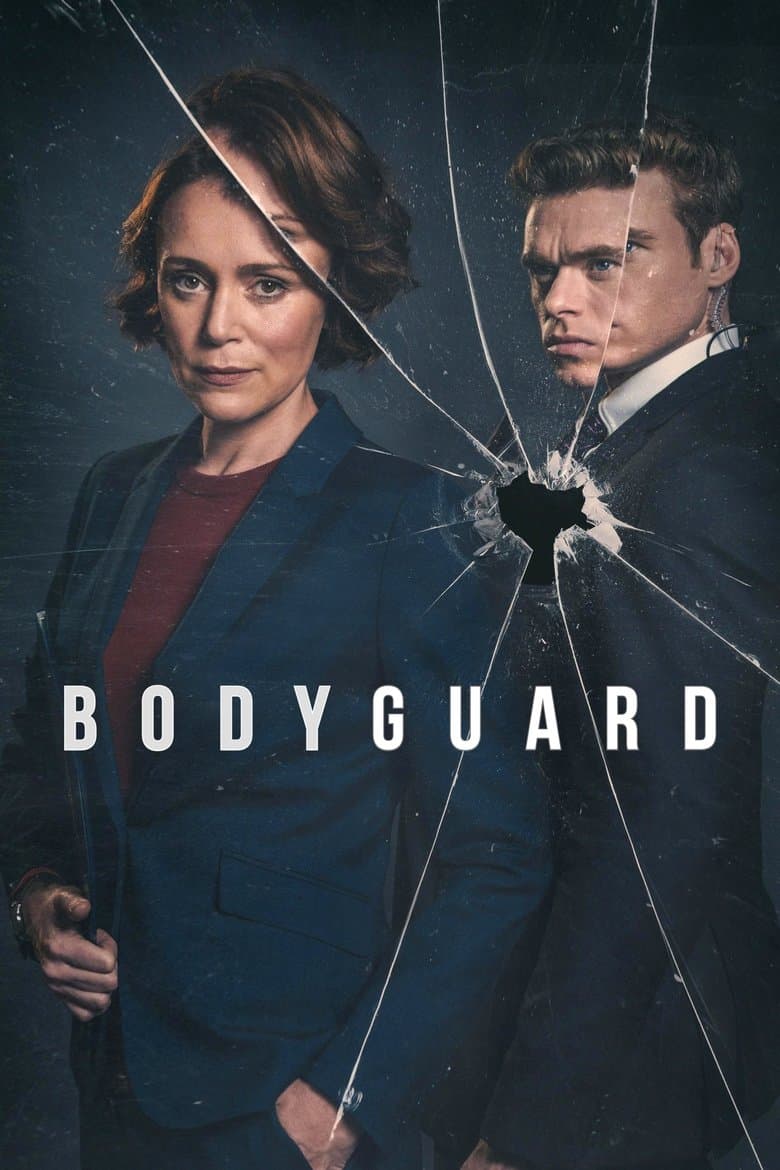
TV Show · 2018
A troubled war veteran is assigned to protect a controversial politician who may be the target of a terror plot.
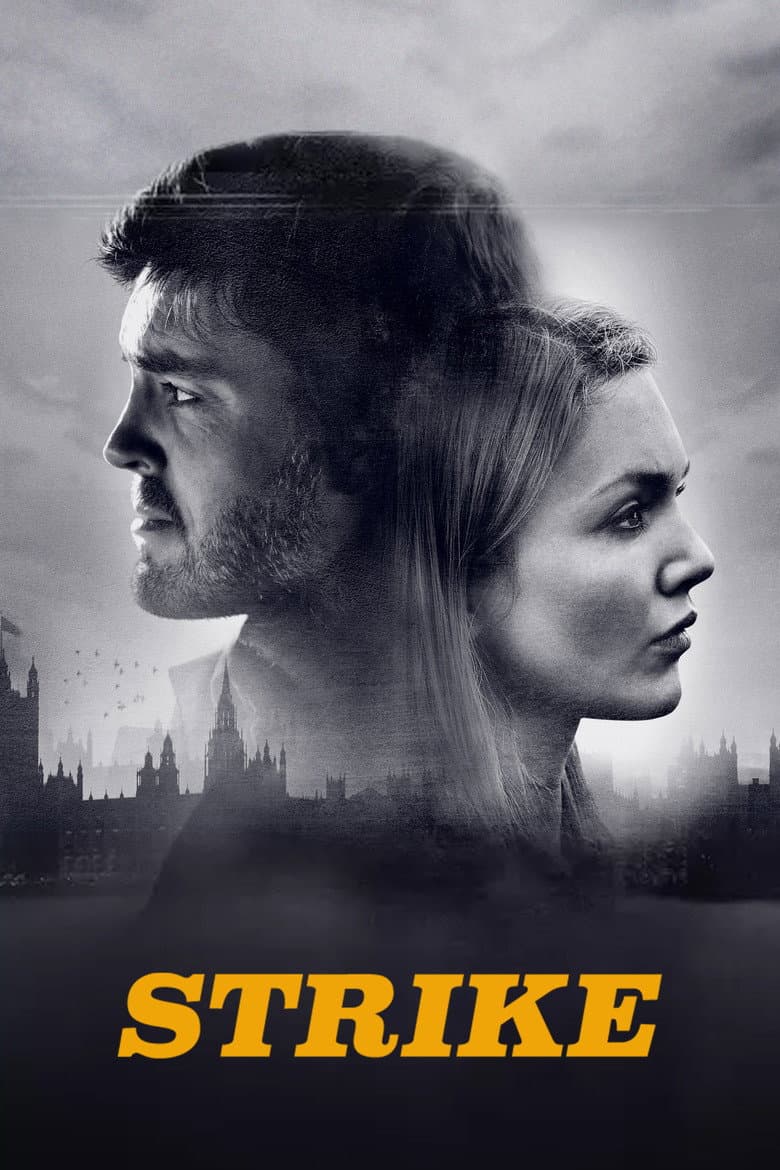
TV Show · 2017
A war veteran turned private detective operates out of a tiny office in London’s Denmark Street. Although wounded both physically and psychologically, his unique insight and…
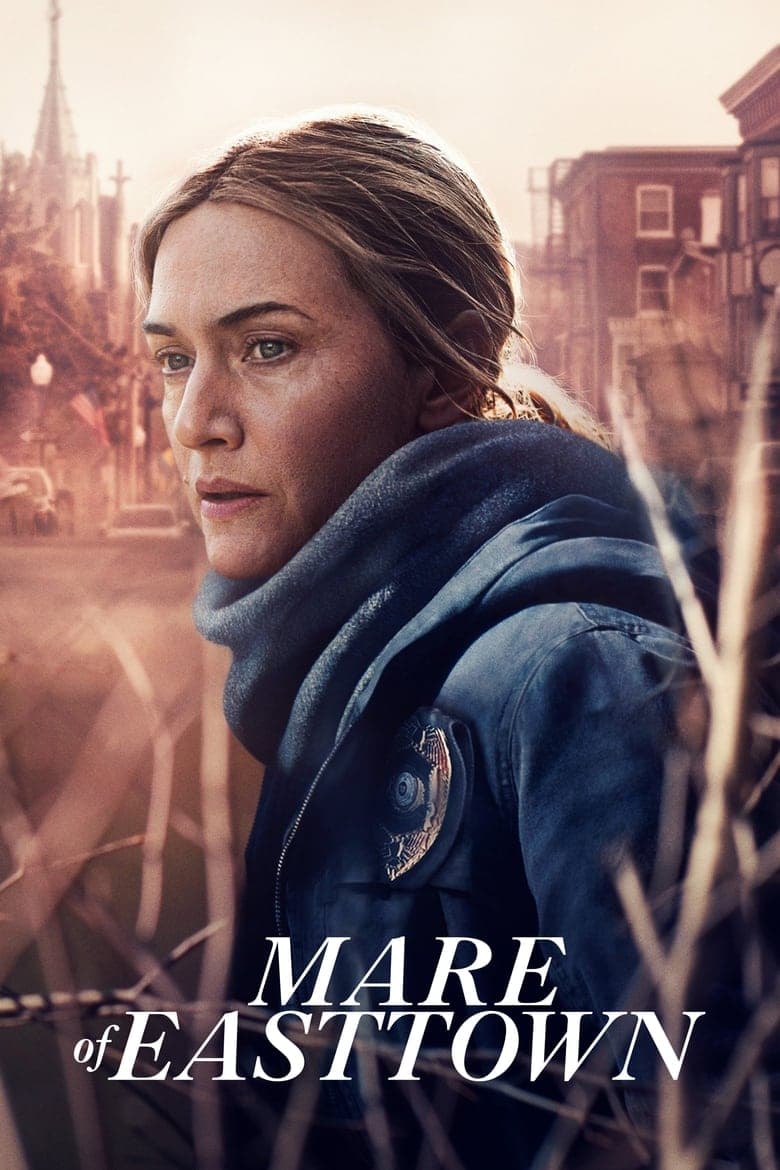
TV Show · 2021
A detective in a small Pennsylvania town investigates a local murder while trying to keep her life from falling apart.
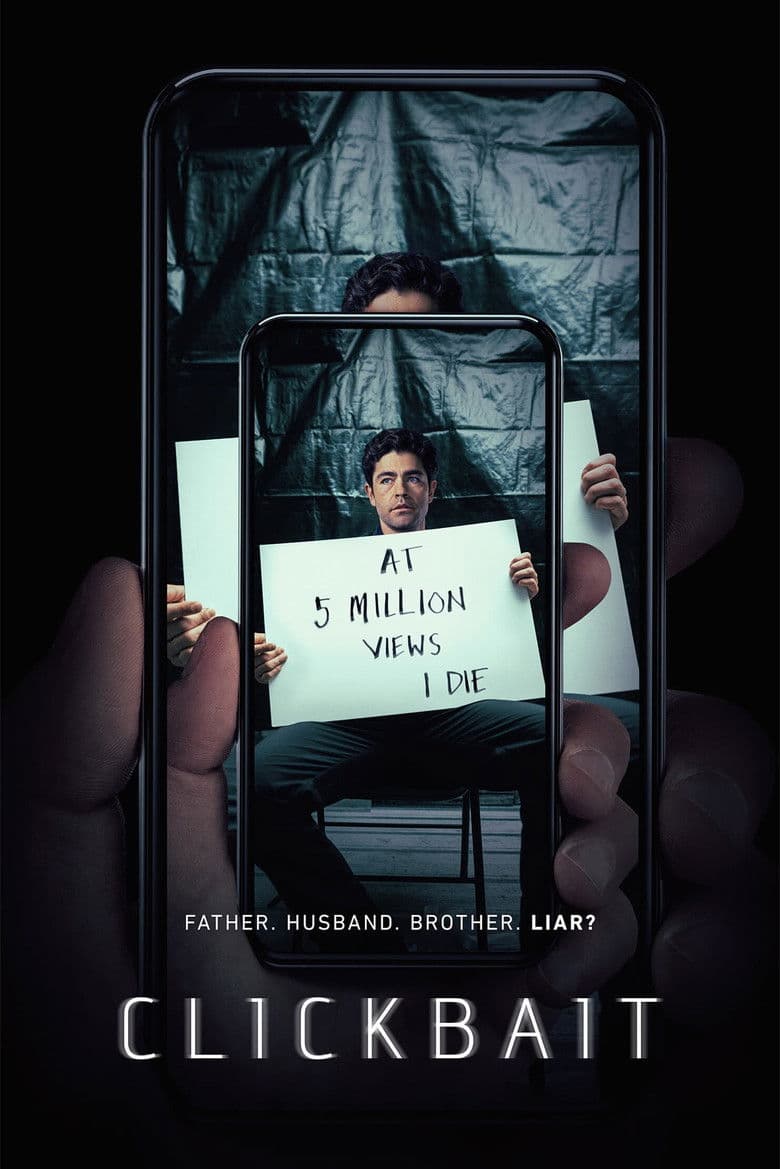
TV Show · 2021
When family man Nick Brewer is abducted in a crime with a sinister online twist, those closest to him race to uncover who is behind it and why.

TV Show · 2024
A young boy growing up in the suburbs of 1980s Brisbane faces the harsh realities of life — and the looming dangers that threaten his family.
