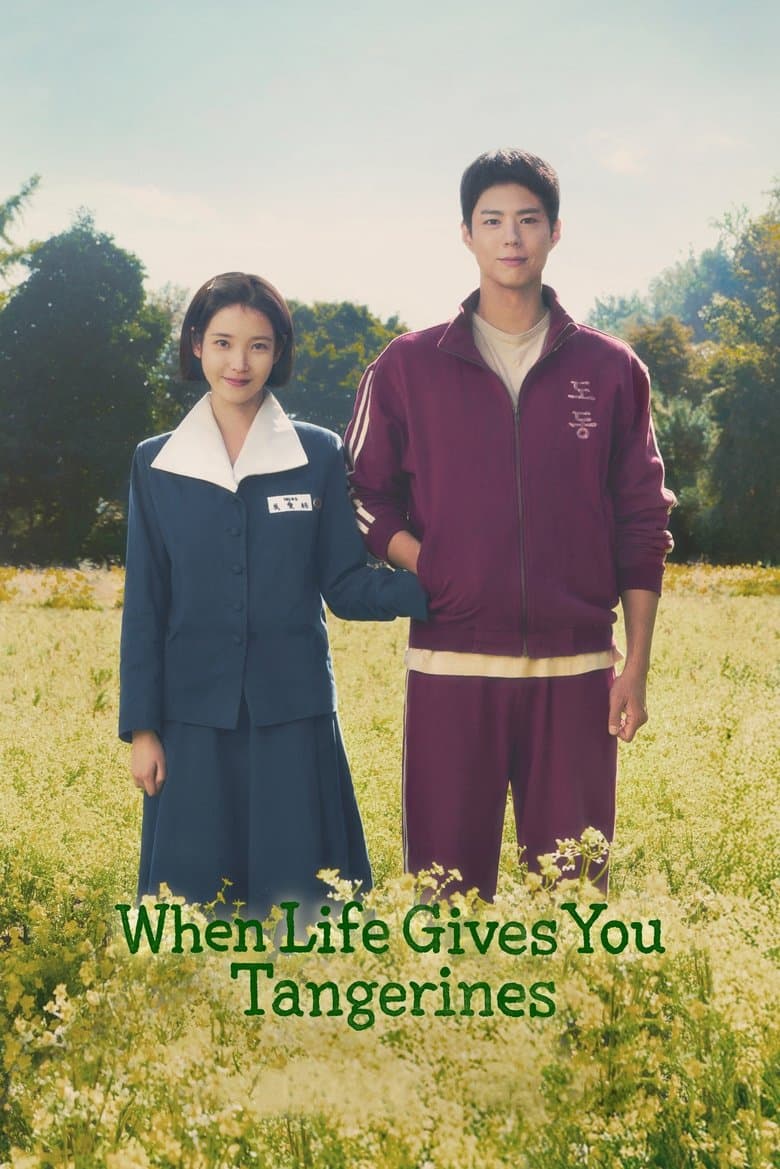
Started March 7, 2025 · Ended · Based on 1 season, 16 episodes through March 28, 2025 · TV-14 · Korean
The show follows Oh Ae-sun, a sharp and stubborn girl from Jeju who dreams of becoming a poet. She grows up poor after her mother, a female sea diver, dies, and she builds a life with Yang Gwan-sik, the quiet boy who never stops caring for her. The story moves from the 1960s to modern South Korea as the couple raises children, faces loss, and watches their family change. The tone is warm, funny, sad, and often very heavy, with love and family support helping people survive hard years.
Women’s lives and choices shape much of the story. Ae-sun is pushed toward housework and sea diving, but she fights for school, writing, leadership, and a better future for her daughter. The show gives repeated attention to women who work, endure unfair family rules, gain financial independence, or become leaders, including Jeju’s female divers and Ae-sun’s election as the island’s first female village chief. Geum-myeong’s college education, career, and decision to reject a marriage that would limit her also carry a clear message about women’s freedom, although the story still presents loyal men and family love as important.
Community feedback
Was our 48% Woke rating accurate?
Breakdown
These are the editorial factors and ratings behind our score for When Life Gives You Tangerines.
Woke representation / casting
Not present. The show uses Korean actors for Korean characters in a Korean setting. The prominent women are story roles, not a diversity-first casting pattern.
0%
Woke political dialogue
Ae-sun hears that a girl should become a sea diver instead of a judge or lawyer, and she rejects that limit for her daughter. Episode 7 calls her the first female village chief, while Gwan-sik jokes about being the first husband of a chief. Episode 11 challenges the demand that Geum-myeong quit her job after marriage. These lines recur in the family story, but the show does not turn them into modern political speeches.
33%
Identity-driven story themes
Women’s identity and freedom are major parts of the season. Ae-sun misses school, fights family pressure, becomes a village chief, writes poetry, and later teaches older people to read and write. Geum-myeong studies, works, rejects a marriage that would put her under a harsh mother-in-law, and builds an education business. The story also gives Gwan-sik a loving and supportive role, so the message is about women’s choices within family life rather than a total attack on men.
56%
Western institutional / cultural critique
The show repeatedly treats strict family roles, male control, cheating, and pressure on wives to leave work as harmful. Ae-sun’s in-laws try to place her daughter below the sons, and Geum-myeong’s future mother-in-law expects her to stop working and serve the family. The story shows women gaining power through work, money, education, and public office. The critique stays inside Korean family and class history, rather than becoming a broad attack on Western institutions or current politics.
32%
Woke character or canon changes
Not relevant. The show is an original story with no established characters, franchise, or real historical figure being changed.
0%
Anti-woke backlash and complaints
Not present. Audience posts and news reports mainly praise the family story, cast, and emotional ending. No major anti-woke, anti-DEI, or identity-politics backlash was found before the review date.
0%
Creator track record context
Lim Sang-choon often writes about women, single mothers, working-class families, and people judged by status. Kim Won-suk often focuses on poverty, people under pressure, and weak institutions, but he has no strong activist public image. The listed producers have no clear public record of DEI campaigning or identity-based activism. This gives the show moderate creator track record context, not a clear activist campaign.
35%
Production
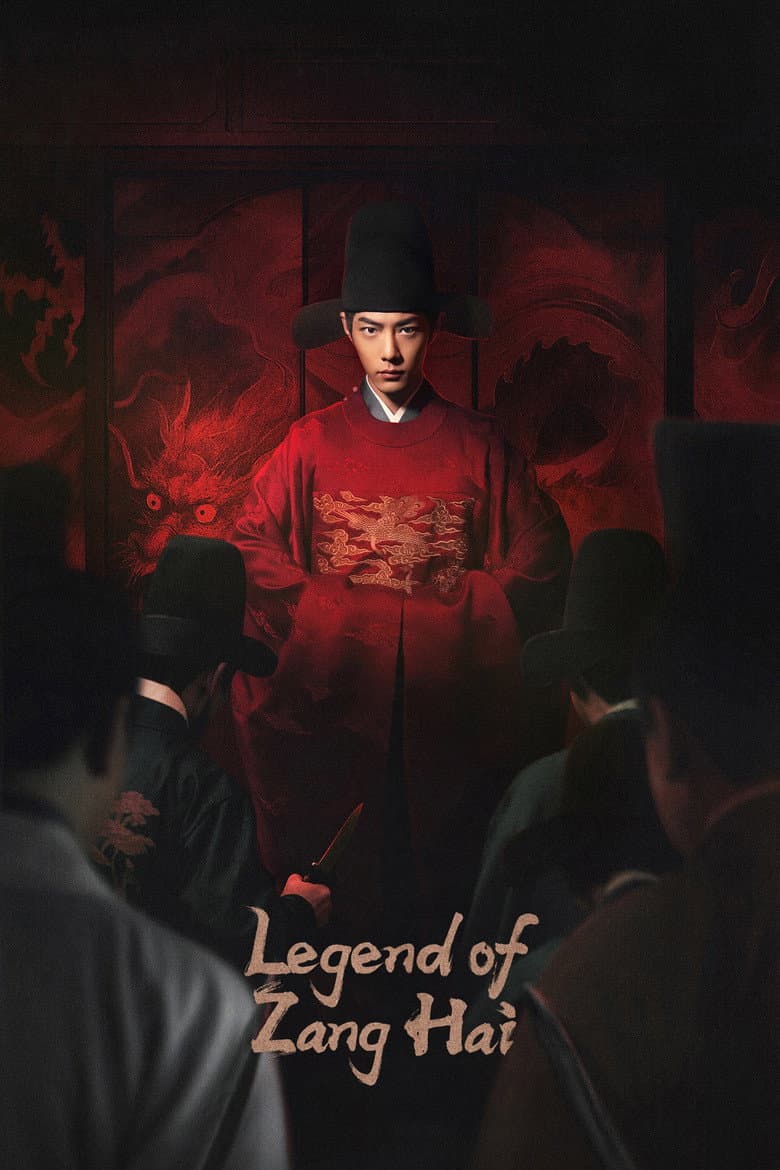
TV Show · 2025
"Legend of Zang Hai" follows the son of Imperial Astronomer Kuai Duo. Consumed by vengeance, he spends a decade honing his skills.
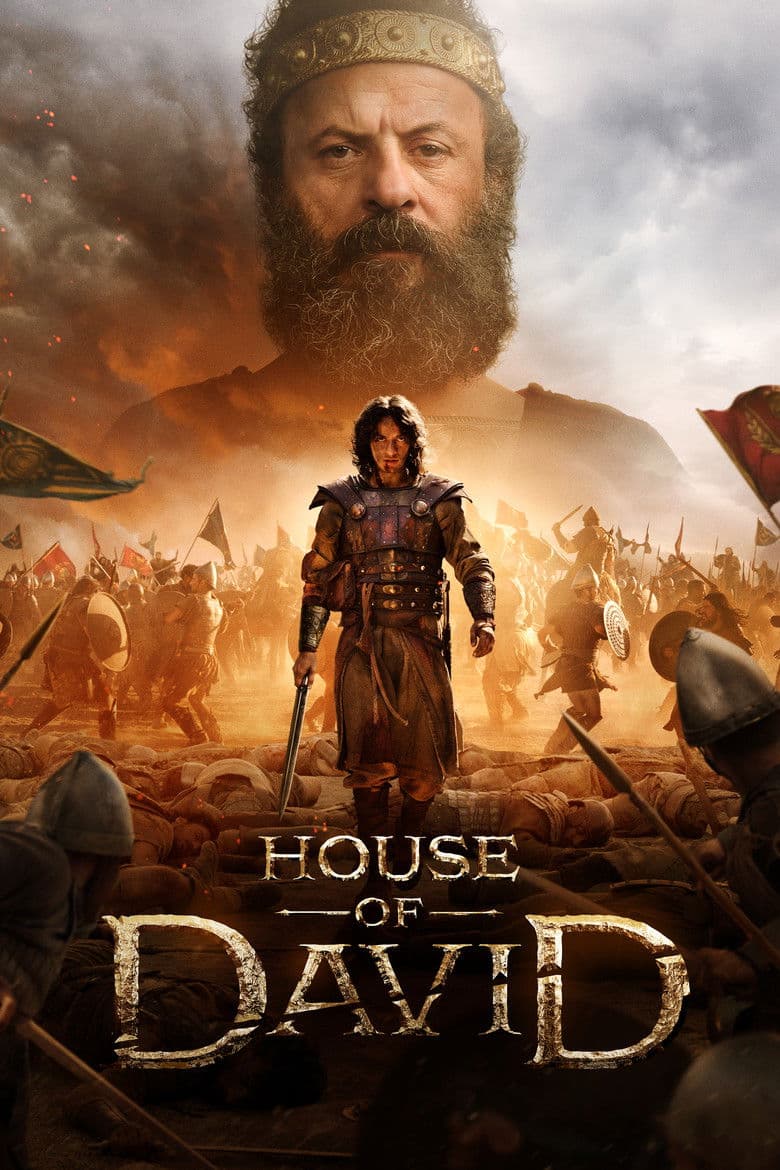
TV Show · 2025
Tells the story of the ascent of the biblical figure, David, who becomes the most celebrated king of Israel. The series follows the once-mighty King Saul as he falls victim to his…
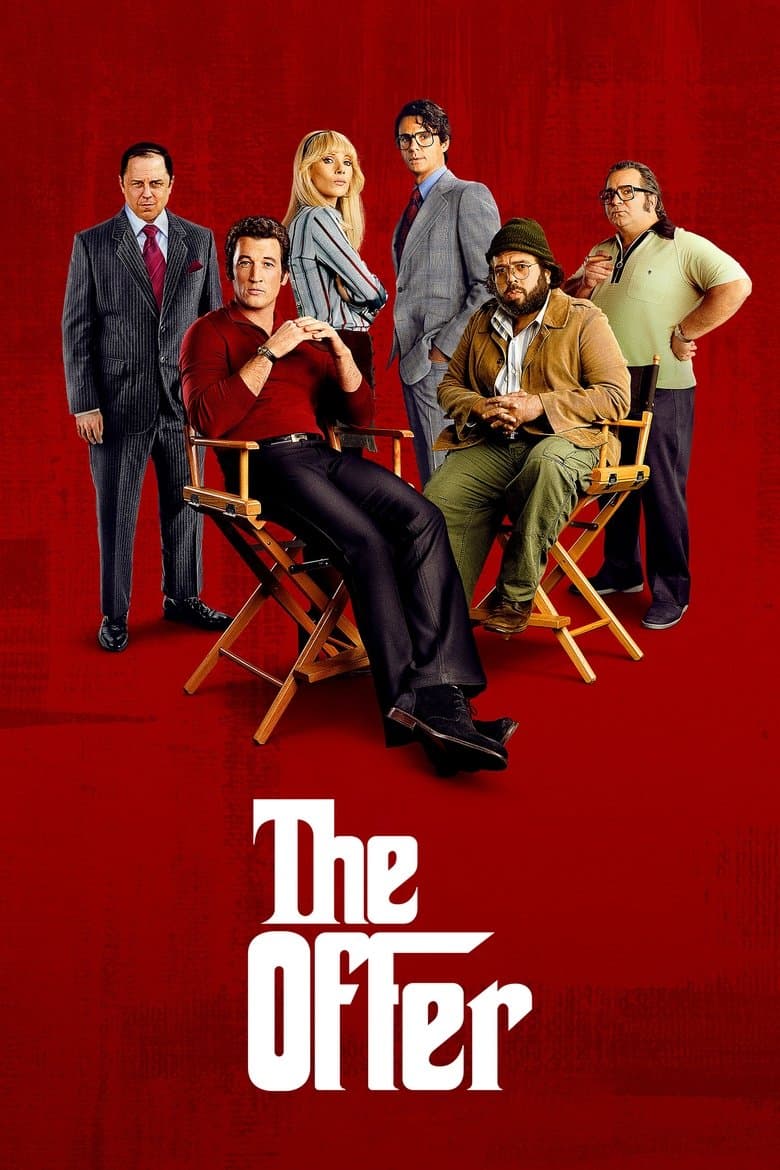
TV Show · 2022
Oscar-winning producer Al Ruddy’s never before revealed experiences of making the iconic 1972 film The Godfather that Francis Ford Coppola directed and adapted with Mario Puzo.
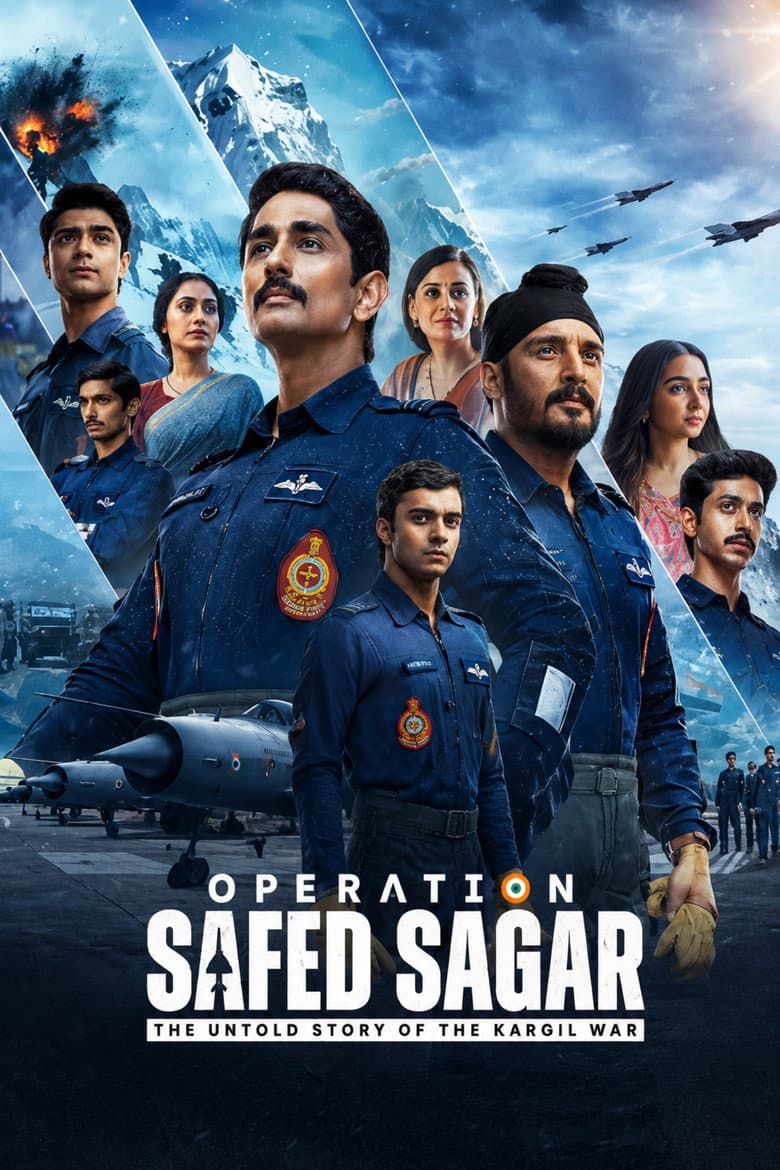
TV Show · 2026
As the Kargil War erupts between India and Pakistan, the Golden Arrows squadron of the Air Force takes flight on a dangerous mission behind enemy lines.
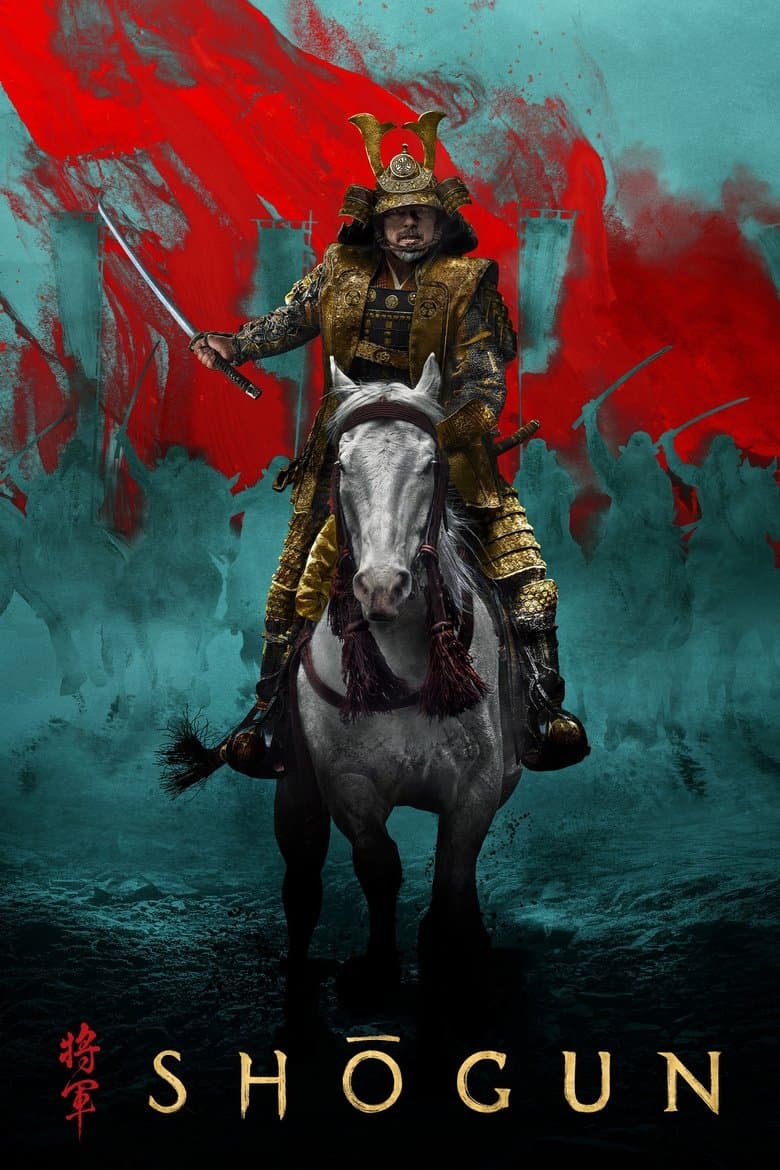
TV Show · 2024
In Japan in the year 1600, at the dawn of a century-defining civil war, Lord Yoshii Toranaga is fighting for his life as his enemies on the Council of Regents unite against him…
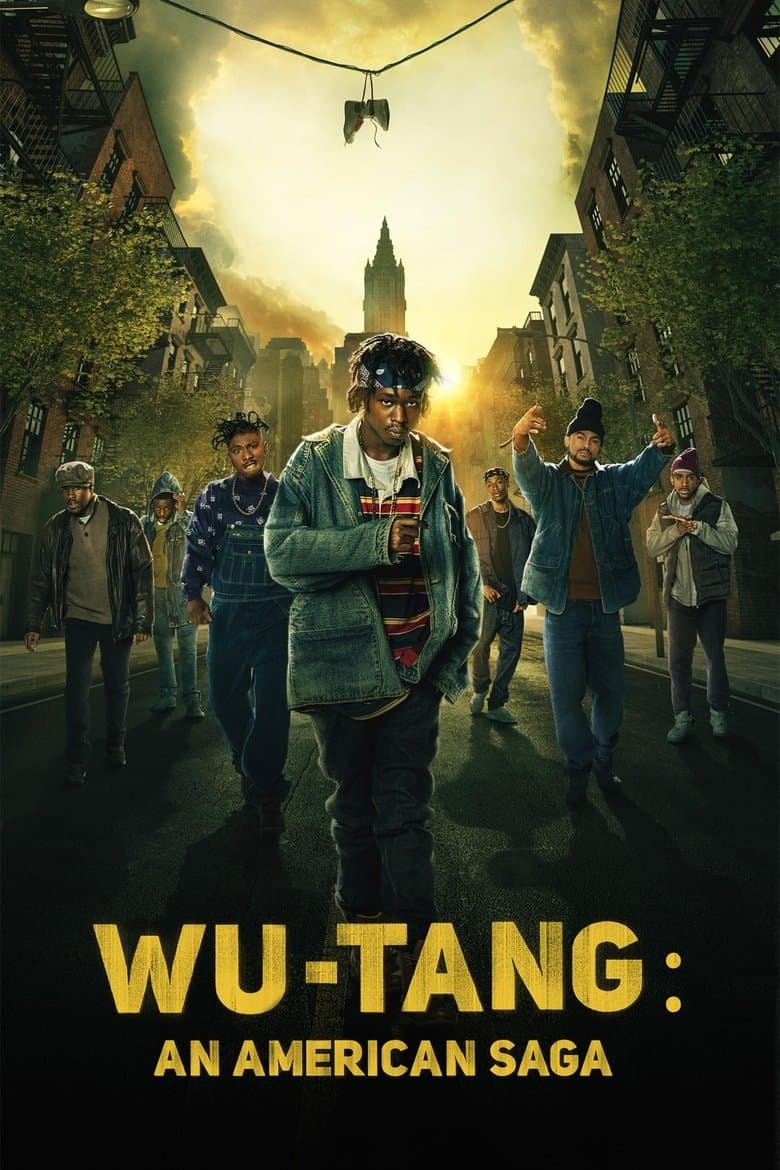
TV Show · 2019
In the early 1990s in New York, during the height of the crack cocaine epidemic, a visionary musician named Bobby Diggs aka The RZA begins to form a super group of a dozen young…
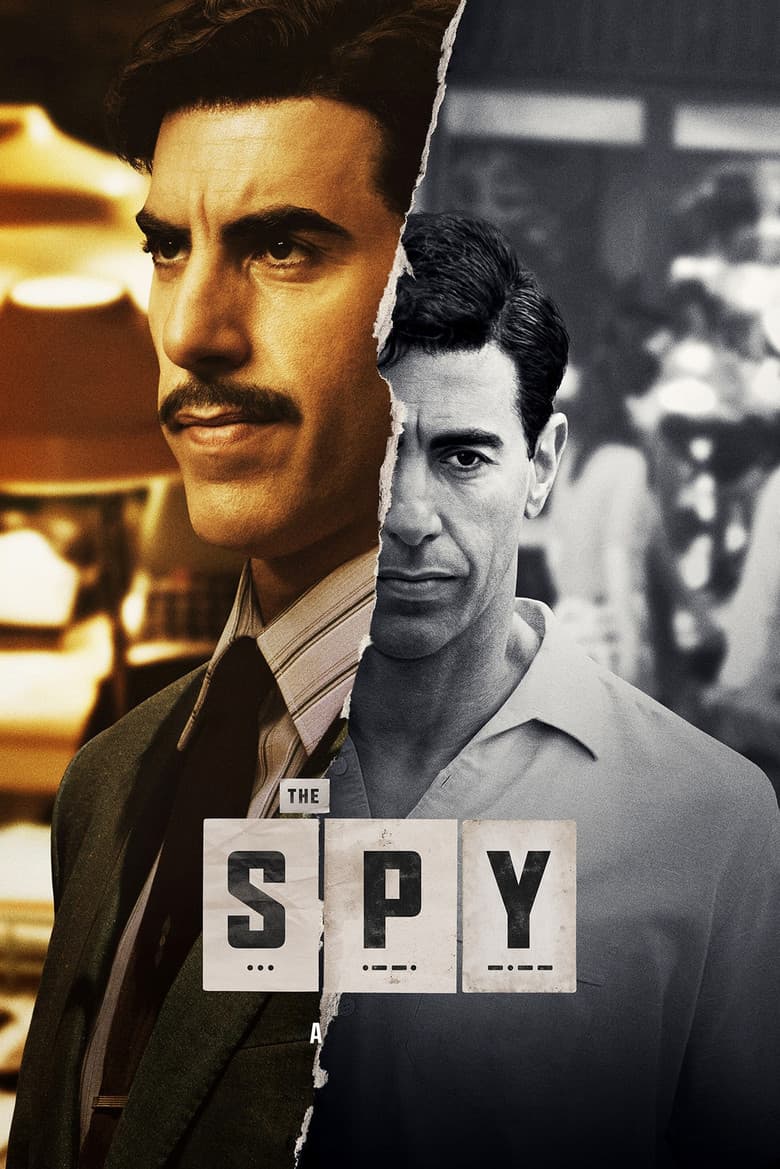
TV Show · 2019
In the 1960s, Israeli clerk-turned-secret agent Eli Cohen goes deep undercover inside Syria on a perilous, years-long mission to spy for Mossad.
TV Show · 2026
The Clyburns uproot their comfortable New York City lives to the wild, untamed beauty of Montana's Madison River Valley on a search for connection.
