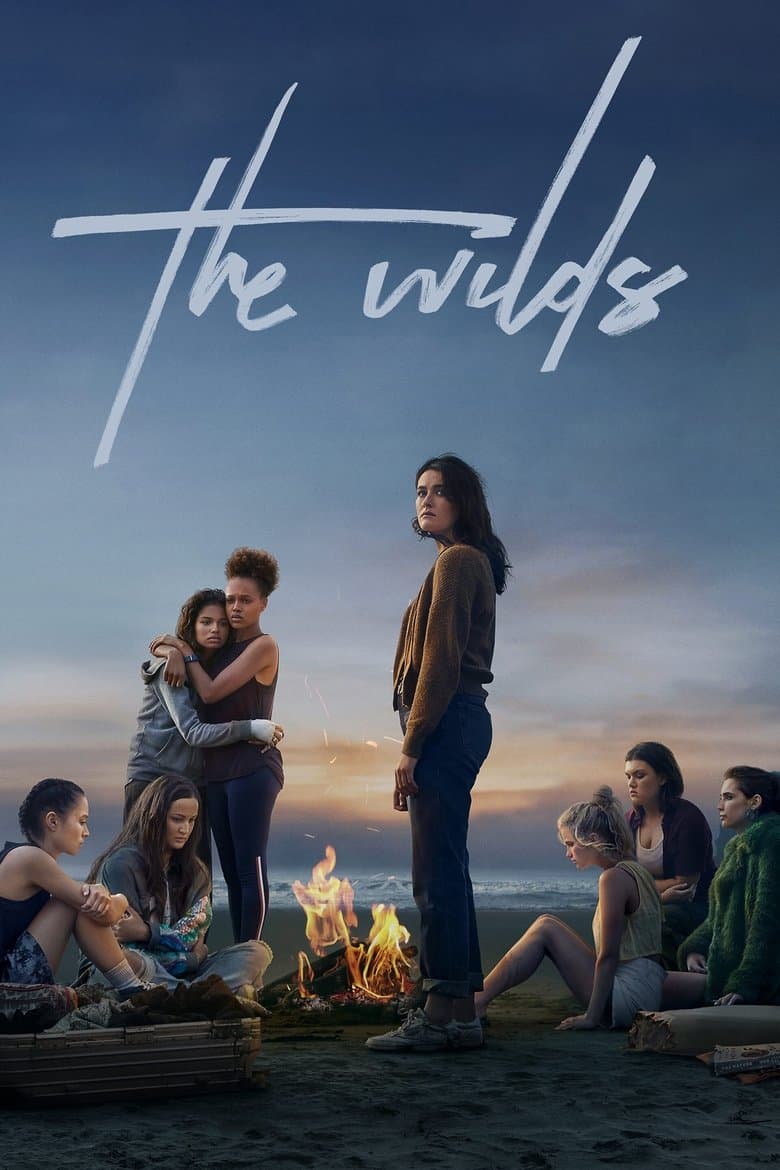
Started December 11, 2020 · Canceled · Based on 2 seasons, 18 episodes through May 5, 2022 · TV-MA
The Wilds follows eight teenage girls who survive a plane crash on a remote island. The girls come from different families, cultures, and social groups, so they often fight before they learn to trust each other. The girls later discover that the crash was part of a secret experiment. The show mixes survival drama, mystery, trauma, and teen romance.
The show gives major story space to female power, queer identity, and the effects of homophobia. Shelby leaves her strict Christian family and begins a relationship with Toni, a queer Indigenous girl. The secret experiment tries to prove that girls can build a better society than boys. Season two adds a boys’ group and often compares their behavior with the girls’ behavior, making gender politics part of the main mystery.
Community feedback
Was our 76% Woke rating accurate?
Breakdown
These are the editorial factors and ratings behind our score for The Wilds.
Woke representation / casting
The show builds its main cast around girls from different cultures, races, classes, and sexual identities. The group includes a queer Indigenous girl, a black athlete, a Muslim girl, and a Christian beauty queen. The marketing and interviews openly present the show as female-led and diverse. The casting fits a modern teen group, but the repeated focus on identity makes representation a clear audience-visible part of the design.
55%
Woke political dialogue
Gretchen says that women should hold power and tries to prove that a female society will work better than a male one. The show uses the island experiment to discuss patriarchy, male behavior, and women’s leadership. The girls also talk about homophobia, race, consent, and unfair treatment. The dialogue supports a modern feminist view, although the story also shows that women can be cruel, selfish, and dangerous.
52%
Identity-driven story themes
Shelby’s struggle with her sexuality and her romance with Toni form a major emotional storyline. The show treats Shelby’s escape from her homophobic Christian father as personal growth. Toni’s queer identity is central to her relationship, anger, and healing. The story also gives strong weight to female friendship, racial identity, trauma, and the question of whether women can create a better society than men.
76%
Western institutional / cultural critique
The show presents Shelby’s strict Christian family as harmful because it rejects her sexuality. The show presents Gretchen’s experiment as a dangerous attack on old ideas about male power and female submission. The boys’ group often performs worse than the girls’ group, which supports the show’s criticism of male group behavior. The series also attacks adult authority because adults use teenagers for a political and personal experiment.
64%
Woke character or canon changes
Not present in this title.
0%
Anti-woke backlash and complaints
Not present in this title.
0%
Creator track record context
Sarah Streicher has a record of female- and queer-focused writing and has praised LGBTQ writers. Melissa Blake has publicly supported gender and racial diversity in writers’ rooms. Leon Chills and A. Rey Pamatmat have strong identity-focused writing records. The title’s main themes match that background, but several other creators have little or no known activist record.
46%
Production
TV Show · 2023
A disgraced cop in debt is forced to return to his home state of Florida for a shady mission only to get swept up in a wild — and deadly — treasure hunt.
TV Show · 2021
When family man Nick Brewer is abducted in a crime with a sinister online twist, those closest to him race to uncover who is behind it and why.
TV Show · 2022
An archivist takes a job restoring damaged videotapes and gets pulled into the vortex of a mystery involving the missing director and a demonic cult.
TV Show · 2017
This anthology series brings to life Aaron Mahnke's titular podcast and uncovers the real-life events that spawn our darkest nightmares.
TV Show · 2018
In 1994, a toddler disappeared from a small Welsh village, never to be seen again. 23 years later, in London, the mother of rising cello star Matilda Gray commits suicide, without…
TV Show · 2019
A police chief takes in a young child she finds near the site of a mysterious accident who has no memory of what has happened.
TV Show · 2017
A war veteran turned private detective operates out of a tiny office in London’s Denmark Street. Although wounded both physically and psychologically, his unique insight and…
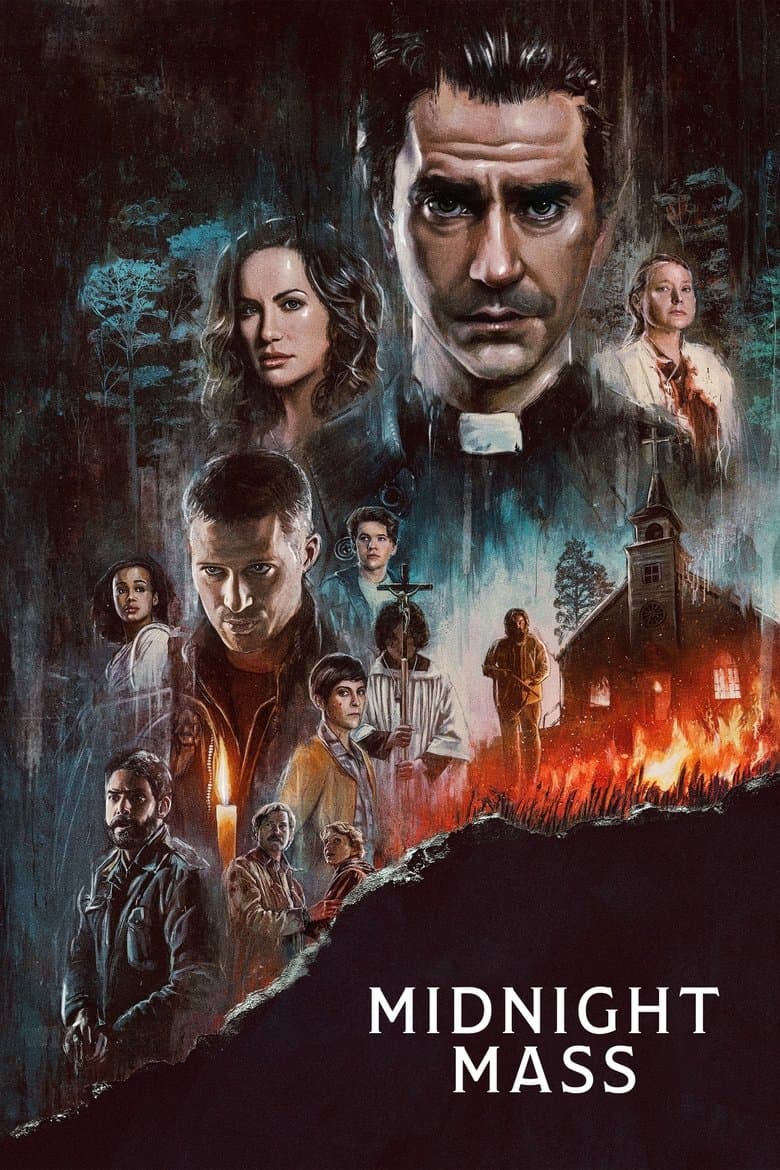
TV Show · 2021
The arrival of a charismatic young priest brings glorious miracles, ominous mysteries and renewed religious fervor to a dying town desperate to believe.
