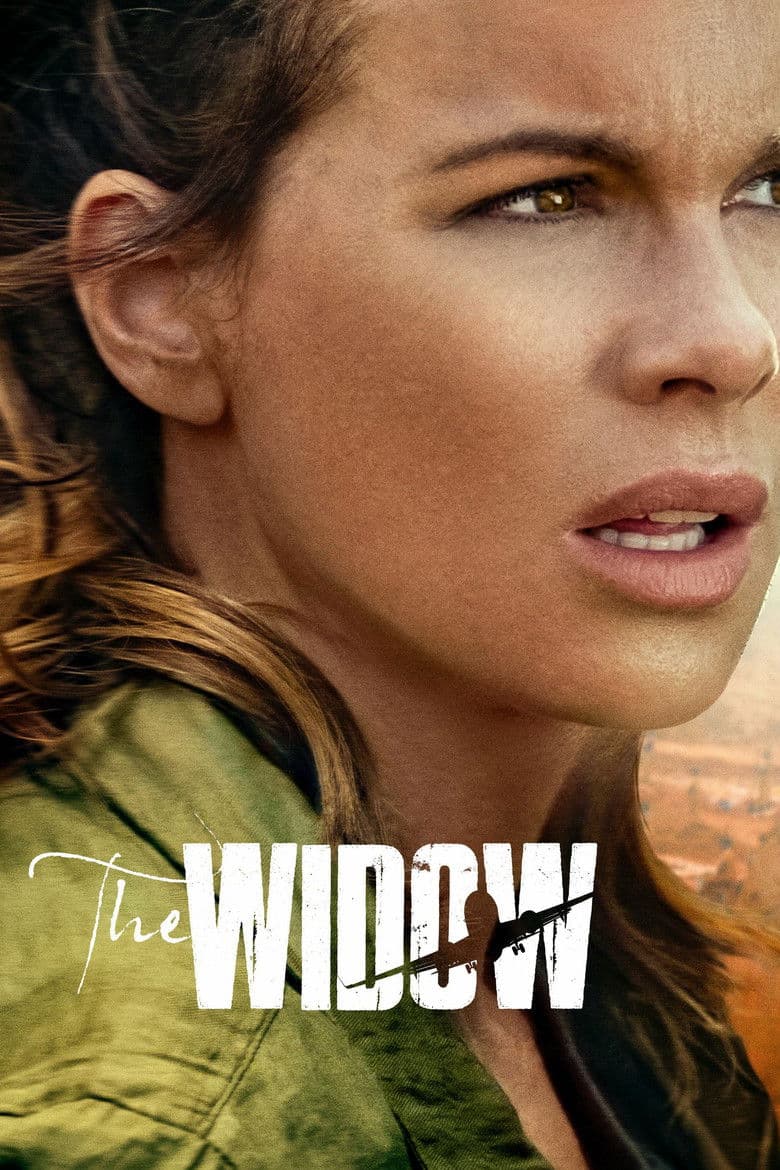
Started February 28, 2019 · Ended · Based on 1 season, 8 episodes through February 28, 2019 · TV-MA · 50 min
Georgia Wells has lived alone in the Welsh countryside since her husband Will was believed to have died in a plane crash in the Congo. Three years later, she thinks she sees him in a news report about unrest in Kinshasa. Georgia travels back to the Congo and works with local journalist Emmanuel to learn what happened. The show is a dark, tense mystery with action, grief, violence, and many secrets.
The story follows child soldiers, a brutal army general, foreign mercenaries, and people who profit from Congo's natural wealth. Georgia discovers that the crash is tied to illegal mining, militia violence, and a plan to control a valuable mine. The show also follows Ariel and Beatrix, two blind people linked to the crash and a medical trial. The story's social message is mainly about corruption, child exploitation, and foreign resource theft.
Community feedback
Was our 32% Woke rating accurate?
Breakdown
These are the editorial factors and ratings behind our score for The Widow.
Woke representation / casting
The show casts sighted Louise Brealey as blind piano tuner Beatrix. The plot gives a reason for using a sighted actor, which lowers the weight. The main international cast mostly matches the places and people in the story, so it does not show a strong diversity-first pattern.
15%
Woke political dialogue
The show repeatedly links the plane crash to corruption, militia violence, coltan mining, and money from outside Congo. Characters discuss a public inquiry, hidden truth, and people taking wealth from local resources. The dialogue supports the conspiracy plot more than a modern activist campaign. The message is clear but not constant.
28%
Identity-driven story themes
The show repeatedly centers Adidja, a Congolese girl forced to become a child soldier. The story ties her suffering to militia violence and the trade in Congo's minerals. Georgia takes charge of her rescue, and the ending places the girl in Georgia's Welsh home. This gives the season a visible race, power, and rescue theme, but it remains one subplot inside a wider mystery.
26%
Western institutional / cultural critique
The show ties the plot to foreign businesses and armed outsiders taking Congo's mineral wealth. Judith's charity, Will's smuggling, Pieter's mining deal, and the general's power show outsiders and local leaders profiting while ordinary people suffer. The finale connects the minerals to phones used in the West and shows families demanding answers. This critique recurs, but the story is mainly about greed and corruption.
34%
Woke character or canon changes
Not relevant. The show is an original story. It does not change a known character, book, or historical figure.
0%
Anti-woke backlash and complaints
Not present. The supplied X pass found no anti-woke reaction. Wider coverage focused on pacing, plot logic, and the Congo setting rather than claims that the show was woke or pushed DEI.
0%
Creator track record context
Cached context rates Jack and Harry Williams at 12 each. Cached context rates Sam Donovan, Olly Blackburn, and Eliza Mellor at 14 each. Their known work and public record do not show a strong activist or identity-focused pattern.
13%
Production
TV Show · 2022
Navy SEAL Commander James Reece turns to vengeance as he investigates the mysterious forces behind the murder of his entire platoon.
TV Show · 2016
In 18th-century North America, ruthless trappers and entrepreneurs fight to wrest control of the fur trade from the mighty Hudson's Bay Company.
TV Show · 2017
Go deep into the clandestine world of the legendary brotherhood of warrior monks known as The Knights Templar.
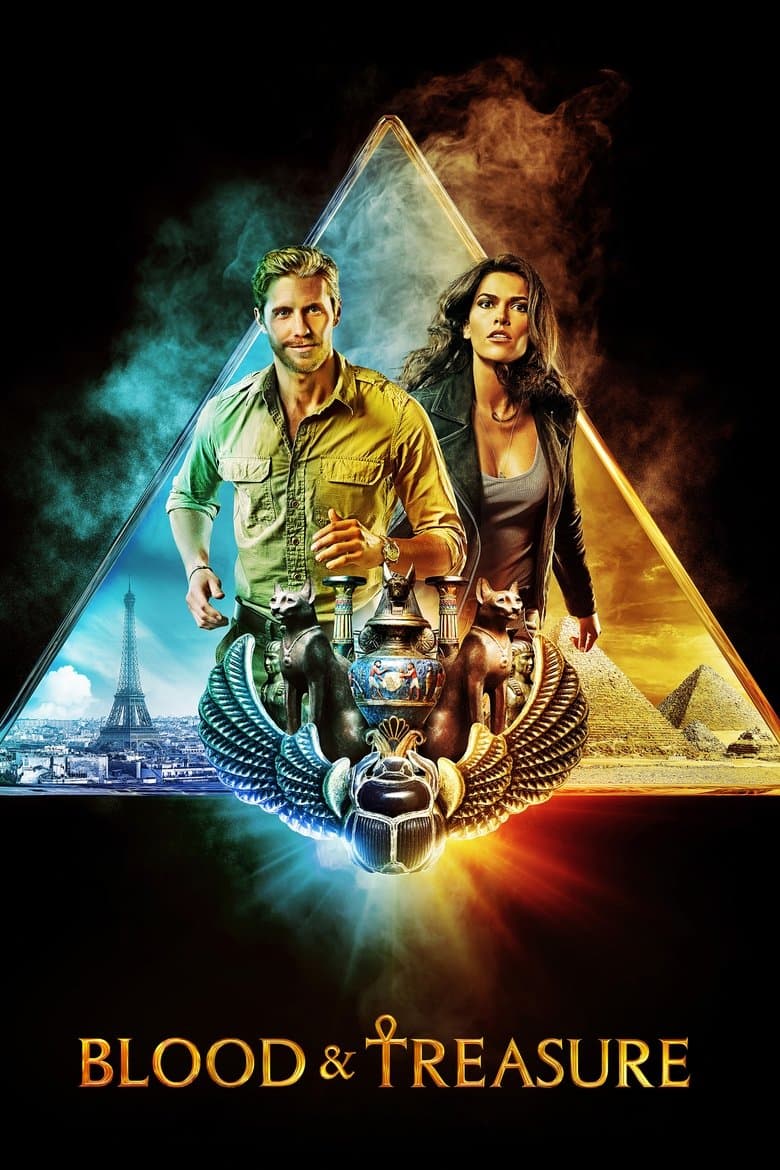
TV Show · 2019
An antiquities expert teams up with an art thief to catch a terrorist who funds his attacks using stolen artifacts.
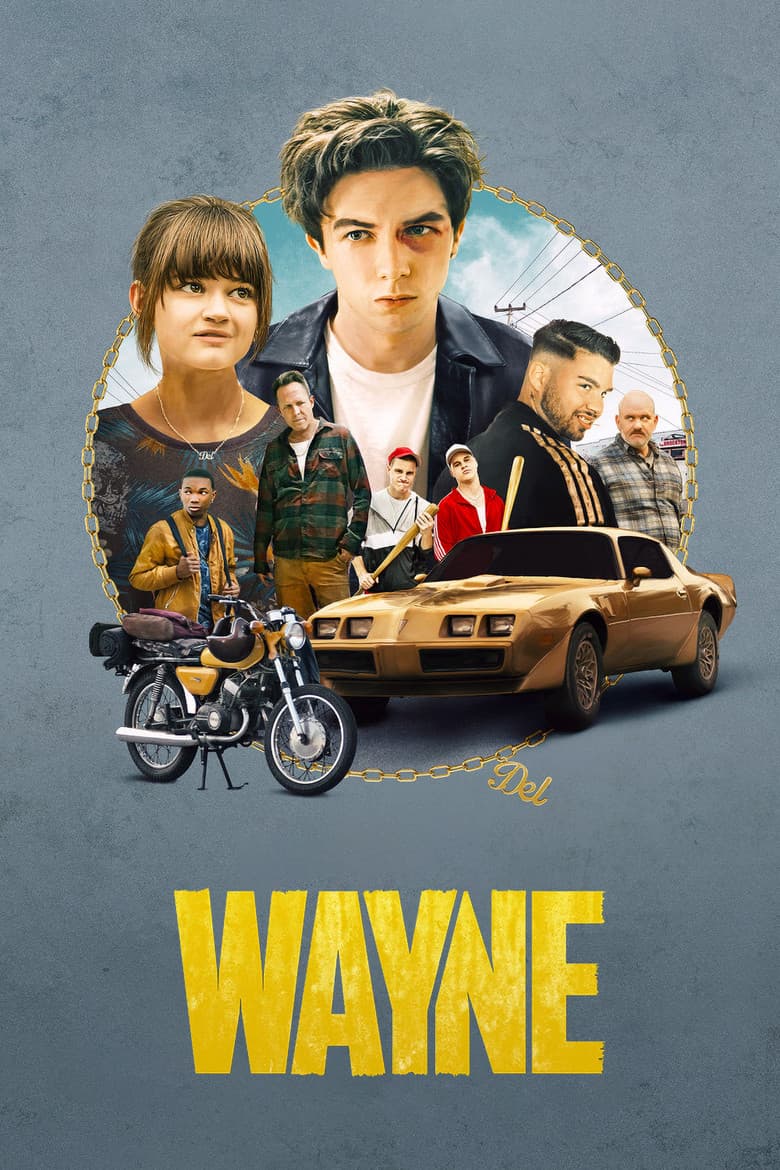
TV Show · 2019
In this gritty and sometimes bloody tale, sixteen year-old Wayne sets out on a dirt bike with his new crush Del to take back the 1978 Pontiac Trans Am that was stolen from his…
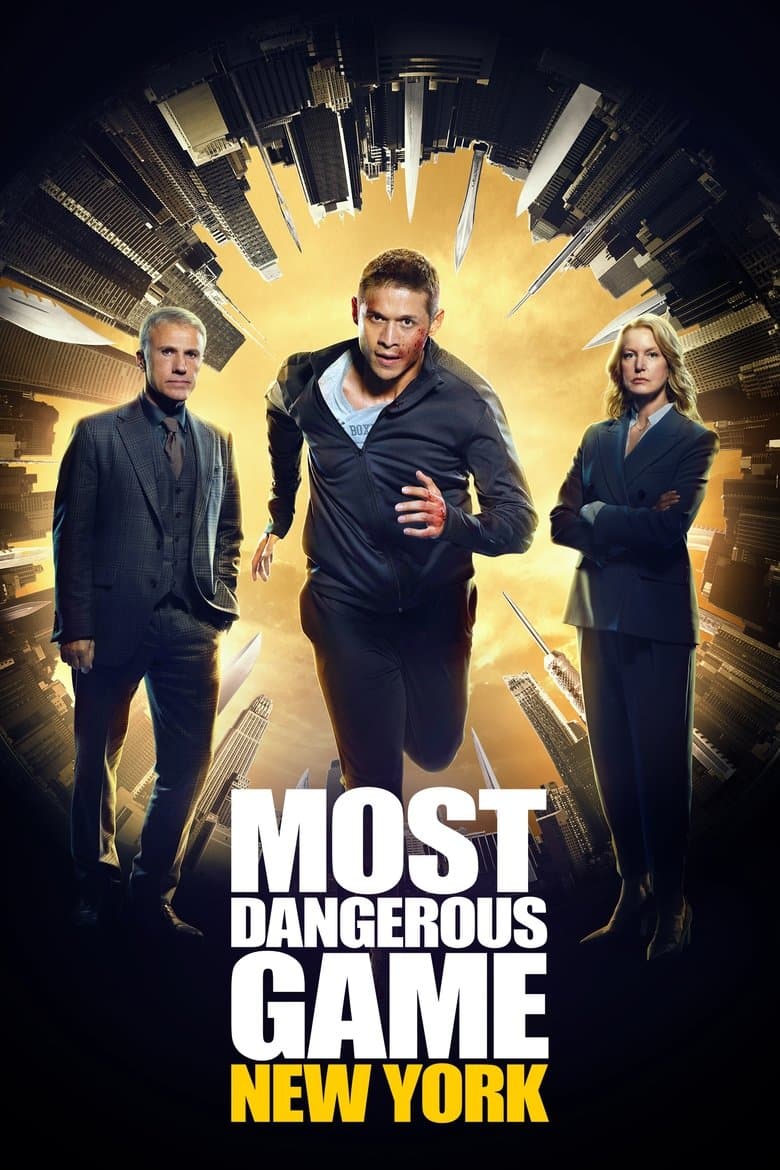
TV Show · 2020
Desperate to take care of his pregnant wife before a terminal illness can take his life, Dodge Maynard accepts an offer to participate in a deadly game where he soon discovers…
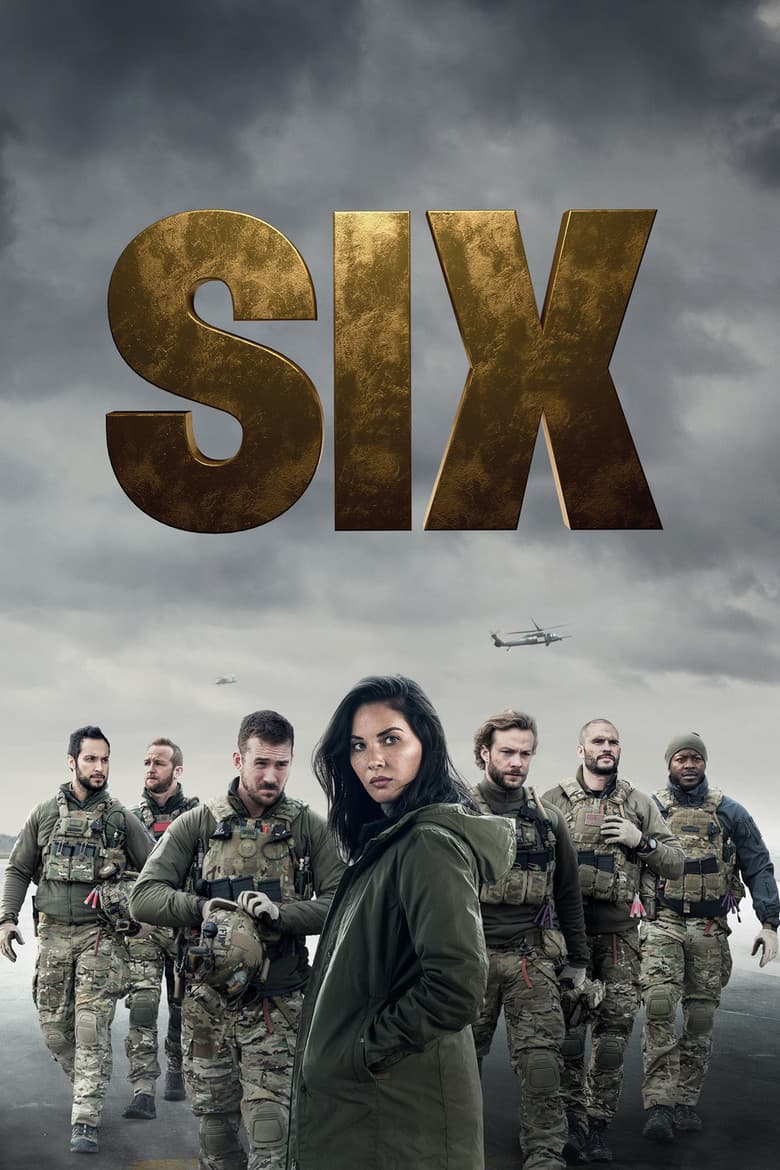
TV Show · 2017
Action drama series inspired by the real missions of Navy SEAL Team Six.
TV Show · 2022
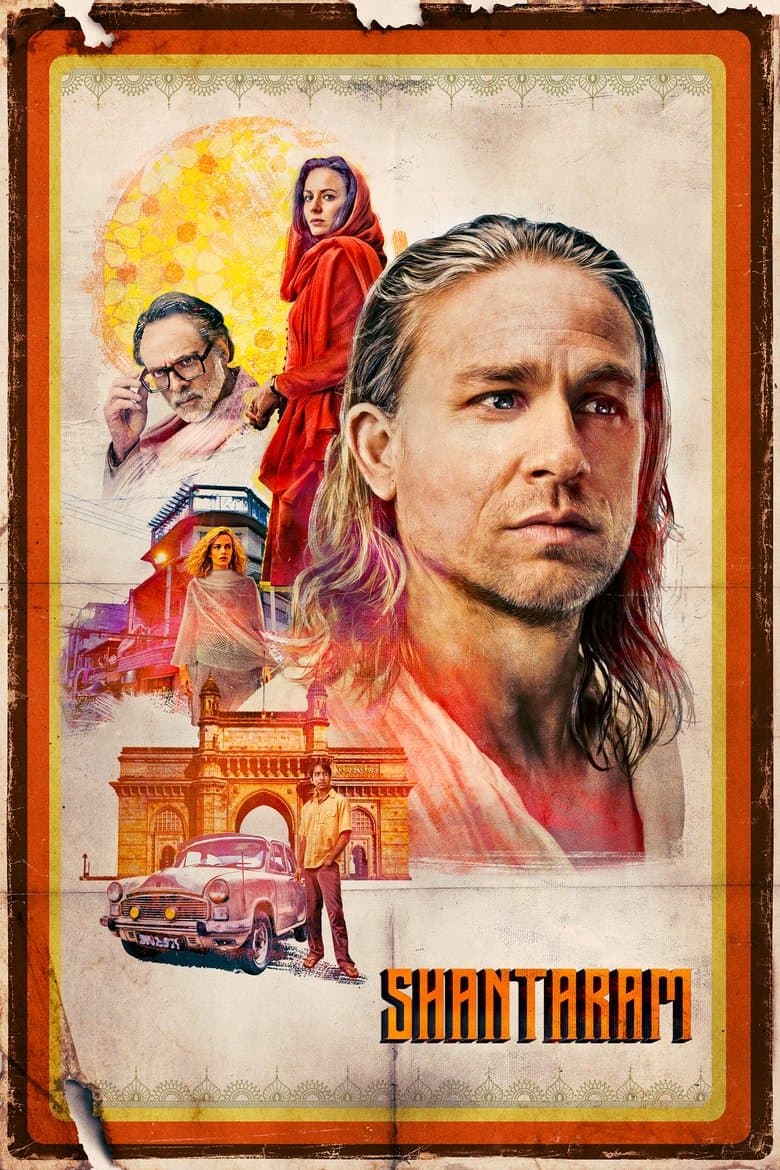
Escaped convict Lin Ford flees to the teeming streets of 1980s Bombay, looking to disappear. Working as a medic for the city's poor and neglected, Lin finds unexpected love…
