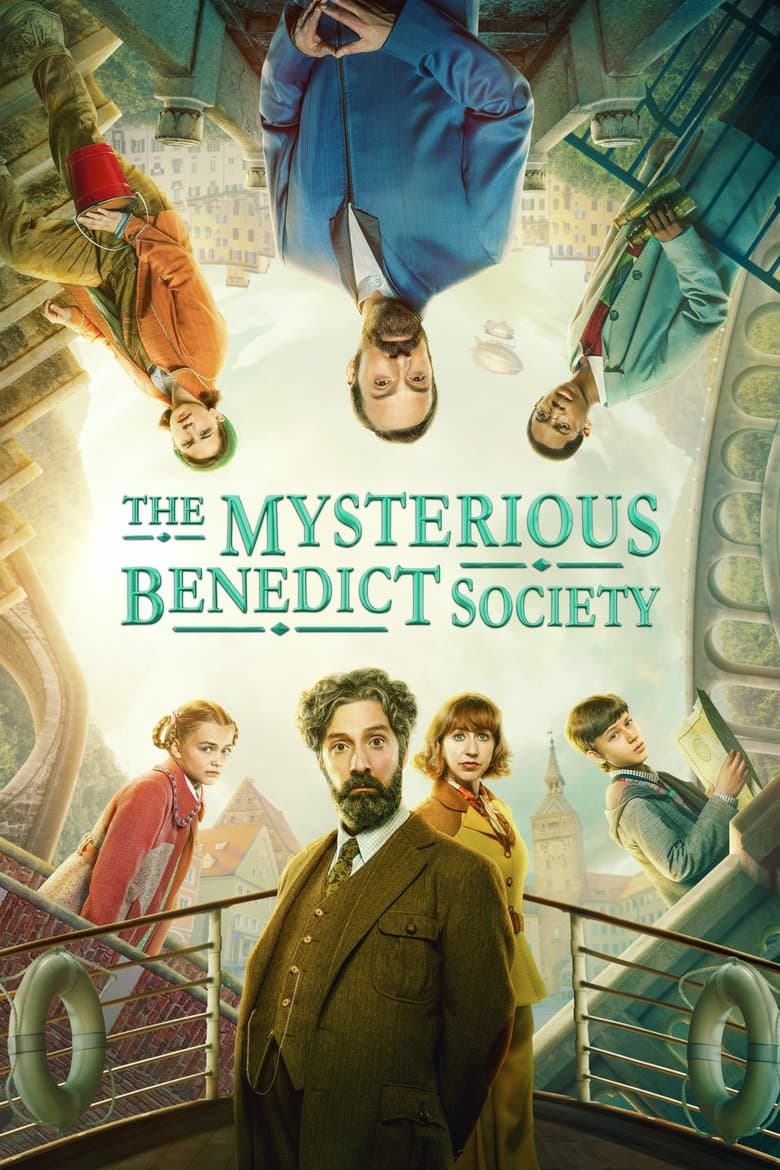
Started June 25, 2021 · Canceled · Based on 2 seasons, 16 episodes through December 7, 2022 · TV-PG · 45 min
Reynie Muldoon is a gifted orphan who solves difficult puzzles and understands people well. Mr. Benedict recruits Reynie, Sticky, Kate, and Constance to stop a global crisis called the Emergency. The children go undercover at a strange boarding school in season one and discover a machine that spreads fear through broadcasts. In season two, they follow a worldwide scavenger hunt to rescue Mr. Benedict and Number Two from a plan that forces people to feel happy. Bright colors, odd jokes, riddles, danger, and a warm family tone shape the show.
The main child team includes a Latino boy, a black boy, a white girl, and a Russian girl. The show says that people should value those who are different, and it presents empathy and chosen family as answers to fear and control. Season one criticizes propaganda and misinformation, while season two criticizes forced happiness and fake online images. A minor character mentions having two moms, but queer content does not drive the plot. These ideas are visible, but the main story remains a family adventure about truth, friendship, and stopping mind control.
Community feedback
Was our 51% Woke rating accurate?
Breakdown
These are the editorial factors and ratings behind our score for The Mysterious Benedict Society.
Woke representation / casting
The four child heroes include a Latino boy, a black boy, a white girl, and a Russian girl. The adult hero team also gives major roles to a black woman and an Indian woman. The creators said they focused on diversity and inclusion and wanted diverse actors for Reynie and Sticky. The main cast therefore places clear attention on representation.
40%
Woke political dialogue
The show repeatedly discusses The Emergency, fake news, propaganda, and fear. Season one connects those messages to a machine that controls adults. Season two connects forced happiness to fake online images. The heroes support truth, empathy, and kindness instead of control, but the politics remain broad and do not focus on race, gender, or party labels.
35%
Identity-driven story themes
The story says that people who feel different can use their unusual traits as strengths. The children succeed through empathy, memory, puzzle skills, and invention rather than brute force. Both seasons build a chosen family and ask how children can keep their own identity inside a group. Season 2 briefly includes a minor character with two moms, but queer identity is not a main part of the plot.
33%
Western institutional / cultural critique
The show presents a school, news broadcasts, and a powerful leader as tools that shape public thought. Season 2 criticizes fake online happiness and the pressure to appear happy all the time. The story does not attack family life, religion, capitalism, or traditional gender roles. The main conflict remains a fictional mind-control plot.
18%
Woke character or canon changes
The TV version makes Reynie Latino, while the book describes him as pale and ordinary-looking. The creators said they wanted a diverse Reynie and Sticky and focused on diversity and inclusion in casting. The show also gives Constance a Russian background. The creators said that change came from the actor's audition, and these changes do not remake the whole canon.
27%
Anti-woke backlash and complaints
One small X account accused the Disney+ show of programming children into a woke cult. The post had about one like. A separate parent-style post called the show woke-free, but that post praised the show instead of complaining about it. No sustained boycott, review-bombing push, or large right-leaning campaign appeared in the available reaction.
8%
Creator track record context
The cached creator records are mixed, and most profiles have low or mild scores. James Rogers III is scored 85 because his work centers on queer people and Black, Indigenous, and other minority stories. Taylor Chukwu is scored 55 because of a stated goal to show varied Black experiences. Season 2 also includes directors Kabir Akhtar at 60 and Lena Khan at 70 for public support of diverse hiring and South Asian or Muslim representation.
42%
Production
TV Show · 2019
The life of Christ through the eyes of those who encountered him.
TV Show · 2021
A Deputy Marshal inherits an unruly dog who helps him solve crimes and investigate a family mystery.
TV Show · 2017
The orphaned Baudelaire children face trials, tribulations and the evil Count Olaf, all in their quest to uncover the secret of their parents' death.

TV Show · 2024
Knuckles embarks on a hilarious and action-packed journey of self-discovery as he agrees to train Wade as his protégé and teach him the ways of the Echidna warrior.
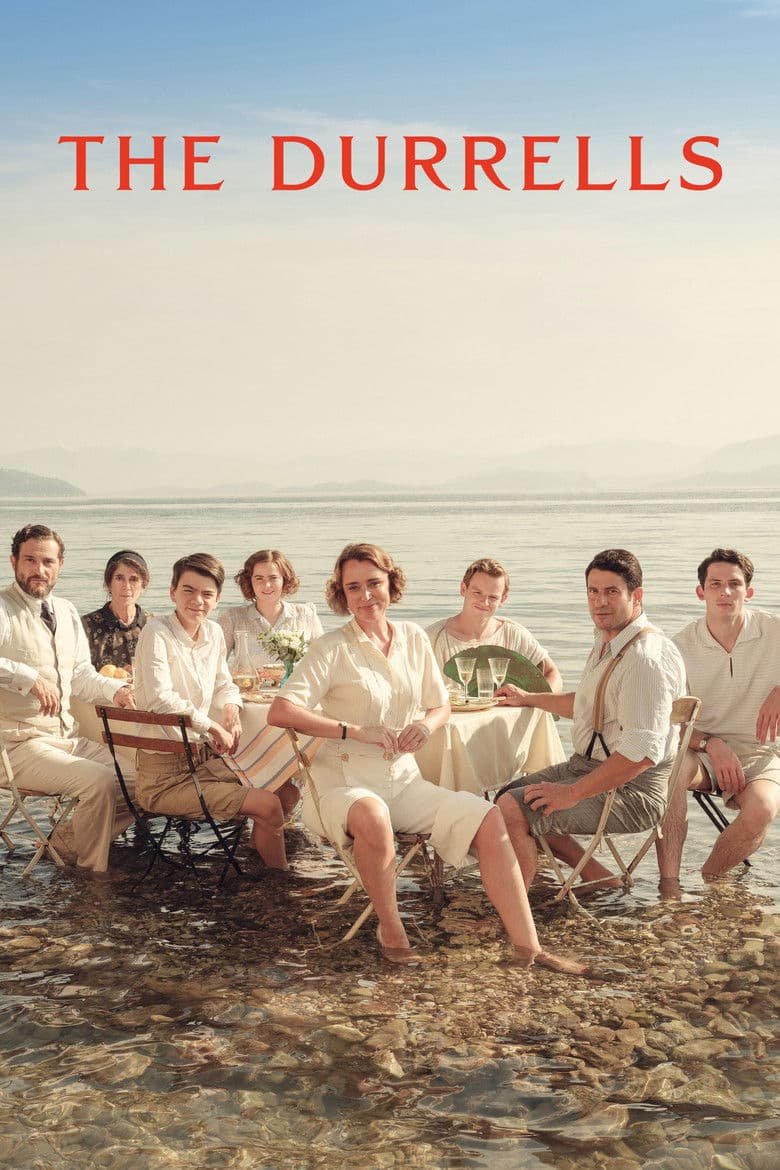
TV Show · 2016
In 1935, financially strapped widow Louisa Durrell, whose life has fallen apart, decides to move from England, with her four children (three sons, one daughter), to the island of…
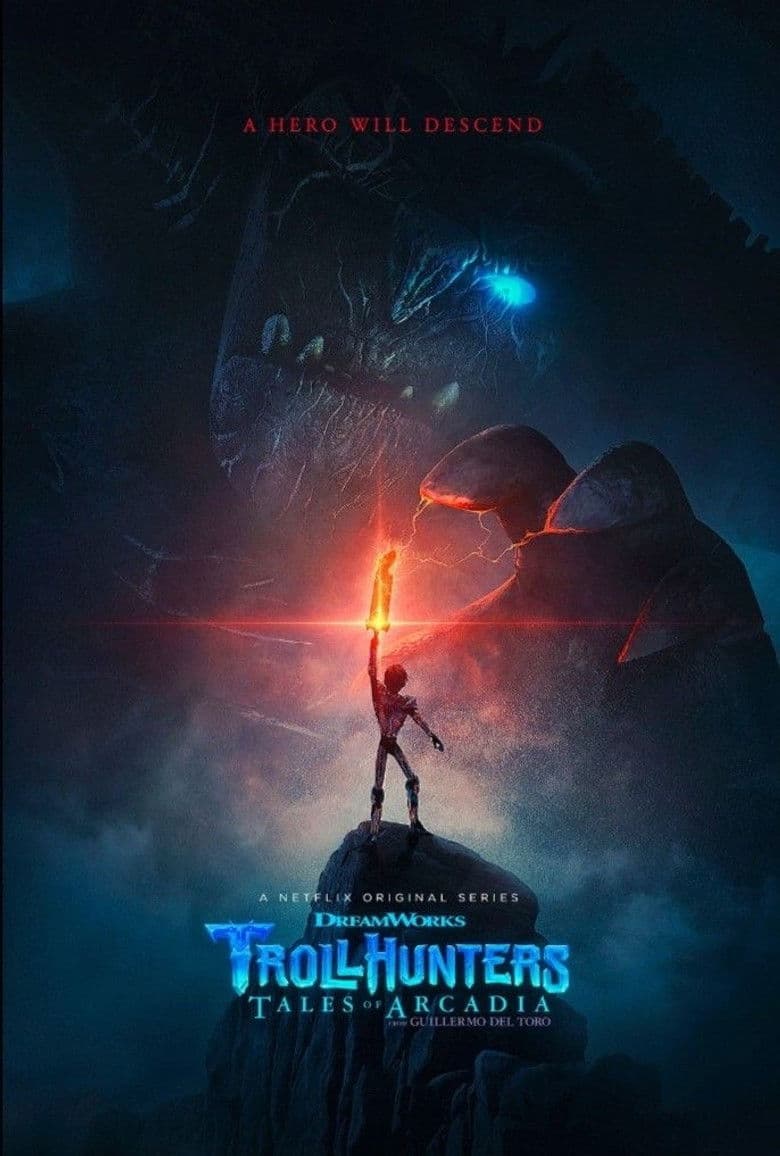
TV Show · 2016
After uncovering a mysterious amulet, an average teen assumes an unlikely destiny and sets out to save two worlds.
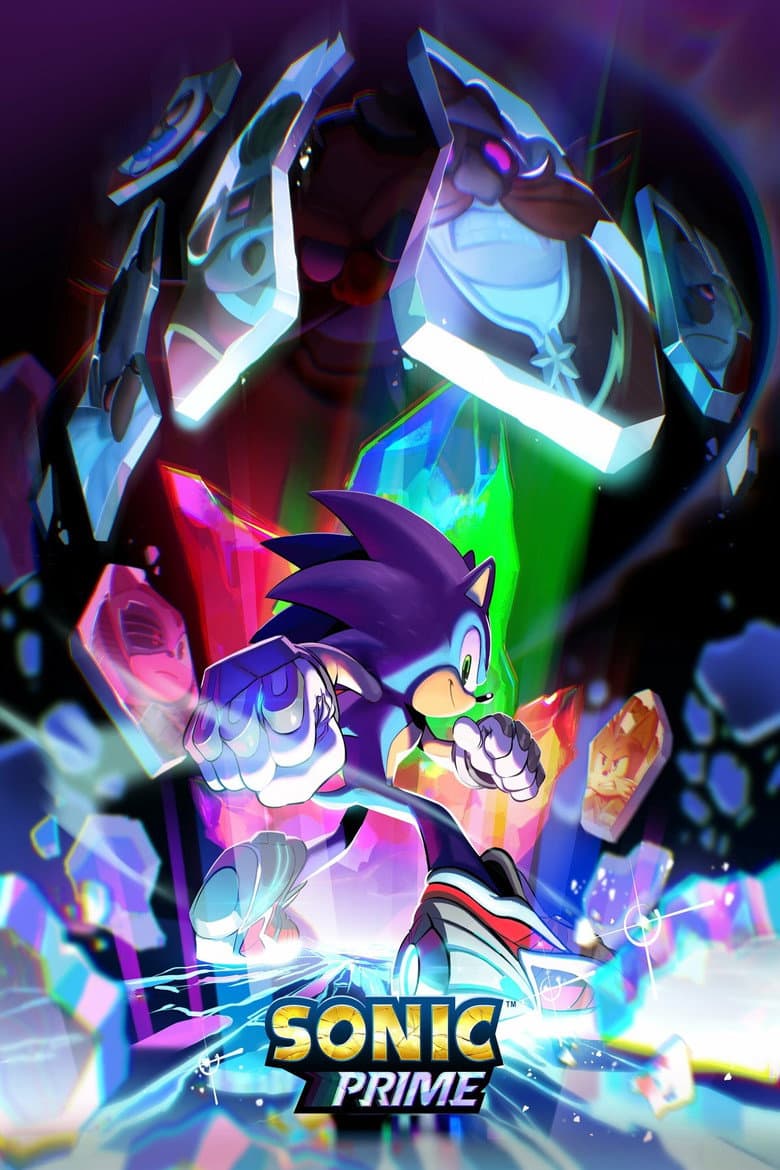
TV Show · 2022
When an explosive battle with Dr. Eggman shatters the universe, Sonic races through parallel dimensions to reconnect with his friends and save the world.
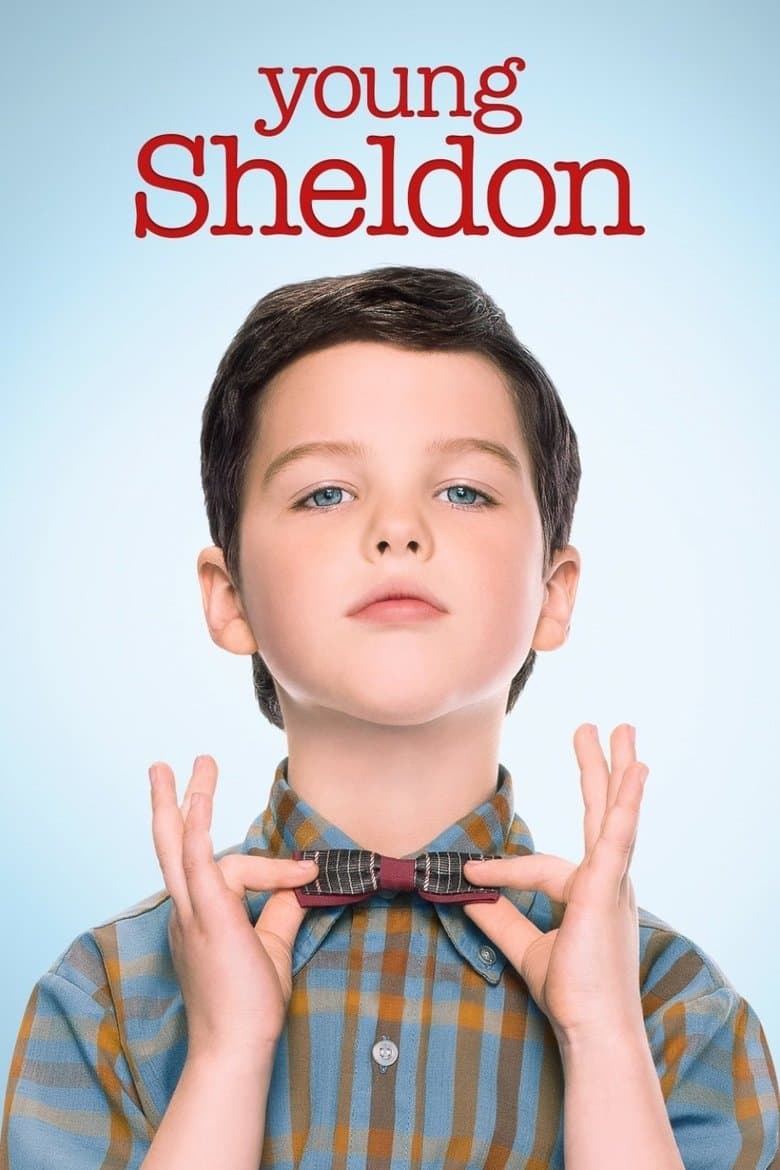
TV Show · 2017
The early life of child genius Sheldon Cooper, later seen in The Big Bang Theory.
