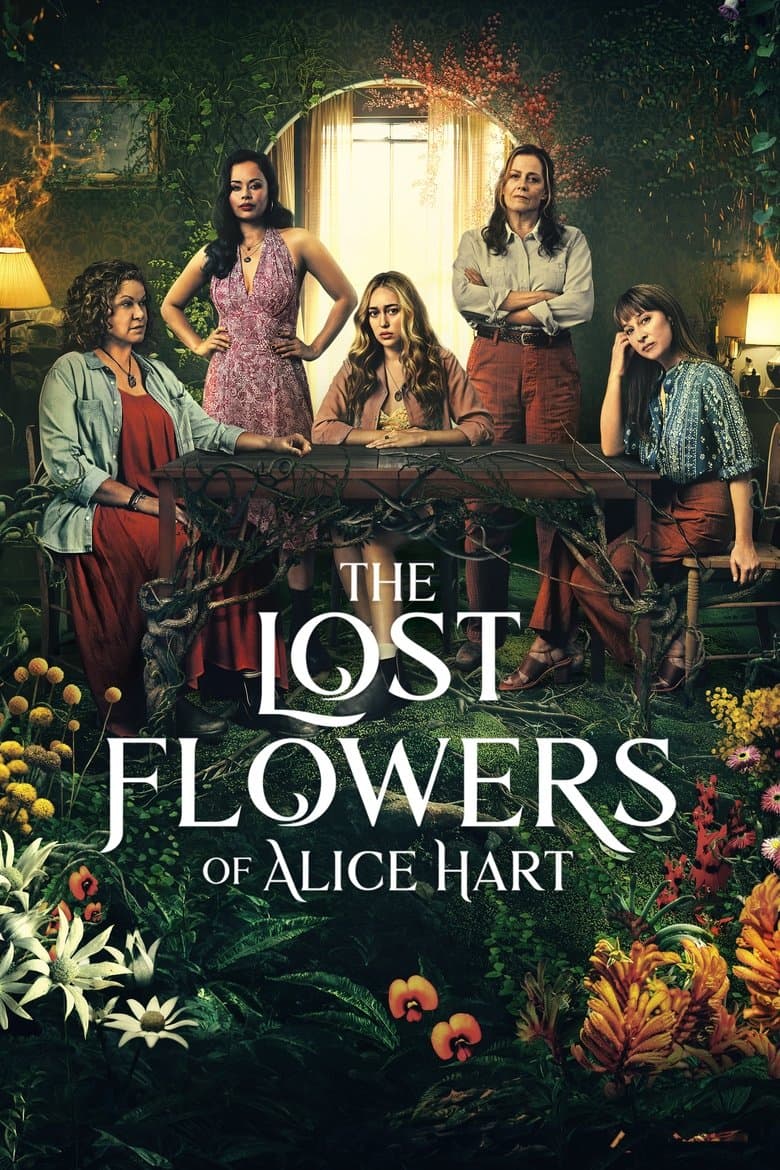
Started August 3, 2023 · Ended · Based on 1 season, 7 episodes through August 31, 2023 · TV-MA
Alice Hart grows up in a remote part of Australia with a violent father and a frightened mother. After a fire kills her parents, Alice moves to her grandmother June’s wildflower farm, Thornfield. The farm shelters women who escaped abuse, but June hides painful family secrets and controls Alice’s life. Years later, Alice leaves for the desert, falls for a dangerous ranger, and must face the abuse and lies that shaped her. The show is a dark, slow mystery with strong family drama and beautiful natural views.
The show puts female survival at the center of nearly every episode. June and her partner Twig protect abused women, while Alice learns that secrecy can pass pain from one generation to the next. The story presents repeated male violence, control, and jealousy as the main threats, and it presents women helping women as the main path to safety and healing. June and Twig are a long-term female couple, and Twig is an Indigenous Australian woman whose lost children and return to her culture form part of the later story. These themes are central to the plot, but the show focuses more on trauma, family, and recovery than on speeches about current politics.
Community feedback
Was our 52% Woke rating accurate?
Breakdown
These are the editorial factors and ratings behind our score for The Lost Flowers of Alice Hart.
Woke representation / casting
The main cast is built around women, including June as the farm owner, Twig as her partner, and Ruby as an Indigenous ranger. The show also has a Samoan New Zealand woman as the adopted daughter Candy. Much of this casting fits a refuge run for abused women in modern Australia, so the identity signal is limited. Marketing and interviews stress the strong female cast and female-driven story.
22%
Woke political dialogue
June says local people dislike women running a farm and think the women are different. Characters repeatedly talk about men’s violence, toxic relationships, and the need for women to protect one another. The dialogue treats male power in family life as a social problem. The show has no sustained party politics or speeches about current identity policy.
24%
Identity-driven story themes
The central plot follows a refuge for women fleeing abuse and Alice’s attempt to break a family cycle shaped by violent men. The story repeatedly presents women helping women, female strength, and finding one’s own voice as the answer to fear and control. June and Twig’s same-sex relationship is part of the home’s family structure, and Twig’s Indigenous identity and lost children matter in the later episodes. The show treats these themes as important, but it is not mainly a queer story.
56%
Western institutional / cultural critique
The story shows fathers, sons, and boyfriends using control and violence against women across several generations. The women build an isolated refuge because family homes and official help do not always keep them safe. June’s rule is also shown as harmful when her protection becomes control, so the show criticizes male entitlement and controlling family rules. The show does not attack Christianity, capitalism, or Western culture as a whole.
46%
Woke character or canon changes
Not relevant. The series is based on Holly Ringland’s novel, and no clear identity-driven change to the source material is confirmed. The added scenes and shortened plot are normal screen adaptation choices.
0%
Anti-woke backlash and complaints
Not present. The supplied X pass found no anti-woke complaints, boycotts, or review-bombing push. Web coverage focused on abuse, pacing, acting, and plot.
0%
Creator track record context
Cached context gives Sarah Lambert, Holly Ringland, and Kirsty Fisher a pattern of women-centered stories and themes. Kim Wilson has a stronger record of queer and identity-focused work. The director and several producers have lower or mixed scores, so the wider team does not show one uniform activist record. Title interviews openly frame the show around women’s resilience and violence against women.
34%
Production
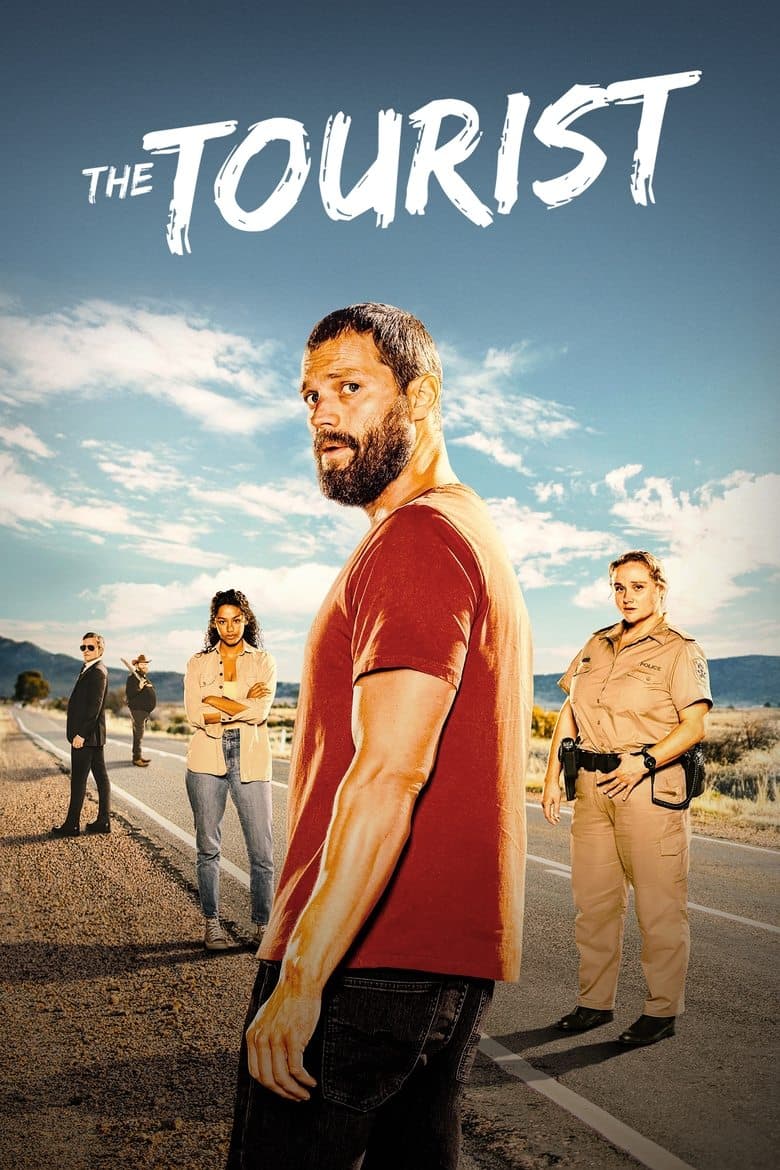
TV Show · 2022
When a man wakes up in the Australian outback with no memory, he must use the few clues he has to discover his identity before his past catches up with him.
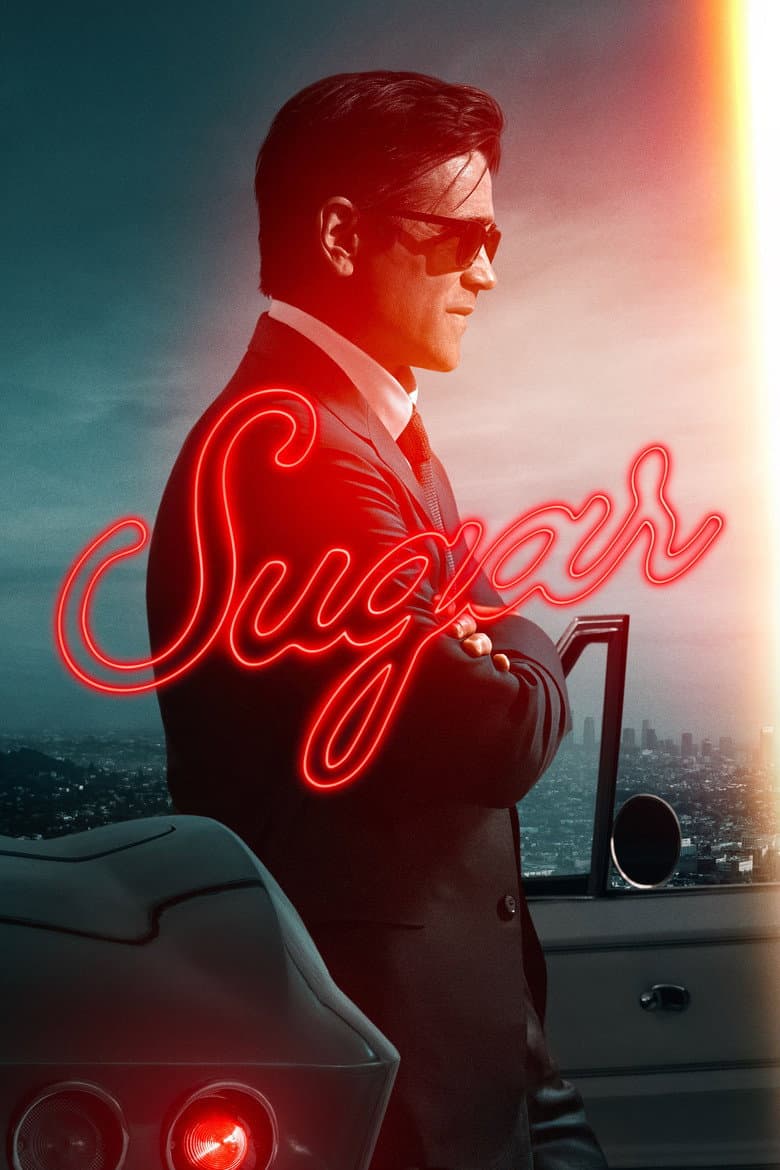
TV Show · 2024
John Sugar is a dashing private eye navigating the dark corners of sunny LA. Though he sees only the good in humanity, Sugar is haunted by a secret too dangerous to expose.
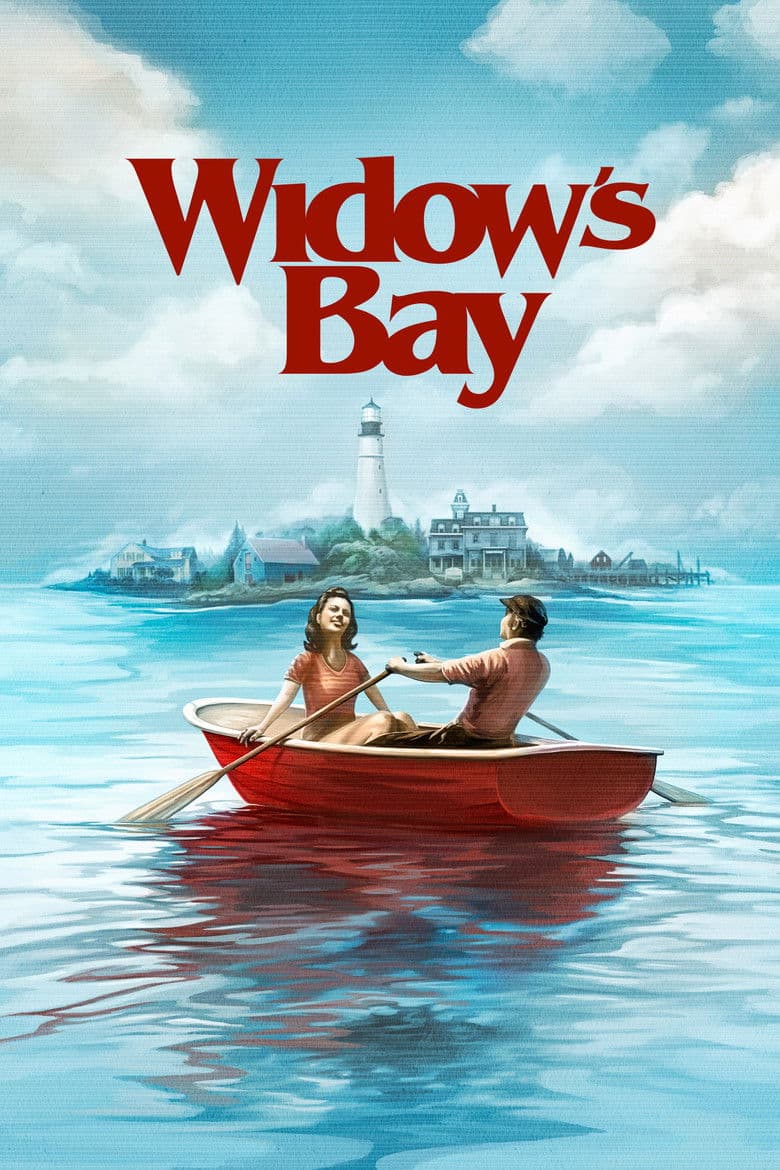
TV Show · 2026
The mayor of a New England town resolves to turn it into the next tourist hot spot, despite local warnings that it's cursed.
TV Show · 2019
A Philadelphia couple are in mourning after an unspeakable tragedy creates a rift in their marriage and opens the door for a mysterious force to enter their home.
TV Show · 2025
A brash but brilliant cop becomes head of a new police department, where he leads an unlikely team of misfits in solving Edinburgh's cold cases.
TV Show · 2023
A disgraced cop in debt is forced to return to his home state of Florida for a shady mission only to get swept up in a wild — and deadly — treasure hunt.
TV Show · 2018
In 1994, a toddler disappeared from a small Welsh village, never to be seen again. 23 years later, in London, the mother of rising cello star Matilda Gray commits suicide, without…
TV Show · 2022
Lucy wakes every night at exactly 3:33am. Nothing in her life has made sense for a long time. But the answers are out there, somewhere, at the end of a trail of brutal murders.
