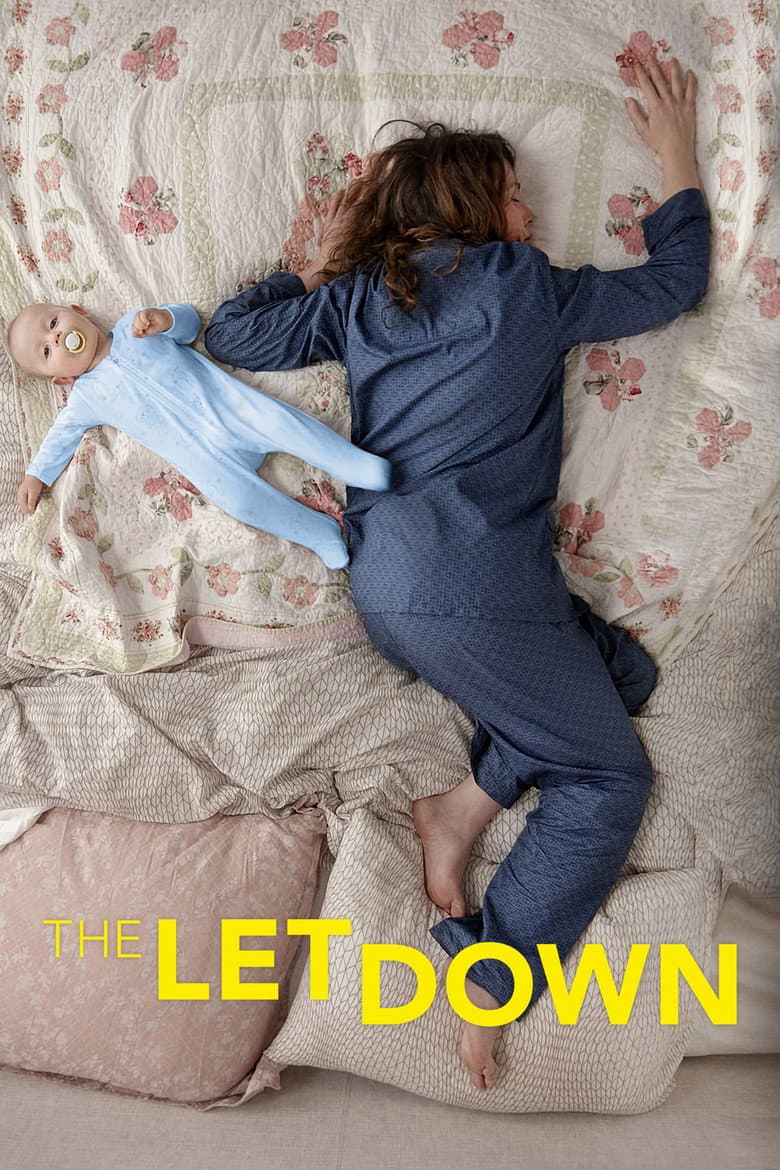
Started May 4, 2016 · Ended · Based on 2 seasons, 13 episodes through July 3, 2019 · M · 30 min
Audrey is a new mother in Sydney who wants to keep her old life and her sense of self. She joins a local mothers group while her husband Jeremy works hard but often misses how much care she provides. Her friends, mother, and the other parents add help, pressure, and chaos to her life. The comedy follows sleep loss, sex problems, work, money, marriage, and the fear of another pregnancy.
The show makes motherhood and female identity central across both seasons. It questions the idea that women should stay home, provide most child care, and follow perfect parenting rules. Season two follows Audrey's abortion, her mixed feelings, and the support she receives from other women. The series also shows a breastfeeding protest, a lesbian mother dating, discussions about female representation and the MeToo movement, and repeated jokes about Jeremy's weak parenting. These ideas matter because they shape the main characters and stories, while the show remains focused on ordinary family life.
Community feedback
Was our 61% Woke rating accurate?
Breakdown
These are the editorial factors and ratings behind our score for The Letdown.
Woke representation / casting
Not present. The show centers women because its main setting is a mothers group. The lesbian mother and mixed cast do not form a clear diversity-first casting pattern. The casting does not turn identity into a public message.
0%
Woke political dialogue
The parents group discusses the pressure placed on mothers to make every choice correctly. Georgia's breastfeeding dispute leads the group to stage a nurse-in at a cafe. Audrey's university adviser connects her old thesis on female representation in media to the MeToo movement. Audrey also says that women often provide primary care while working full-time, so gender-role ideas return in more than one episode.
38%
Identity-driven story themes
Audrey spends both seasons trying to keep a self outside motherhood. The parents group questions perfect-mother rules, breastfeeding pressure, unequal care, and the cost of returning to work. Season two makes Audrey's abortion a continuing story and treats her choice and mixed grief as part of her life. Martha's lesbian dating story adds ordinary LGBTQ+ representation to the women-centered setting. The show makes female identity and motherhood expectations central, but queer identity is not the main subject.
62%
Western institutional / cultural critique
The show presents old gender roles as a source of unfair pressure on mothers. Jeremy often means well but leaves Audrey to handle the expert work around the baby. The comedy repeatedly turns his helplessness and poor timing into a joke. The series also questions parenting books, maternal health advice, childcare costs, and the demand that women work while providing most care. These critiques stay in family and work settings instead of attacking Christianity, capitalism, or Western institutions as a whole.
44%
Woke character or canon changes
Not relevant. The show is an original story with no established characters, canon, or source material to change.
0%
Anti-woke backlash and complaints
Alison Bell said she had been accused of man-bashing because Jeremy is often shown as helpless around the baby. That complaint treats the show's gender message as unfair to men. Mainstream coverage and audience posts were mostly warm and focused on honest parenting. No broad too-woke, DEI, race-swap, or identity-politics campaign appears in the available reaction.
20%
Creator track record context
Sarah Scheller and Alison Bell have cached scores of 55/100 and 58/100. Their work often centers women, motherhood, relationships, sexuality, and social pressure. Bell has described a goal of improving female representation, and title interviews frame the series around gendered upbringing and truthful parenthood. Trent O'Donnell has a cached score of 23/100, while the producers mostly have low or moderate scores and no clear activist record. This gives the show a strong women-focused context without a broad partisan profile.
43%
Production
TV Show · 2025
Eight years after an unforgivable mistake nukes his promising college football career, hotshot quarterback Russ Holliday tries to resurrect his dreams by disguising himself as…
TV Show · 2023
The inner workings of an American jury trial through the eyes of one particular juror, Ronald Gladden. Gladden is unaware the entire case is fake, everyone except him is an actor…
TV Show · 2016
After North Jackson High's long-time principal steps down to tend to his ailing wife, Neal Gamby and Lee Russell, the school's vice principals, are forced to put their mutual…
TV Show · 2020
A ghost-hunting duo team up to uncover and film paranormal sightings across the U.K. and share their adventures on an online channel.
TV Show · 2019
There is no such thing as an ordinary interaction in this offbeat sketch comedy series that features a deep roster of guest stars.

TV Show · 2016
Jeremy Clarkson, Richard Hammond and James May are back with a show about adventure, excitement and friendship...
TV Show · 2018
Offbeat comic James Acaster covers the strange, the mundane and everything in between in this collection of four wide-ranging stand-up specials.
TV Show · 2020
The heartwarming and humorous adventures of a young country vet in the Yorkshire Dales in the 1930s. A remake of the 1978 series.
