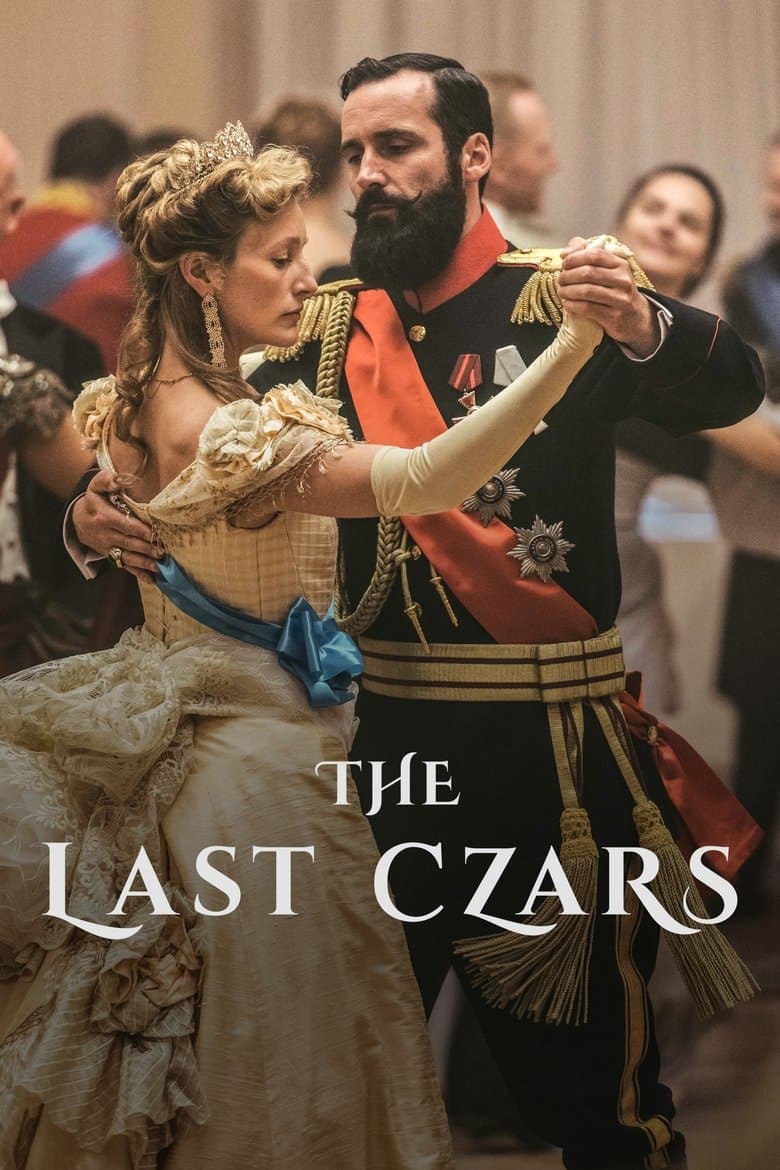
Started July 3, 2019 · Ended · Based on 1 season, 6 episodes through July 3, 2019 · TV-MA · 45 min
The Last Czars follows Nicholas II as he becomes the last emperor of Russia in 1894 and tries to keep total royal power. His wife Alexandra stands beside him while their son Alexei’s bleeding illness draws them toward the healer Grigori Rasputin. Wars with Japan and Germany, hunger, strikes, and poor choices turn public anger into revolution. The six-episode show ends with Nicholas giving up the throne and the Romanov family being held and killed during the civil war. The tone is serious and tragic, but sex, violence, and sudden expert interviews make the story dramatic and uneven.
The show presents Nicholas as a kind family man who is weak and badly suited to rule. Alexandra has a large role as a wife and mother who pushes him, protects Alexei, and depends on Rasputin. The experts connect the fall of the dynasty to one-man rule, war, hunger, weak leadership, and the royal family’s distance from ordinary people. Rasputin’s religious claims, sexual behavior, and political influence drive much of the family drama. The story also follows the later search for a woman who says she is Anastasia.
Community feedback
Was our 2% Woke rating accurate?
Breakdown
These are the editorial factors and ratings behind our score for The Last Czars.
Woke representation / casting
Not present. The historical characters are mostly Russian, German, and other European royals, officers, and officials, and the actors fit that world. The show does not use a diversity-first group or identity-based casting message.
0%
Woke political dialogue
Not present. The dialogue discusses one-man rule, representative government, war, hunger, and the workers’ paradise promised by the Bolsheviks. Those lines explain the Russian Revolution and do not promote modern identity, DEI, or activist ideas.
0%
Identity-driven story themes
Not present. The story follows the royal family’s power, Orthodox faith, illness, sex scandals, war, and fall. Its conflicts come from the period’s class unrest and revolution, not from modern race, gender, sexuality, or identity politics.
0%
Western institutional / cultural critique
Not present. The show criticizes Nicholas’s one-man rule, war choices, and distance from hungry people. That criticism stays inside the history of imperial Russia and does not become a modern attack on Western institutions, family life, Christianity, or traditional gender roles.
0%
Woke character or canon changes
Not relevant. The show condenses events and uses disputed scenes, including Maria’s romance with a guard. Those changes concern dramatic license and historical accuracy, not race, gender, sexuality, or identity.
0%
Anti-woke backlash and complaints
One low-reach audience review accused the show of favoring Marxists and Lenin supporters and called its treatment of the Romanovs propaganda. A small X account praised the show for having no “woke degeneracy,” which treated it as not woke rather than attacking it. Most public criticism focused on historical errors, sex scenes, accents, and the mixed format. No large anti-woke campaign was found.
12%
Creator track record context
Not present. The stored profiles describe Gareth Tunley and Adrian McDowall as craft-focused directors with no activist pattern. Christopher Bell is described as a historical writer, while Dana Fainaru’s profile notes no activist statements or DEI-centered choices. The available creator context does not show a repeated woke or identity-first pattern.
0%
Production
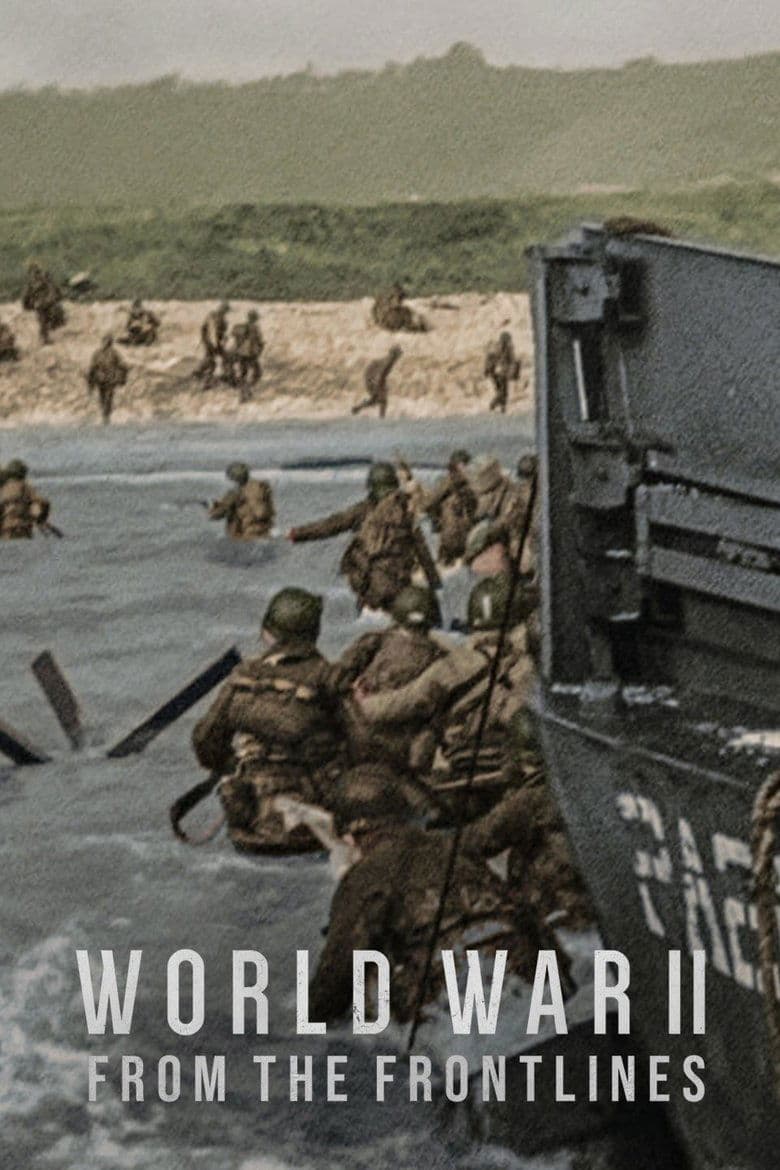
TV Show · 2023
Through vividly enhanced archival footage and voices from all sides of the conflict, this docuseries brings WWII to life like never before.
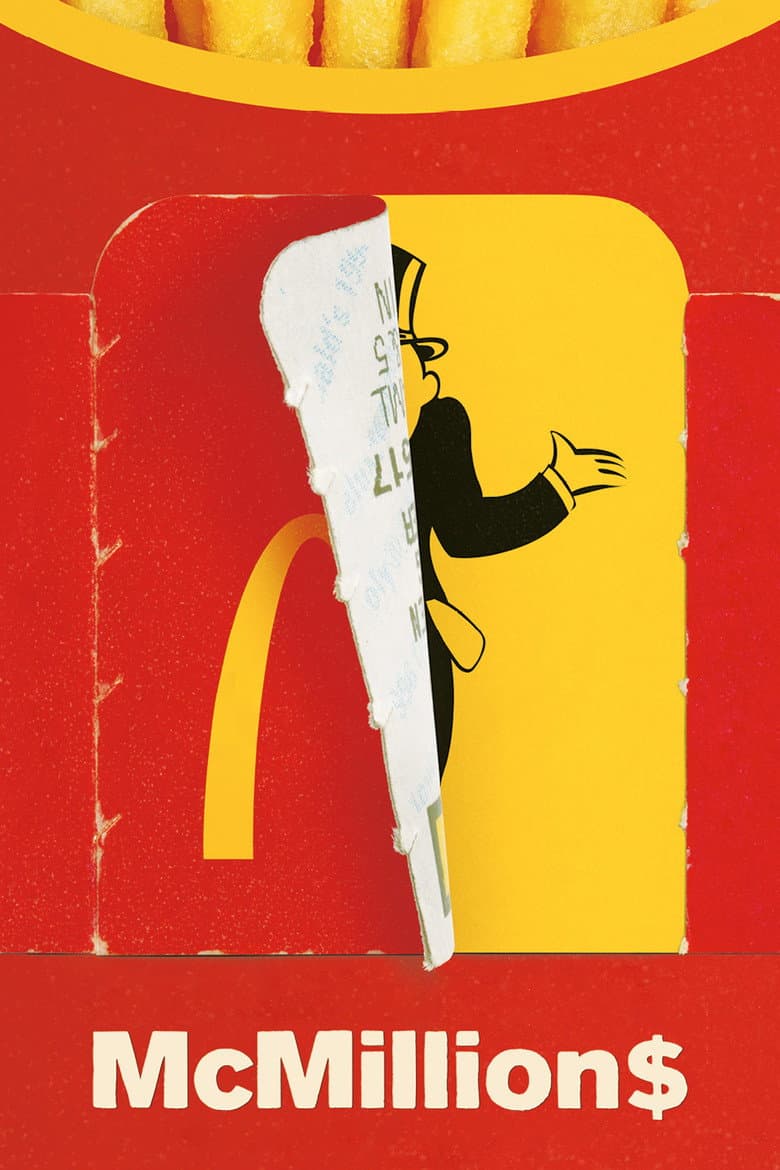
TV Show · 2020
A detailed account of the McDonald's Monopoly game scam during the 1990s as told by the participants in the case, including the prizewinners and the FBI agents who caught the…
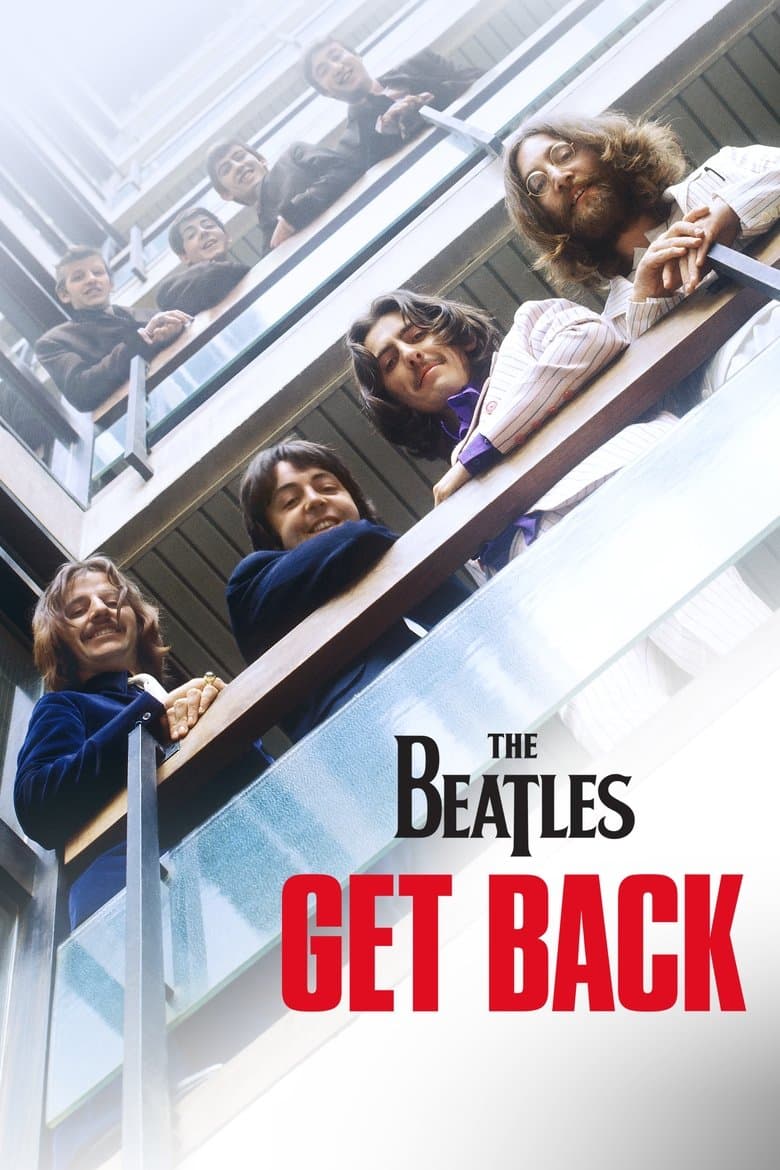
TV Show · 2021
The three-part documentary series, compiled from over 60 hours of unseen footage, captures the warmth, camaraderie, and creative genius that defined the legacy of music's most…
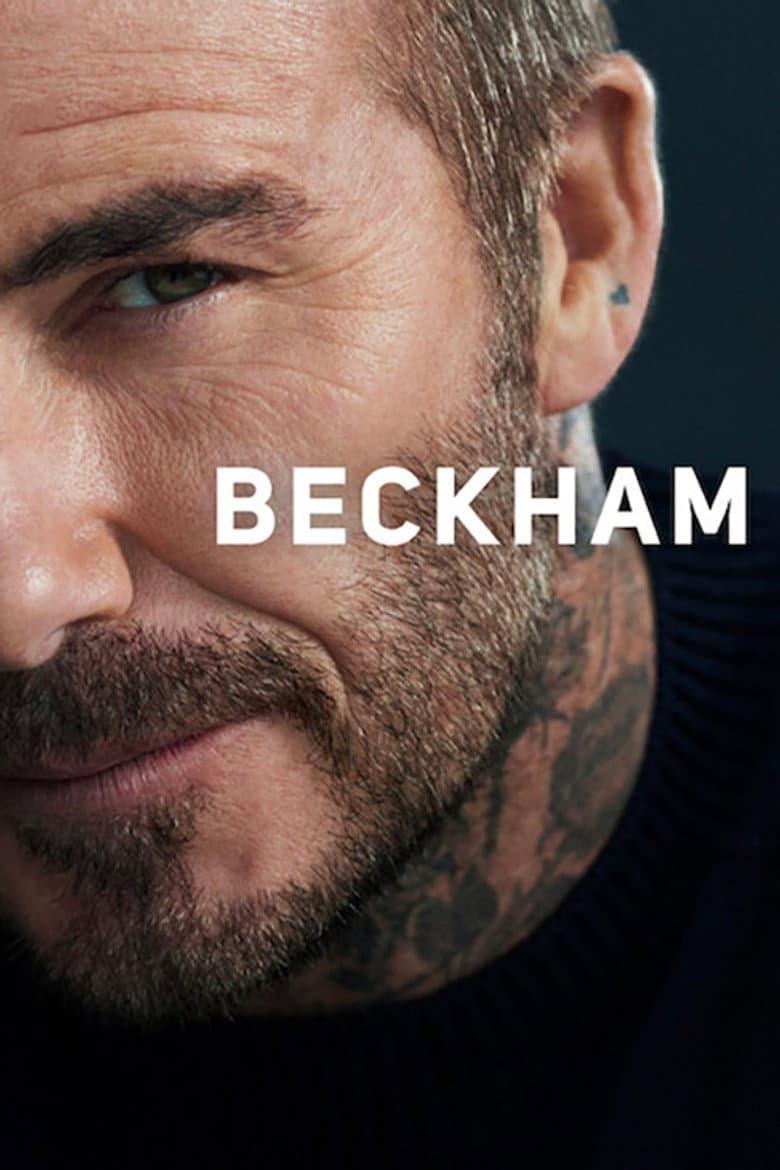
TV Show · 2023
With never-before-seen footage, this docuseries follows David Beckham's meteoric rise from humble beginnings to global football stardom.
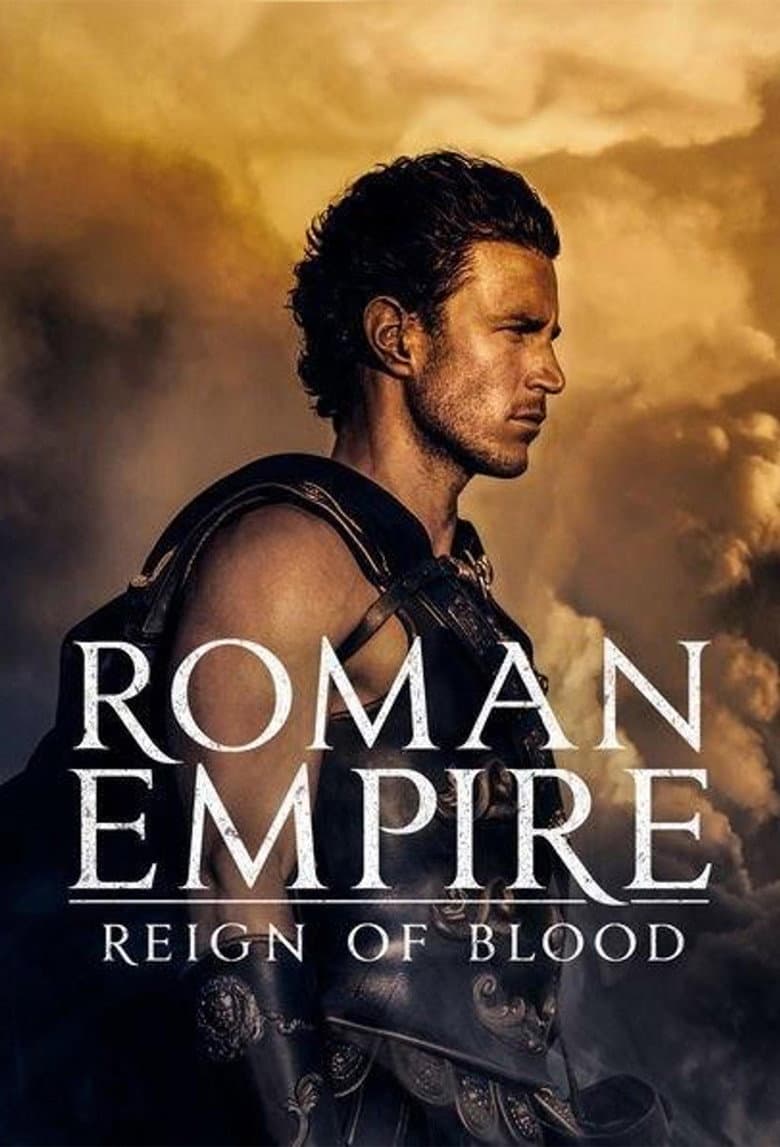
TV Show · 2016
This stylish mix of documentary and historical epic chronicles the reign of Commodus, the emperor whose rule marked the beginning of Rome's fall.
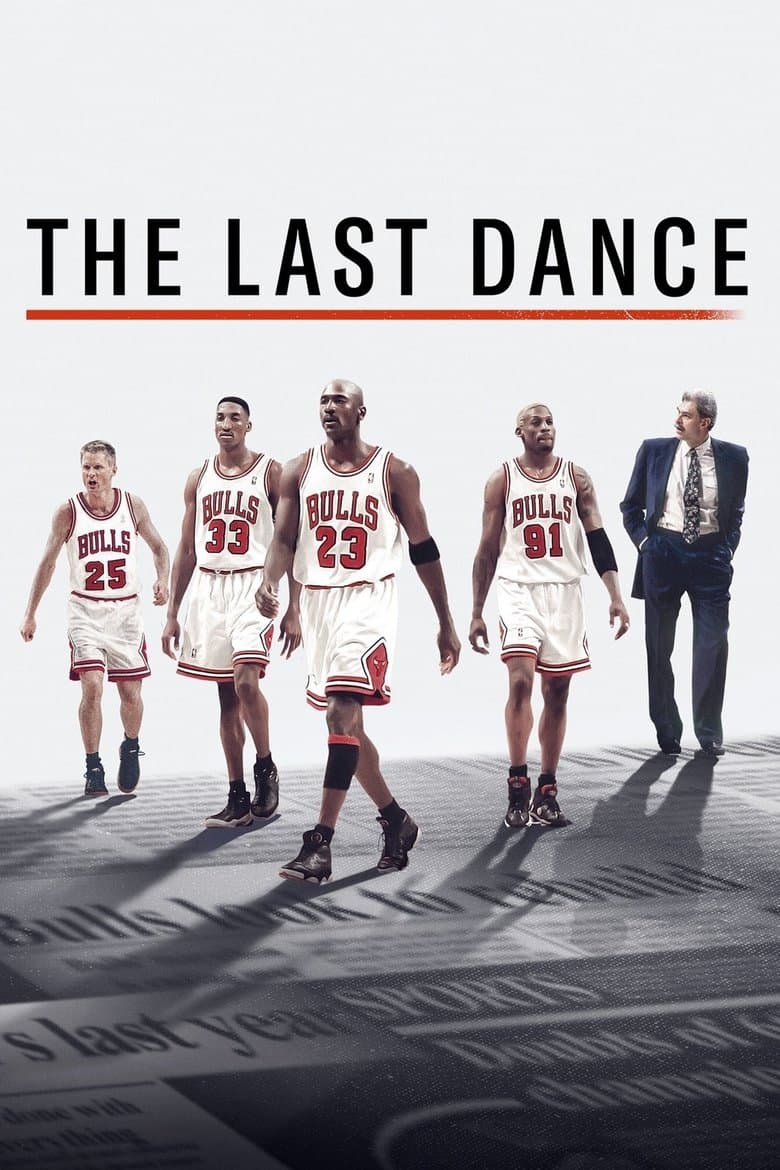
TV Show · 2020
A 10-part documentary chronicling the untold story of Michael Jordan and the Chicago Bulls dynasty with rare, never-before-seen footage and sound from the 1997-98 championship…
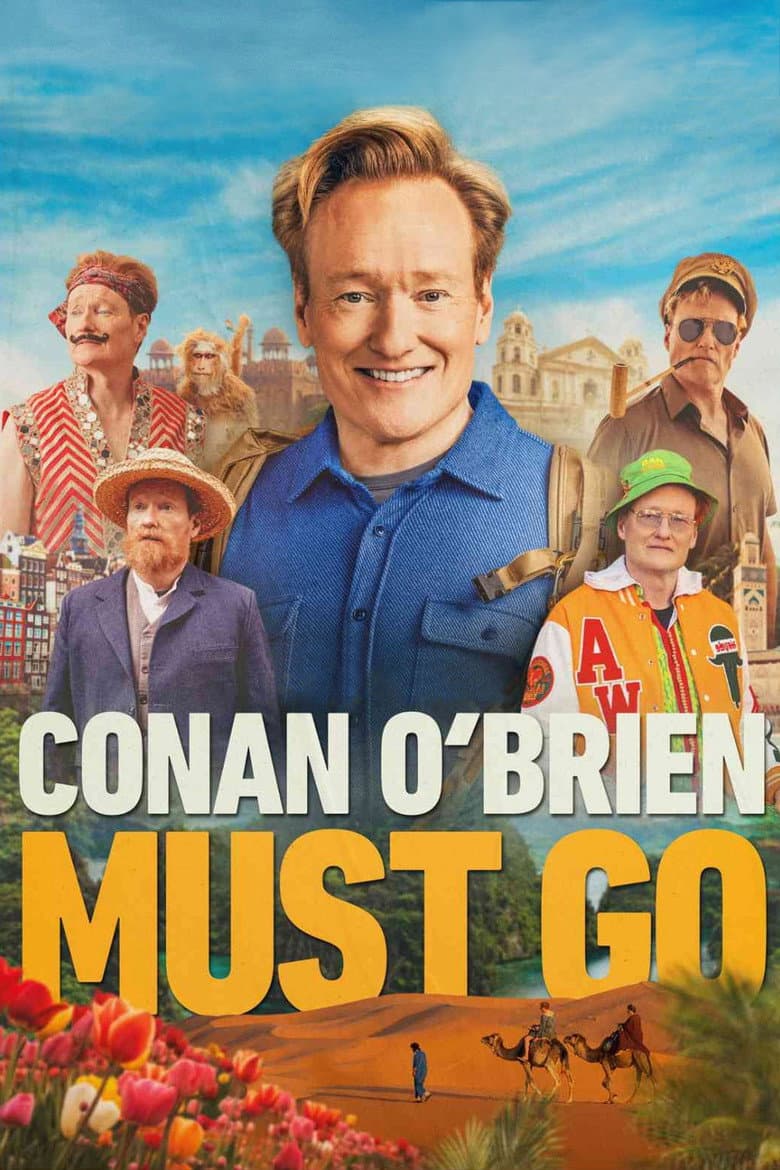
TV Show · 2024
Conan O'Brien visits new friends he met through his podcast, "Conan O'Brien Needs a Fan," where he dives deep with listeners from across the country and the world.
