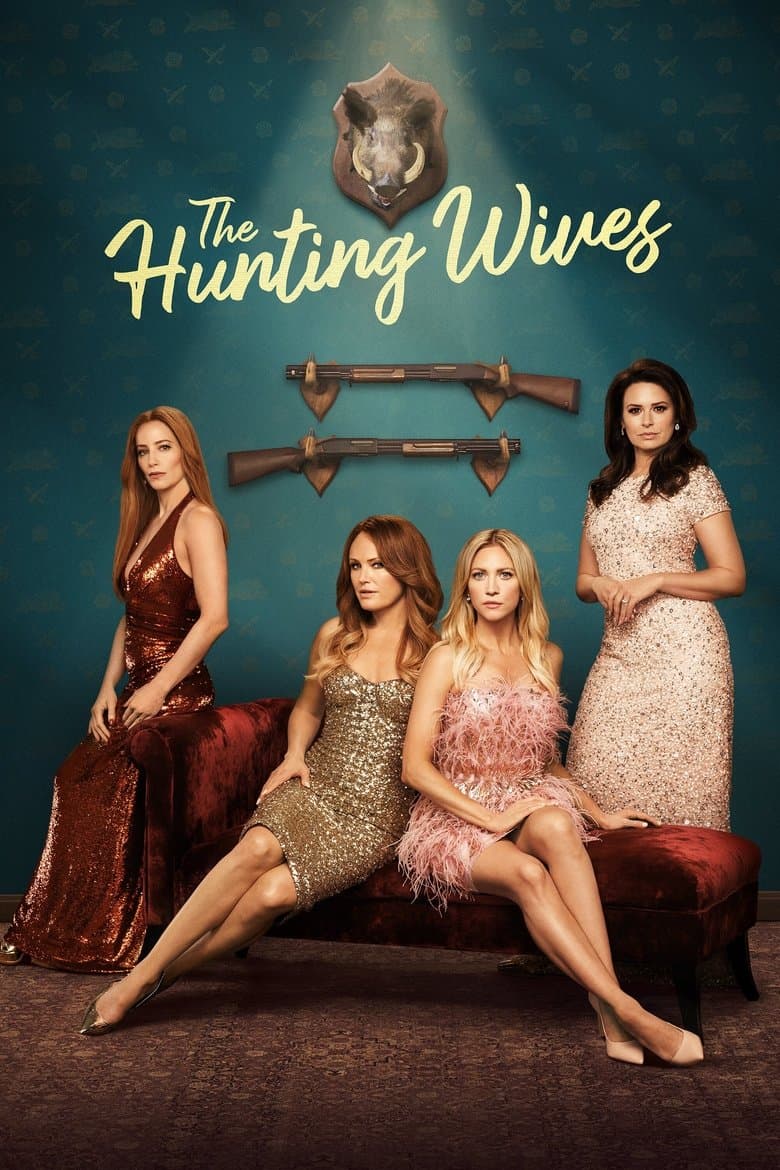
Started July 21, 2025 · Returning Series · Based on 1 season, 8 episodes through July 21, 2025 · TV-MA
Sophie O’Neil moves from Cambridge, Massachusetts, to the wealthy East Texas town of Maple Brook with her husband, Graham, and their young son. She joins the circle of Margo Banks, a powerful socialite whose husband wants to run for governor. The group hunts, drinks, cheats, and hides dangerous secrets while a teenage girl’s murder brings police pressure. The show uses a glossy, wild, and often darkly funny tone as Sophie’s old troubles and new choices pull her deeper into danger.
The show makes Sophie and Margo’s attraction a main part of the story, and several women have secret relationships with women as well as men. Sophie sees sexual freedom and control over her own life as a way to escape the limits of marriage, motherhood, and the role of a quiet wife. The story repeatedly contrasts the women’s private behavior with their public support for guns, church, abortion activism, and conservative family values. The season also mocks anti-immigrant talk and weak or dishonest men, so its queer themes and anti-conservative satire are hard to miss.
Community feedback
Was our 93% Woke rating accurate?
Breakdown
These are the editorial factors and ratings behind our score for The Hunting Wives.
Woke representation / casting
The cast puts women in the key social, sexual, and investigative roles. The main male characters are mostly husbands, targets, or weak helpers. The show gives the prominent detective role to Latina actor Karen Rodriguez, but the wives remain mostly white and wealthy. Interviews and press material frame the all-woman directing team and female gaze as a deliberate creative choice.
50%
Woke political dialogue
Jed gives a gun-rights speech and blames immigrants while preparing a Republican governor campaign. Sophie and the wives trade lines about liberals, Marjorie Taylor Greene, deplorables, feminism, and abortion clinics. Jill ties her church work to stopping abortions, and the town tries to blame an outsider for the murder. The show repeats these references across the season, but it uses short lines and jokes instead of long political speeches.
49%
Identity-driven story themes
The season makes Sophie and Margo’s attraction a main story engine. Sophie treats sexual freedom and control over her own life as a way to escape the limits of marriage, motherhood, and the quiet-wife role. The women repeatedly choose affairs, open arrangements, and queer desire while the men often look weak, controlling, or disposable. The story makes queer curiosity and female sexual agency central to Sophie’s change.
86%
Western institutional / cultural critique
The story presents Maple Brook’s churches, Republican politics, gun culture, abortion activism, and anti-immigrant talk as parts of a hypocritical public image. The wives preach family values while hiding queer sex, affairs, an abortion, drugs, and crimes. The show often gives women the power and makes husbands and male officials look foolish, weak, or corrupt. The satire is recurring and clear, though the series remains a camp murder soap rather than a detailed attack on every institution.
68%
Woke character or canon changes
The series changes Sophie from a Texas native in the novel into a liberal woman from Cambridge who enters a conservative Texas culture clash. The adaptation gives Sophie and Margo’s attraction much more screen time and makes it a central sexual relationship. The screen story adds direct politics about guns, abortion, immigration, and conservative public images.
64%
Anti-woke backlash and complaints
Right-leaning X users said the show mocked conservative women and treated their beliefs as dishonest. Lauren Greene, Marjorie Taylor Greene’s daughter, objected to the show linking conservative women with bisexual affairs, drinking, and murder. A former North Carolina GOP official called the series a smear, and smaller accounts called it “WOKE garbage.” The reaction spread beyond X through reported Facebook and TikTok complaints, but it remained scattered.
53%
Creator track record context
Rebecca Perry Cutter has a recurring focus on queer stories and female empowerment. Cheryl Dunye has a strong record of black lesbian and LGBTQ+ work. Brandon Zuck and Kayla Westergard-Dobson add queer representation and health-care or labor advocacy. Other writers and directors have lower or mixed scores, so the team has a strong but uneven track record.
63%
Production
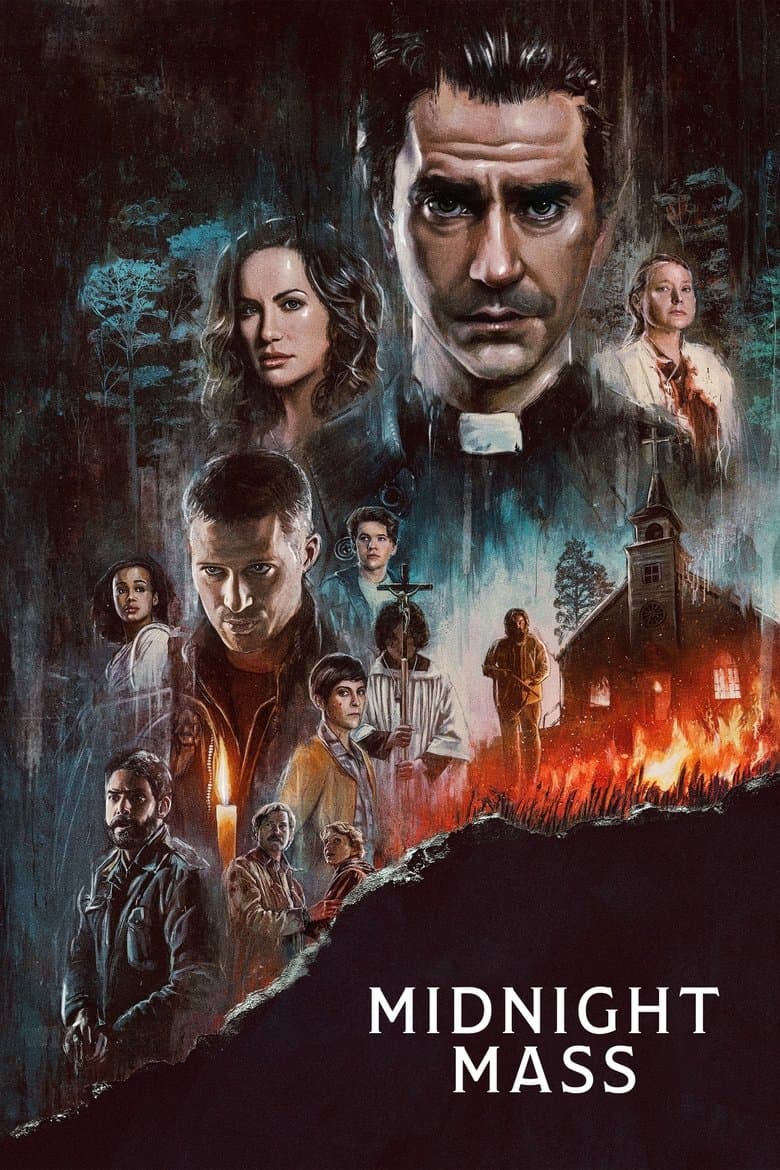
TV Show · 2021
The arrival of a charismatic young priest brings glorious miracles, ominous mysteries and renewed religious fervor to a dying town desperate to believe.
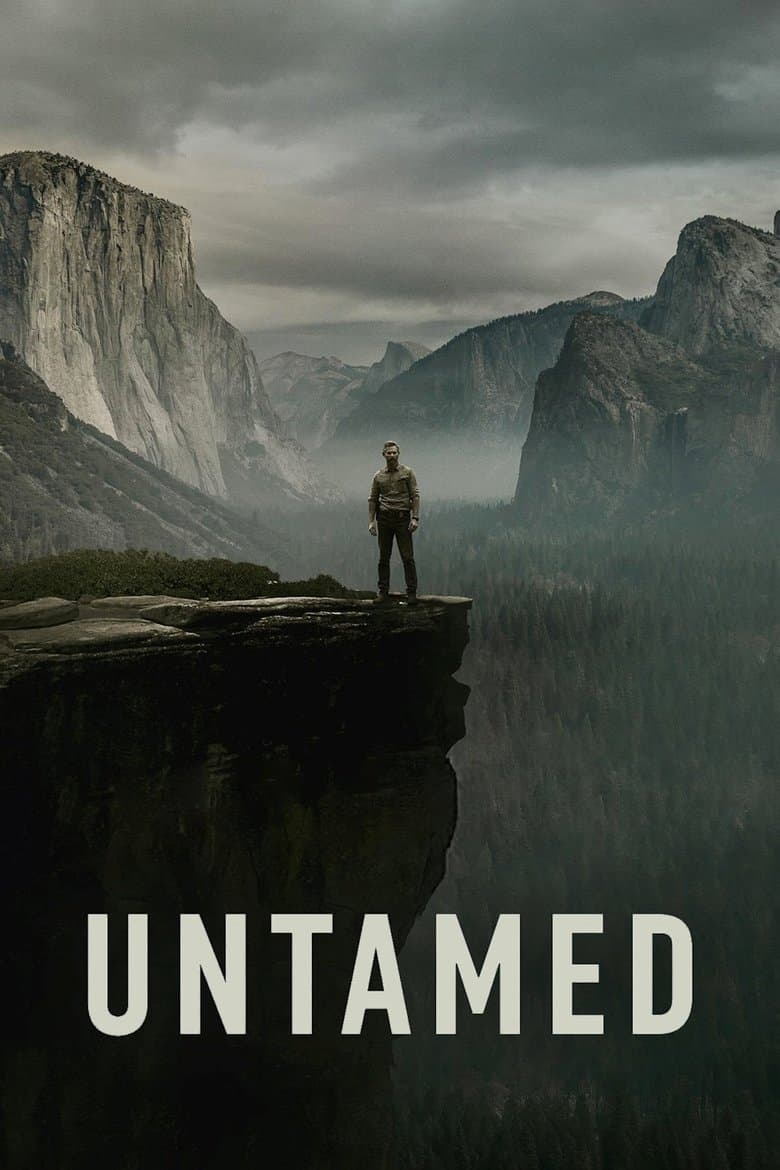
TV Show · 2025
In the vast expanse of Yosemite National Park, a woman's death draws a federal agent into lawless terrain — where nature obeys no rules but its own.
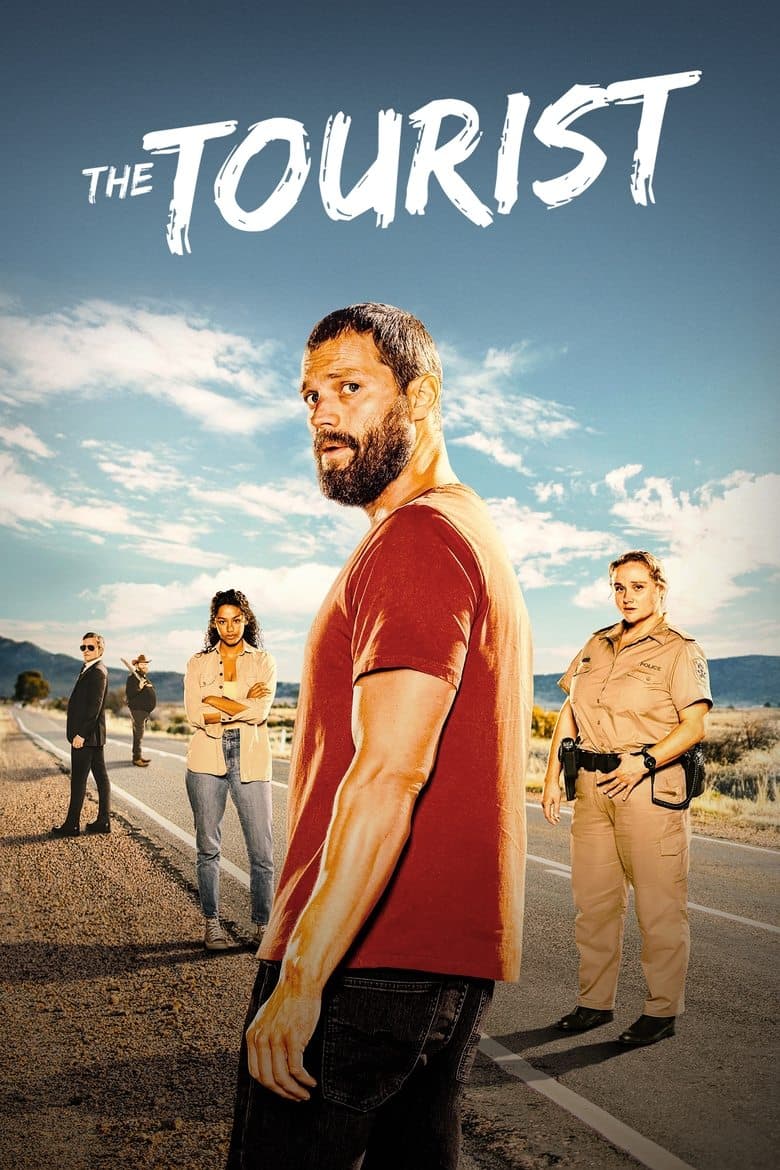
TV Show · 2022
When a man wakes up in the Australian outback with no memory, he must use the few clues he has to discover his identity before his past catches up with him.
TV Show · 2017
A war veteran turned private detective operates out of a tiny office in London’s Denmark Street. Although wounded both physically and psychologically, his unique insight and…
TV Show · 2018
In 1994, a toddler disappeared from a small Welsh village, never to be seen again. 23 years later, in London, the mother of rising cello star Matilda Gray commits suicide, without…

TV Show · 2026
The mayor of a New England town resolves to turn it into the next tourist hot spot, despite local warnings that it's cursed.
TV Show · 2018
After his daughter goes missing, a widower begins uncovering the dark secrets of the people closest to him.
TV Show · 2026
Wrongfully imprisoned for murdering his own son, a father sets out on a desperate rescue mission after learning the boy may still be alive.
