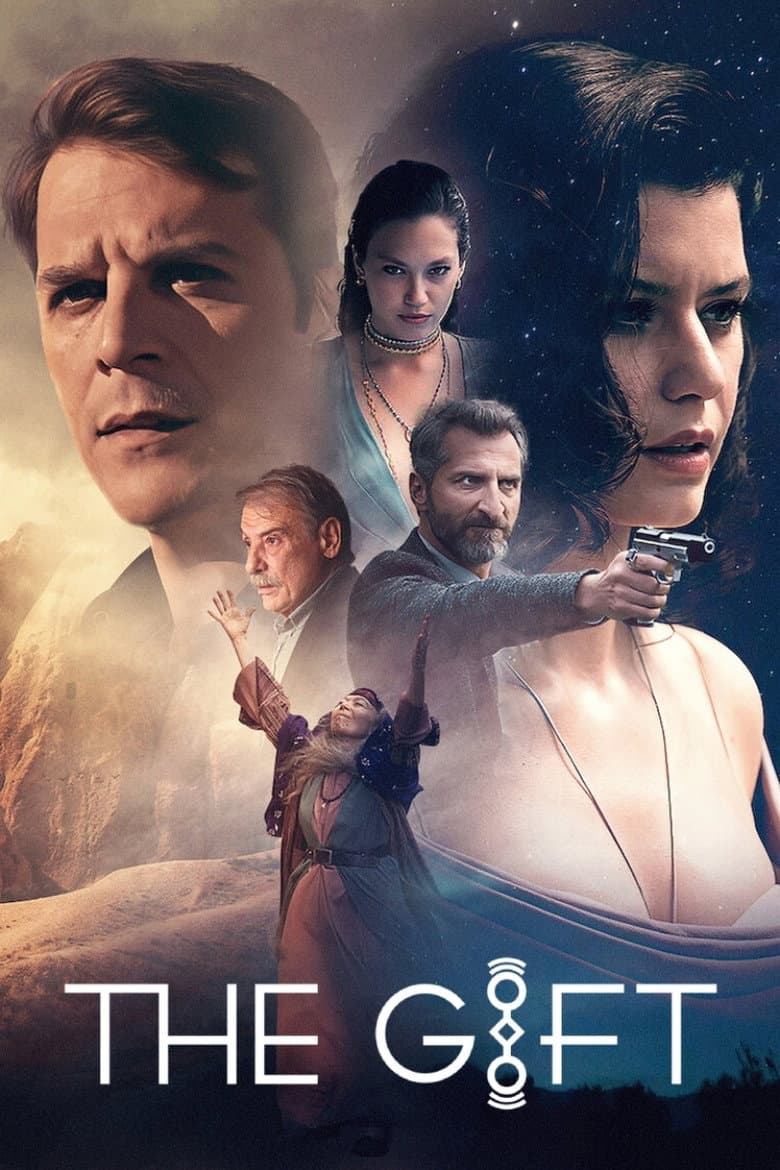
Started December 27, 2019 · Ended · Based on 3 seasons, 24 episodes through June 17, 2021 · TV-MA · 45 min · Turkish
Atiye is a painter in Istanbul who has spent years drawing a strange symbol. When an archaeologist finds the same mark at Göbekli Tepe, she leaves her rich, orderly life to search for answers. Her search exposes hidden family secrets, another version of the world, and a link to an ancient female family line. The show mixes family drama, romance, mystery, and spiritual fantasy, and its mood becomes darker as the danger grows.
The clearest woke element is a strong focus on female identity and female power. Atiye’s special gift comes through women in her family, and her intuition often leads the men toward the truth. The second season makes pregnancy, fertility, and the deaths of pregnant women central to the danger, while the third season turns the bond between Atiye and her daughter Aden into the key to saving the worlds. The story presents women’s healing, freedom, and shared knowledge as the path to a better future, although it speaks more through myth and mysticism than direct politics.
Community feedback
Was our 58% Woke rating accurate?
Breakdown
These are the editorial factors and ratings behind our score for The Gift.
Woke representation / casting
Atiye is a Turkish woman in a Turkish story, so the main cast fits the setting. The show puts a woman at the center and gives Atiye the special gift that drives the mystery. Several important women carry the family’s hidden knowledge, while Atiye often guides Erhan. Netflix and the cast also presented the show as a strong women’s story and used the “You are every woman” campaign. This is a clear gender focus, but it is not a diverse “one of each” cast.
42%
Woke political dialogue
Most dialogue explains ancient signs, family secrets, love, fate, and other worlds. Some scenes tell Atiye that her female intuition and link to the women before her can reveal truths that men miss. Season 2 also speaks about saving pregnant women and restoring birth to the world. These ideas are repeated, but they appear as mystical story language rather than a direct political argument.
29%
Identity-driven story themes
Atiye’s main journey is to push away family and marriage expectations and discover a power carried by women in her family. Season 1 ties her art, identity, and freedom to this ancient female line. Season 2 makes pregnancy, fertility, and the survival of women central to the danger. Season 3 makes the bond between mothers and daughters part of the choice that can save or destroy the worlds. The show presents female intuition, healing, and personal freedom as the main path to salvation.
68%
Western institutional / cultural critique
Atiye rejects a marriage plan that her family treats as the proper next step. Serdar uses money, surveillance, and male authority to control Atiye, Cansu, and Ozan. The story treats this pressure as harmful, but it does not make a broad attack on Christianity, capitalism, Western institutions, or ordinary family life.
20%
Woke character or canon changes
The book changed Atiye’s sibling from a brother into Cansu, a sister who becomes an important character. This strengthens the show’s group of women and supports its female-centered story. No other identity-based canon change is clearly reported as an ideological choice.
15%
Anti-woke backlash and complaints
Not present. The reviewed reaction focused on plot, acting, pacing, and the season 3 ending. The supplied X pass found no anti-woke complaints, while a few right-leaning accounts praised the show as not woke.
0%
Creator track record context
Nuran Evren Şit has a moderate pattern of stories about women’s autonomy and self-discovery, but no strong activist public record. Ozan Açıktan has a varied commercial career with little public political profile. Şengül Boybaş mainly writes about ancient culture, spiritual awakening, and self-knowledge. Jason George has no notable identity-politics body of work in the supplied context. Together, this is a mild supporting signal rather than a strong activist record.
22%
Production
TV Show · 2021
A year after a subglacial volcano erupts, mysterious elements from prehistoric times emerge from the melting ice, bringing unforeseen consequences.
TV Show · 2016
Hundreds of years from now, the last surviving humans discover the means of sending consciousness back through time, directly into people in the 21st century.
TV Show · 2021
This terrifying thriller follows widow Lisey Landon as a series of disturbing events revives memories of her marriage to author Scott Landon and the darkness that plagued him.
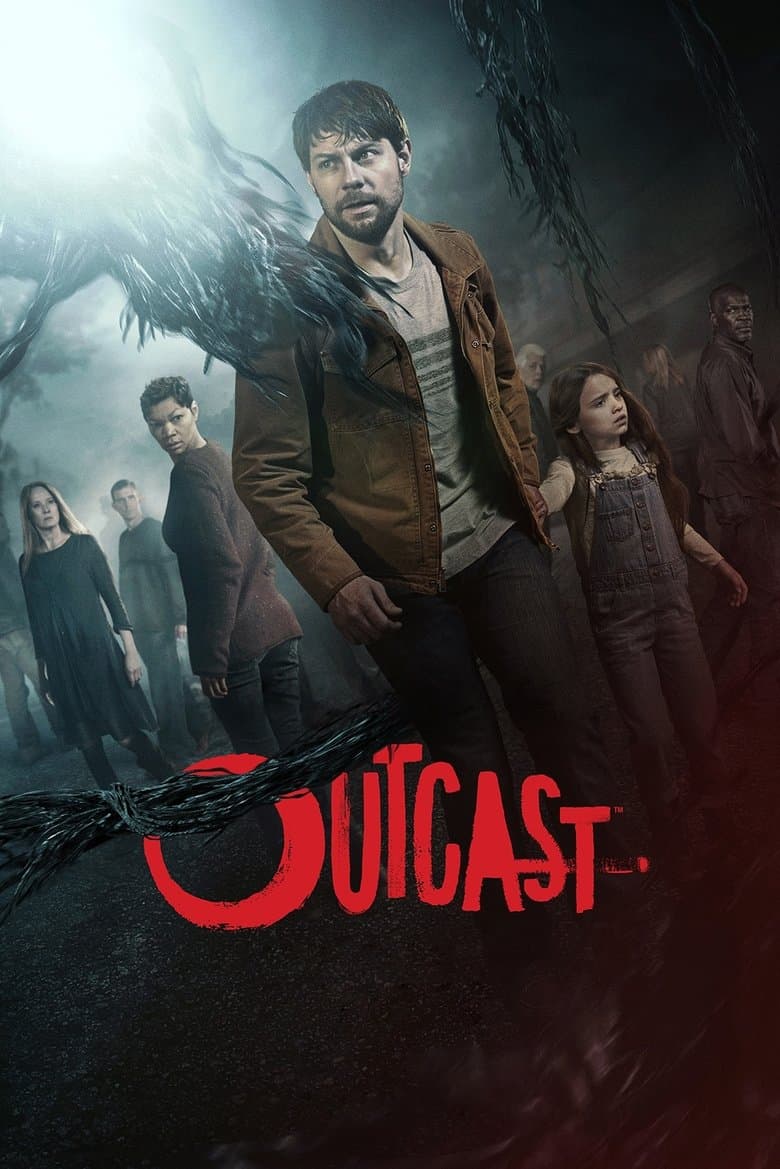
TV Show · 2016
Kyle Barnes has been plagued by possession since he was a child. Now an adult, he embarks on a spiritual journey to find answers, but what he uncovers could mean the end of life…
TV Show · 2021
Interconnected phone conversations chronicle the mysterious story of a group of strangers whose lives are thrown into disarray in the lead-up to an apocalyptic event.
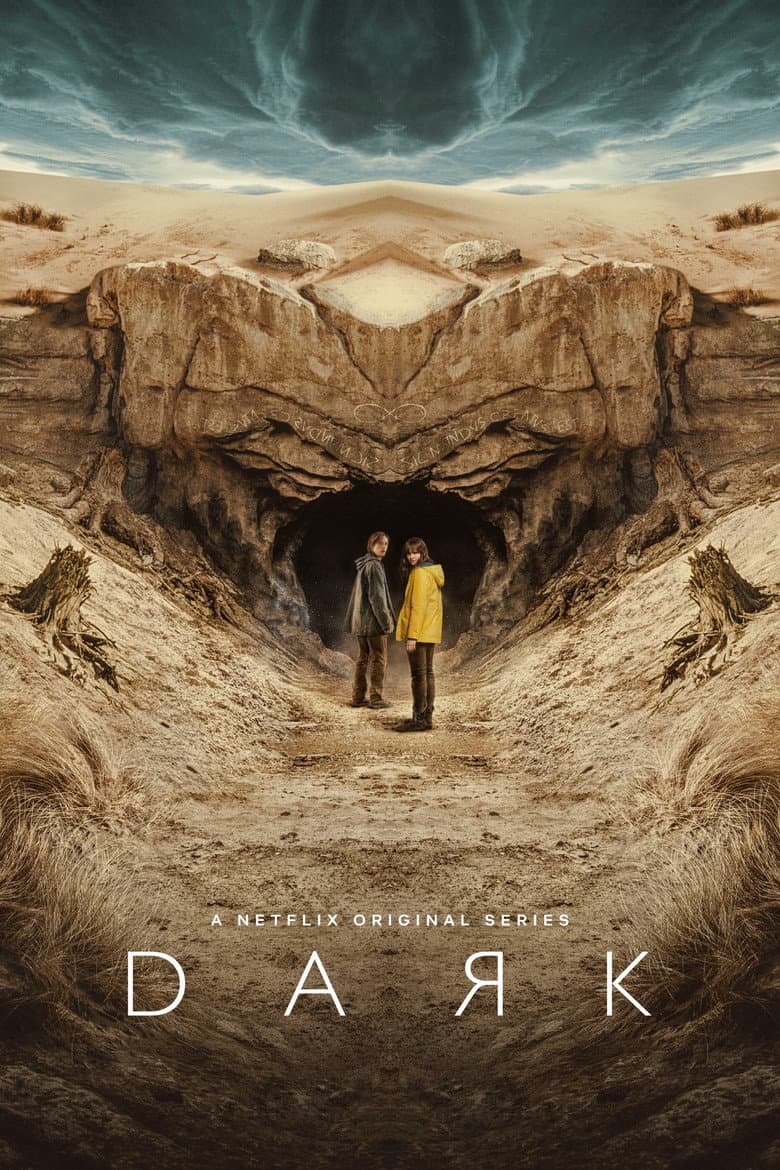
TV Show · 2017
A missing child sets four families on a frantic hunt for answers as they unearth a mind-bending mystery that spans three generations.
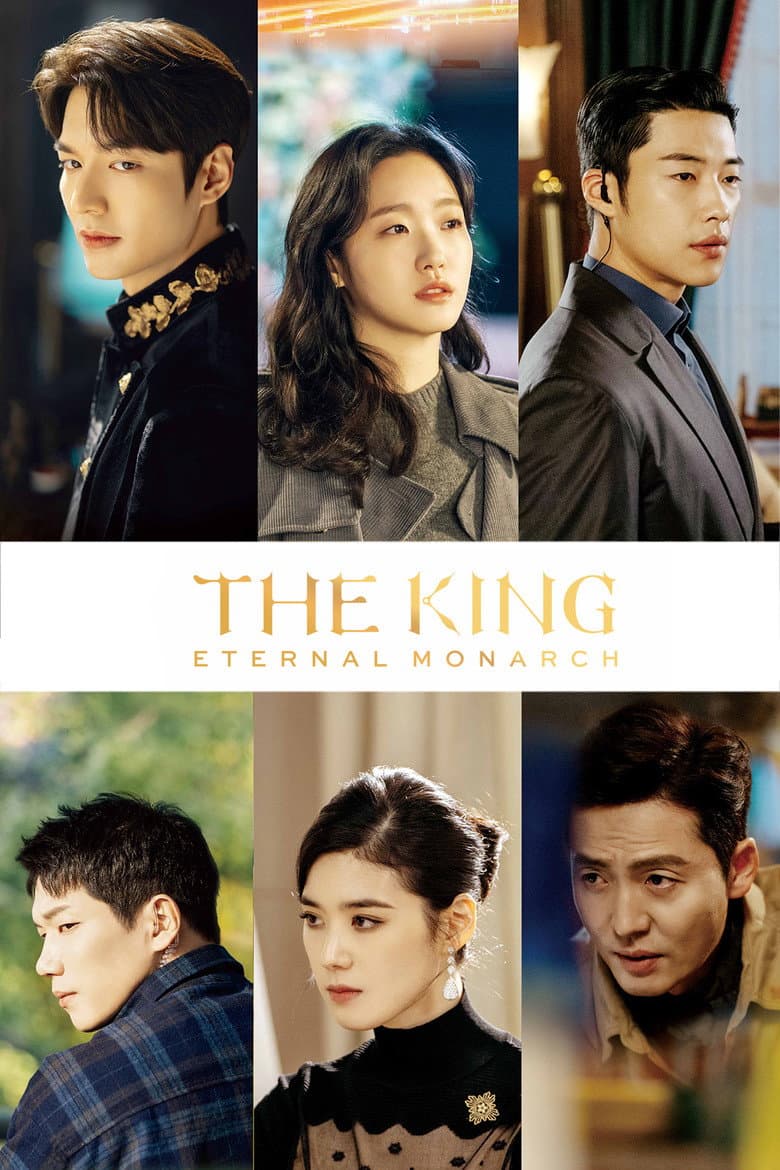
TV Show · 2020
Korean emperor Lee Gon tries to close the doors to a parallel world which was opened by demons; a detective tries to protect the people and the one she loves.
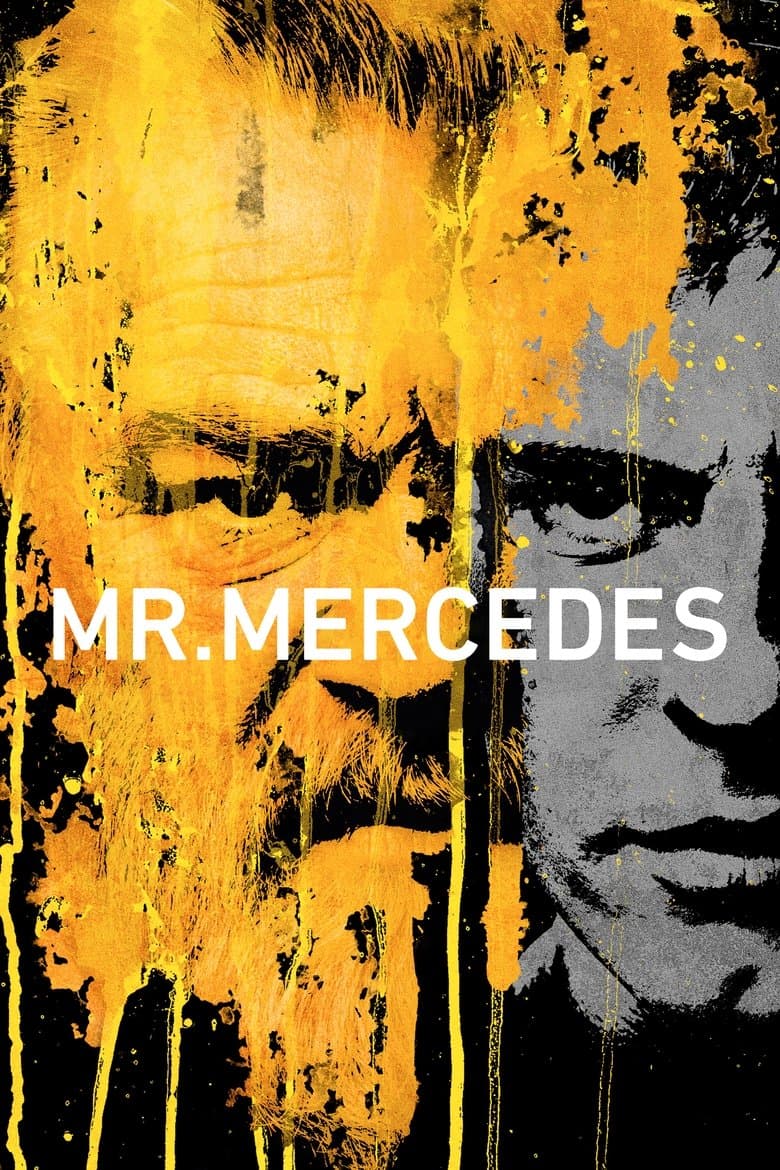
TV Show · 2017
A demented serial killer taunts a retired police detective with a series of lurid letters and emails, forcing the ex-cop to undertake a private, and potentially felonious, crusade…
