
Started September 14, 2018 · Canceled · Based on 1 season, 8 episodes through September 14, 2018 · TV-MA · 46 min
The First is a serious near-future drama about a planned human mission to Mars in 2031. Tom Hagerty, a former astronaut and troubled father, returns to lead the new mission after the first rocket explodes and kills its crew. Laz Ingram, the head of the private company behind the flight, must win support from Congress, NASA, and the public. The story spends more time on grief, family damage, addiction, marriage, and fear than on space action, so the tone stays slow, heavy, and hopeful.
The show gives a major place to Kayla Price, a black queer astronaut who was set to command the mission before Tom replaces her. Kayla says that race, sex, and sexuality affect how leaders see her, and the story treats her complaint as a serious part of the conflict. The crew also includes an Asian woman, a Latino man, and several women in skilled space and business roles. A second plot follows Sadie Hewitt as she weighs motherhood against her wish to go to Mars, while Laz repeatedly acts as the strongest decision maker in the room. These identity and gender themes matter, but they share the season with a larger story about family, duty, loss, and human exploration.
Community feedback
Was our 70% Woke rating accurate?
Breakdown
These are the editorial factors and ratings behind our score for The First.
Woke representation / casting
The main astronaut group has a visible mix of women and minority characters. Kayla is a black queer commander, Aiko is an Asian astronaut, and Matteo is a Latino astronaut. Laz is a woman who runs the private space company, and several women hold skilled or powerful roles. The show also makes Kayla's identity part of how the audience understands her place in the program.
58%
Woke political dialogue
Laz tells Congress that drought, rising seas, extinction, and eco-refugees make Mars urgent. A senator calls her warning a doomsday speech, so the show presents the climate claim as part of a public debate. Kayla tells Laz that race, sex, and being queer affected the choice to put Tom in command. These scenes are clear, but most episodes use personal and space-program talk instead of political speeches.
43%
Identity-driven story themes
Kayla's loss of command becomes a continuing story about a black queer woman being passed over for a white man. Kayla discusses the decision with Laz, Tom, and her wife, and the conflict shapes crew trust. Sadie hides her birth control because she fears that having children will end her chance to fly to Mars. The show gives women strong control over the mission and asks how race, sex, and family roles shape work.
55%
Western institutional / cultural critique
The show presents the space program as a place where a straight white man can move ahead of a black queer woman. Kayla says the system puts people like Tom at the center of progress, and the show gives her complaint serious weight. The story also questions old family roles through Sadie's choice between motherhood and space travel. The series does not attack Christianity or capitalism in a major way, and its NASA and corporate conflicts mostly concern safety, money, and power.
45%
Woke character or canon changes
Not relevant. The First is an original near-future story. The season does not adapt established characters or retell real historical events with identity changes.
0%
Anti-woke backlash and complaints
NewsBusters called the show a liberal agenda and objected to its climate warning, birth-control plot, and queer Black astronaut. A few small X accounts called the show propaganda or gay propaganda, and one viewer also objected to the climate reason for going to Mars. The posts had little or no engagement, and no broad boycott, review-bombing, or large right-wing campaign appeared. The backlash was real but small and scattered.
38%
Creator track record context
Beau Willimon's cached profile shows a mixed political drama record rather than a strong identity focus. Carla Ching has a clear history of intersectional feminist and representation work. Julian Breece, Christal Henry, Francine Volpe, and Agnieszka Holland have made work about race, feminism, refugees, or social issues. Several other listed creators have little activist record, so the overall context is moderate rather than dominant.
42%
Production
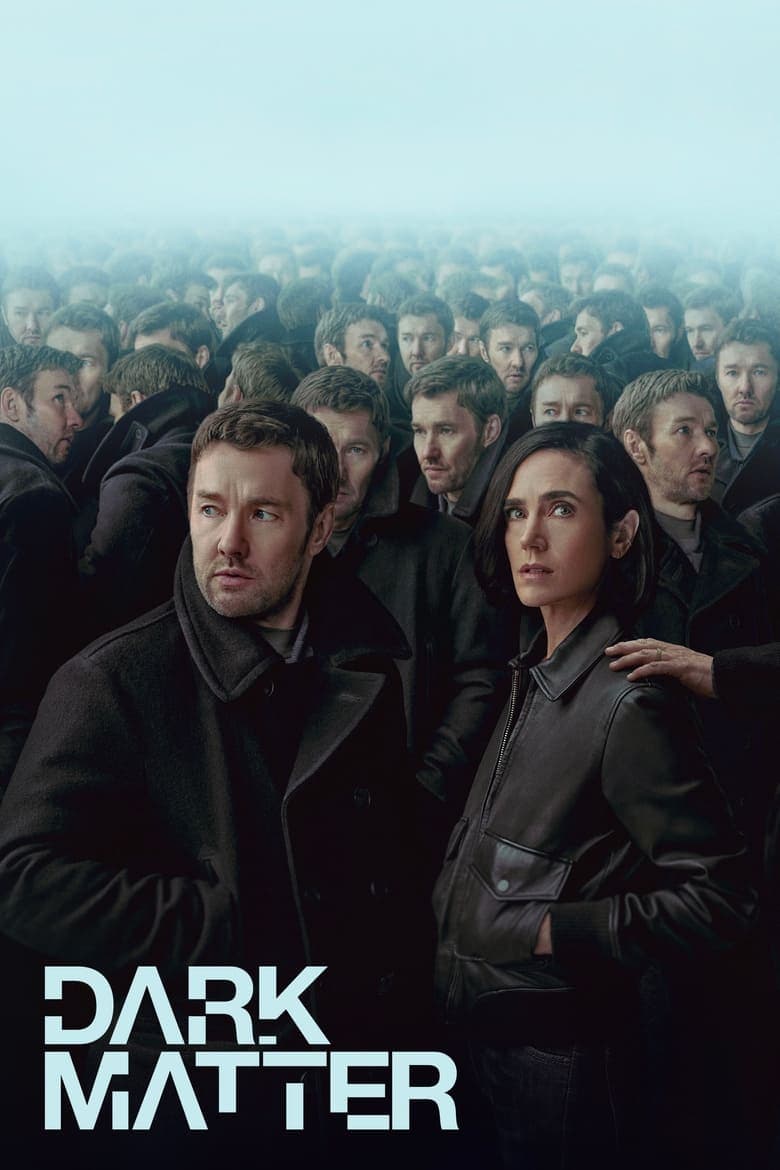
TV Show · 2024
Jason Dessen is abducted into an alternate version of his life. To get back to his true family, he embarks on a harrowing journey to save them from the most terrifying foe…
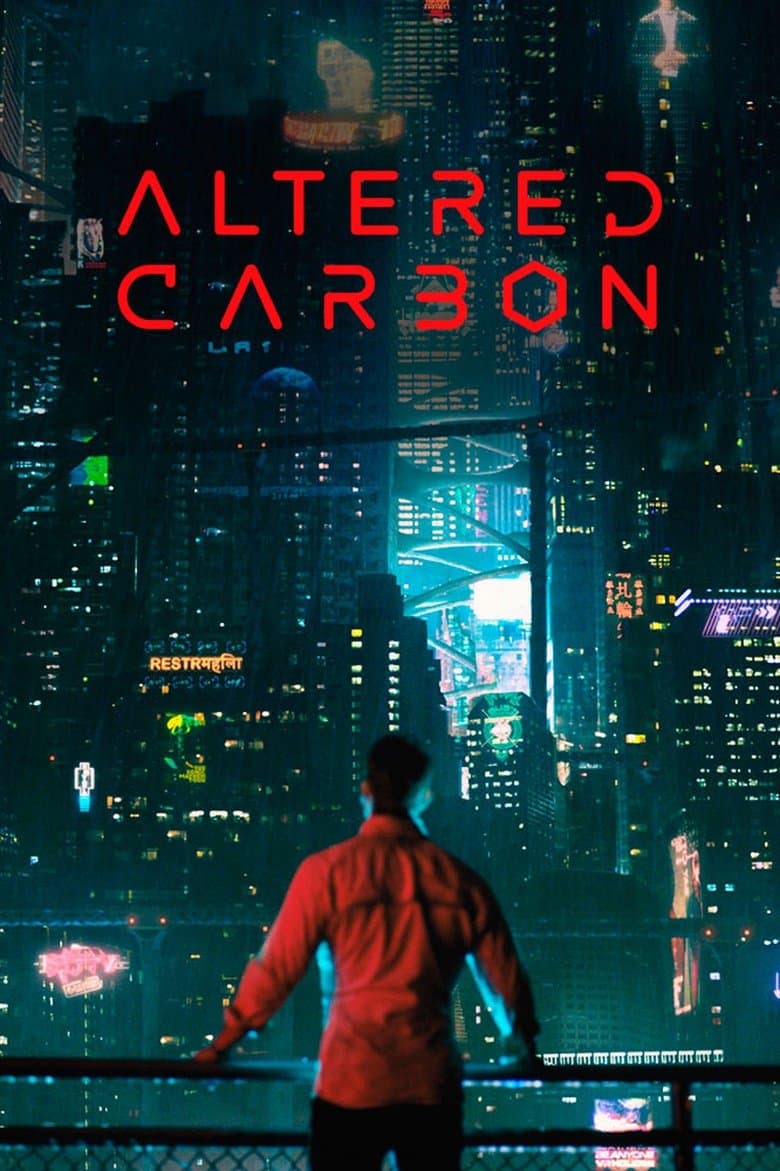
TV Show · 2018
After 250 years on ice, a prisoner returns to life in a new body with one chance to win his freedom: by solving a mind-bending murder.
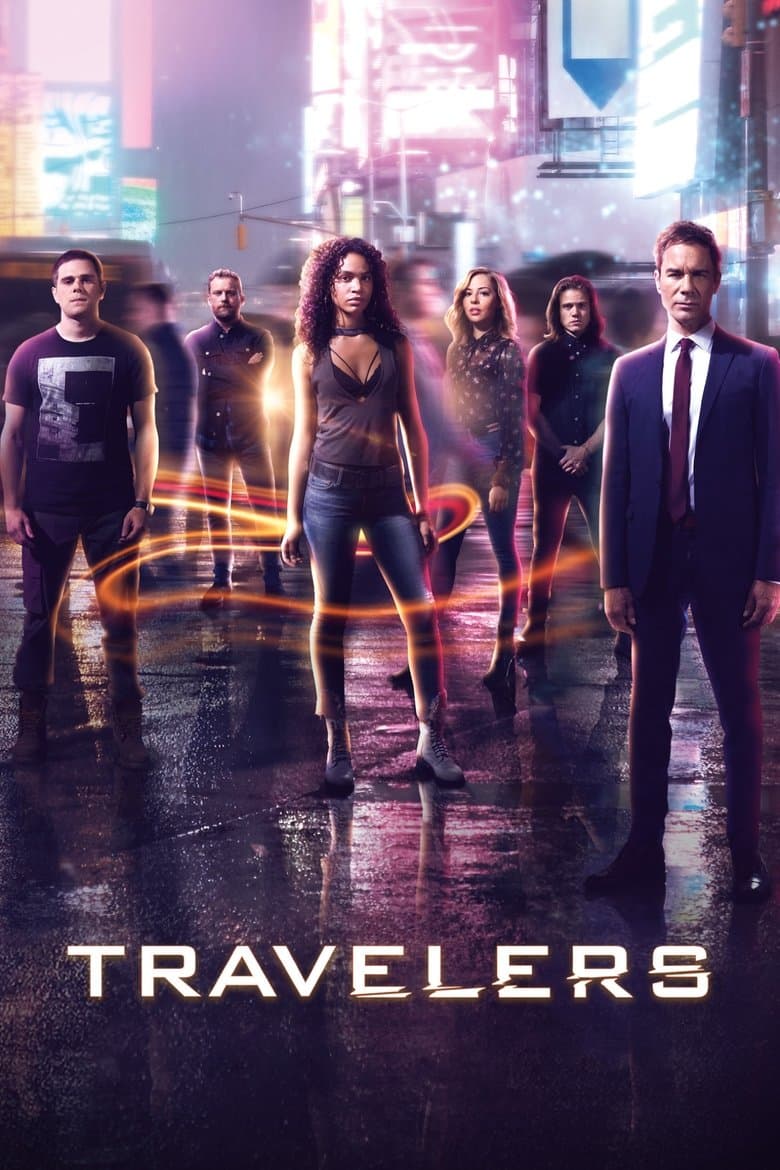
TV Show · 2016
Hundreds of years from now, the last surviving humans discover the means of sending consciousness back through time, directly into people in the 21st century.
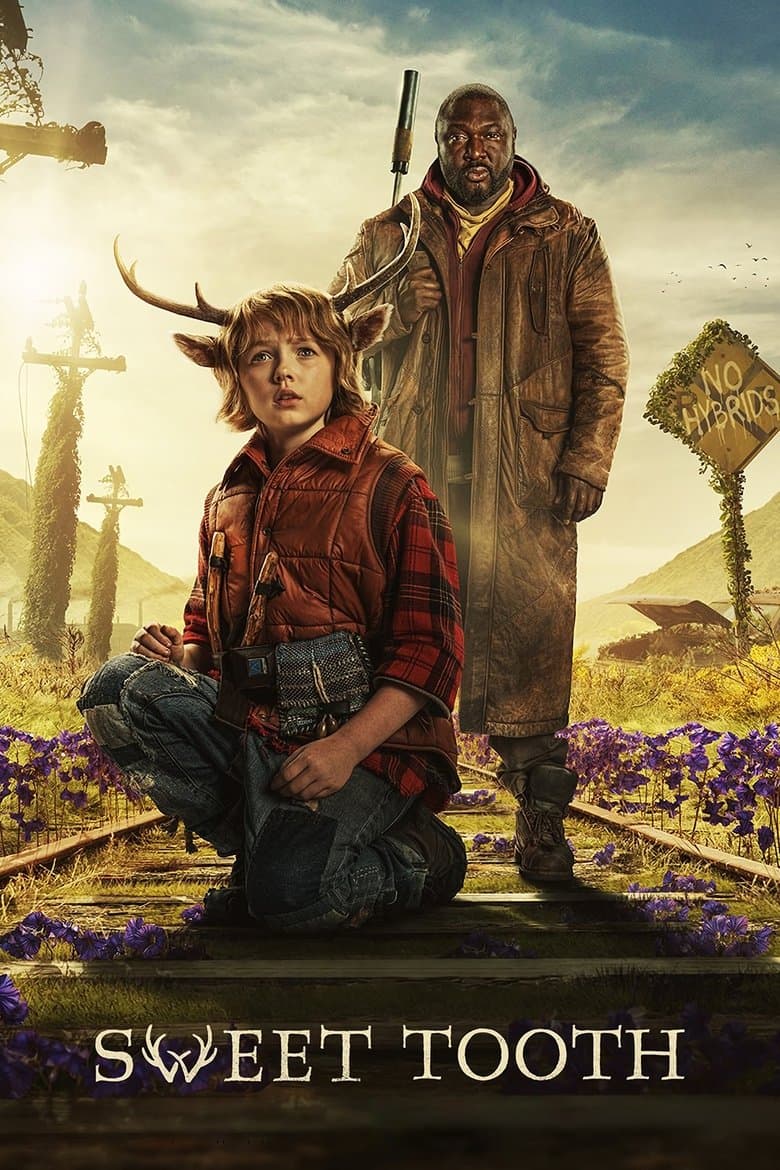
TV Show · 2021
On a perilous adventure across a post-apocalyptic world, a lovable boy who's half-human and half-deer searches for a new beginning with a gruff protector.
TV Show · 2018
Two strangers are drawn to a mysterious pharmaceutical trial that will, they're assured, with no complications or side-effects whatsoever, solve all of their problems…
TV Show · 2017
Holden wakes up from a coma after 12 years and discovers new abilities that propel him into the middle of a dangerous conspiracy.
TV Show · 2024
Rick and Michonne are thrown into another world, built on a war against the dead... And ultimately, a war against the living.
TV Show · 2022
Gary is an emotional wreck and struggles to provide for his daughter since the death of his wife. Mary has a secret she can't bring herself to share with anyone.
