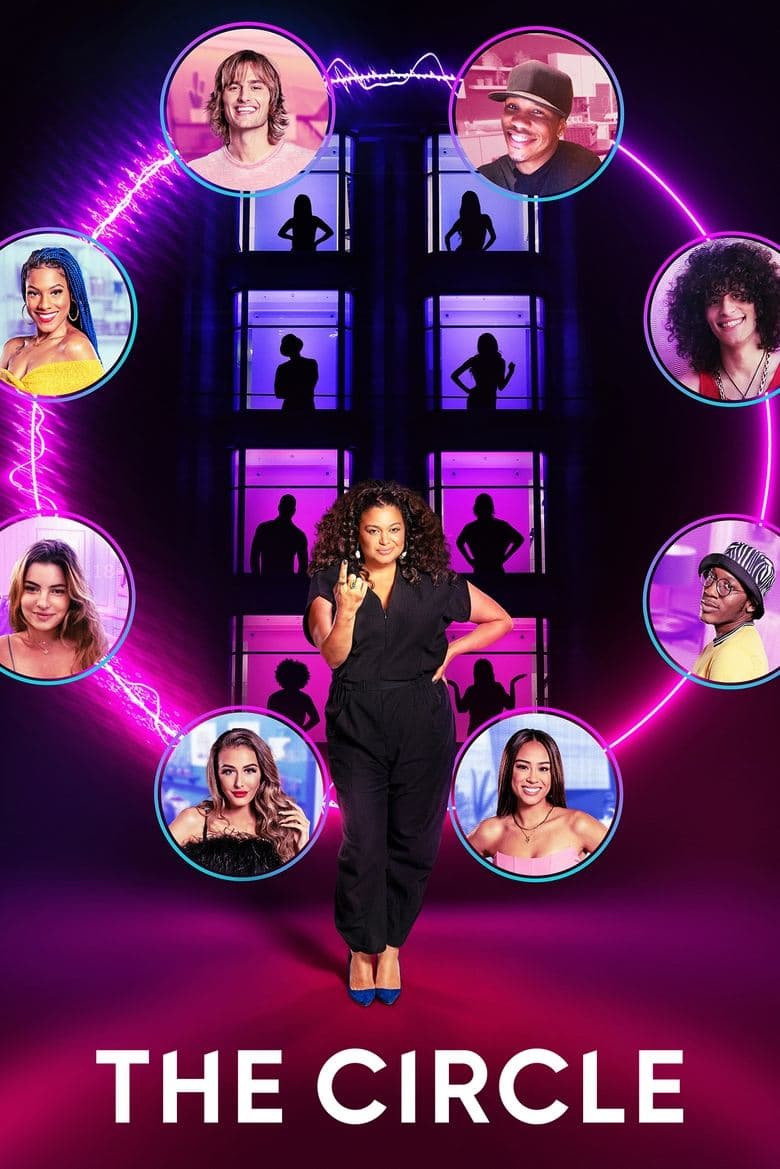
Started January 1, 2020 · Canceled · Based on 7 seasons, 90 episodes through October 2, 2024 · TV-MA · 50 min
Each season places strangers in separate apartments where they can speak only through a social media app. Players rate one another, form alliances, flirt, and block rivals while chasing a large cash prize. Some players use their real names and photos, while others pretend to be younger, richer, more attractive, or even a different gender. The tone is bright and funny, but the game often turns friendship, trust, and online popularity into weapons.
The show uses identity as a repeated part of its entertainment. It regularly features Black, Asian, queer, plus-size, and older players, and season five adds Raven Sutton, the first Deaf contestant, with her interpreter Paris. Season four winner Frank Grimsley openly links his win to showing that a Black, gay, plus-size man can thrive on television. The later seasons lean harder into strategy, with season six adding an AI catfish and season seven using twins and new profile tricks, so representation remains visible but does not replace the main game.
Community feedback
Was our 46% Woke rating accurate?
Breakdown
These are the editorial factors and ratings behind our score for The Circle.
Woke representation / casting
The casting repeatedly places contestants with different races, sexualities, body types, ages, and disabilities in the main group. The show highlights season five's Deaf player Raven and season four's Black, gay, plus-size winner Frank. The format also uses queer contestants and identity stories as visible parts of its promotion and audience discussion. The show takes place in modern America, so the score comes from the repeated casting pattern rather than a setting error.
58%
Woke political dialogue
Not present. The players discuss rankings, romance, trust, and strategy. The show does not build a recurring current-politics or activist debate.
0%
Identity-driven story themes
The competition makes identity performance a central tool because players can hide their age, gender, looks, or personal life. The show repeatedly treats openness, self-acceptance, and personal identity as paths to friendship. Queer contestants, Raven's Deaf identity, and Frank's representation goal receive clear attention. The show still uses these details mainly for alliances and catfishing, so identity is an important theme but not the whole story.
44%
Western institutional / cultural critique
Not present. The show questions online popularity and social media habits, but it does not attack Western culture, family, religion, men, or major institutions through a recurring activist message.
0%
Woke character or canon changes
Not relevant. The show has no established fictional characters, source canon, or historical figures that it changes for identity reasons.
0%
Anti-woke backlash and complaints
A few Reddit commenters said the repeated queer and minority casting felt like a checklist or too much representation. Those posts are small and mixed with ordinary complaints about strategy and cast behavior. The separate X search found no anti-woke complaints, boycott talk, or review-bombing.
5%
Creator track record context
Tim Harcourt's record centers on reality entertainment rather than political activism. Tom Lowry and Quinn Saunders have no high-confidence activist record. Erin Tomasello has a clear diversity focus in casting, while Sena Rich and Joy Herrera have discussed inclusion and fair access. The overall creator context is mildly supportive of diversity casting but not strongly activist.
24%
Production
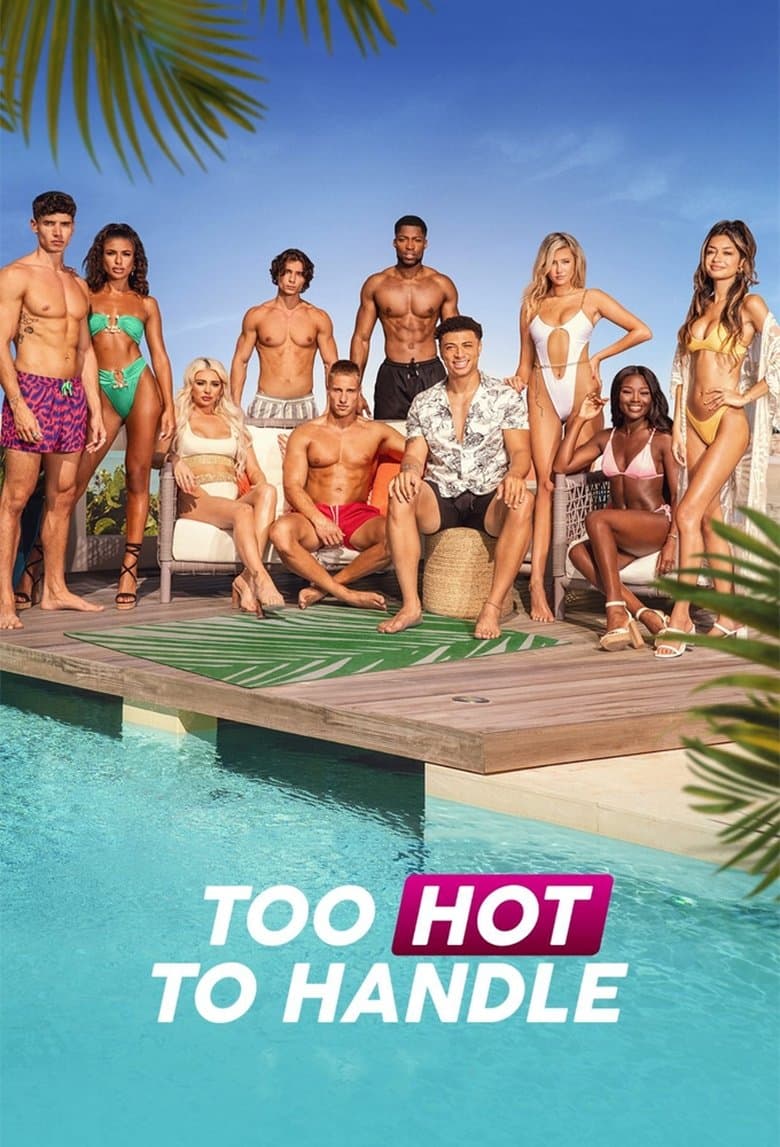
TV Show · 2020
On the shores of paradise, gorgeous singles meet and mingle. But there’s a twist. To win a $100,000 grand prize, they’ll have to give up sex.
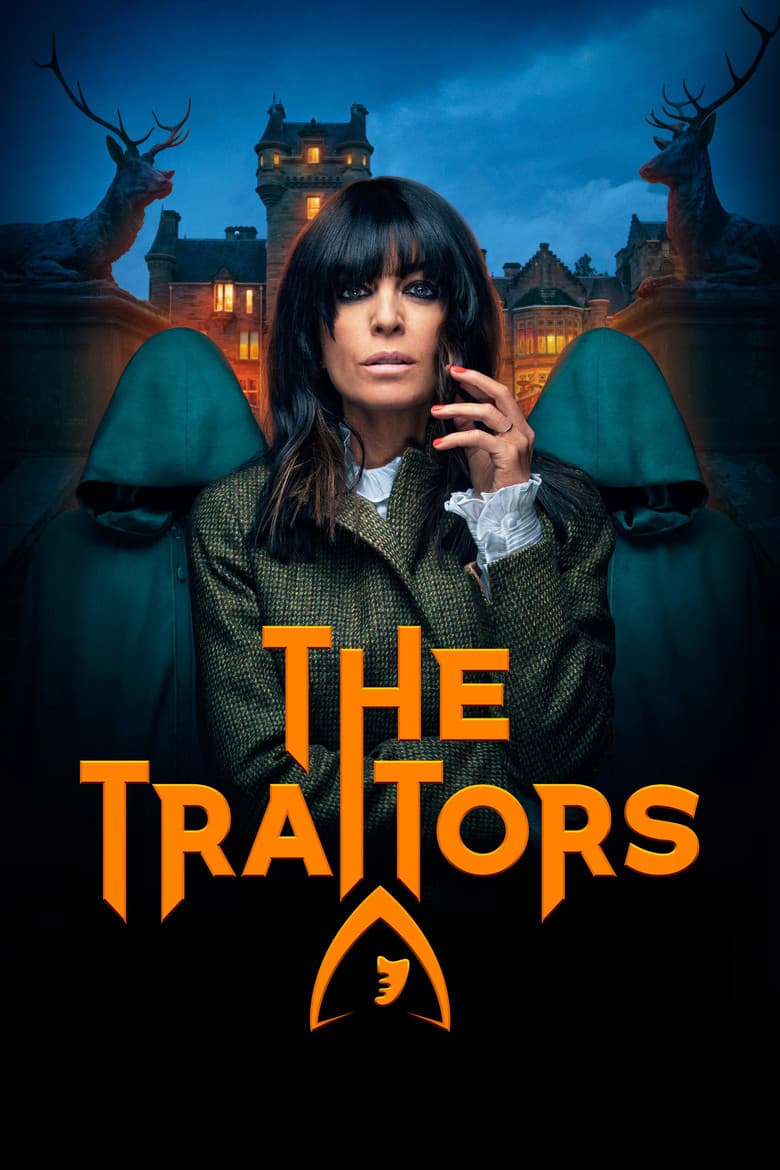
TV Show · 2022
Strangers play the ultimate game of detection, backstabbing and trust in the hope of winning up to £120,000. But hidden amongst the players are three Traitors, who secretly…
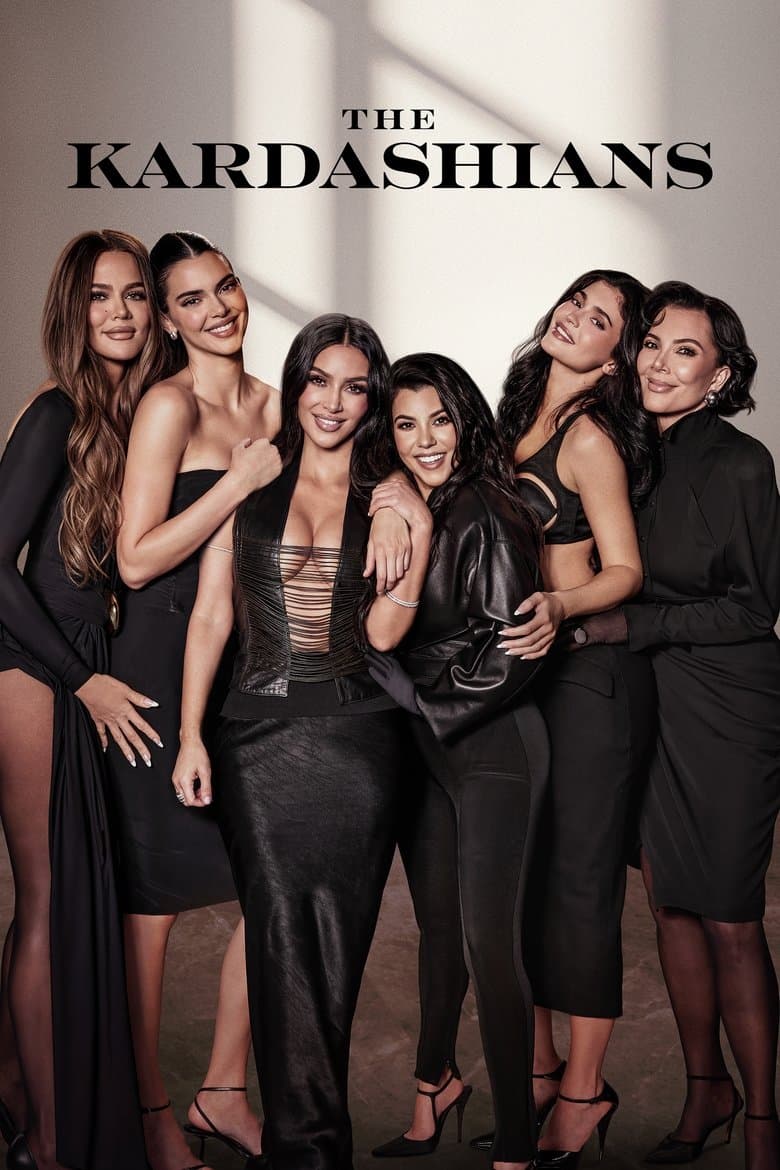
TV Show · 2022
The family you know and love is here with a brand new series, giving an all-access pass into their lives. Kris, Kourtney, Kim, Khloé, Kendall, and Kylie bring the cameras back to…
