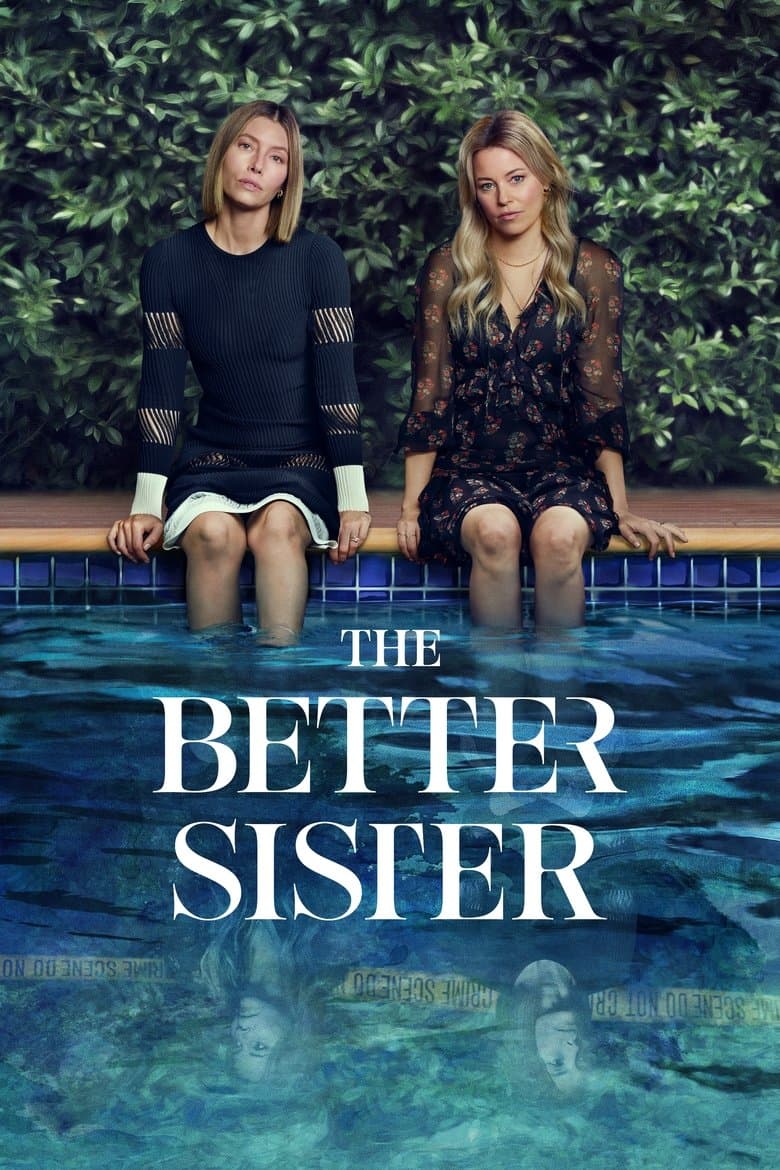
Started May 29, 2025 · Ended · Based on 1 season, 8 episodes through May 29, 2025 · TV-14
Chloe Taylor runs a powerful women’s magazine and appears to have a perfect life in New York and the Hamptons. Her husband Adam is murdered, and the police soon accuse Ethan, the teenage son Chloe raised. The case brings back Chloe’s estranged sister Nicky, who is Ethan’s birth mother and Adam’s former wife. The eight-episode story moves between court fights, family memories, and hidden crimes as the sisters face addiction, betrayal, abuse, and old anger. The tone is a glossy but dark mystery with sharp jokes and many twists.
The show places two troubled women at the center and gives their changing bond more weight than the murder puzzle. It repeatedly asks whether a polished career and a clean home make Chloe better than Nicky, who is trying to stay sober and regain trust. The story also follows a rich family using money, status, and legal power to hide problems, while a black prosecutor points to the different treatment a darker-skinned suspect might receive. Several supporting roles are visibly diverse, including a gay woman detective, a gay black boss, a black defense lawyer, an Iranian detective, and a Latino lawyer. These elements are clear but secondary to the family thriller, and the season does not become a full activist drama.
Community feedback
Was our 42% Woke rating accurate?
Breakdown
These are the editorial factors and ratings behind our score for The Better Sister.
Woke representation / casting
The cast includes a gay woman as the main detective, a gay black man as a senior law boss, and black women as a magazine head and Ethan’s defense lawyer. The show also gives a major detective role to an Iranian American man and gives Chloe a Latino lawyer lover. This makes the supporting cast notably identity-diverse around two white sisters in a New York elite setting. The identities are visible, but they do not drive the main plot or receive a clear diversity-first message.
33%
Woke political dialogue
In the bail hearing, prosecutor Willis asks where Ethan would be if he had darker skin, and the judge agrees that the answer would be different. The scene directly raises unequal treatment by race in the courts. An early party scene also has Catherine list attacks about being too Black, not Black enough, and married to a white man. These are clear political lines, but they are brief and do not control most episodes.
29%
Identity-driven story themes
The season keeps sisterhood, motherhood, addiction, and domestic abuse at its center. The story asks viewers to question the labels of bad mother and better sister as Chloe and Nicky reveal what happened in their family. Adam’s control, drugging, and violence toward the women lead to the final alliance and Nicky’s self-defense. The show favors female solidarity and sympathy for abuse survivors, but it does not build a broad identity movement or queer-centered plot.
34%
Western institutional / cultural critique
The show presents elite law, money, and family status as ways to avoid consequences. Adam uses custody papers and drugs to control Nicky, while Ethan’s family pays to hide his gun and drug trouble. The prosecutor also links wealth and race to different treatment in court. This is a small critique of privilege and the legal system, not a broad attack on Western institutions or traditional culture.
18%
Woke character or canon changes
Not relevant. The series adapts a modern crime novel, and its changes add plot and backstory. No identity-driven change to established canon or a real person appears.
0%
Anti-woke backlash and complaints
A few small or anonymous X accounts called the show woke BS, gender-equity propaganda, gay propaganda, or checkbox casting. Another right-leaning viewer recommended it as not DEI or LGBTQ-heavy, so the reaction was mixed. No boycott, review-bombing drive, or large anti-woke campaign appeared.
12%
Creator track record context
Olivia Milch has stressed feminist perspectives, all-female ensembles, and diverse casting as empowering changes in storytelling. Elizabeth Banks has backed Democratic candidates, abortion rights, and gun control, while Becky Clements has promoted women into senior leadership. Other listed writers and directors have milder or limited political records. This gives the show meaningful creator context, but it does not prove that every story choice is activist.
45%
Production
TV Show · 2026
Ben Reilly, an aging and down on his luck private investigator in 1930s New York, is forced to grapple with his past life as the city's one and only superhero.
TV Show · 2021
Facing an existential threat that could bring down the Crime Lab, a brilliant team of forensic investigators must welcome back old friends and deploy new techniques to preserve…
TV Show · 2021
A detective in a small Pennsylvania town investigates a local murder while trying to keep her life from falling apart.
TV Show · 2022
Lucy wakes every night at exactly 3:33am. Nothing in her life has made sense for a long time. But the answers are out there, somewhere, at the end of a trail of brutal murders.
TV Show · 2022
Determined to protect a young patient who escaped a mysterious cult, a psychiatrist takes the girl in, putting her own family — and life — in danger.
TV Show · 2022
A prisoner on death row in the US, a vicar in a quiet English town, and a maths teacher trapped in a cellar cross paths in the most unexpected way.
TV Show · 2025
A brash but brilliant cop becomes head of a new police department, where he leads an unlikely team of misfits in solving Edinburgh's cold cases.
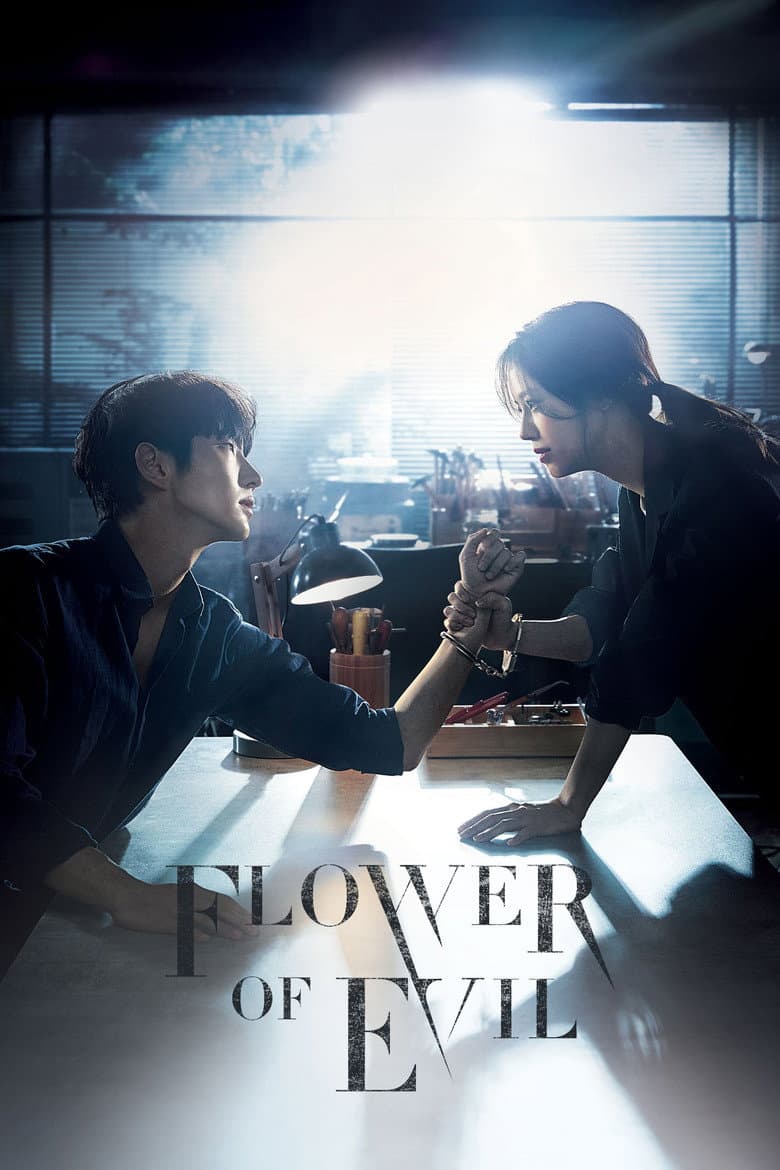
TV Show · 2020
Hiding a twisted past, a man maintains his facade as the perfect husband to his detective wife — until she begins investigating a series of murders.
