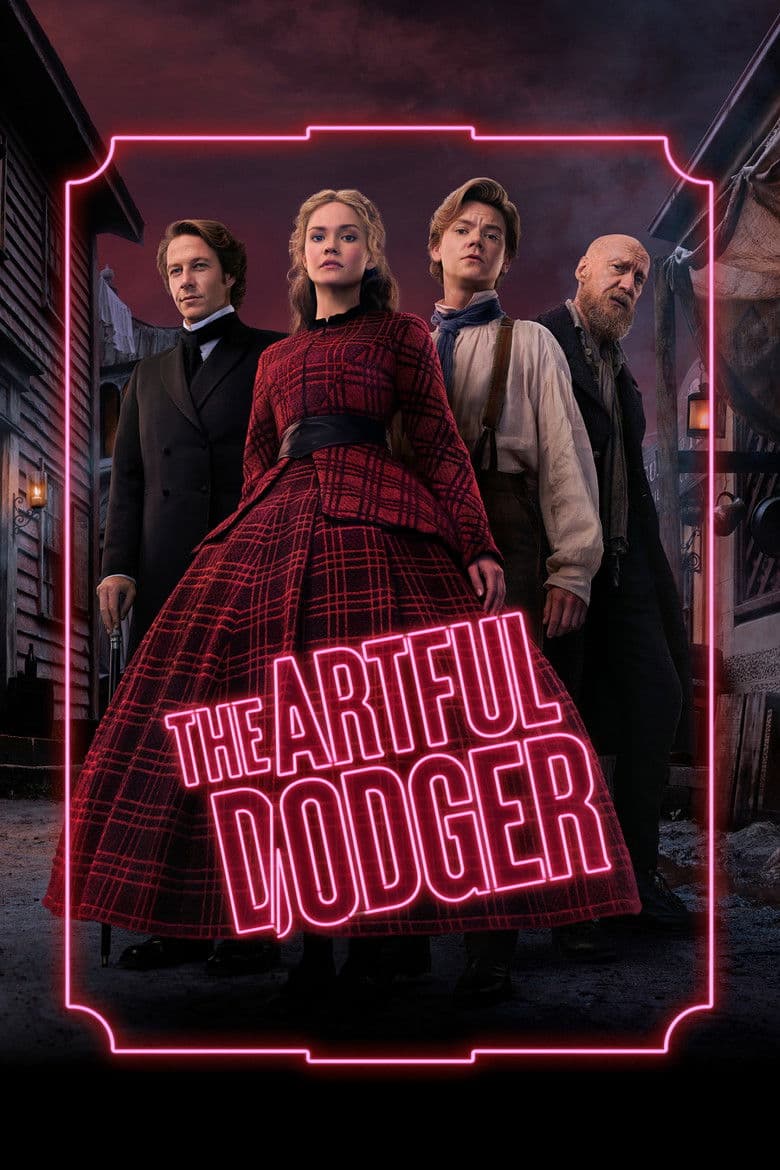
Started November 29, 2023 · Returning Series · Based on 2 seasons, 16 episodes through February 10, 2026 · TV-14
Jack Dawkins is a former London pickpocket who now works as a skilled surgeon in the Australian colony of Port Victory in the 1850s. His old mentor, Fagin, pulls him back into theft, lies, and dangerous schemes while Jack tries to build a better life. Jack also falls for Lady Belle Fox, the governor’s daughter, even though her family wants her to stay away from a convict. The show mixes bloody medical cases, fast heists, romance, comedy, and a bright but rough period setting.
Belle’s fight to become the colony’s first female surgeon is the clearest woke element. The story returns to women being blocked from medical work, pushed toward marriage, or controlled by family, and it supports Belle’s wish to choose her own career and love. Season two adds a short Indigenous land-rights argument and keeps several Indigenous Australian characters in the supporting cast. These ideas recur across the two seasons, but the main story still centers on Jack’s criminal past, his bond with Fagin, medical rescues, romance, and heists.
Community feedback
Was our 50% Woke rating accurate?
Breakdown
These are the editorial factors and ratings behind our score for The Artful Dodger.
Woke representation / casting
Belle is a major female lead who is shown as a gifted medical thinker in a field where women are not accepted. The show repeatedly presents her goal of becoming the colony’s first female surgeon as a visible identity and sex-based role choice. Indigenous Australian actors also appear in recurring supporting roles such as Red and Tim. The setting makes those supporting roles story-plausible, and the show does not present the whole cast as a diversity campaign.
32%
Woke political dialogue
Belle and Lady Jane argue across both seasons about women, marriage, and Belle’s right to work in medicine. Season two also has Tim and Alinta say their people should benefit from land because it was not the colonists’ land to sell. The gang jokes about unions and workers’ rights in the same episode. Most political talk stays short and tied to the plot, so the show does not become a speech-heavy activist drama.
34%
Identity-driven story themes
Belle’s fight to become a surgeon is a continuing story across both seasons. Her career goal shapes her training, her romance with Jack, her conflict with her mother, and her choices during medical crises. Season two gives her more medical authority and adds a smaller Indigenous land-rights thread. The show clearly supports Belle’s freedom to choose work and love, but crime, family, and romance remain just as important.
48%
Western institutional / cultural critique
The show presents male doctors and Belle’s family as barriers to her medical work. Season two also treats her mother’s control, marriage pressure, and threat to hang Jack as harmful uses of family and state power. An Indigenous land-rights exchange challenges colonial ownership in one episode. These conflicts mostly stay inside the 1850s setting, with no broad attack on modern Western society or religion.
31%
Woke character or canon changes
The show does not identify Fagin as Jewish, unlike Dickens’s novel, and it places him in church scenes while he poses as a holy man. That changes a legacy character’s religious identity and softens an old religious stereotype. Belle is an original character, but her creation is a normal expansion of the story rather than a change to a Dickens character.
17%
Anti-woke backlash and complaints
One small X account called later episodes heavy-handed in their lecturing and woke posturing but still called the show watchable. A second small account expected a woke Disney show but said this one was not, which is not a complaint about the actual series. No large right-leaning complaints, review-bombing campaign, or boycott were found. The backlash evidence is fringe.
10%
Creator track record context
The listed creators and crew have mainstream entertainment careers, with recorded scores from 7 to 25 and no broad activist pattern. Miranda Tapsell joins season two as a writer and has publicly called for more Indigenous and diverse media. That context fits the season’s Indigenous characters and land-rights line, but the series remains mainly a period crime, medical, and romance story.
22%
Production
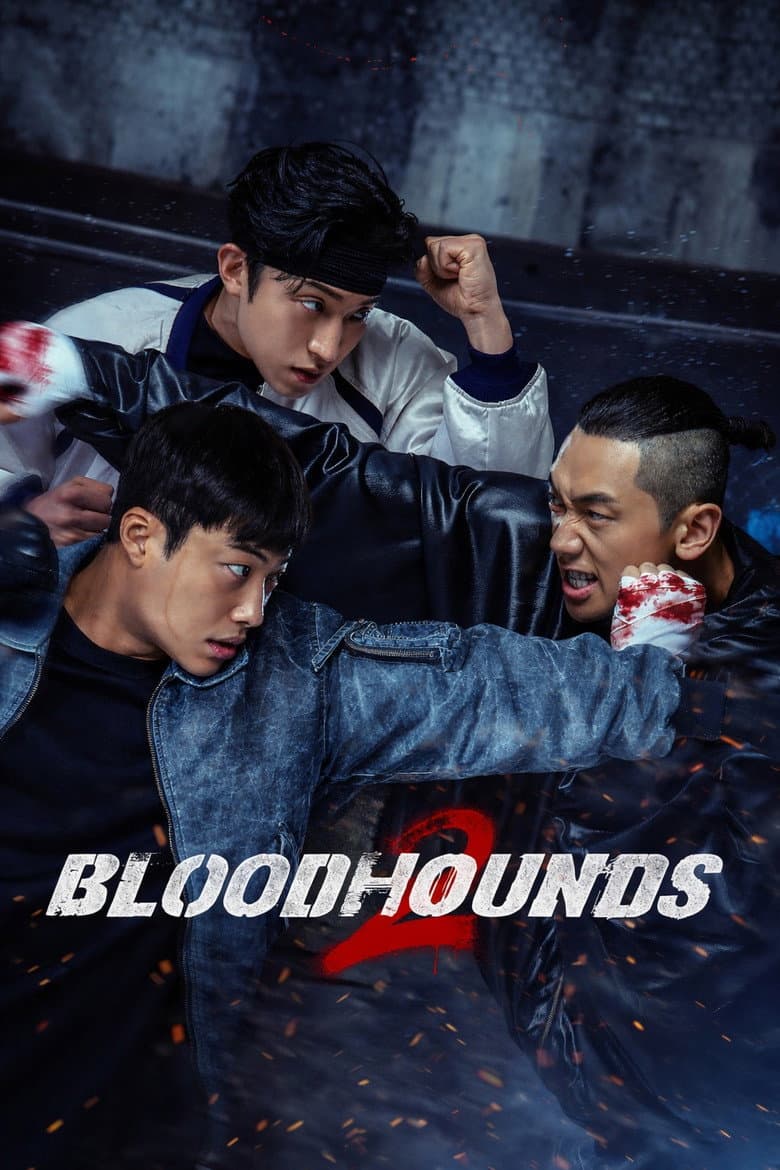
TV Show · 2023
Faced with ruthless foes with a violent thirst, two young boxers band together — risking life and limb to bring justice and protect their loved ones.
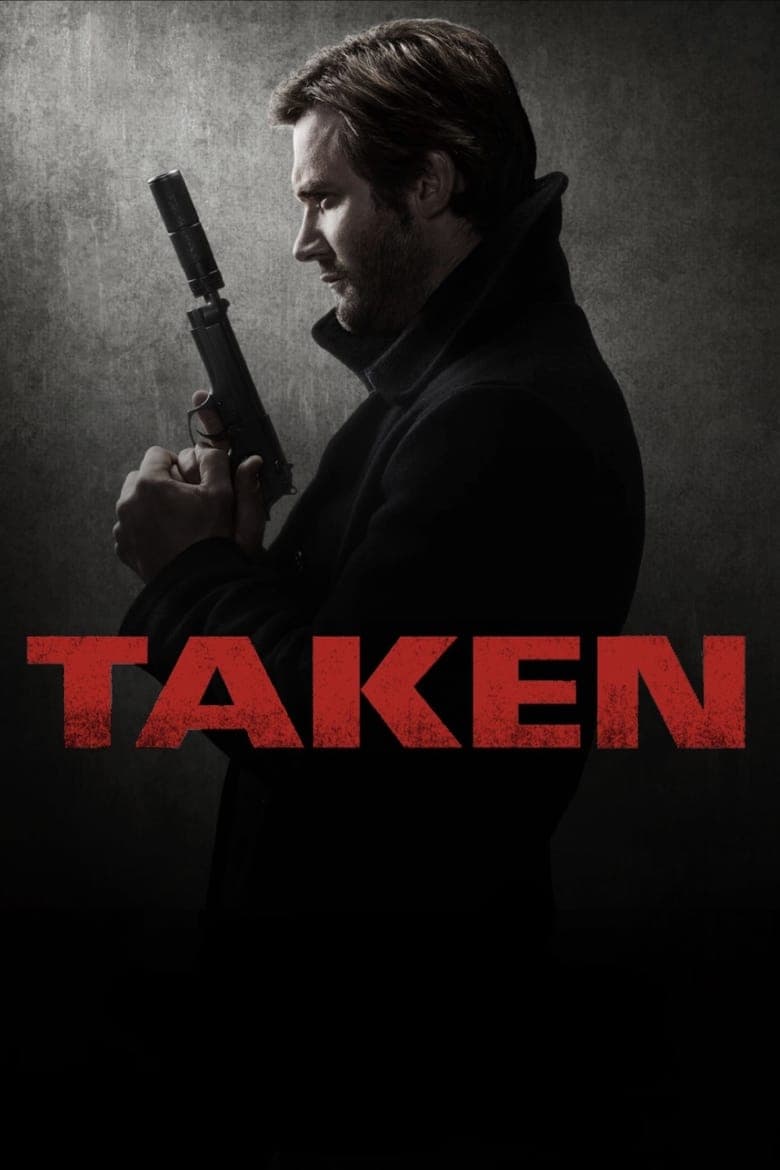
TV Show · 2017
The origin story of younger, hungrier, former Green Beret Bryan Mills as he deals with a personal tragedy that shakes his world.
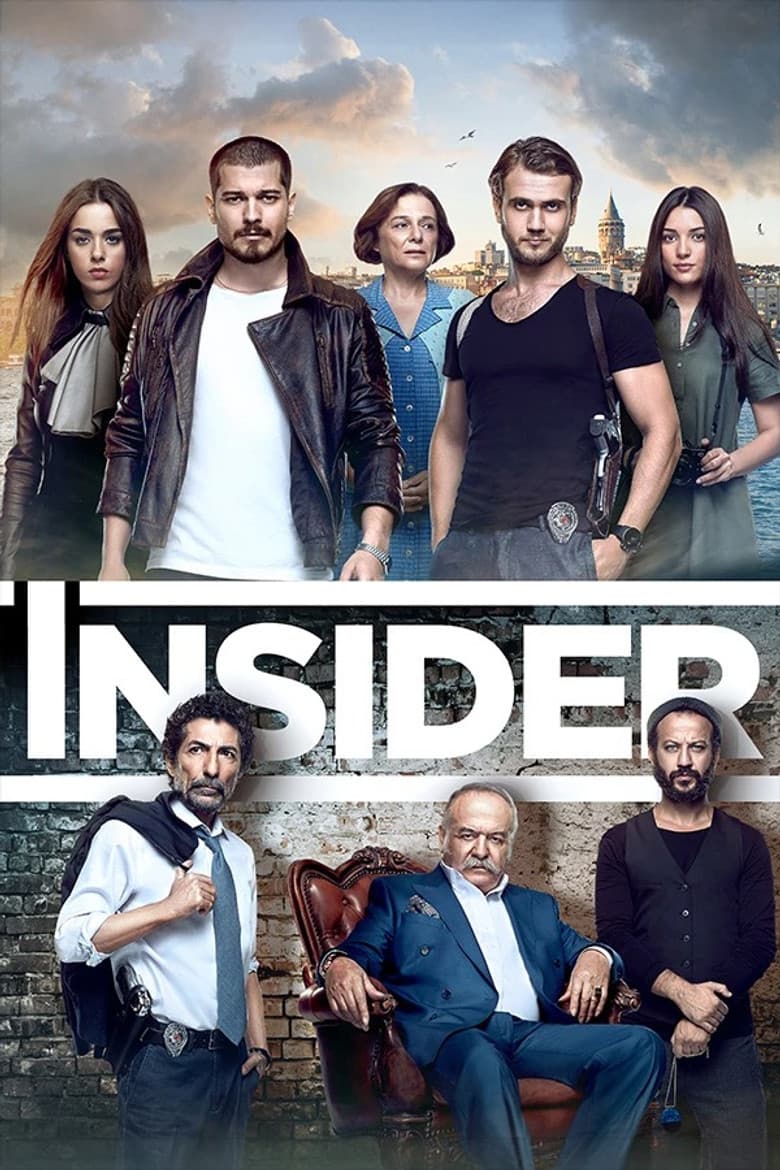
TV Show · 2016
Even though two brothers are completely separated from each other after the imprisoning of their father and the kidnapping of their twin brother, they meet by coincidence years…
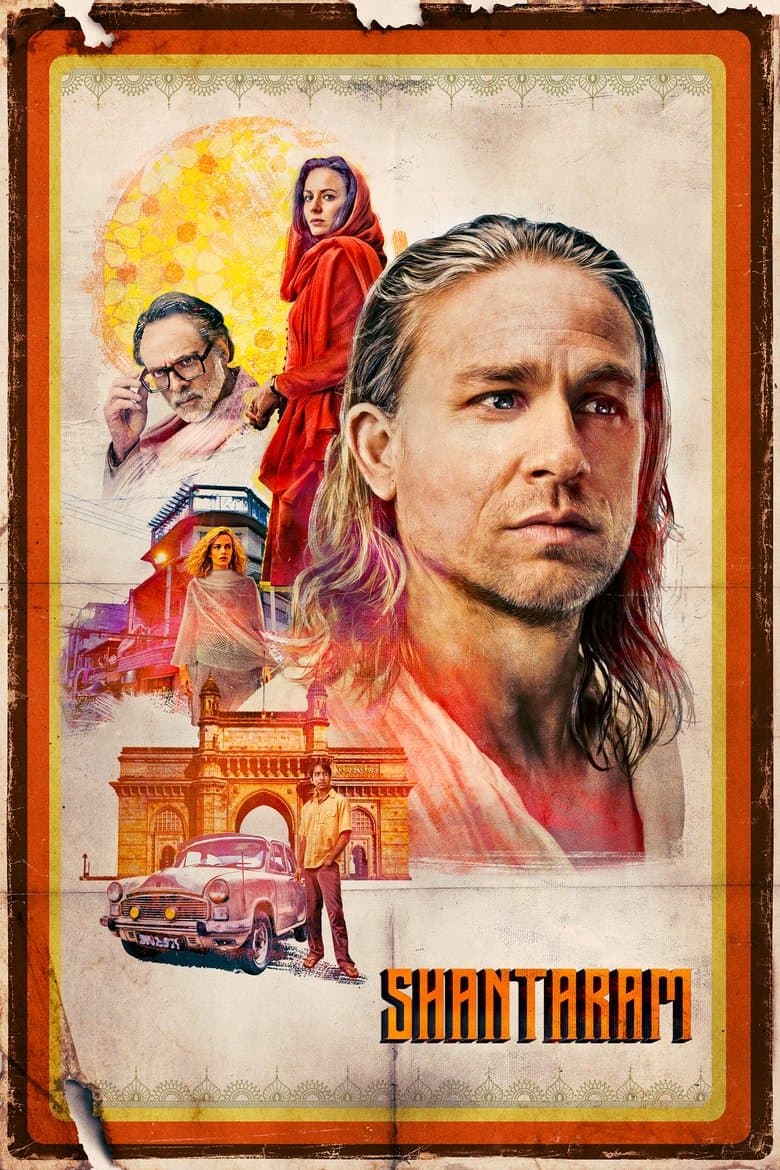
TV Show · 2022
Escaped convict Lin Ford flees to the teeming streets of 1980s Bombay, looking to disappear. Working as a medic for the city's poor and neglected, Lin finds unexpected love…

TV Show · 2016
Bob Lee Swagger is an expert marksman living in exile who is coaxed back into action after learning of a plot to kill the president.
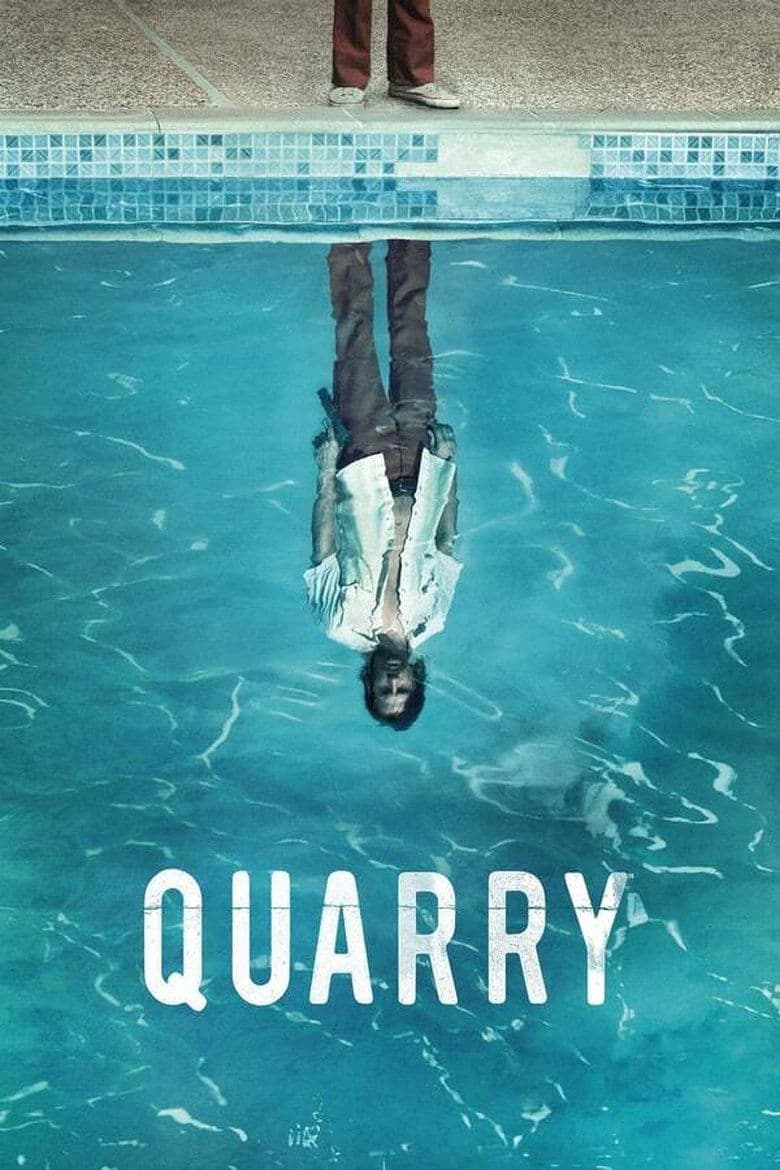
TV Show · 2016
The story of Mac Conway, a Marine who returns home to Memphis from Vietnam in 1972 and finds himself shunned by those he loves and demonized by the public.
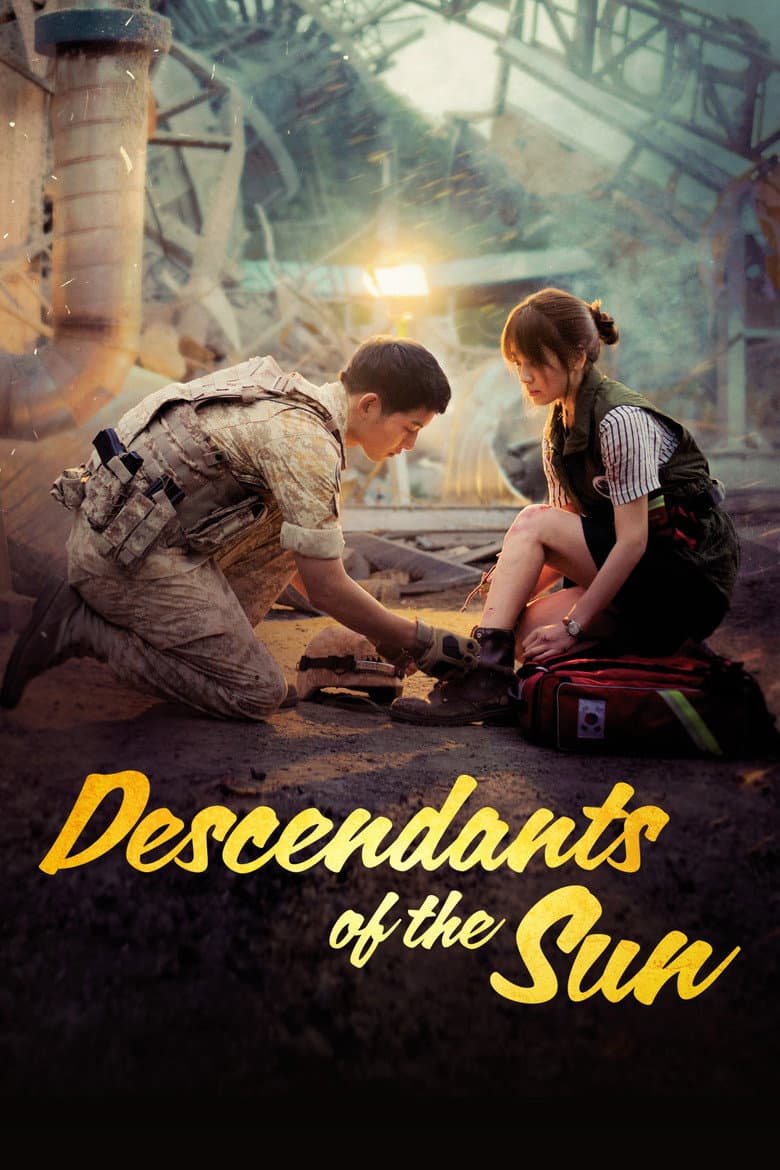
TV Show · 2016
After a chance meeting in a hospital, an ardent soldier falls for a gifted surgeon. Opposing philosophies tear them apart, but fate has other plans.
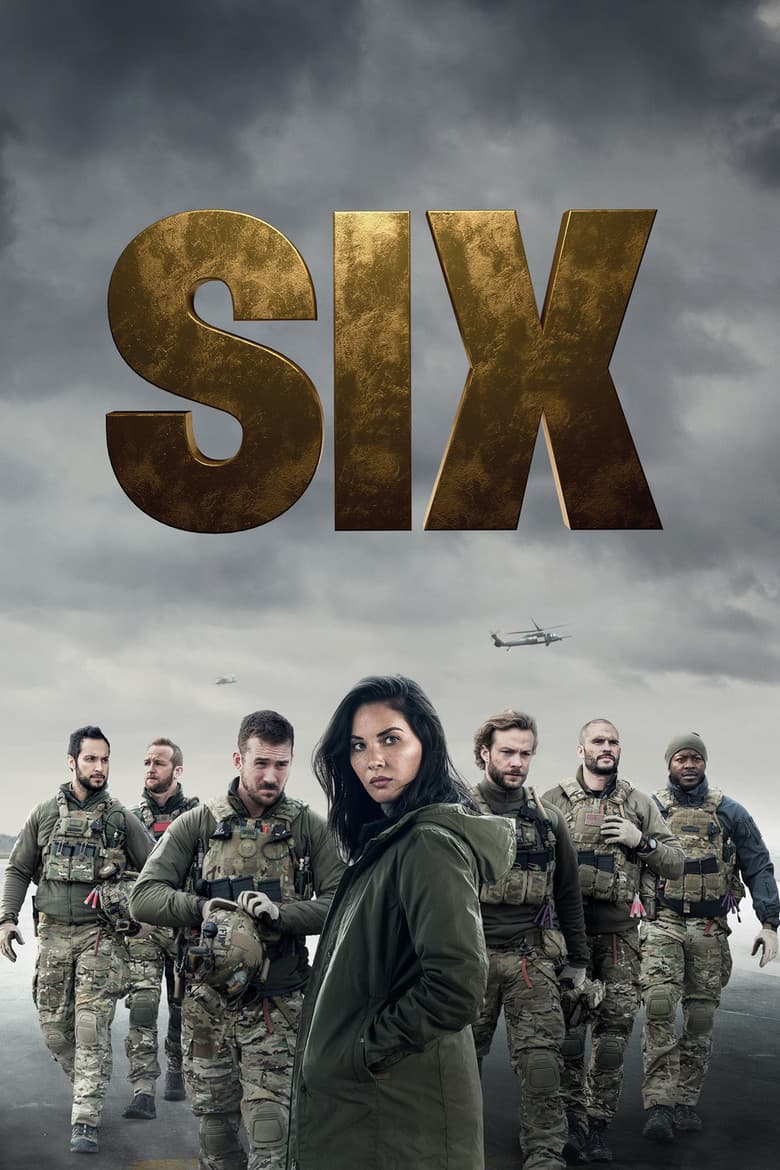
TV Show · 2017
Action drama series inspired by the real missions of Navy SEAL Team Six.
