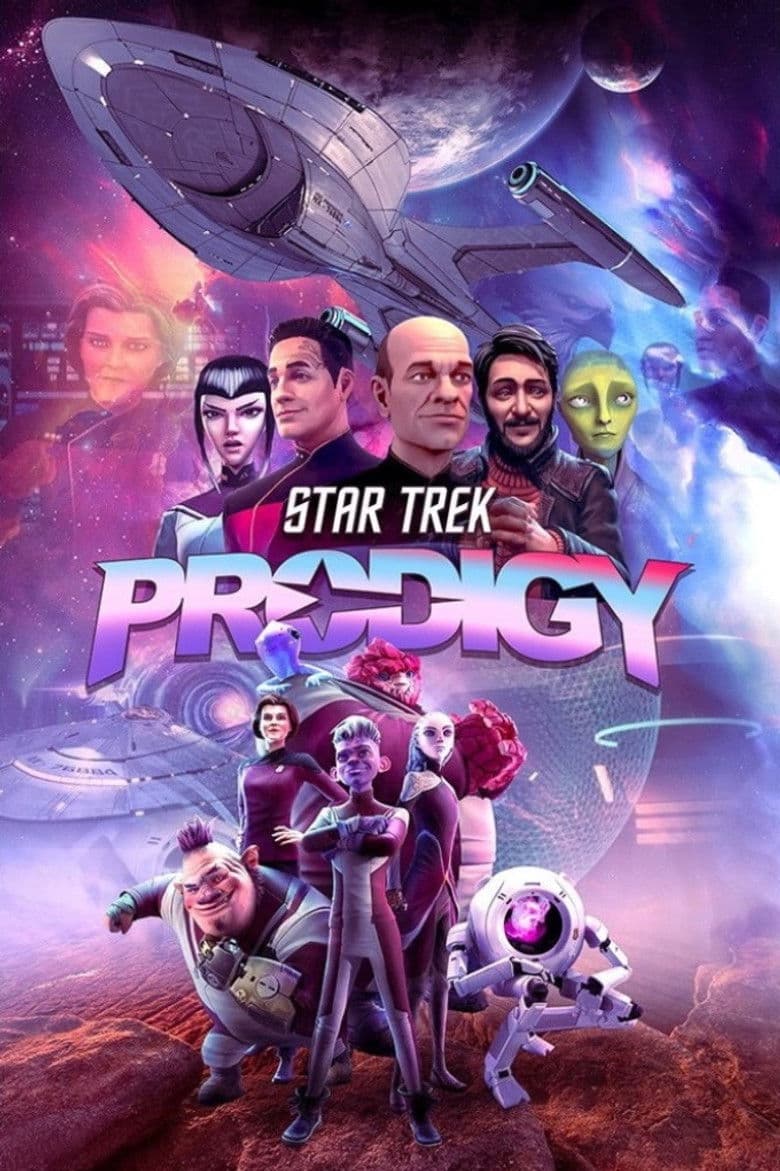
Started October 28, 2021 · Canceled · Based on 2 seasons, 39 episodes through July 1, 2024 · TV-Y7
Star Trek: Prodigy follows six young aliens who escape a prison colony by taking the abandoned Starfleet ship Protostar. Dal tries to lead the crew, while Gwyn struggles with her father’s rule over their people and the others learn jobs, trust, and courage. Hologram Janeway teaches them how Starfleet works as they face the Diviner, the Borg, time travel, and a war that could destroy Gwyn’s home. The show mixes bright jokes, space battles, sad choices, and a hopeful family adventure.
The main identity-focused element is Zero, a genderless Medusan who is corrected when others use “him” or “her” and is always called “they.” In season 2, Zero receives a temporary body, learns what physical feelings are like, and develops a close romantic bond with the Vulcan cadet Maj’el. The crew also presents a mixed group of alien heroes, including female leaders such as Gwyn and Janeway, while Rok-Tahk rejects the idea that her large body makes her a fighter. Most of the show’s message stays tied to classic Starfleet ideas about teamwork, mercy, communication, and welcoming different people.
Community feedback
Was our 39% Woke rating accurate?
Breakdown
These are the editorial factors and ratings behind our score for Star Trek: Prodigy.
Woke representation / casting
The crew is made up of six alien species, so its visual mix fits the galaxy setting and the outcast premise. Rok-Tahk is a large, powerful girl who chooses science over fighting. Gwyn leads the crew at points, and Janeway remains a major authority figure, but the show does not frame these choices as a modern diversity campaign. The representation signal is therefore weak.
18%
Woke political dialogue
Hologram Janeway and the crew repeatedly speak about communication, mercy, helping strangers, and welcoming different species. The show presents those Starfleet values as better than revenge, fear, and control. These are classic Star Trek lessons, with little direct talk about current politics or activist causes.
8%
Identity-driven story themes
Zero is a main crew member whose genderless Medusan identity is stated in season 1. The crew corrects the use of “him” or “her,” and the show uses “they” for Zero. Season 2 gives Zero a temporary body, explores their wish to feel physical sensations, and builds a romantic bond with Maj’el. The rest of the show centers more on friendship, courage, and Starfleet ideals than on identity, so this is an important subplot rather than the whole story.
48%
Western institutional / cultural critique
Not present. The Federation is criticized for a past first-contact mistake that helps cause Gwyn’s civil war, but the story treats this as an in-universe problem. Starfleet remains a positive and hopeful institution, not a target of modern Western or anti-capitalist critique.
0%
Woke character or canon changes
Not relevant. The show adds original aliens and uses established characters such as Janeway, Chakotay, and Wesley. Their changes serve the time travel story, and Zero’s genderless Medusan identity is part of existing Star Trek lore.
0%
Anti-woke backlash and complaints
Jon Del Arroz called the show’s Zero pronoun correction transgender propaganda, and Bounding Into Comics repeated the claim. A few small accounts called the show child indoctrination and used #WokeTrek or #SJW. Some right-leaning Trek fans called it light woke, but many said it was not woke and recommended it over Discovery and Picard. The separate X pass found no sustained boycott or review-bombing drive.
15%
Creator track record context
Alex Kurtzman has repeatedly described diversity and inclusion as part of Star Trek’s mission and has linked the franchise to current social issues. Gene Roddenberry built Star Trek around equality, tolerance, and a future beyond racism and sexism. Dan and Kevin Hageman and most listed writers and directors have no notable activist record in the supplied context. This background supports the show’s broad inclusion, but it does not make its story more political by itself.
30%
Production
TV Show · 2016
After uncovering a mysterious amulet, an average teen assumes an unlikely destiny and sets out to save two worlds.
TV Show · 2022
When an explosive battle with Dr. Eggman shatters the universe, Sonic races through parallel dimensions to reconnect with his friends and save the world.
TV Show · 2022
There's no guarding the galaxy from this mischievous toddler! Get ready as Baby Groot takes center stage in his very own collection of shorts, exploring his glory days growing up…
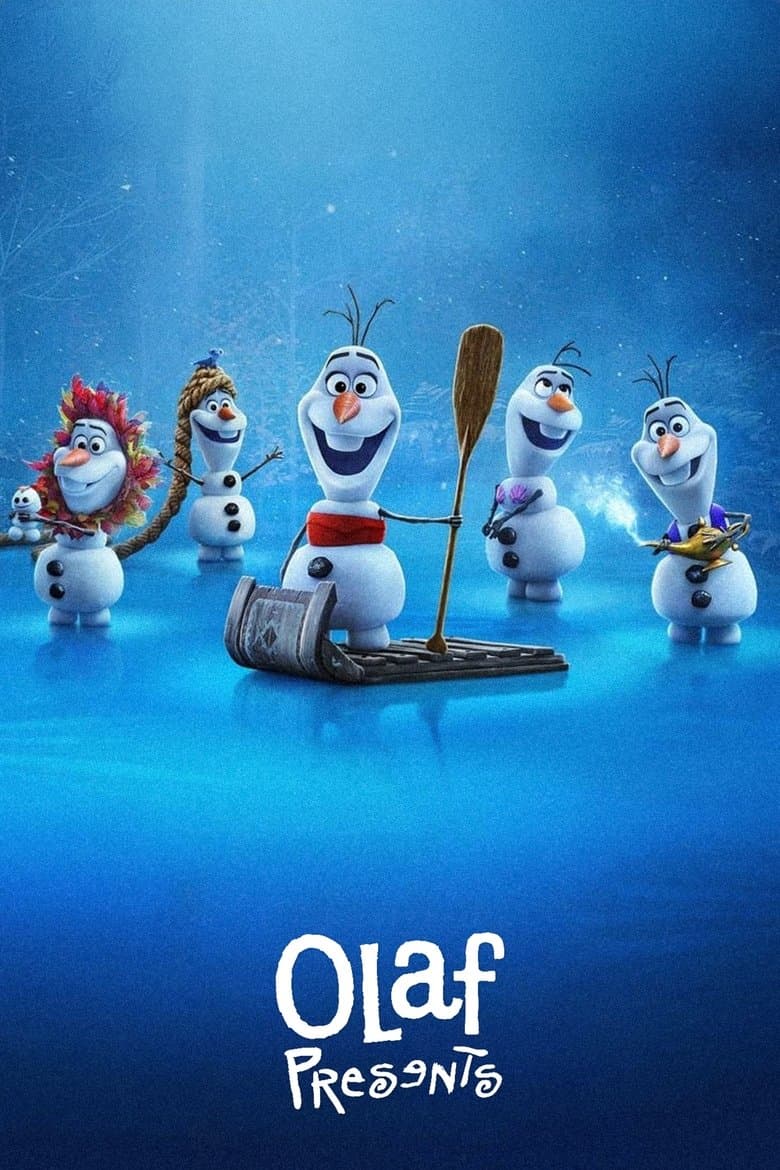
TV Show · 2021
Frozen’s beloved snowman retelling several classic Disney tales as only he can.
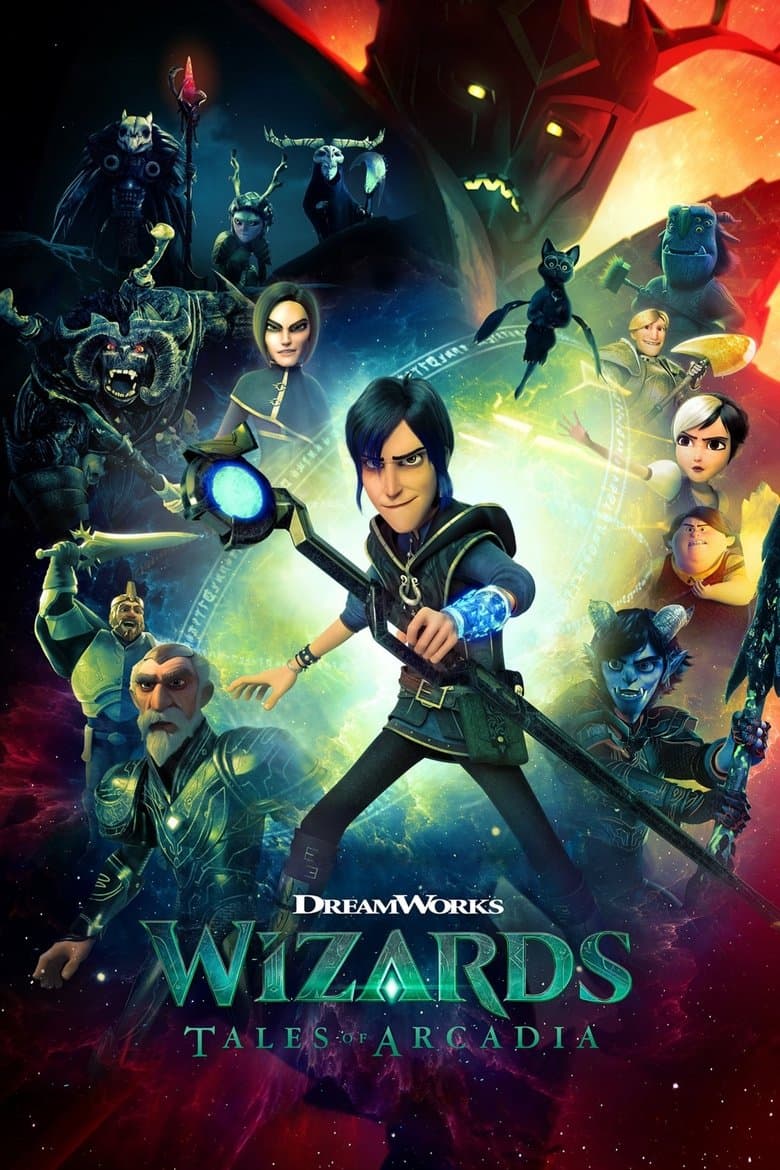
TV Show · 2020
Merlin’s apprentice joins Arcadia’s heroes on a time-bending adventure in Camelot, where conflict is brewing between the human, troll and magical worlds.
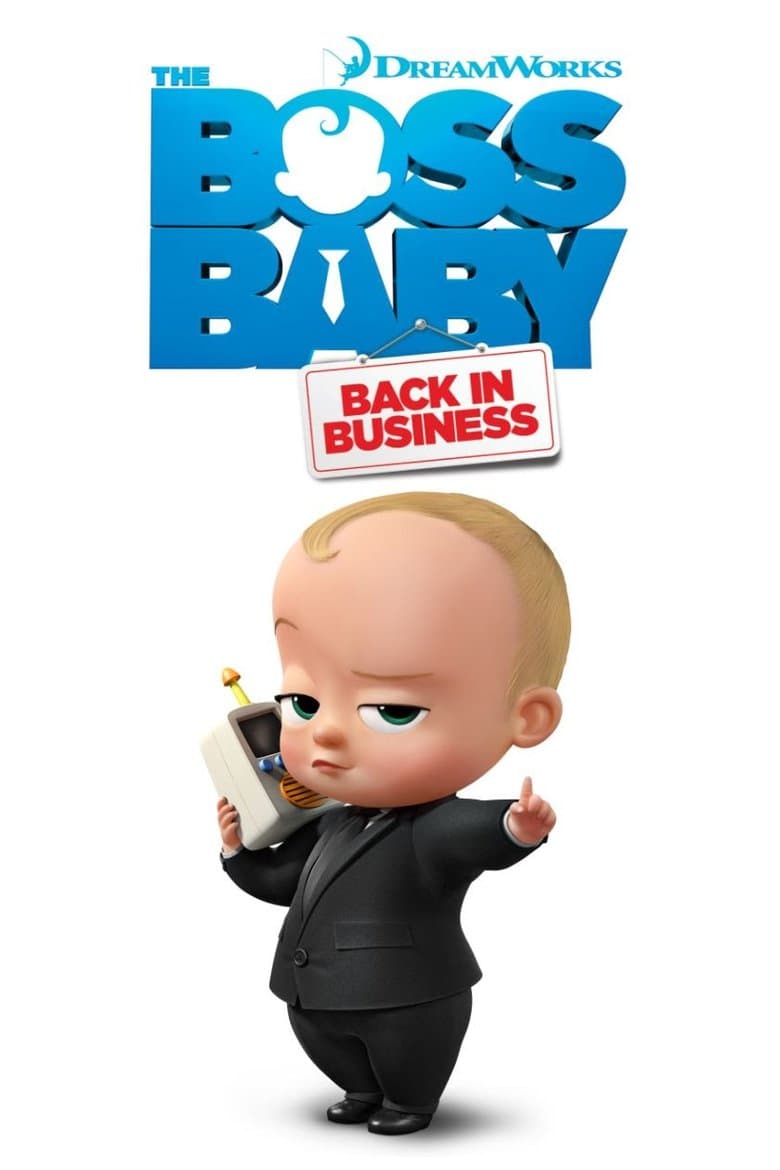
TV Show · 2018
The Boss Baby brings his big brother Tim to the office to teach him the art of business in this animated series sprung from the hit film.
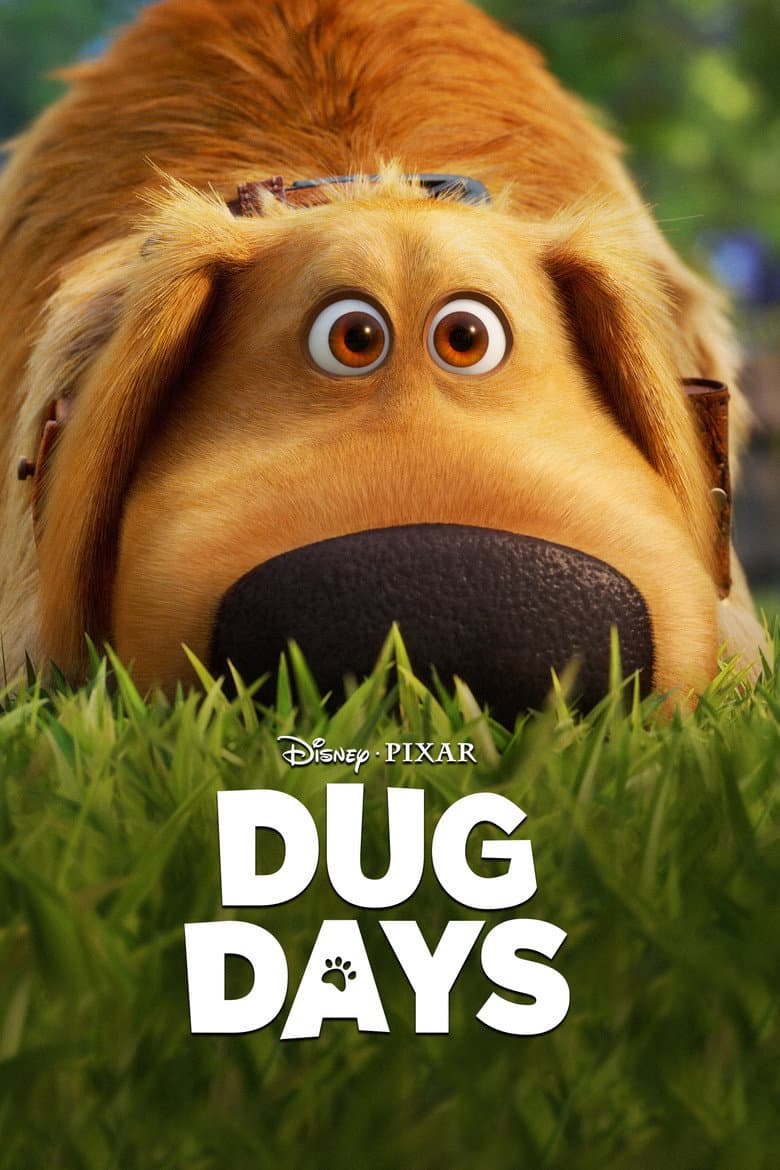
TV Show · 2021
A series of shorts that follows the humorous misadventures of Dug, the lovable dog from Disney and Pixar’s “Up.” Each short features everyday events that occur in Dug's backyard…
TV Show · 2018
Bluey is an inexhaustible six year-old Blue Heeler dog, who loves to play and turns everyday family life into extraordinary adventures, developing her imagination as well as her…
