
Started May 22, 2025 · Ended · Based on 1 season, 5 episodes through May 22, 2025 · TV-MA
Devon DeWitt leaves Buffalo after a night in jail to find her younger sister, Simone, on a rich island estate. Their father has early-onset dementia, and Devon wants Simone to return home and help care for him. Simone refuses because she has become the live-in assistant and close companion of Michaela Kell, a powerful billionaire's wife. The five-episode show mixes dark comedy, family pain, sex, secrets, and tense fights over money and control.
The clearest woke element is a strong female-power story built around three women who shape nearly every major turn. The show uses the old siren myth to question why beautiful women are blamed when men make bad choices. It repeatedly presents marriage, wealth, beauty, and motherhood as systems that can give women status while also trapping them. The ending gives Simone the rich man's house and position, so the story treats female ambition as both understandable and morally dangerous.
Community feedback
Was our 55% Woke rating accurate?
Breakdown
These are the editorial factors and ratings behind our score for Sirens.
Woke representation / casting
Devon, Simone, and Michaela are the three central characters, and the women control the main conflict. Michaela is a billionaire's wife who runs the island's social world, while Simone is placed to inherit her public role. The show also gives three female followers a repeated group role around Michaela. This creates a clear female-power casting pattern in prominent parts.
30%
Woke political dialogue
The characters repeatedly treat marriage, motherhood, and female status as power issues. Michaela warns Simone that becoming a rich man's wife can make a woman's life larger while making her personally smaller. The finale ties Michaela's security to whether she had children. The dialogue keeps these ideas inside personal fights instead of public political speeches.
20%
Identity-driven story themes
Sirens uses the old siren myth to recast powerful women as people whose pain and choices are judged by men. The three women drive the story, and the show links beauty, female power, marriage, and control over wealthy men. Simone's final rise shows a woman taking a man's wealth and a wife's social role after rejecting family duty. The story makes this choice troubling, but it clearly centers female agency and modern gender questions.
56%
Western institutional / cultural critique
Sirens repeatedly shows male power working through money, marriage, and family rules. Peter's prenup links Michaela's payout to having his children, and she says becoming a rich man's wife can make a woman smaller. Devon's father neglects Simone, Raymond cheats on his wife, and Ethan blames Simone after his own fall. The show treats these men as part of a wider pattern of male comfort and entitlement, but it does not attack Christianity or every family institution.
50%
Woke character or canon changes
Not relevant. The show is based on Molly Smith Metzler's own play and has no franchise canon or real historical figures. Greek mythology supplies a loose siren image, not an established character that the series changes.
0%
Anti-woke backlash and complaints
One small X account complained about “a little girl boss BS” while still rewatching. Another small viewer called the show “not woke” and said it was enjoyable, which was not a backlash claim. The supplied search found no large anti-woke account, boycott, review-bombing, or news campaign.
10%
Creator track record context
Cached context gives Molly Smith Metzler a mild score for stories about class and women's lives. Bekah Brunstetter and Colin McKenna have mild or low cached scores. Margot Robbie, Tom Ackerley, Quyen Tran, Nicole Kassell, and Dan LeFranc have moderate cached scores linked to female stories, diverse voices, or identity themes. The team context supports the show's gender and class focus without showing a strongly activist group.
32%
Production

TV Show · 2019
Tony had a perfect life. But after his wife Lisa suddenly dies, Tony changes. After contemplating taking his own life, he decides instead to live long enough to punish the world…

TV Show · 2020
New passions. New fashions. New Emily? A plucky American marketing whiz spreads her wings in life and love after landing her dream job in Paris.

TV Show · 2016
In his funky California beach enclave, Chip's the go-to guy for personal insights. But he isn't quite as enlightened when it comes to his own baggage.

TV Show · 2019
To win back his ex-girlfriend, a nerdy teen starts selling ecstasy online out of his bedroom -- and becomes one of Europe's biggest dealers.

TV Show · 2023
A disgraced cop in debt is forced to return to his home state of Florida for a shady mission only to get swept up in a wild — and deadly — treasure hunt.

TV Show · 2016
Rebellious Mickey and good-natured Gus navigate the thrills and agonies of modern relationships.

TV Show · 2024
When aristocratic Eddie inherits the family estate, he discovers that it's home to an enormous weed empire — and its proprietors aren't going anywhere.
TV Show · 2016
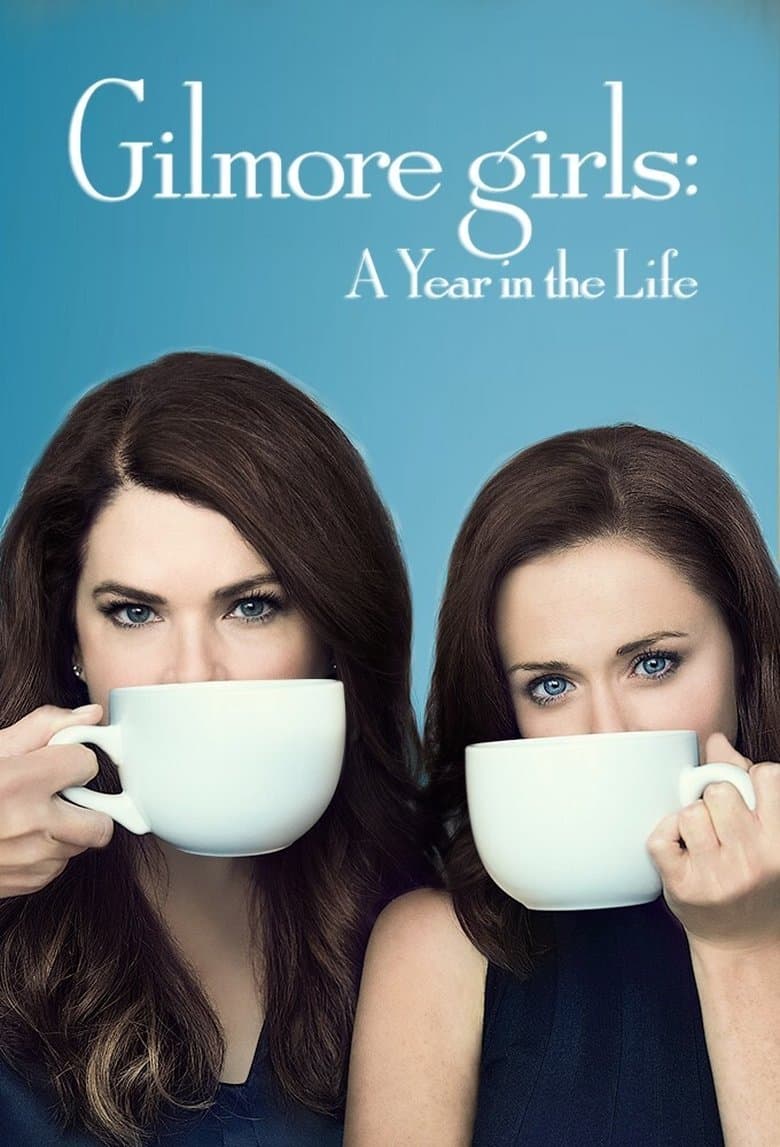
Set nearly a decade after the finale of the original series, this revival follows Lorelai, Rory and Emily Gilmore through four seasons of change.
