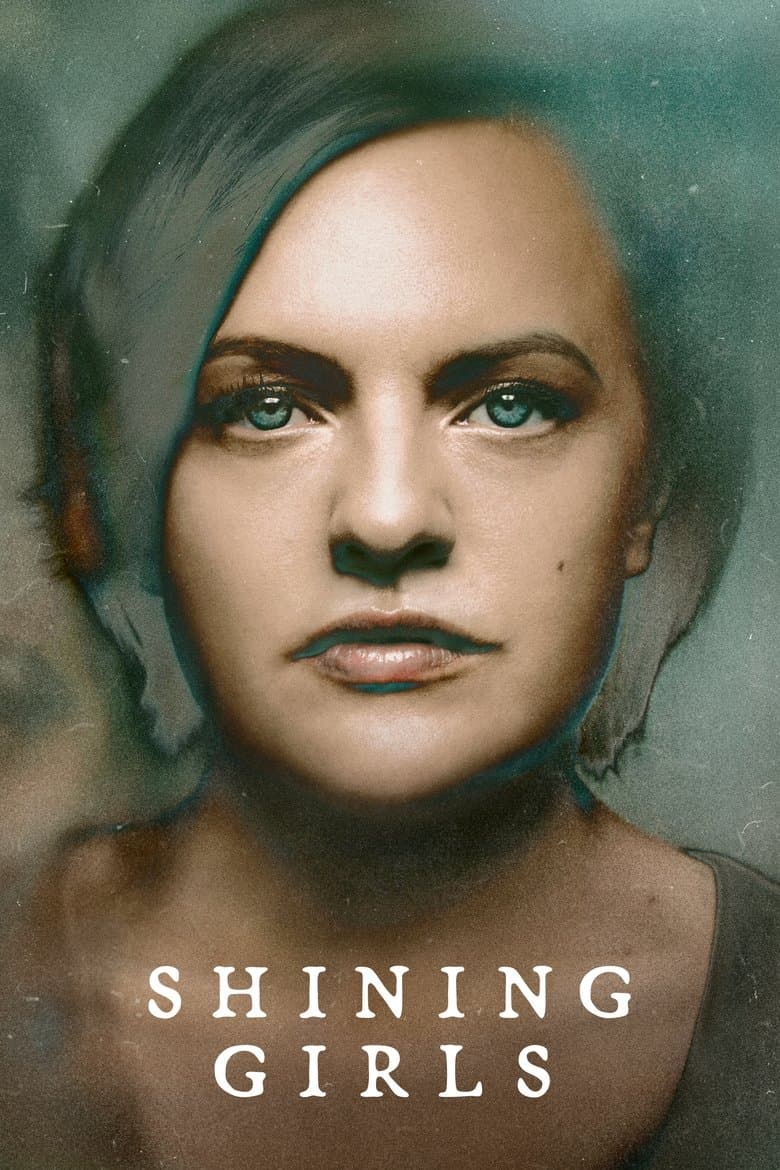
Started April 28, 2022 · Ended · Based on 1 season, 8 episodes through June 2, 2022 · TV-MA
Shining Girls follows Kirby Mazrachi, a Chicago newspaper archive worker whose life keeps changing after a brutal attack. Her home, job, family, and memories can shift without warning, so she writes down basic facts to stay grounded. When another woman is murdered in a similar way, Kirby joins reporter Dan Velazquez to find the killer. The killer is Harper Curtis, a man who moves through time and hunts gifted young women. The season is a slow, tense mystery with science fiction, crime, and heavy trauma.
The main identity-driven element is the story's focus on male violence against women. Harper chooses women because he wants to control and destroy what he sees as their special promise. Kirby's long recovery, the murdered women, and Jin-Sook's danger keep female fear and female resistance at the center of all eight episodes. The show gives Kirby the final fight and lets her reclaim control of the strange house that links the crimes. It presents survival and support between Kirby and Dan as the path forward, but it does not turn the story into speeches about parties, elections, or current identity politics.
Community feedback
Was our 40% Woke rating accurate?
Breakdown
These are the editorial factors and ratings behind our score for Shining Girls.
Woke representation / casting
Kirby is played by Elisabeth Moss, while Dan Velazquez is played by Brazilian actor Wagner Moura, Jin-Sook by Asian-American actor Phillipa Soo, and Marcus by black actor Chris Chalk. Jin-Sook is a skilled astronomer and a key person in the case, so several non-white actors hold visible supporting roles. The show does not frame this mix as a diversity campaign, and the 1990s Chicago setting can support a mixed cast.
18%
Woke political dialogue
Not present. The season does not use recurring political speeches or debates about current activist causes. Its dialogue stays on the murders, journalism, trauma, and time shifts.
0%
Identity-driven story themes
Harper targets women because he wants control over their lives and potential. Kirby’s assault and recovery drive the main story across the season. The murdered women and Jin-Sook’s danger keep female fear and female resistance at the center. The season presents survival and support as the answer to Harper’s control, but it does not use direct speeches about current identity politics.
42%
Western institutional / cultural critique
Kirby is doubted after her assault and is treated as unreliable when her reality shifts. Harper treats women as objects whose futures belong to him. The newsroom and police fail to connect the killings until Kirby and Dan push the case forward. These repeated failures point to male entitlement and weak protection for abused women, but the season does not attack capitalism, Christianity, or Western society as a whole.
33%
Woke character or canon changes
Not relevant. The show changes the novel’s point of view, Kirby’s job, and the romance ending for its own story structure. It does not make an identity-driven change to an established character or real event.
0%
Anti-woke backlash and complaints
Not present. Public discussion centers on the acting, time shifts, and confusing ending. The supplied X research found no real anti-woke complaints, boycott talk, or major push.
0%
Creator track record context
Silka Luisa and most of the writers and directors have low or modest stored scores. Lauren Beukes has a strong feminist and social-issue record, and she is the source author and an executive producer. Elisabeth Moss and Daina Reid have moderate links to gender-oppression themes through The Handmaid’s Tale, while Victoria Thomas has a diversity-focused casting record. This gives the creative team a moderate context score.
39%
Production
TV Show · 2020
When an insidious supernatural force edges its way into a seemingly straightforward investigation into the gruesome murder of a young boy, it leads a seasoned cop and an…
TV Show · 2018
A troubled war veteran is assigned to protect a controversial politician who may be the target of a terror plot.
TV Show · 2020
A family's lives are irreparably disrupted when the 14-year-old son is accused of murdering a fellow classmate.
TV Show · 2023
A mysterious woman's escape from her harrowing captivity points investigators toward the dark truth behind an unsolved disappearance 13 years earlier.
TV Show · 2025
A brash but brilliant cop becomes head of a new police department, where he leads an unlikely team of misfits in solving Edinburgh's cold cases.
TV Show · 2026
Ben Reilly, an aging and down on his luck private investigator in 1930s New York, is forced to grapple with his past life as the city's one and only superhero.

TV Show · 2026
The dynamic between the two contrasting personalities, a seasoned cop who prefers old-school methods and a tech-savvy cop who relies on modern technology for investigations, as…

TV Show · 2020
Zoe Walker leaves her quiet life behind to investigate her brother's disappearance in Ibiza, where she quickly heads down a decadent and dangerous path.
