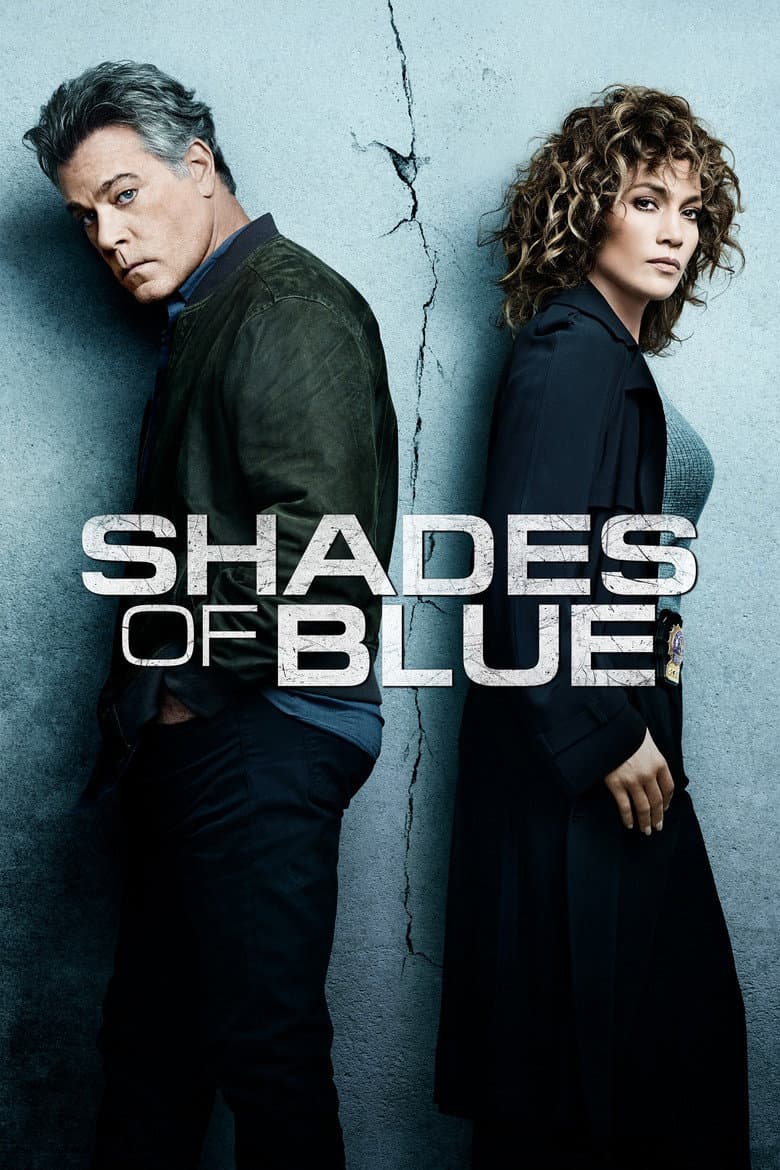
Started January 7, 2016 · Ended · Based on 3 seasons, 36 episodes through August 19, 2018 · TV-14 · 42 min
Shades of Blue follows Harlee Santos, a New York police detective and single mother who takes bribes with her close-knit unit. She uses the money to protect her daughter, but the FBI catches her and forces her to spy on her own team. Harlee tries to survive between loyalty to her police family, fear of the FBI, and guilt over the harm she causes. Across three seasons, the show moves from dirty-cop secrets to a wider fight against corruption inside the NYPD, with a dark, tense, and violent tone.
The clearest identity element is Wozniak, the tough lieutenant who is secretly bisexual and has a sexual relationship with male colleague Donnie Pomp early in season one. The story treats the relationship as a hidden part of his life and ties it to trust, power, and danger in the police plot. Harlee is a Latina woman in the lead role, and the show gives her major authority and action scenes, while other main officers come from different backgrounds. These choices are visible, but the show’s main message stays focused on loyalty, family, crime, and police corruption rather than identity politics.
Community feedback
Was our 31% Woke rating accurate?
Breakdown
These are the editorial factors and ratings behind our score for Shades of Blue.
Woke representation / casting
Harlee is a Latina detective who leads a mixed New York police unit. New York supports a varied cast, so most character choices look normal for the setting. The creator said the role changed from non-Hispanic to Hispanic after Jennifer Lopez joined. The creator also linked the show to NBC’s move toward Hispanic leads. That public diversity framing creates a mild representation signal, while the story does not make ethnicity its main subject.
28%
Woke political dialogue
Not present. The show discusses bribes, police shootings, federal pressure, and corruption. It does not make modern identity politics or activist ideas part of its dialogue.
0%
Identity-driven story themes
Wozniak is secretly bisexual and has a sexual relationship with male Internal Affairs officer Donnie Pomp early in season one. The show uses the relationship to add secrecy, danger, and power to the police plot. Harlee’s Latina identity and single motherhood shape her life, but the story does not turn them into a larger identity campaign. The queer subplot is visible and important across a season, but it does not drive all three seasons.
36%
Western institutional / cultural critique
Not present. The show repeatedly exposes dirty cops, a blue wall, and abuse of police power. Those ideas serve the crime story and are not framed as a modern activist attack on Western culture, gender roles, or identity.
0%
Woke character or canon changes
Not relevant. The show is an original police drama with no established fictional canon or historical figure to rewrite. Harlee’s background was adjusted during development, but the series does not change a known source character.
0%
Anti-woke backlash and complaints
NewsBusters criticized Wozniak’s bisexual subplot as a forced shock element that tried to create a new gay ideal. The same article mocked the show’s joke about white Occupy protesters. The wider social reaction reported by TheWrap mostly showed surprise and excitement about the kiss. The X research found no anti-woke reaction, boycott, or review-bombing campaign.
14%
Creator track record context
Adi Hasak made a clear representation-focused comment about broadcasters moving beyond white male leads. Most cached writers and directors have low or unclear records of activist or identity-driven work. A few cached writers have links to racial justice stories or minority viewpoints. The overall creative record gives mild context, not a strong activist pattern.
18%
Production

TV Show · 2016
17-year-old Joshua "J" Cody moves in with his freewheeling relatives in their Southern California beach town after his mother dies of a heroin overdose.
TV Show · 2019
Erica Shepherd is a brilliant former CIA operative, now known as the most notorious traitor in American history serving life in a Supermax prison.
TV Show · 2022
New York mafia capo Dwight "The General" Manfredi is released from prison after 25 years and exiled by his boss to set up shop in Tulsa, Oklahoma.
TV Show · 2023
Follows rookie police officers working in Belfast, a city in which being a frontline response cop comes with unique pressures and dangers.
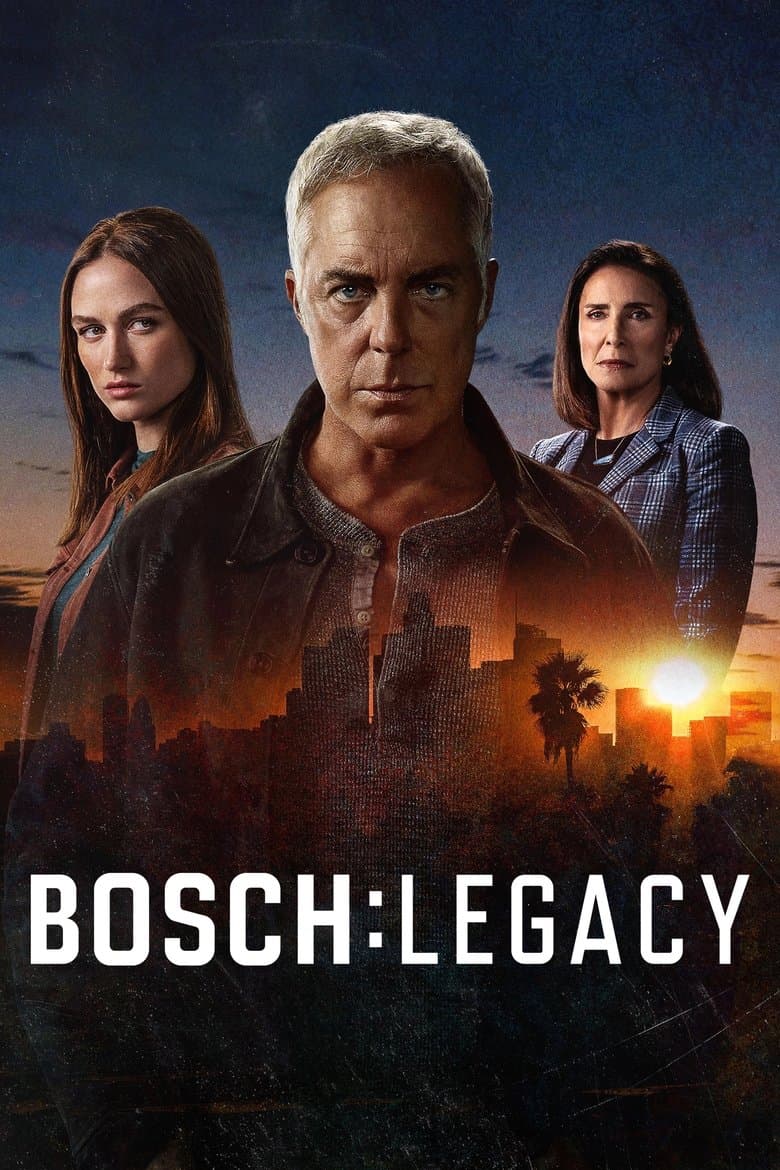
TV Show · 2022
Bosch is now making a living as a private investigator two years after he quit the LAPD and finds himself working with one time enemy and top-notch attorney Honey “Money”…
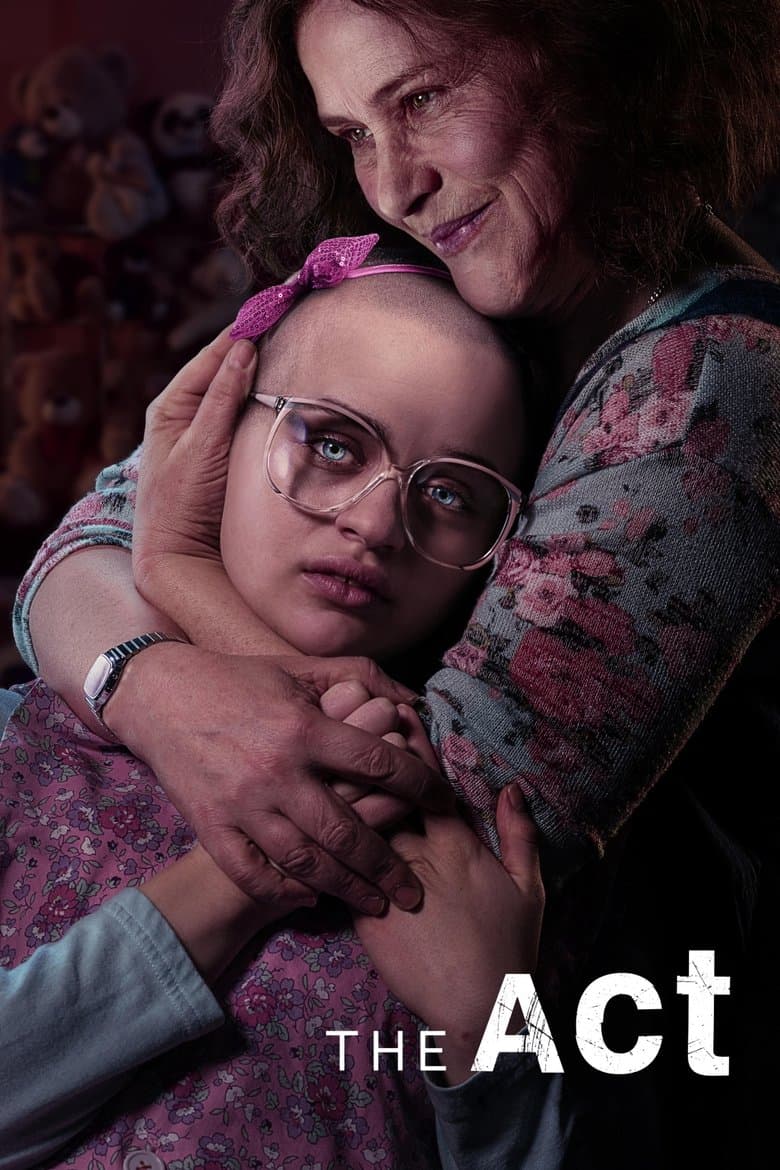
TV Show · 2019
Gypsy Blanchard struggles to deal with the toxic relationship with her overprotective mother, but her attempts to free herself lead to murder.
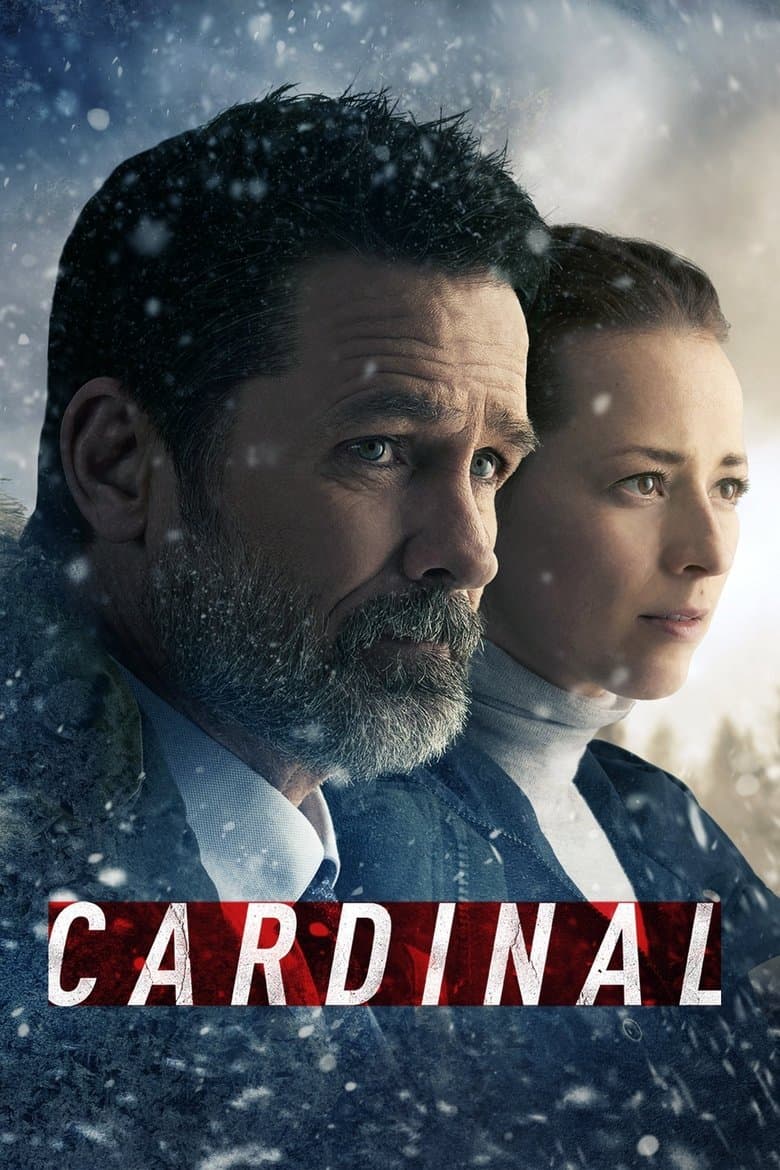
TV Show · 2017
Detective John Cardinal attempts to uncover the mystery of what happened to the missing 13-year-old girl whose body is discovered in the shaft-head of an abandoned mine.
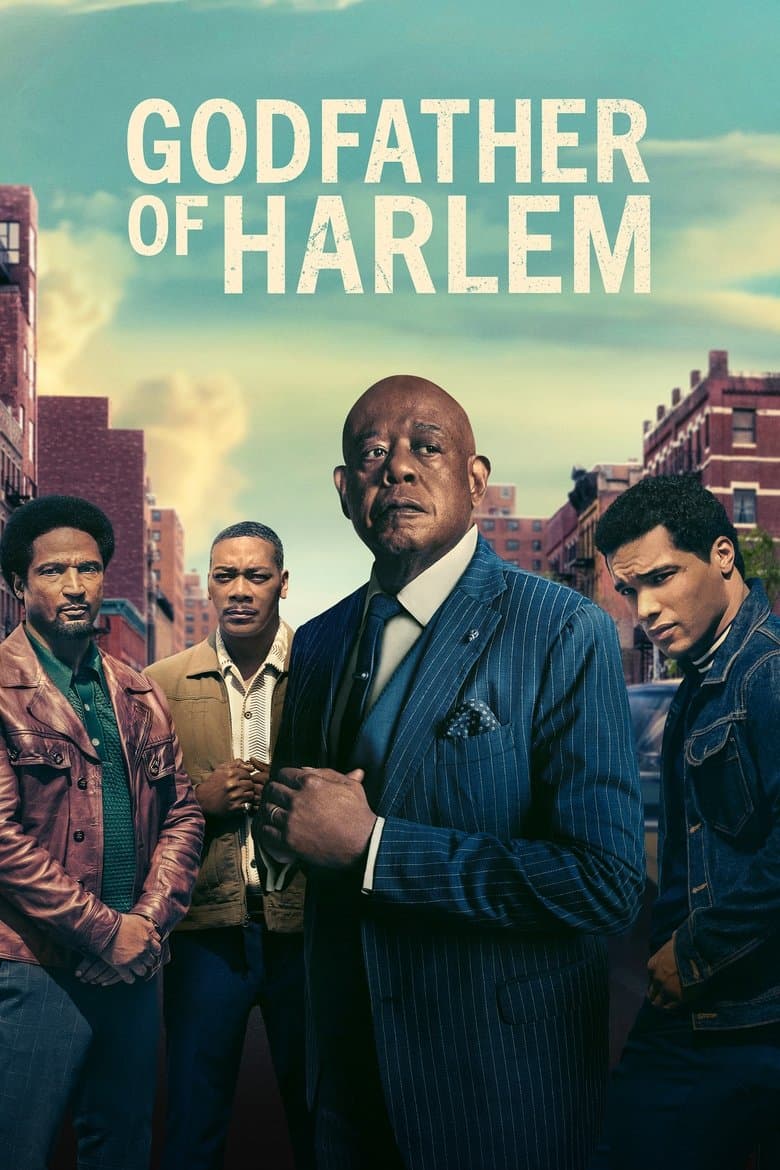
TV Show · 2019
Loosely based on infamous crime boss Bumpy Johnson, who in the early 1960s returned from ten years in prison to find the neighborhood he once ruled in shambles.
