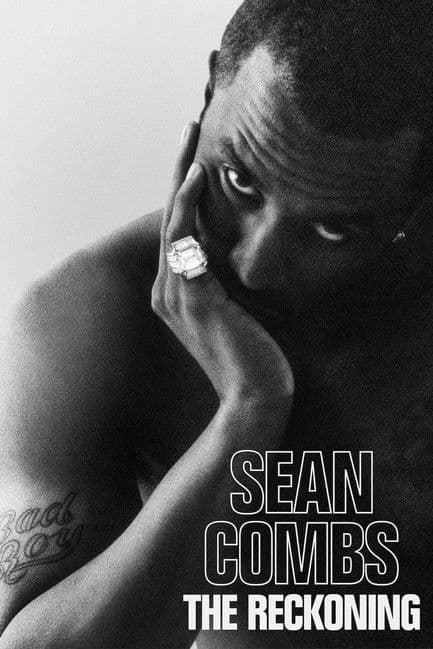
Started December 2, 2025 · Ended · Based on 1 season, 4 episodes through December 2, 2025 · TV-MA
Sean Combs: The Reckoning follows Sean Combs from his youth in Harlem to his rise as the head of Bad Boy Entertainment. The story moves through New York, Los Angeles, music studios, clubs, homes, and the courtroom as his public image breaks down. Former friends, workers, artists, investigators, jurors, and people who accuse him of abuse describe the man behind the fame. The tone is dark, tense, and often disturbing. The series gives its strongest attention to alleged sexual assault, domestic abuse, control, and the fear that kept people quiet. The third episode focuses on Combs's relationships with women, while the fourth follows civil claims, the federal case, and the mixed verdict. The show asks how money, fame, staff, media, and legal systems let harmful behavior continue for years. The show also examines a deadly City College stampede and violence linked to the Bad Boy and Death Row rivalry. It follows questions about Tupac and Biggie, bad business deals, drug use, and the collapse of Combs's empire.
Community feedback
Was our 46% Woke rating accurate?
Breakdown
These are the editorial factors and ratings behind our score for Sean Combs: The Reckoning.
Woke representation / casting
Not present. The series uses real people from Combs's Black hip-hop world. Their backgrounds fit the subject and setting. The show does not frame its participants as a diversity goal.
0%
Woke political dialogue
The series includes brief statements about standing up for justice after alleged abuse. Interviewees discuss women speaking out, victim reactions, and whether the legal system understands sexual violence. These ideas return mainly in the last two episodes. The dialogue stays focused on the case and does not become a party-political or DEI speech.
28%
Identity-driven story themes
The series makes alleged sexual abuse, domestic violence, control, and women's fear central to the later episodes. The third episode follows Combs's treatment of female artists and partners, while the fourth follows accusers, jurors, and the legal case. The story repeatedly asks why women were not believed or protected. The wider focus on money, violence, and business abuse keeps the message broader than a single identity campaign.
46%
Western institutional / cultural critique
The series repeatedly shows record labels, staff, security teams, publicists, media, and lawyers surrounding a powerful person and helping his image survive. The ending asks why warning signs were ignored and whether the legal system handles sexual violence well. The show also criticizes a culture that rewards fame and keeps people quiet. It does not attack Christianity, conservatives, family life, or capitalism as a whole.
42%
Woke character or canon changes
Not relevant. This is an original documentary about real people and reported events. It does not recast or rewrite an established fictional character.
0%
Anti-woke backlash and complaints
Not present. Public complaints centered on alleged unauthorized footage, fairness, sensationalism, and 50 Cent's personal feud. No sustained complaint said that the series pushed DEI, identity politics, or left-wing messaging, and X reaction checks found no anti-woke complaints.
0%
Creator track record context
Alex Stapleton has a documented record of films about black history, LGBTQ+ rights, privilege, and excluded voices. Producers Stacy Scripter and Megan Goedewaagen have notable credits on LGBTQ rights and gender equality documentaries. The other listed producers have mostly low or limited activist records. This gives the series a moderate creator-context signal because its story centers women speaking about abuse and asks how power can protect people accused of wrongdoing.
42%
Production
TV Show · 2019
A twisted criminal's gruesome videos drive a group of amateur online sleuths to launch a risky manhunt that pulls them into a dark underworld.
TV Show · 2022
This harrowing docuseries explores, a cruel conman masquerading as a British spy manipulates and steals from his victims, leaving ruined families in his wake.
TV Show · 2019
Henry Lee Lucas rose to infamy when he confessed to hundreds of unsolved murders. This docuseries examines the truth -- and horrifying consequences.
TV Show · 2019
A Cleveland grandfather is brought to trial in Israel, accused of being the infamous Nazi death camp guard known as Ivan the Terrible.
TV Show · 2020
A 10-part documentary chronicling the untold story of Michael Jordan and the Chicago Bulls dynasty with rare, never-before-seen footage and sound from the 1997-98 championship…
TV Show · 2018
This baffling true crime story starts with the grisly death of a pizza man who robs a bank with a bomb around his neck - and gets weirder from there.
TV Show · 2020
A zoo owner spirals out of control amid a cast of eccentric characters in this true murder-for-hire story from the underworld of big cat breeding.
TV Show · 2023
With never-before-seen footage, this docuseries follows David Beckham's meteoric rise from humble beginnings to global football stardom.
